Roasted Barley: The Unmalted Grain That Defines Irish Stout
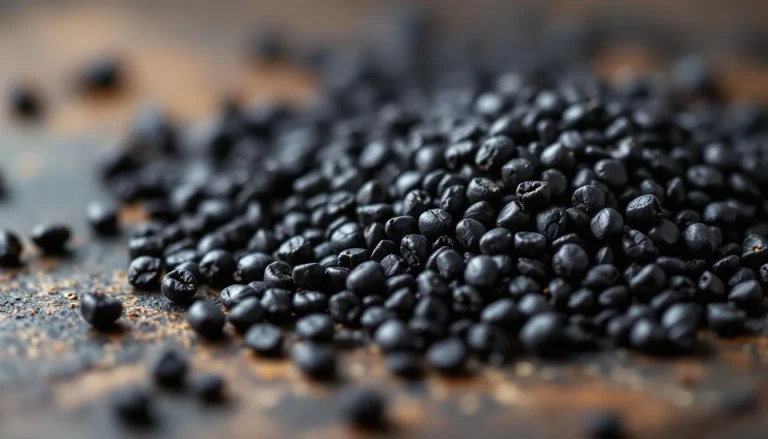
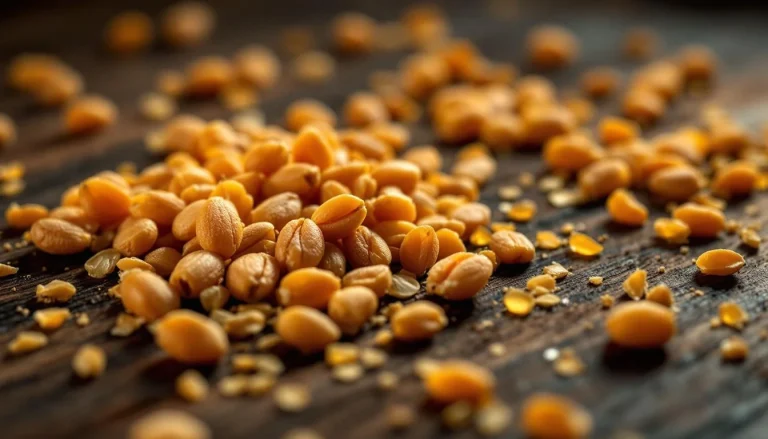
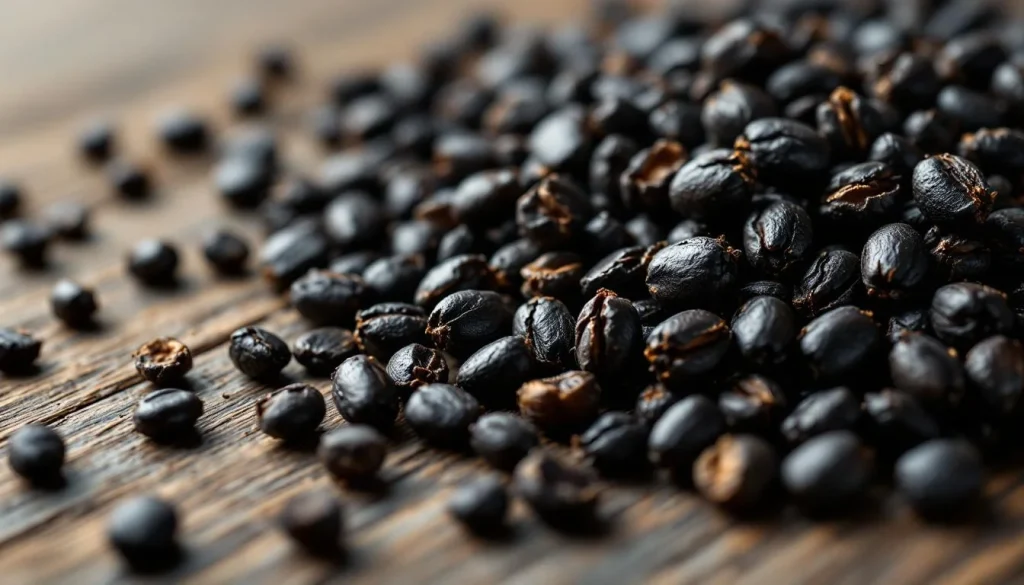
Roasted barley is barley roasted black without ever being malted. It gives Irish stout its color and its dry, bitter coffee flavor.
The darkest of the roasted malts, black patent has given stout and porter their night-black color and burnt edge since the 19th century.
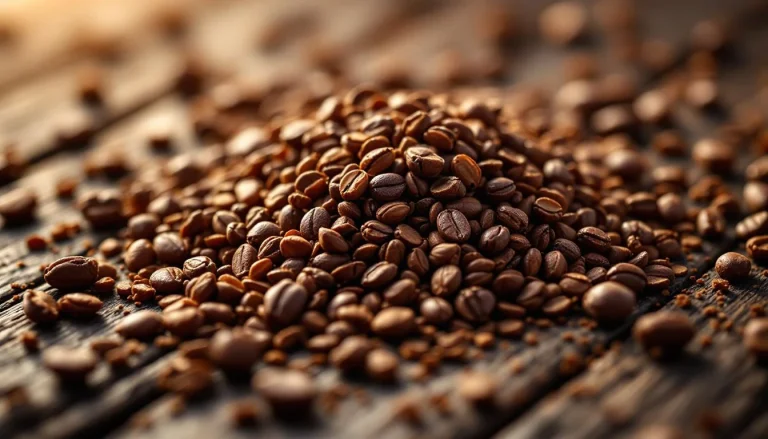
Chocolate malt gives beer a light, clean bitterness and a deep brown color, and it is central to the classic porters and stouts of England.
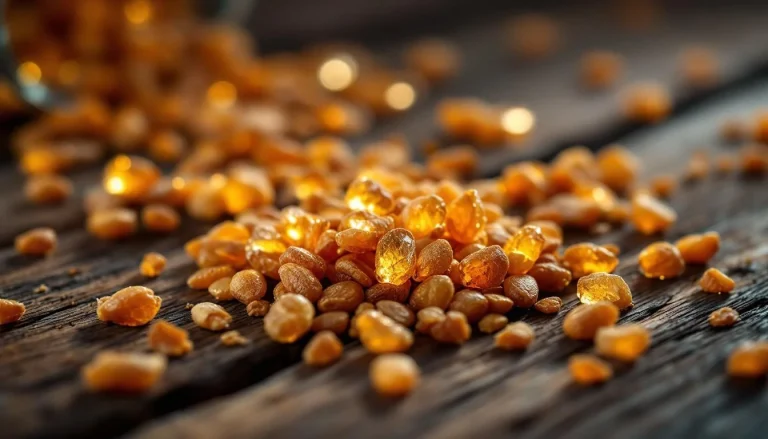
Crystal 120 brings raisin, ripe plum, and burnt caramel to strong beers such as barleywine and old ale. It is a malt for beers meant to be sipped slowly.
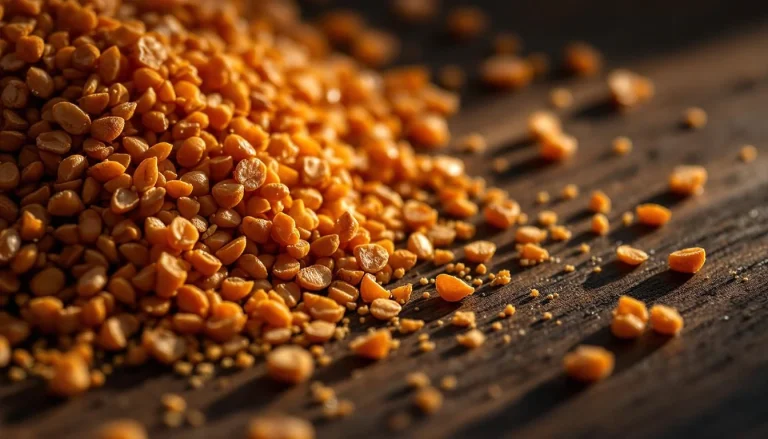
Crystal 60 brings rich caramel, a vivid amber color, and balanced sweetness to classic American styles from Amber Ale to Porter.
Munich malt gives Germany’s classic lagers their toasted-bread aroma, malty sweetness, and amber color.
Pale ale malt is the foundation of English beer. From Burton-on-Trent it spread around the world and shaped an entire brewing tradition.
Pilsner malt, the palest base malt in the world, was born in mid-19th-century Bohemia and has set the standard for lager for nearly two centuries.
Bred at Hüll in 1980, the German hop Magnum is valued for clean, neutral bitterness, the foundation of Pilsner and of many other beers that depend on balance.
Perle is a German hop bred from Northern Brewer. Its light herbal aroma and clean bitterness have made it the backbone of many European lagers.