Crystal 60: The Sweet Amber Malt from California
Crystal 60 brings rich caramel, a vivid amber color, and balanced sweetness to classic American styles from Amber Ale to Porter.
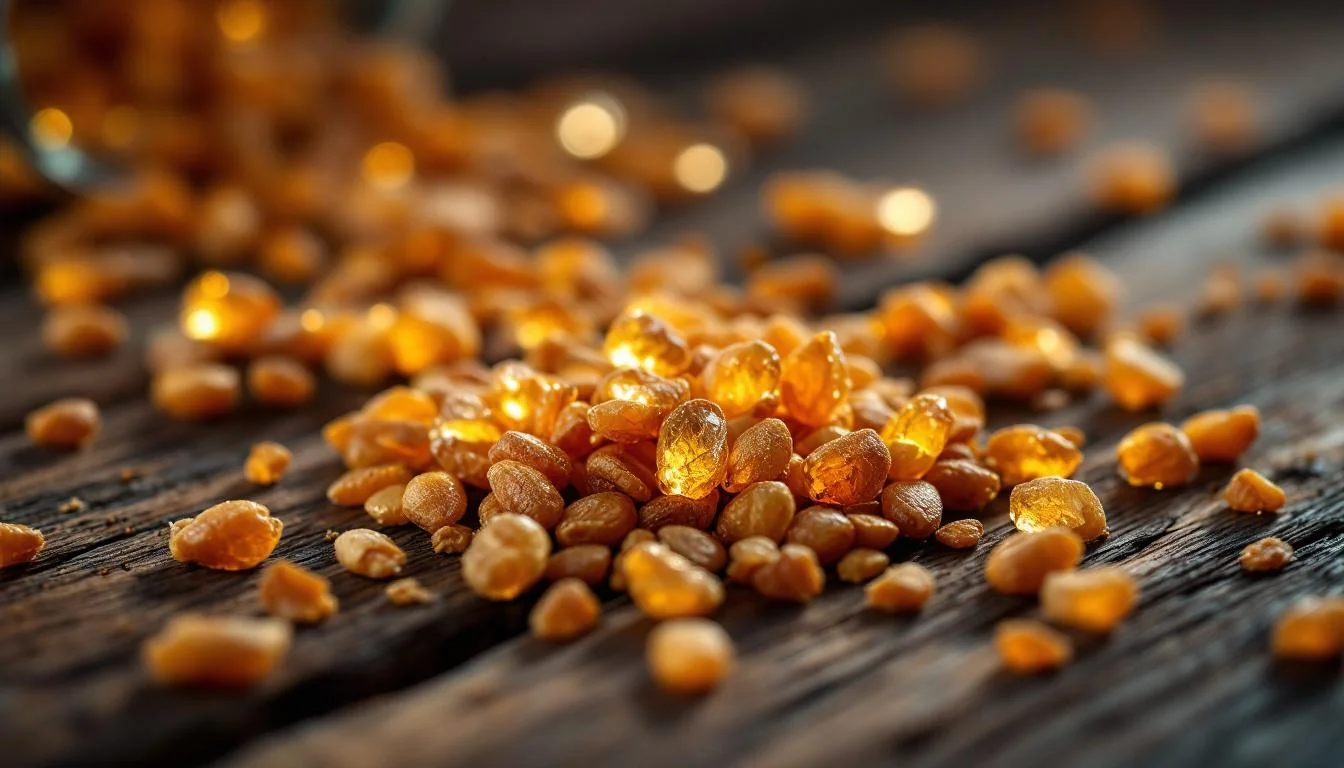
Some malts form a beer’s foundation; others add accents. Crystal 60 is an accent, and a hard one to replace: the familiar caramel in an autumn Amber Ale, the warm amber of a Porter on a winter night.
Born in sunny California, Crystal 60 has become a fixture of American brewing. Less sweet than its darker siblings and fuller than the lighter ones, it strikes a balance between sweetness and complexity.
IOrigins and History
Crystal malt, or caramel malt in the traditional British usage, dates back to 19th-century English maltings. Crystal 60, with its precise technical definition on the Lovibond scale, is a product of the modern American malting industry.
In the 1960s and 1970s, as American maltsters began numbering their products by Lovibond color, Crystal 60 emerged as an industry standard. The 60 refers to color: dark enough to give a distinct amber hue, light enough not to overwhelm the overall flavor.
Briess Malt & Ingredients Company, based in Chilton, Wisconsin, was among the pioneers. Founded in 1876, Briess helped set the standard for American crystal malt. Great Western Malting in Vancouver, Washington, and Rahr Malting Company in Shakopee, Minnesota, followed with Crystal 60 versions of their own.
The American craft beer revolution of the 1980s moved Crystal 60 to center stage. When Sierra Nevada Brewing Company launched its Pale Ale in 1980, crystal malt was an essential part of the recipe. Since then, Crystal 60 has been a staple in nearly every American craft brewer’s grain room.
Crystal 60 is now made in many countries, but the American version stands apart. Two-row barley from the Pacific Northwest (Washington, Oregon, and Idaho) gives it a clean, lightly sweet character that European versions find hard to match.
IIHow It Is Made
Crystal malt takes a different route from ordinary malt. Instead of being dried after germination, the barley goes through “stewing,” the step that gives crystal malt its character.
Two-row barley is steeped and germinated as usual. When the grain reaches about 45% moisture, it is not dried right away but held in a closed roaster at 65–68 °C (149–154 °F) for several hours. That is the saccharification range: enzymes in the grain convert starch into sugar right inside the husk.
After stewing, the temperature is raised to 120–150 °C (248–302 °F). The sugars inside the kernel caramelize, producing the malt’s characteristic color and flavor. For Crystal 60, temperature and time are controlled to land on exactly 60 degrees Lovibond (°L).
The result is a kernel with a glassy, translucent interior, which is where the name “crystal” comes from. Bite into one and the caramel sweetness spreads immediately, with no mashing or extraction needed.
IIISpecifications
Crystal 60 is rated at 60 °L, roughly 118–138 EBC on the European scale. That is deep amber territory: enough to give a beer a distinct reddish-orange cast, but short of the dark brown of darker versions such as Crystal 80 or Crystal 120.
Extract runs 73–77% (fine grind, dry basis), lower than base malt but normal for a specialty malt. More notably, most of the sugar in crystal malt is already unfermentable, so it adds body and residual sweetness to the finished beer rather than alcohol.
Protein usually falls between 10% and 12%, not high enough to cause haze or affect head retention. Moisture after heat treatment is kept at 3–5%, so the malt stores for a long time without losing aroma.
In recipes, Crystal 60 usually makes up 3–15% of the grain bill, depending on the style and what the brewer wants. In an Amber Ale, 8–10% is common; beers that need more body can go up to 12–15%.
IVFlavor and Color
Crystal 60’s flavor builds gradually, in subtle layers that come forward a little more with each sip.
Caramel leads: not burnt or milky caramel, but the classic caramel of butterscotch candy. The aroma has a nostalgic pull, like brown sugar melting in a pot of water on a winter afternoon by the fire.
Alongside the caramel comes a gentle toffee note. Sometimes there are raisins and ripe plums, dark-fruit notes that pass quickly and fold into the overall sweetness. Some tasters also find a hint of toast, or of pie crust fresh from the oven.
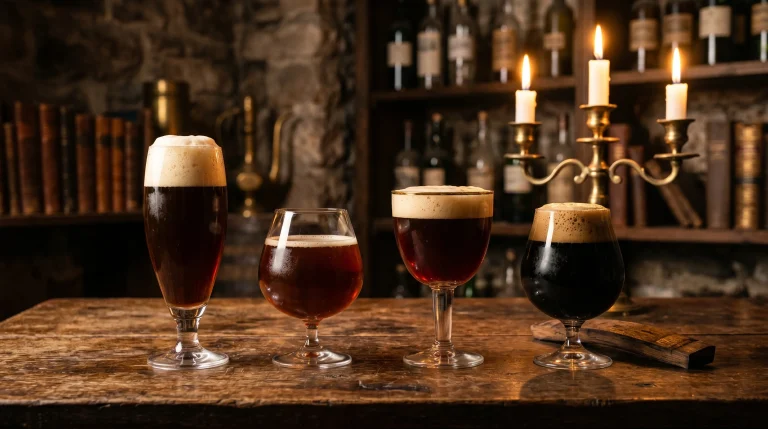
In the glass, Crystal 60 produces some of the most attractive colors in beer: deep amber and warm reddish-orange, sometimes leaning toward copper-brown depending on how much is used. It is the color of maple leaves at the end of October, neither so pale that it looks washed out nor so dark that it turns murky.
What Crystal 60 does best is build body. Its unfermentable sugars give a sense of fullness on the tongue, and the residual sweetness balances the bitterness of the hops. Beers brewed with it have a thicker mouthfeel and a long, lightly sweet finish.
Used with a heavy hand, though, it turns cloying, a sweetness experienced drinkers pick up right away. The balance lies in knowing when to stop.
VClassic Styles
American Amber Ale is where Crystal 60 does its most visible work. Beers such as New Belgium’s Fat Tire and Full Sail Amber carry a clear imprint of this malt. Its caramel meets American hops to strike the balance of sweet and bitter that defines the style, which sits squarely between Pale Ale and Brown Ale.
American Pale Ale and IPA use Crystal 60 in a supporting role. A smaller share, around 5–8%, is enough to lay down a sweet base that offsets assertive hop bitterness. Sierra Nevada Pale Ale, one of the most important beers in the history of American craft brewing, is believed to have included Crystal 60 in its original recipe.
American Brown Ale often pairs Crystal 60 with darker malts. Crystal 60 provides the caramel base, and chocolate malt or roasted barley add bitter, roasty notes on top. The result is layered and complex, yet it holds together.
Porters and Stouts that are not too heavy also have room for Crystal 60. Versions such as Robust Porter and Oatmeal Stout use it to add sweetness and soften the bitterness of roasted malt. Crystal 60 spans the distance from the pale world of Pale Ale to the black of Stout.
Some American Barleywines and Old Ales also use Crystal 60 for added complexity. Its caramel blends with the strong alcohol to make full, warming beers for winter nights.
VIHow It Compares with Other Crystal Malts
In the American crystal malt range, a higher number means a darker color and a sweeter, more complex flavor.
Crystal 40 sits one step lighter than Crystal 60. It gives a bright golden amber and a clean caramel note that fades quickly. It suits beers that need a touch of sweetness without much added color: Blonde Ale, Light Amber, or as a base for Pale Ale.
Crystal 80 moves further toward the dark. It gives a deep reddish brown, and its caramel shifts toward more pronounced toffee and raisin. There is also a slight burnt-sugar bitterness, a note Crystal 60 does not yet have. Brown Ale and Porter are Crystal 80’s home ground.
Crystal 120 is at the far end of the range. It is nearly black, with a sweetness so concentrated it borders on burnt sugar, and it leaves a lightly bitter aftertaste, far more complex than the lighter versions. Use it sparingly, at 3–5%, in Strong Ale and Barleywine.
Compared with British or Belgian caramel malts, American Crystal 60 tastes cleaner and less fruity. European malts often carry fruit notes tied to local barley varieties: grape, plum, sometimes even cherry. American Crystal 60 is more focused, staying with caramel and toffee without straying into other flavor territory.
VIIHow to Spot It in the Glass
To pick out Crystal 60 in a beer, start with your eyes.
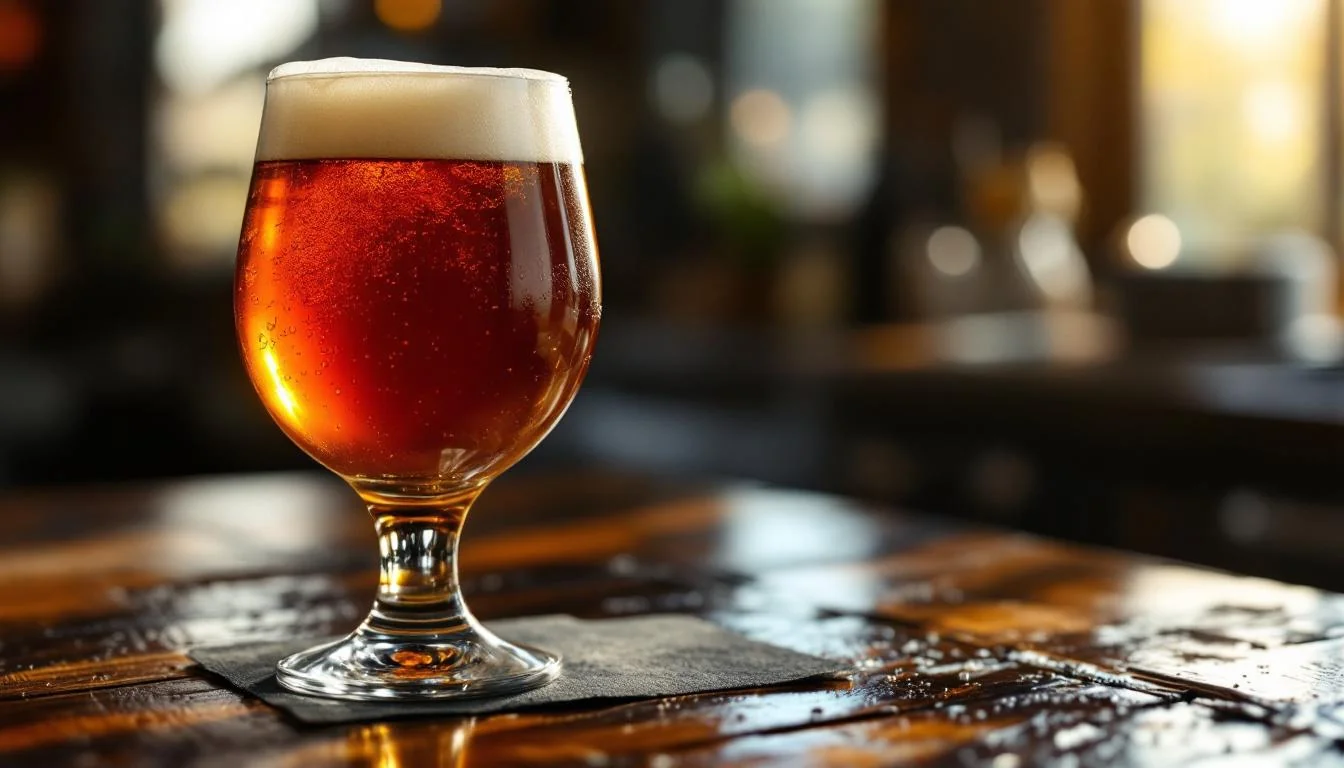
Hold the glass up to the light. A deep amber with a sunset-orange glow suggests a mid-range crystal malt is present. The color is especially clear in Amber Ale and American Brown Ale.
Then bring the glass to your nose. Butterscotch caramel is the first sign: not the scorched caramel of darker crystals, nor the faint, fleeting sweetness of lighter ones, but the middle ground, clear enough to recognize and restrained enough not to dominate.
On the first sip, let the beer spread across your tongue. Crystal 60 leaves a sense of fullness and a sweetness that lingers at the end. If a beer has real body yet still drinks easily, finishing on a light caramel note instead of a dry, rough edge, that is crystal malt at work.
Compare two beers of the same style, one with crystal malt and one without. The difference in color, body, and residual sweetness is immediate. Crystal 60 does not announce itself, but without it, something in the glass goes missing.
Next time you raise a glass of Amber Ale, take a quiet moment: somewhere in that amber color and lingering caramel is barley that went through fire to get there.
Mentioned in this article
-
Beer O L O G Y
Dark Beer Is Not One Style -
Beer O L O G Y
Strong Beer: When Alcohol Becomes an Art
Originally published in Vietnamese on Tạp Chí Beer.