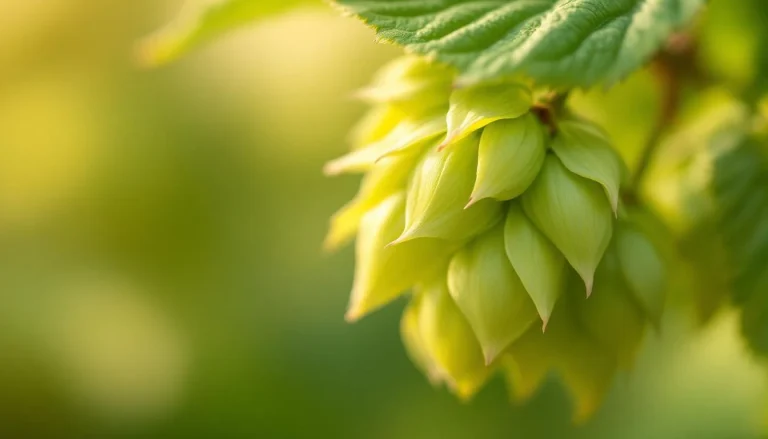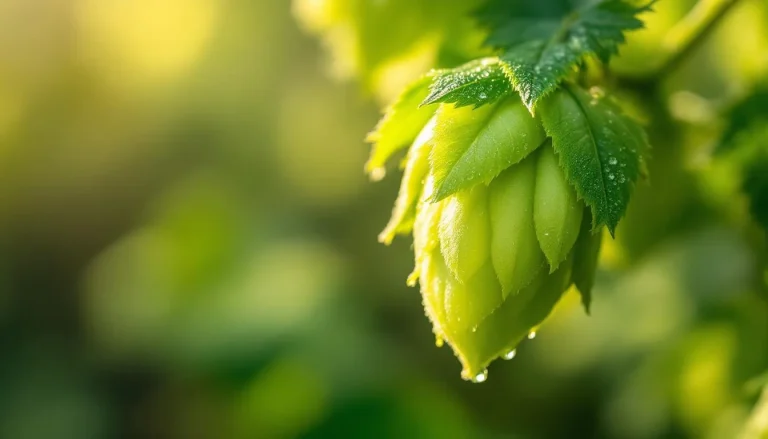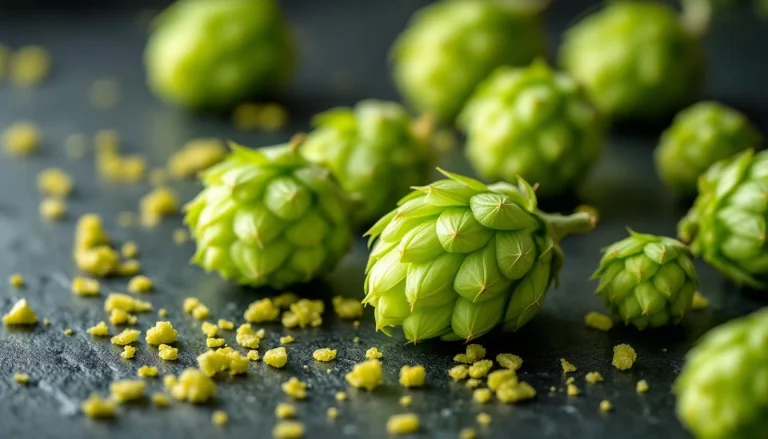
Cascade: The Grapefruit Hop Behind America’s Craft Beer Revolution
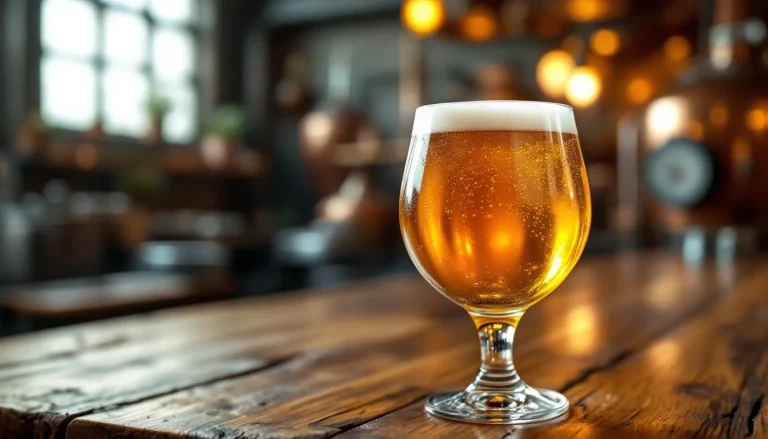
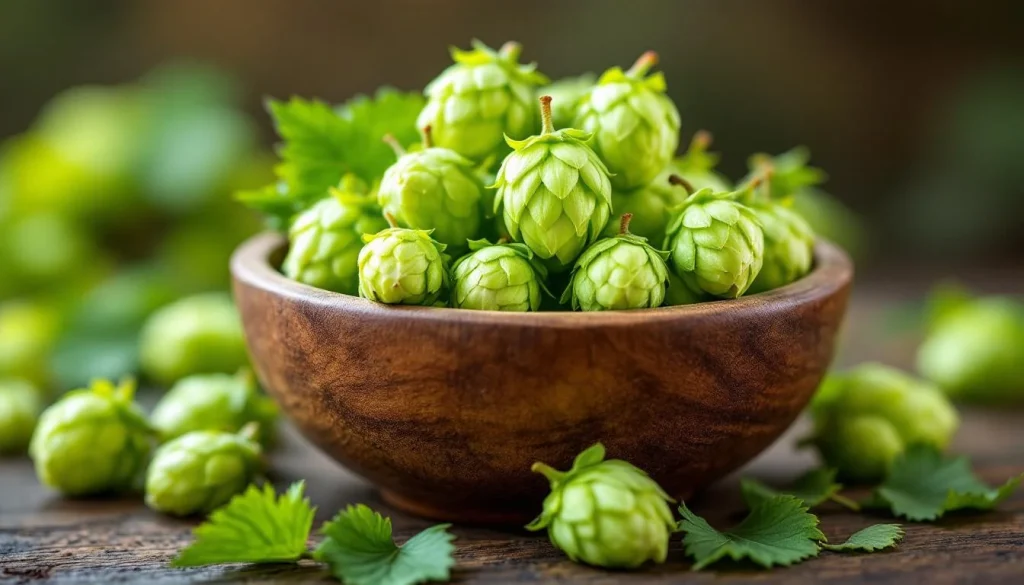
Cascade is the hop whose grapefruit aroma defined American craft beer. A look at its history, its technical profile, and how to pick out the Yakima Valley classic in the glass.
Essays on hops, malt, yeast and water, on brewing traditions, and on the craft of tasting.
Cascade is the hop whose grapefruit aroma defined American craft beer. A look at its history, its technical profile, and how to pick out the Yakima Valley classic in the glass.
Hallertau Mittelfrüh is the noble hop that has shaped the flavor of German lager for centuries, with a quiet herbal aroma and a soft, clean bitterness.
Saaz, the noble hop of Bohemia, carries the clean herbal aroma and gentle bitterness that have shaped Pilsner for more than 700 years.
From New Zealand’s Nelson region, Motueka brings fresh lemon, a hint of basil, and tropical fruit, and it works in everything from light lagers to IPA.
Nelson Sauvin, from New Zealand’s Nelson region, carries the aroma of Sauvignon Blanc. No other hop is quite like it, and it has reshaped craft beer around the world.
Lactobacillus, the lactic acid bacterium behind the clean tartness of Berliner Weisse, Gose, and other sour beers: its history, its biology, and how to recognize it in the glass.
Vienna Malt, a base malt dating to the 19th century, gives beer an amber hue and a light toasted-bread aroma. It shaped an entire school of Central European brewing.
Kveik Voss, a yeast handed down on Norwegian farms, ferments at unusually high temperatures, works remarkably fast, and brings a fresh orange character.
Brettanomyces, a wild yeast from Belgium, is behind some of the world’s most complex sour beers. Once seen as a spoiler, it is now a yeast brewers will wait years for.
WLP001 California Ale is the cleanest of American ale yeasts and the foundation of thousands of IPA and pale ale recipes, from Anchor Brewing to today’s craft breweries.