Nelson Sauvin: The White-Grape Hop from the Far South
Nelson Sauvin, from New Zealand’s Nelson region, carries the aroma of Sauvignon Blanc. No other hop is quite like it, and it has reshaped craft beer around the world.
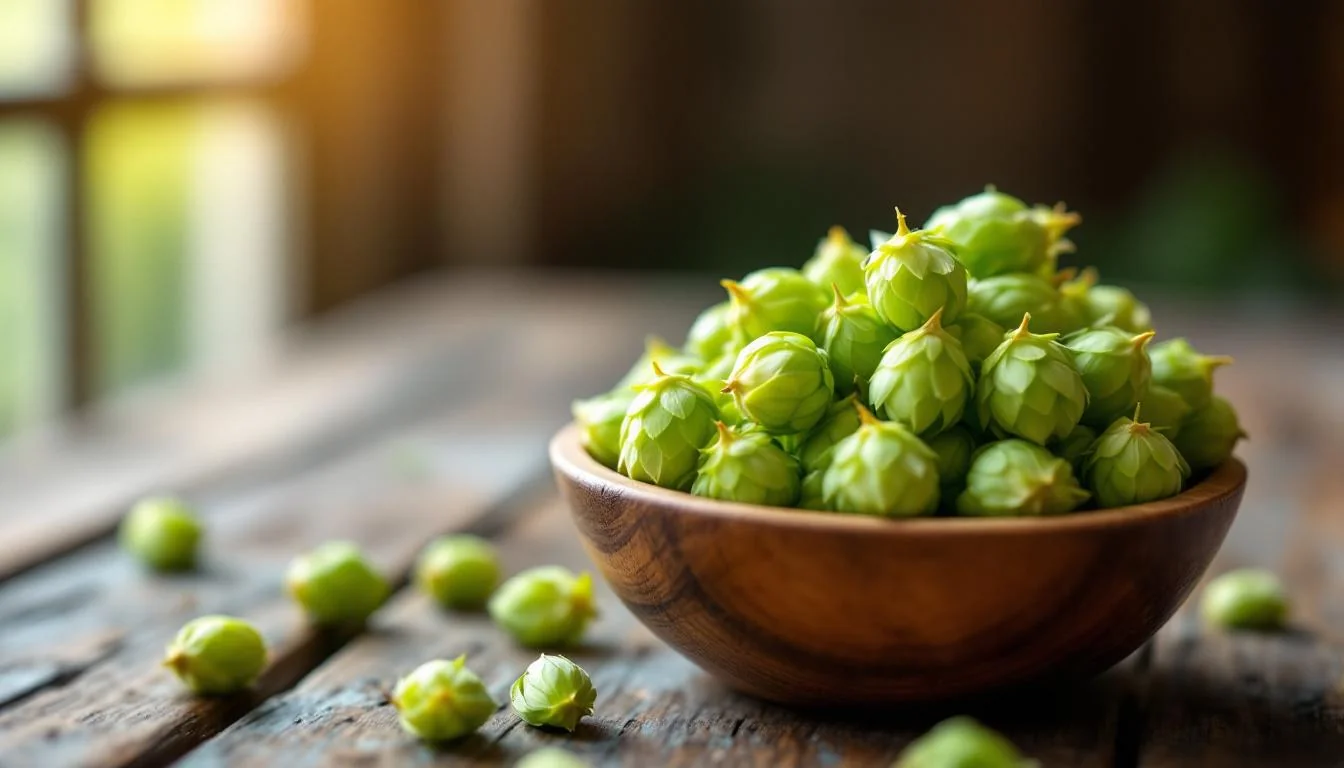
In 2004, an American brewer received his first sample of an experimental hop from New Zealand. He opened the bag, took a breath, and froze. This was not the smell of hops. It was white wine, a Sauvignon Blanc from the valleys of Marlborough. He assumed he had been sent the wrong package. He had not. It was Nelson Sauvin, the hop that was about to change how the world thought about beer.
Hops no longer serve only to make beer bitter. They also tell you where they came from, and Nelson Sauvin comes from an isolated island near the bottom of the Southern Hemisphere, where nature produces flavors found nowhere else on Earth.
IOrigins and History
Nelson Sauvin came out of a breeding program at the New Zealand Institute for Plant and Food Research (Plant & Food Research) that ran for more than a decade. In 2000 it was officially registered under the code “Hort4337.” The name came later: “Nelson” for the region where it grows, “Sauvin” for Sauvignon Blanc, the grape its aroma calls to mind.
Its pedigree is complicated. On one side is a traditional European hop; on the other, a wild hop line native to New Zealand. The cross produced a plant carrying distinctive thiols, the same compounds behind the characteristic flavor of Sauvignon Blanc wine. Nobody predicted it. It was a chance discovery, and it changed everything.
The Nelson region lies at the northern tip of New Zealand’s South Island and has a mild maritime climate: long summers, abundant sunshine, moderate rainfall. The soil is rich in minerals from ancient volcanic activity. No other place can reproduce these conditions. Nelson Sauvin planted in other regions still yields a harvest, but its aroma loses complexity. Here, terroir decides everything.
Commercially, the early years were hard. Many traditional breweries passed on it, arguing that wine aromas had no place in beer. The craft beer movement then rising in the United States and Europe saw an opportunity instead. Independent, experimental, and bold, those brewers embraced Nelson Sauvin as a new tool for breaking old rules.
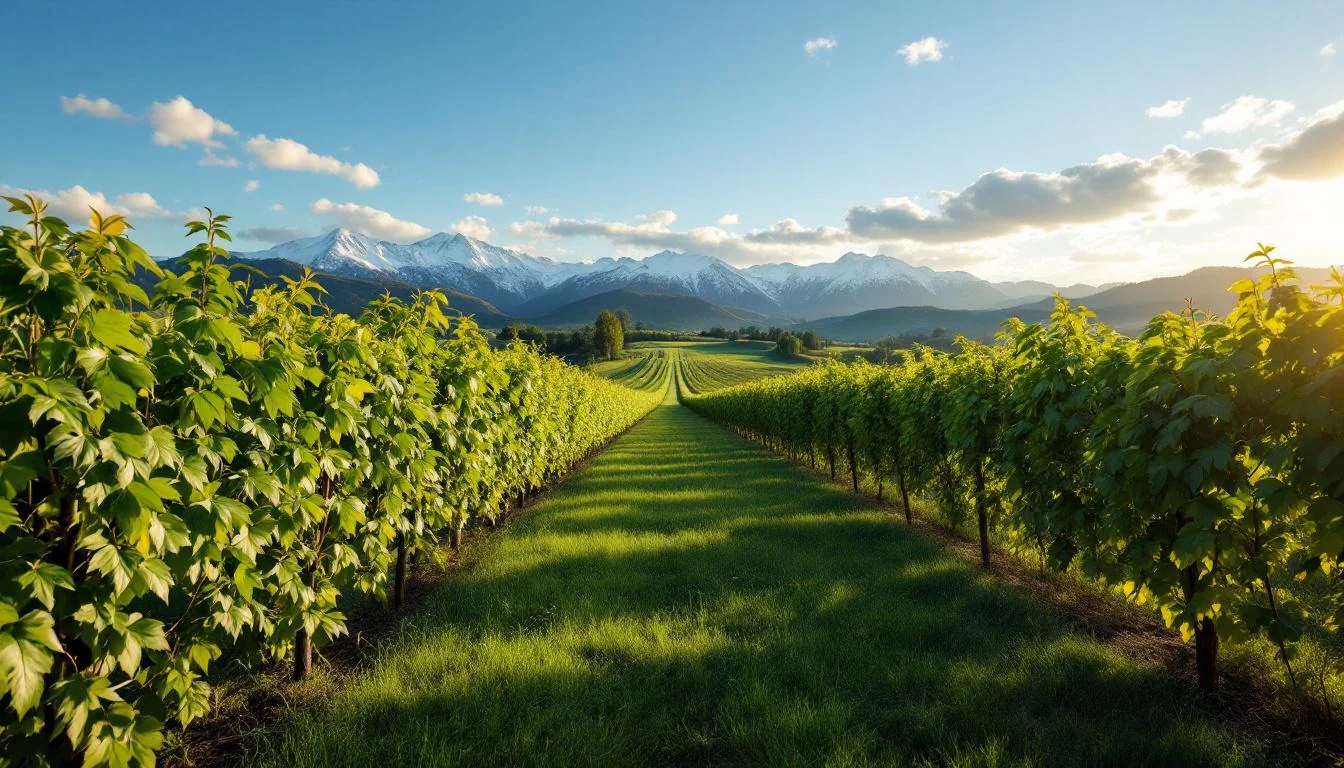
By 2010, demand had far outstripped supply. New Zealand had only a few hundred hectares of hops, and not all of them were Nelson Sauvin. Prices soared, and long-term contracts were signed years in advance. Nelson Sauvin became one of the scarcest and most expensive hops in the world, not because of marketing but because growers truly could not produce enough.
IITechnical Profile
Nelson Sauvin’s alpha acids range from 12% to 14%, which places it among the dual-purpose hops: high enough for bittering, complex enough for aroma. Beta acids sit between 6% and 8%, giving a softer bitterness than American hops of comparable alpha.
The real difference lies in the oil. Total oil runs about 1.0–1.2%, nothing out of the ordinary, but its composition is another matter. Humulene is low, while thiols and terpenes such as geraniol and linalool dominate. That imbalance is what produces the wine-like aroma.
Harvest in Nelson falls in March, which is autumn in the Southern Hemisphere. Timing matters: pick too early and the hops lack complexity, too late and they lose their freshness. Farms here harvest by machine but check quality by hand, so that every lot meets strict export standards.
IIIAroma and Flavor
Open a bag of Nelson Sauvin and the first thing to reach your nose is ripe white grape. Not table grapes, and not red wine grapes, but Sauvignon Blanc: fresh, sharp, slightly tart. Behind it sits gooseberry, a sweet-tart berry common in temperate climates but rarely seen in Vietnam.
In beer, the aroma gains depth. Dry hopping with Nelson Sauvin brings out white grapefruit, lemon, and sometimes ripe passion fruit. There is a light herbal note as well, not the pine of American hops but something closer to fresh grape leaves, lemongrass, or basil.
The bitterness sets it apart too. It is not harsh, and it does not linger the way Simcoe or Columbus does. It arrives fast and leaves fast, with an aftertaste as fresh as a bite of green fruit. Some brewers call it a crisp bitterness, clean and sharp-edged.
Its most distinctive trait is an almost vinous quality. Drink an IPA heavily dry-hopped with Nelson Sauvin and for a split second your brain can’t tell: is this beer or wine? The line blurs. That is the appeal, and also the reason some drinkers dislike it. They want their beer to taste like beer.
IVBeer Styles That Use Nelson Sauvin
New Zealand Pilsner is the style built to showcase Nelson Sauvin. The malt base is light and clear and stays out of the hops’ way. Bitterness is moderate, 30–40 IBU, and a gentle dry hop sends up white grape the moment the cap comes off. This is Nelson Sauvin in its purest form, like an acoustic song with no arrangement around it.
IPA and its variants are Nelson Sauvin’s biggest playground. In an American IPA, Sauvin in the dry hop gives a layered tropical aroma unlike anything from traditional American hops. Many brewers blend Nelson Sauvin with Citra or Mosaic, building aromas that run from grape to mango to passion fruit.
Nelson Sauvin also turns up often in Hazy IPA, the style also called New England IPA, though it needs a careful hand: used too heavily, its wine character can bury the other hops. Experienced brewers tend to treat Sauvin as an accent rather than the lead.
Belgian Saison and other farmhouse ales are a surprising but logical match. Belgian yeast throws fruity esters, and together with Nelson Sauvin’s grape they give the beer considerable depth. Some modern Belgian breweries have begun experimenting with this New Zealand hop.
VHow It Compares to Similar Hops
Motueka, another New Zealand hop, is often confused with Nelson Sauvin. But Motueka leans toward citrus (lemon, lime, sometimes lemon zest) and has no wine note at all. It is easier to work with and less quirky, a good fit for brewers who want New Zealand character without straying too far from the familiar.
In complexity, Riwaka comes closest to Nelson Sauvin. It offers dense passion fruit, grapefruit, and a touch of pine. If Nelson Sauvin is a Sauvignon Blanc, Riwaka is a tropical fruit cocktail. Both are expensive, both are scarce, and craft brewers hunt for both.
Next to Hallertau Blanc, a German hop bred to imitate wine aromas, Nelson Sauvin remains the original. Hallertau Blanc has grape notes too, but lighter, and it fits more easily into traditional German styles. Nelson Sauvin is more forceful and makes the brewer design the recipe around it, not the other way around.
VIHow to Recognize It in the Glass
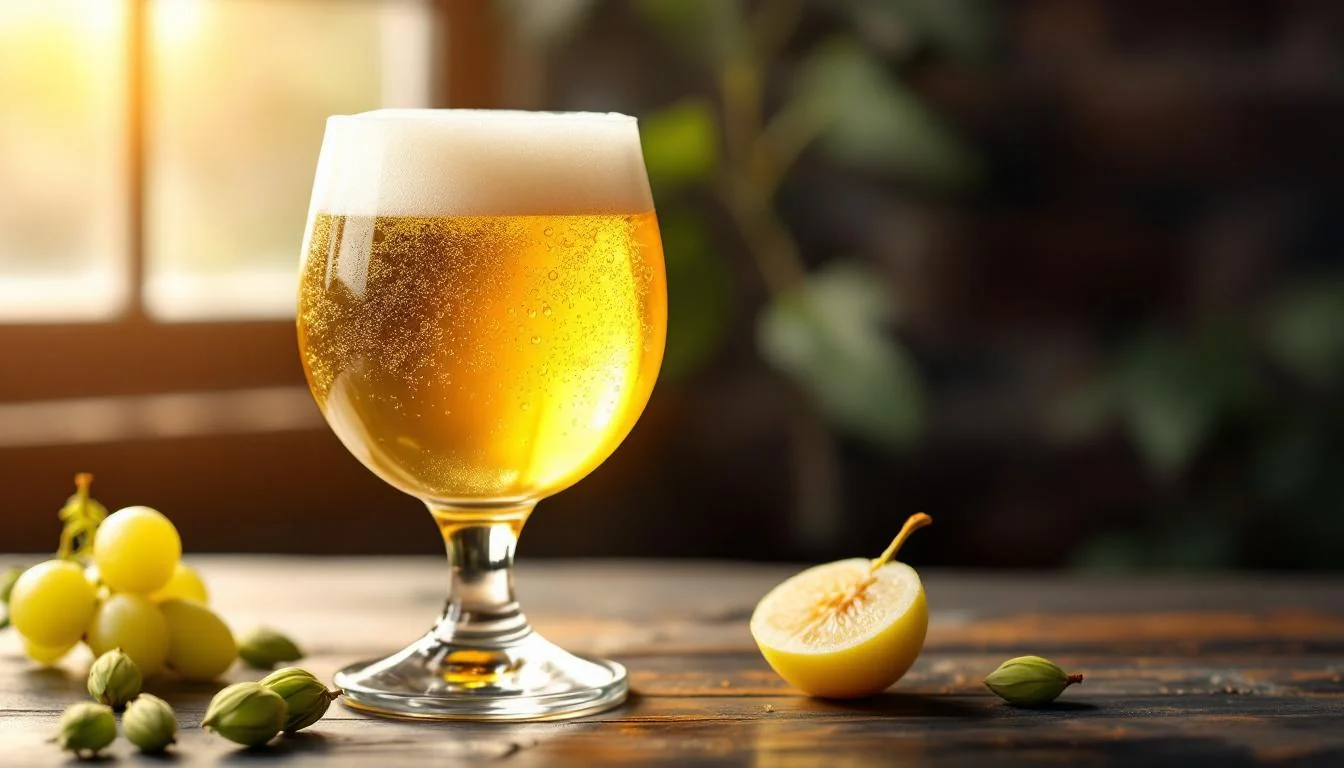
Holding an IPA made with Nelson Sauvin, start with your nose. Raise the glass and breathe in gently. White grape (not red grape, not raisin) is the first sign. Gooseberry may come with it, a mild tartness like fruit not quite ripe.
On the first sip, let the beer spread across your tongue. Nelson Sauvin’s bitterness lands in the middle of the tongue, not along the sides as with many American hops. It is sharp but does not hang on. Swallow, and the finish turns slightly dry, like a sip of white wine with no sweetness.
Give the beer about ten minutes to warm a few degrees, and the aroma changes. Tropical fruit comes forward: passion fruit, lychee, sometimes cantaloupe. This is where Nelson Sauvin shows its real depth, well beyond the first impression.
A Nelson Sauvin beer is not one to rush. Save it for a slow afternoon, with time to take in what a plant from the far end of the world has to offer. Beer can go further than most of us assume, for anyone willing to stop and actually taste.
Mentioned in this article
-
Beer O L O G Y
The World of Bitter Beer Begins with IPA -
Beer O L O G Y
Belgian Beer: Intangible Cultural Heritage of Humanity
Originally published in Vietnamese on Tạp Chí Beer.