The World of Bitter Beer Begins with IPA
Bitter beer is a whole family of styles, and it is still evolving. A guide through 10 IPA styles and 5 pale ales.
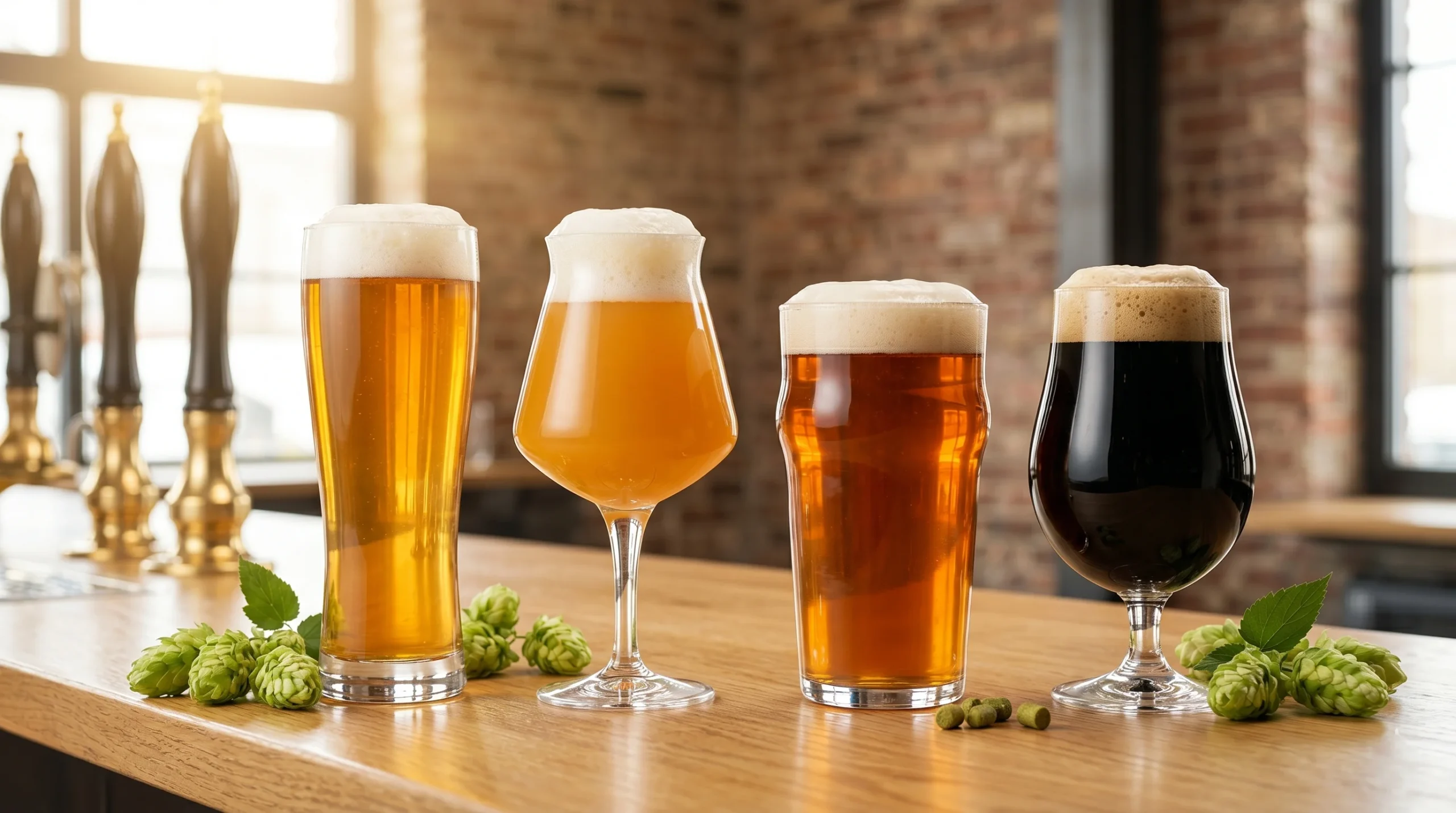
Over the past ten years of Vietnam’s craft beer boom, one word has been repeated so often that it has become almost a synonym for “bitter beer”: IPA.
“An IPA, please” has become the default order for anyone who wants a beer with real bitterness, as if IPA were the whole world of bitter beer and nothing else existed.
IPA may be the dominant style, but it is only part of the picture. Behind those three letters stand 14 clearly distinct substyles, from citrusy American IPA to Hazy IPA as smooth as orange juice, from powerful Imperial IPA to warm, traditional English Bitter.
And that is only IPA. Alongside it stands a whole family of pale ales, among them English Bitter and Extra Special / Strong Bitter (ESB). They get less attention, yet they defined bitterness in beer for centuries before the modern IPA appeared.
This guide is for anyone who already loves IPA and wants to go further, and for anyone who has never tried bitter beer and wonders how “the more bitter, the better” could be said in earnest.
IWhat Is Bitter Beer?
In Vietnamese, “bia đắng,” or bitter beer, is the everyday name for any beer with pronounced bitterness, most of which comes from hops.
Dark beer gets its gentle bitterness from roasted malt. Bitter beer takes its bitter character from hops, the small green flowers added during brewing. Hops also bring aroma: citrus, pine, rose, tropical fruit, and resin.
In specialist terms, bitter beer covers two main groups:
1. India Pale Ales (IPAs): 14 substyles, with bitterness ranging from moderate to extreme. This is the dominant group in modern craft beer.
2. Pale / Blonde Ales: everything from light, gently bitter beers (Blonde Ale) to the assertively bitter beers of the British tradition (English Bitter, ESB).
The two groups differ in more than bitterness. They follow different brewing philosophies: IPA puts hops at the center, while pale ales strike a more classic balance between hops and malt.
IIWhy Is Bitter Beer Bitter?
The short answer: hops.
Behind that answer, though, lies a story of chemistry and history that goes back thousands of years.
Hops (Humulus lupulus) are a climbing plant in the Cannabaceae family, the same family as cannabis. They are grown for their female flowers, which contain compounds called alpha acids. When boiled in the wort, alpha acids isomerize into iso-alpha acids, which give beer its characteristic bitterness.
The longer the boil, the more alpha acids are extracted and the more bitter the beer. That is how brewers can control bitterness precisely, through boil time and the quantity of hops they add.
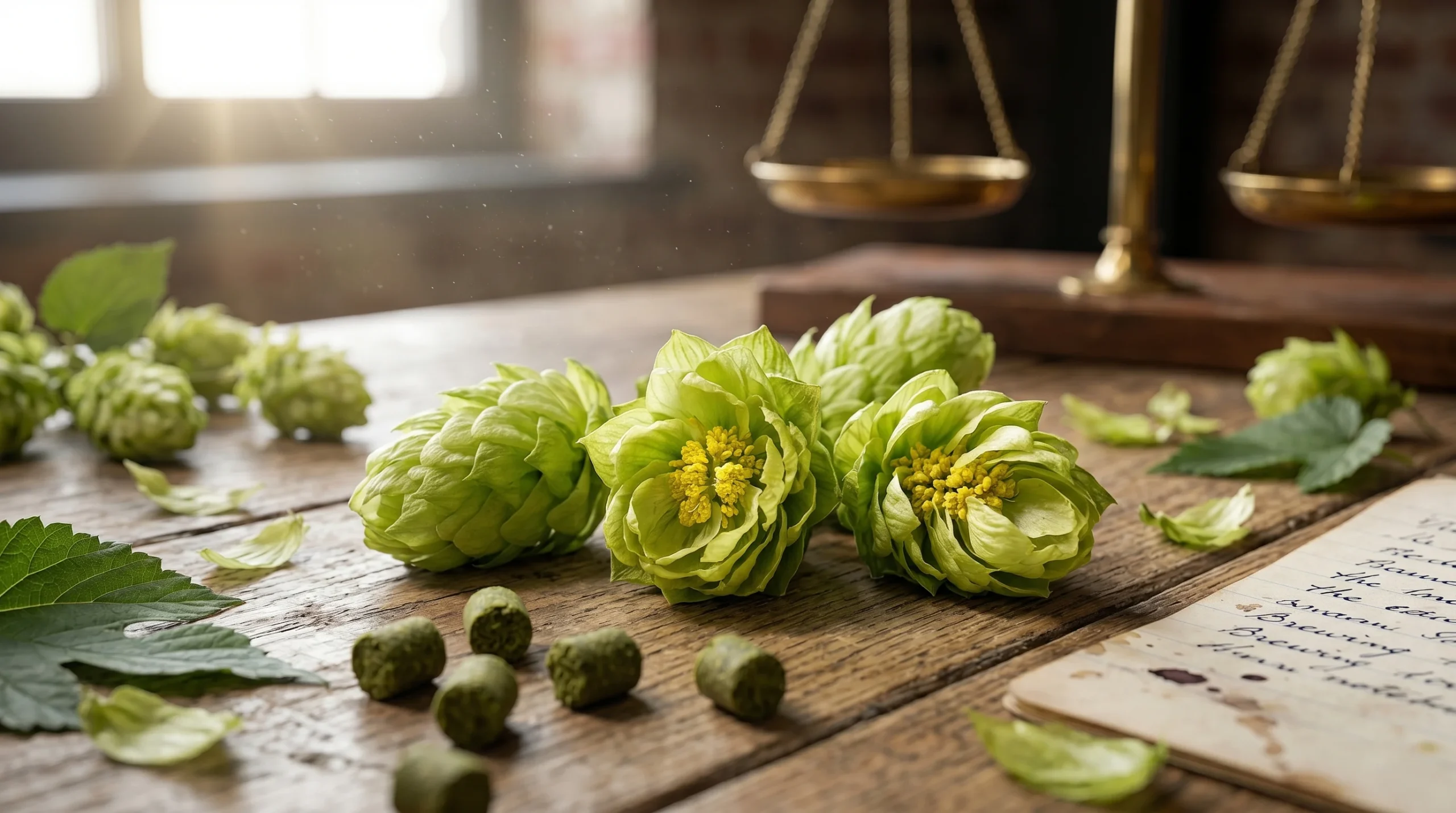
What else hops contribute depends on when they go in:
- Bittering hops: added early and boiled for 60–90 minutes to extract as many alpha acids as possible
- Flavor hops: added midway, for 15–30 minutes, so that some of the essential oils and their aroma survive
- Aroma hops: added at the end, for 0–5 minutes, or as dry hopping (after the boil), to keep as much aroma as possible
This is also why some IPAs smell intensely of citrus (American hops such as Citra and Mosaic), others of pine and wildflowers (English hops such as Fuggles and East Kent Goldings), and still others of tropical fruit (New Zealand hops such as Nelson Sauvin and Motueka).
IIIIndia Pale Ales: The Heart of Bitter Beer
If bitter beer has a capital, it is India Pale Ale. With 14 distinct substyles, IPAs form the largest and most varied group, and the one that redefined modern craft beer.
IPA turned hops from a supporting ingredient into the star. It inspired thousands of independent breweries around the world, and today it is the first thing most people think of when they hear “craft beer.”
History & Origins
IPA was born in Britain in the late 18th century, in the era of British rule in India. The problem: ordinary beer could not survive the 4–6 month voyage by sea from London to Calcutta. Heat and the constant motion of the ship spoiled it before it arrived.
The solution came from George Hodgson, a brewer in Bow, London: brew with more hops than usual (hops are naturally antibacterial) and a higher ABV (alcohol preserves, too). The result was a beer that could survive the long voyage and, as he found by chance, one that tasted even better after months in wooden casks aboard ship.
That is how “India Pale Ale,” the pale ale bound for India, came to be.
For nearly two centuries, IPA remained a small regional British style. In the 1980s and ’90s, the American craft beer movement revived it and turned it into something entirely different, built on assertive American hops (Cascade, Centennial, Citra, Mosaic) instead of gentle English ones. From there, IPA went on to win over the world.
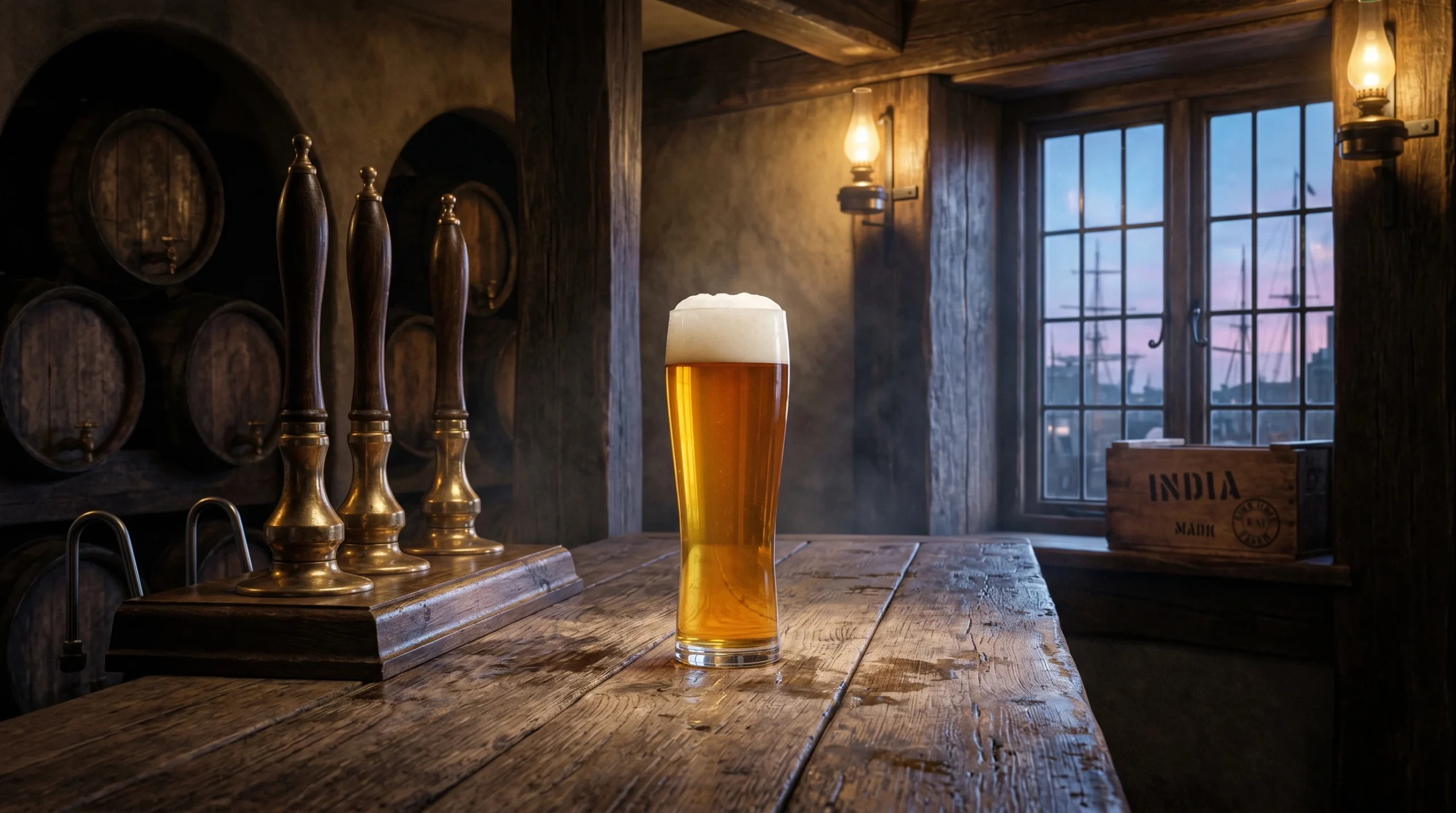
What IPAs Have in Common
- Color: Pale gold to deep amber (some variants can be hazy, like Hazy IPA, or black, like Black IPA)
- Body: Light to medium
- Main flavors: Citrus, pine, tropical fruit, floral and grassy notes, resin, all from hops
- Good for: Drinkers who like pronounced bitterness and complex aromas
Popular IPA Styles
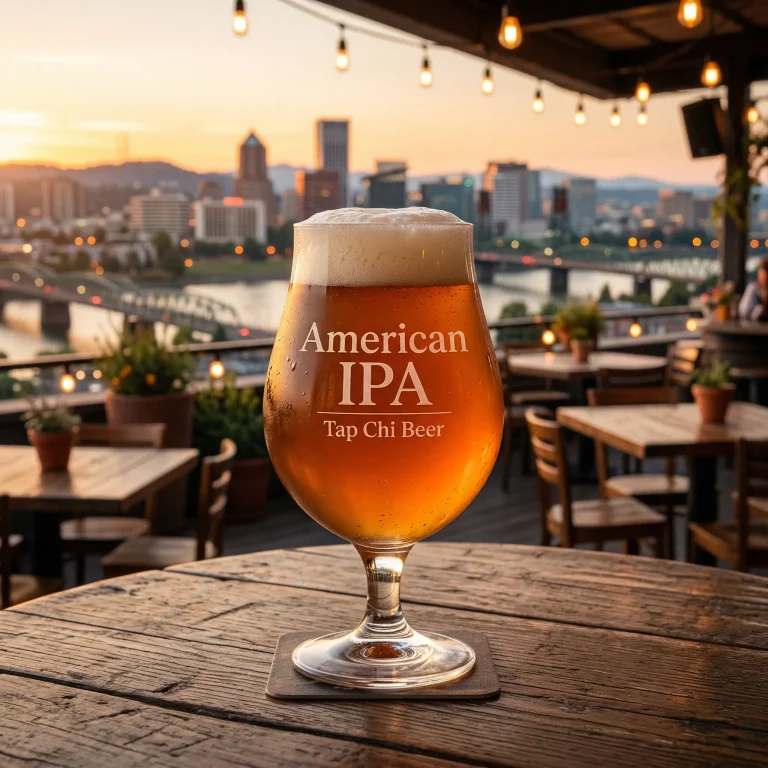
American IPA. The style that defined modern craft beer: clearly bitter, with citrus and pine from American hops and a medium body. The classic place to start exploring IPA.
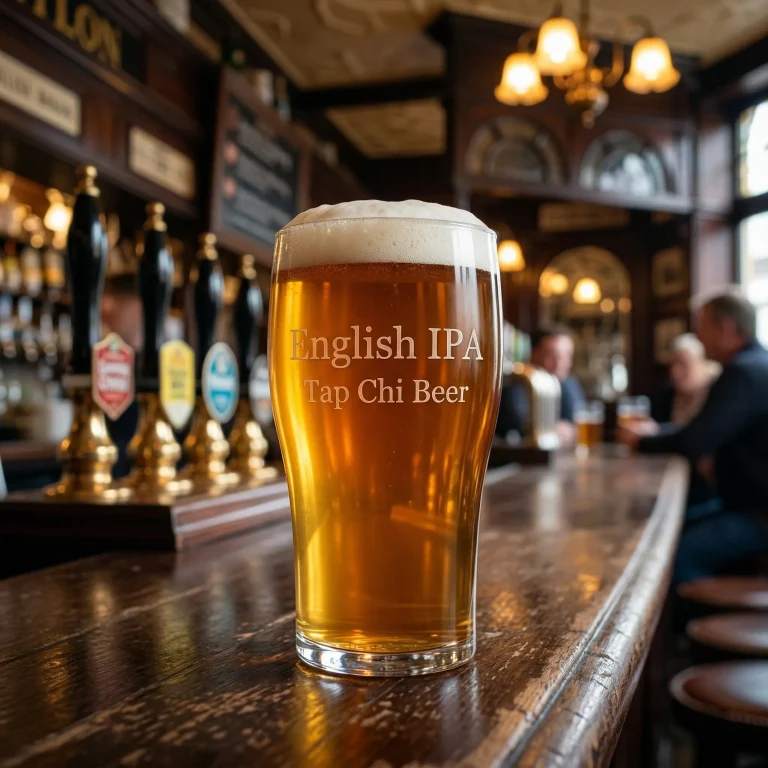
English IPA. IPA in the traditional British manner. Gentler hops (Fuggles, East Kent Goldings), more malt, and more balance than American IPA. Classic through and through.
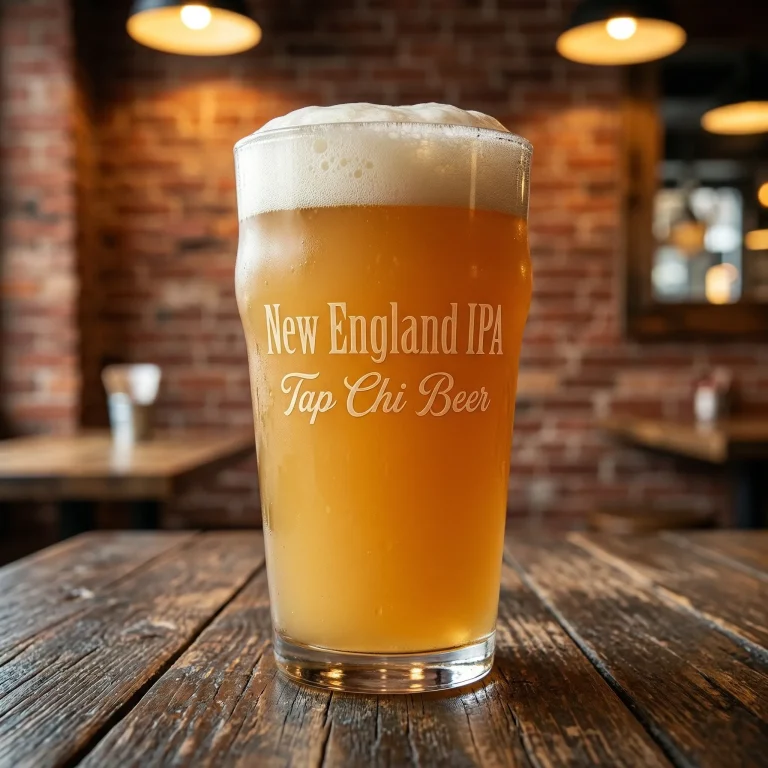
Hazy IPA (New England IPA). A young style, born in Vermont around 2010. Cloudy like orange juice, low in bitterness, with plenty of tropical fruit aroma. Smooth, easy to drink, and currently a global trend.
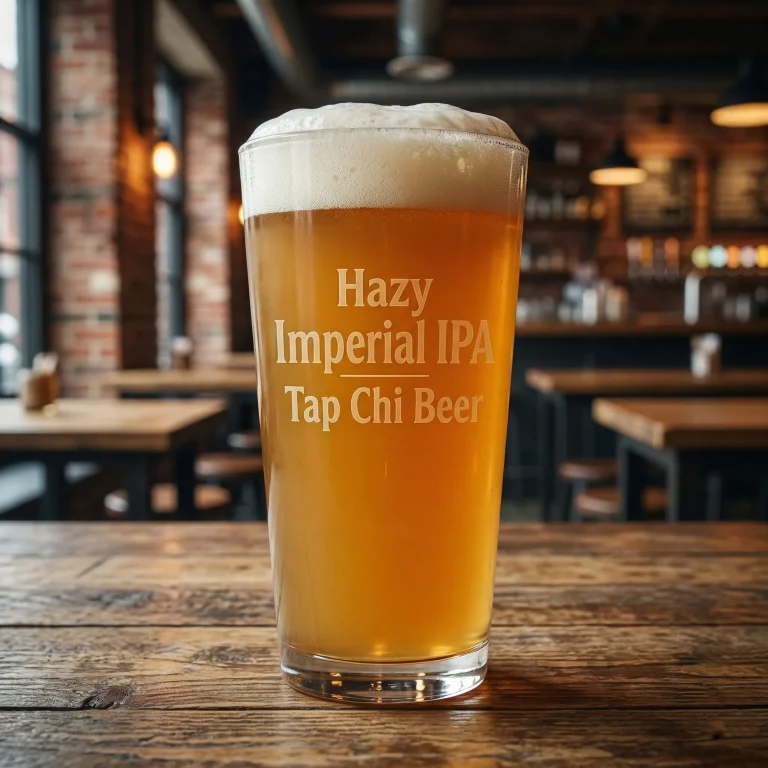
Hazy Imperial IPA. The high-strength version of Hazy IPA. Still cloudy and smooth, but with higher ABV (8–10%) and denser hop aroma. It drinks like spiked fruit juice.
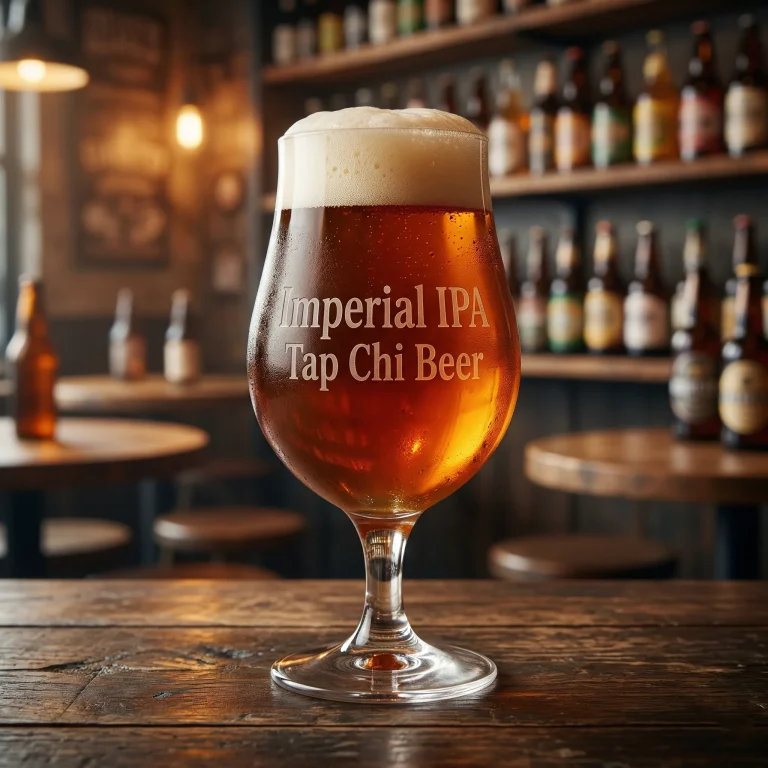
Imperial IPA (Double IPA / DIPA). The “big” version of American IPA. High ABV (8–10%), fierce bitterness, intense hop aroma. One glass is enough for an evening.
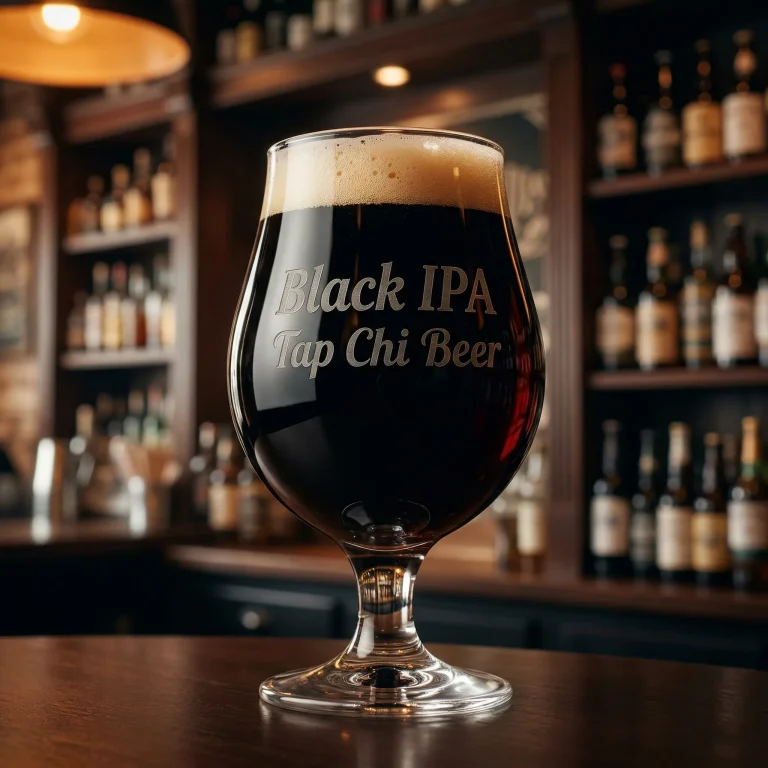
Black IPA. An unlikely combination: black like a stout (from roasted malt), with the bitterness and hop aroma of an IPA. A rule-breaking style for anyone who wants two worlds in one glass.
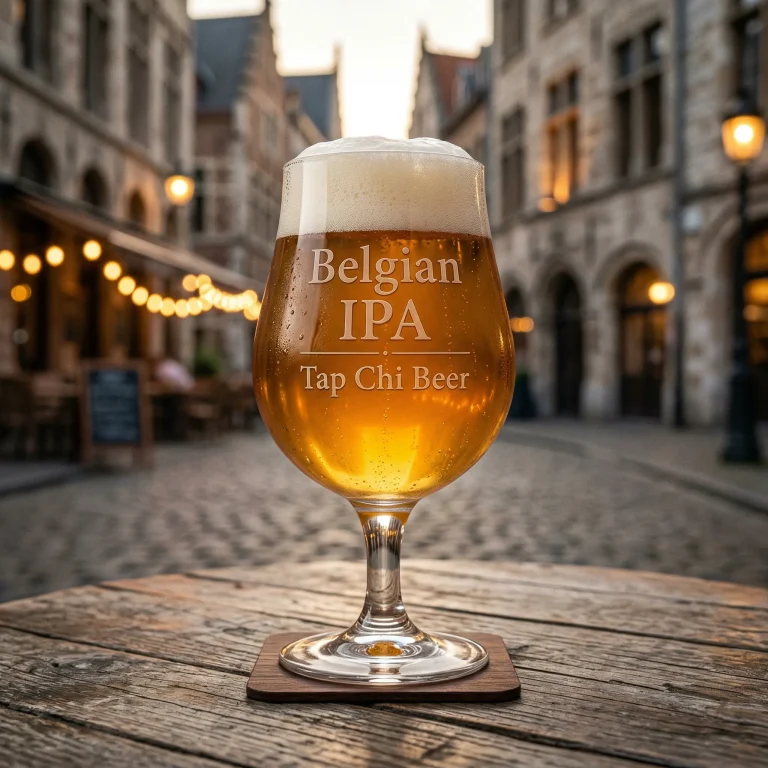
Belgian IPA. IPA the Belgian way, using a characterful Belgian yeast for fruity and spicy notes. American hops meet Belgian yeast, and the result is at once familiar and strange.
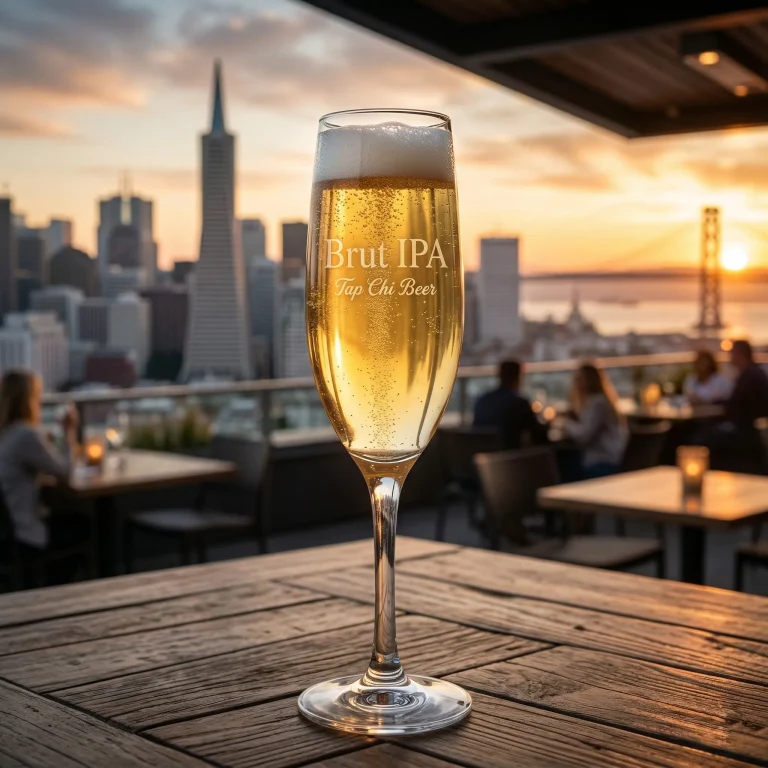
Brut IPA. A new style, born around 2017 in California. Bone-dry (like Champagne), with sweetness close to zero and clear hop character. For drinkers who want no sweetness at all in their beer.
Cold IPA. Newer still (around 2020). Brewed with lager yeast but hopped like an IPA, it comes out clean and dry, with prominent hops and none of the esters an ale yeast would leave.
Milkshake IPA. A Hazy IPA with added lactose (milk sugar) and sometimes vanilla or puréed fruit. Sweet and smooth as a milkshake, for those who don’t like bitterness but still want hop aroma.
IPAs in Vietnam
Of all craft styles, IPA is the one Vietnamese breweries have embraced most eagerly. Nearly every local brewery has at least one IPA on the menu, and many built their reputations on it.
Pasteur Street Brewing’s Jasmine IPA is a prime example: an IPA brewed with Vietnamese jasmine flowers as a tribute to local culture. Heart of Darkness, Te Brewery, and many other breweries have also experimented with Vietnamese hops and local ingredients.
If you are new to IPA, an American IPA or a Hazy IPA from a Vietnamese brewery is a good place to start. Once the bitterness feels familiar, try an Imperial IPA, and you will see why a strong IPA can be an emotional experience.
IVPale Ales: The Classic Branch of the Family
Before IPA took over modern craft beer, another family had defined bitterness in beer for two hundred years: the pale ales.
Pale ale is IPA’s parent; without it, there would be no IPA. Yet in the shadow of its more famous offspring, pale ale is sometimes overlooked, even though it was this group that defined how hops are used in modern beer.
If IPA is hops speaking loudly, pale ale is an even conversation between hops and malt. With moderate bitterness and clear but restrained hop aroma, it suits anyone who wants to explore bitter beer but isn’t ready for the intensity of a modern IPA.
History & Origins
Pale ale appeared in Britain in the early 18th century, when kilning malt over coke, a fuel made by baking coal, made it possible to produce paler malt than before. Until then, most British beer was dark, because malt was dried over wood.
Pale ale was a revolution. For the first time, drinkers could see a beer’s clarity and its handsome copper color. By the middle of the 18th century, Burton-upon-Trent had become the capital of pale ale: the local water is high in sulfates, which sharpen hop character.
English Bitter, the low-ABV, pub-ready form of pale ale, was the drink of Britain’s working class for generations. A pint of bitter after work, under the yellow light of a pub, remains a fixed part of British life.
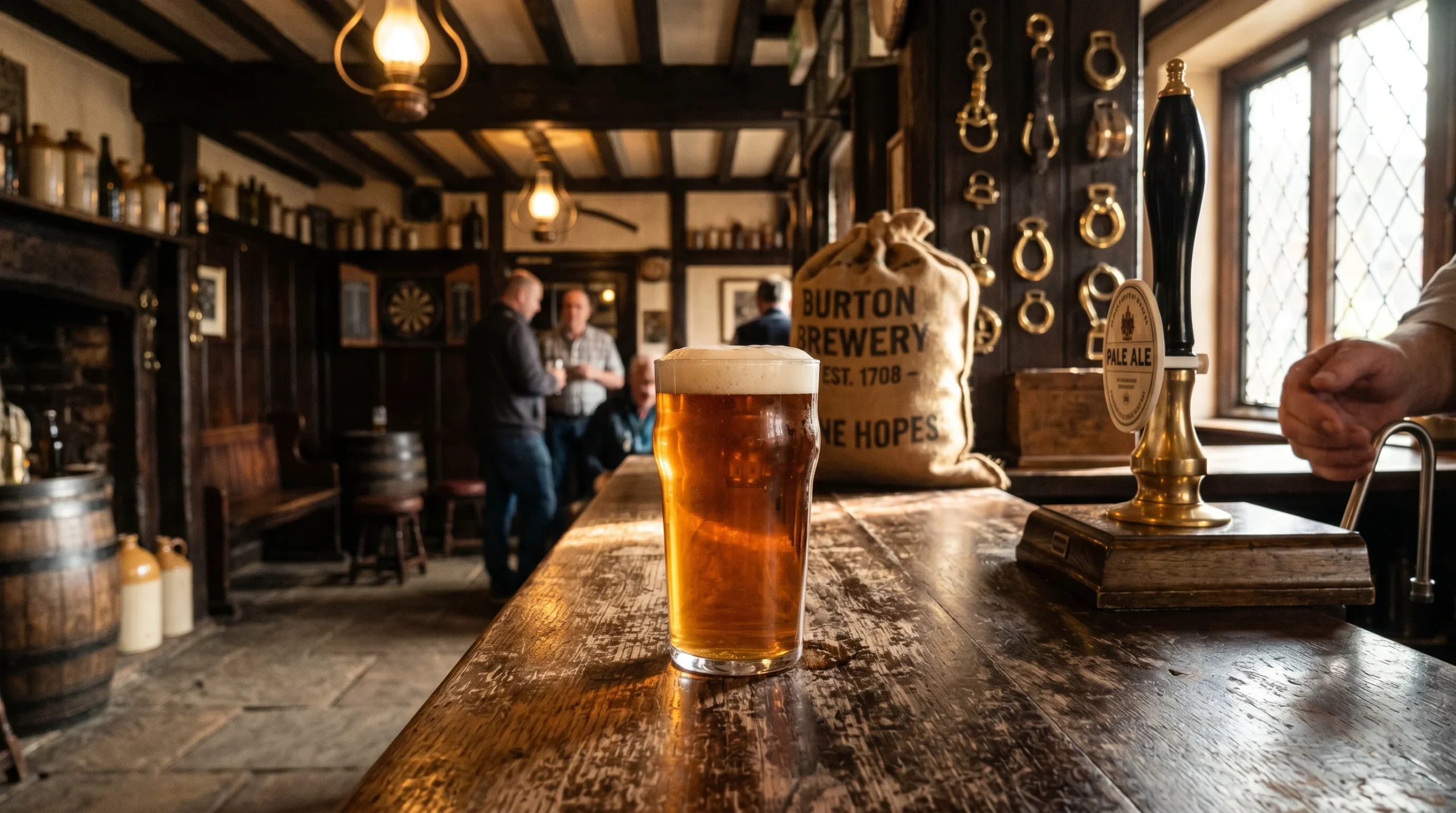
What Pale Ales Have in Common
- Color: Deep gold to light amber (paler than traditional IPA)
- Body: Light to medium
- Main flavors: A balance of hops (orange, floral and grassy notes) and malt (light caramel, biscuit, toast)
- Good for: Newcomers to bitter beer who want clear hop aroma without too much intensity
Pale Ale Styles with Real Bitterness
English Pale Ale. The traditional British pale ale. Pronounced malt with caramel and biscuit, and gentle English hops (Fuggles, East Kent Goldings) for light bitterness and a floral, grassy aroma. This is the original style from which every other pale ale developed.
English Bitter. The pub version of pale ale. Low ABV (3–4.5%) and moderate bitterness, served at cellar temperature, 12–14 °C (54–57 °F), through a traditional hand pump. Britain’s classic session beer: you can drink several without getting drunk or growing tired of it.
Extra Special / Strong Bitter (ESB). The stronger version of English Bitter. Higher ABV (5–6%), richer malt, and bolder hops, while keeping the balance typical of the British tradition. Strong, yet still elegant.
American Pale Ale. The American take on English Pale Ale. Bolder American hops (Cascade, Centennial) bring distinct citrus and pine. This is the style that opened the way for the American craft beer revolution of the 1980s and ’90s, before American IPA took over.
Hazy Pale Ale. A cloudy version of American Pale Ale, inspired by Hazy IPA. A softer body, more tropical fruit, and less bitterness than the clear version. A young style, and a popular one.
Pale Ales in Vietnam
Pale ales are less common than IPA on Vietnamese craft beer menus. Most local breweries concentrate on IPA, a heavily hopped style that is easy to market to new craft drinkers.
English Bitter and ESB, though, are a missed opportunity. Low in alcohol and balanced, they suit the long drinking sessions of Vietnamese beer culture: with a Bitter beside a plate of nem nướng (grilled pork sausage), you can drink 3–4 glasses and stay clear-headed.
If you are moving from mass-market beer to craft and find IPA too bitter and too intense, pale ales are the natural place to start. Begin with an English Pale Ale to taste the classic balance, then try an American Pale Ale to see what changes when American hops take over.
VHow to Enjoy Bitter Beer
Bitter beer calls for a different approach than dark beer. Dark beer invites you to slow down and reflect; bitter beer calls for freshness and energy. Each is rewarding in its own way.
This section covers what is specific to drinking bitter beer. For tasting beer in general, including serving temperature, glassware, pouring technique, tasting method, and food pairing, we have a full guide: How to Savor Beer.
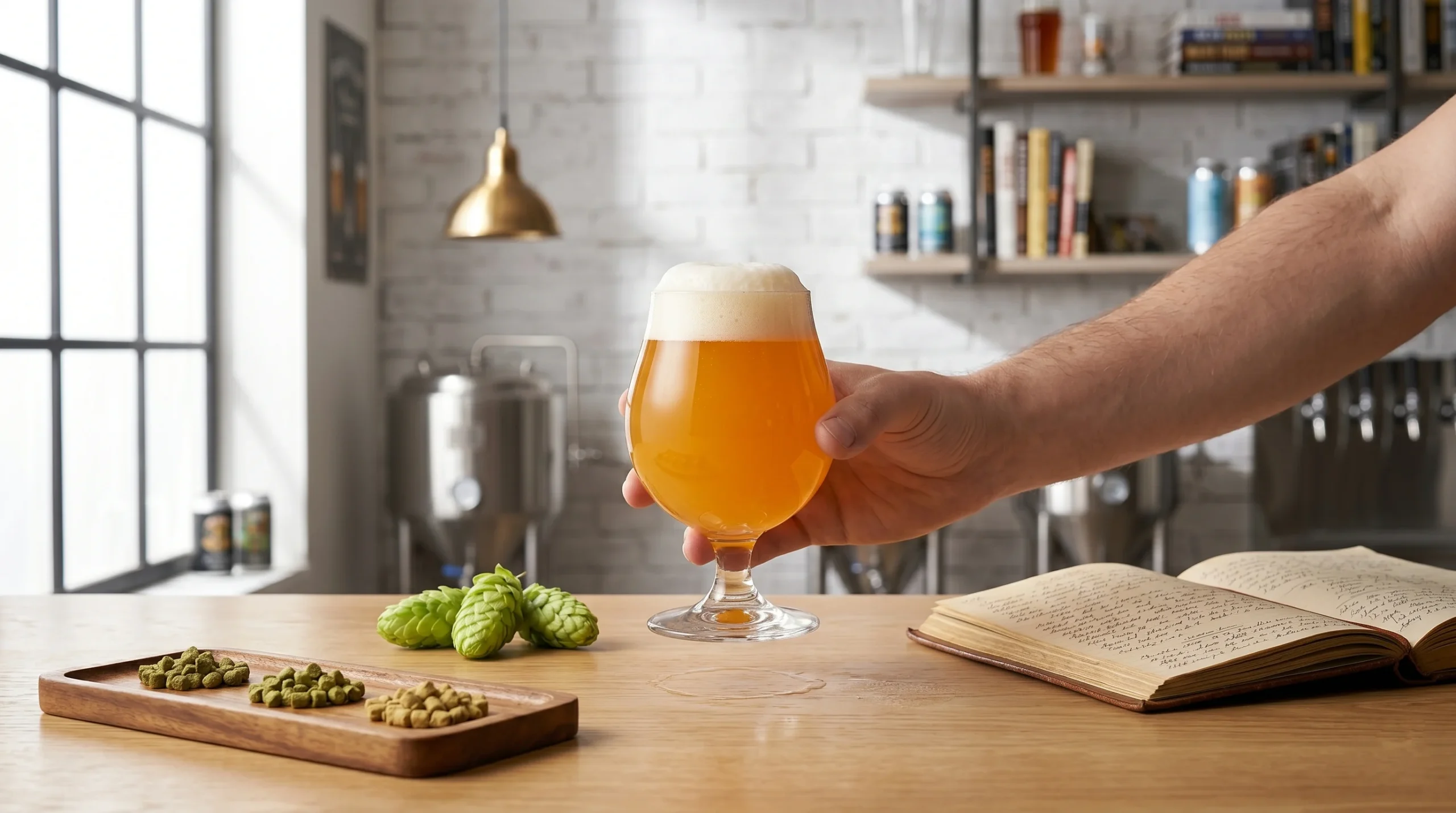
3 Things to Know About Drinking Bitter Beer
1. Drink it fresh, the sooner the better
Hops are the most delicate ingredient in beer. Hop aroma starts to fade as soon as the beer is bottled, especially in Hazy IPA and other hop-forward styles. An American IPA drunk within 1 month of its production date bursts with citrus. The same beer at 6 months has lost most of its aroma, leaving only a dry bitterness.
The rule: always check the production date when buying IPA. The fresher, the better. If a bottle of IPA is 6+ months old, pass it by.
2. Serve it at a moderate temperature
Dark beer wants to be warmer, but bitter beer shows best at 6–10 °C (43–50 °F). Too cold, and it numbs the palate and hides the subtler hop aromas. Too warm, and the bitterness turns harsh and unpleasant.
- Session IPA, pale ales: 6–8 °C (43–46 °F)
- American IPA, Hazy IPA: 7–9 °C (45–48 °F)
- Imperial IPA, ESB: 8–10 °C (46–50 °F)
Take the bottle out of the fridge 5 minutes before drinking: long enough for the aroma to open up while the beer stays cool.
3. Smell the aroma before you drink
Hop aroma is one of the real pleasures of beer. Before drinking, spend 15–20 seconds smelling it:
- Citrus and grapefruit (from American hops such as Citra and Centennial)
- Pine and resin (from Cascade and Chinook)
- Tropical fruit such as mango, pineapple, and lychee (from Mosaic and Galaxy)
- Floral, grassy, and earthy notes (from English hops such as Fuggles and Goldings)
- Pine needles and white grapes (from New Zealand hops such as Nelson Sauvin)
Every hop variety has its own character. Learning to recognize them will change the way you drink beer for good.
VIHow to Enjoy Bitter Beer
Bitter beer calls for a different approach than dark beer. Dark beer invites you to slow down and reflect; bitter beer calls for freshness and energy. Each is rewarding in its own way.
This section covers what is specific to drinking bitter beer. For tasting beer in general, including serving temperature, glassware, pouring technique, tasting method, and food pairing, we have a full guide: How to Savor Beer.
3 Things to Know About Drinking Bitter Beer
1. Drink it fresh, the sooner the better
Hops are the most delicate ingredient in beer. Hop aroma starts to fade as soon as the beer is bottled, especially in Hazy IPA and other hop-forward styles. An American IPA drunk within 1 month of its production date bursts with citrus. The same beer at 6 months has lost most of its aroma, leaving only a dry bitterness.
The rule: always check the production date when buying IPA. The fresher, the better. If a bottle of IPA is 6+ months old, pass it by.
2. Serve it at a moderate temperature
Dark beer wants to be warmer, but bitter beer shows best at 6–10 °C (43–50 °F). Too cold, and it numbs the palate and hides the subtler hop aromas. Too warm, and the bitterness turns harsh and unpleasant.
- Pale ales, English Bitter: 6–8 °C (43–46 °F)
- American IPA, Hazy IPA: 7–9 °C (45–48 °F)
- Imperial IPA, Hazy Imperial IPA: 8–10 °C (46–50 °F)
Take the bottle out of the fridge 5 minutes before drinking: long enough for the aroma to open up while the beer stays cool.
3. Smell the aroma before you drink
Hop aroma is one of the real pleasures of beer. Before drinking, spend 15–20 seconds smelling it:
- Citrus and grapefruit (from American hops such as Citra and Centennial)
- Pine and resin (from Cascade and Chinook)
- Tropical fruit such as mango, pineapple, and lychee (from Mosaic and Galaxy)
- Floral, grassy, and earthy notes (from English hops such as Fuggles and Goldings)
- Pine needles and white grapes (from New Zealand hops such as Nelson Sauvin)
Every hop variety has its own character. Learning to recognize them will change the way you drink beer for good.
VIIPairing Bitter Beer with Vietnamese Food
Pairing bitter beer with Vietnamese food is wide, promising territory. Dark beer suits rich, slow-cooked dishes; bitter beer is at its best with fried, spicy, and oily food, because hops are natural palate cleansers.
Here are some pairings worth trying.
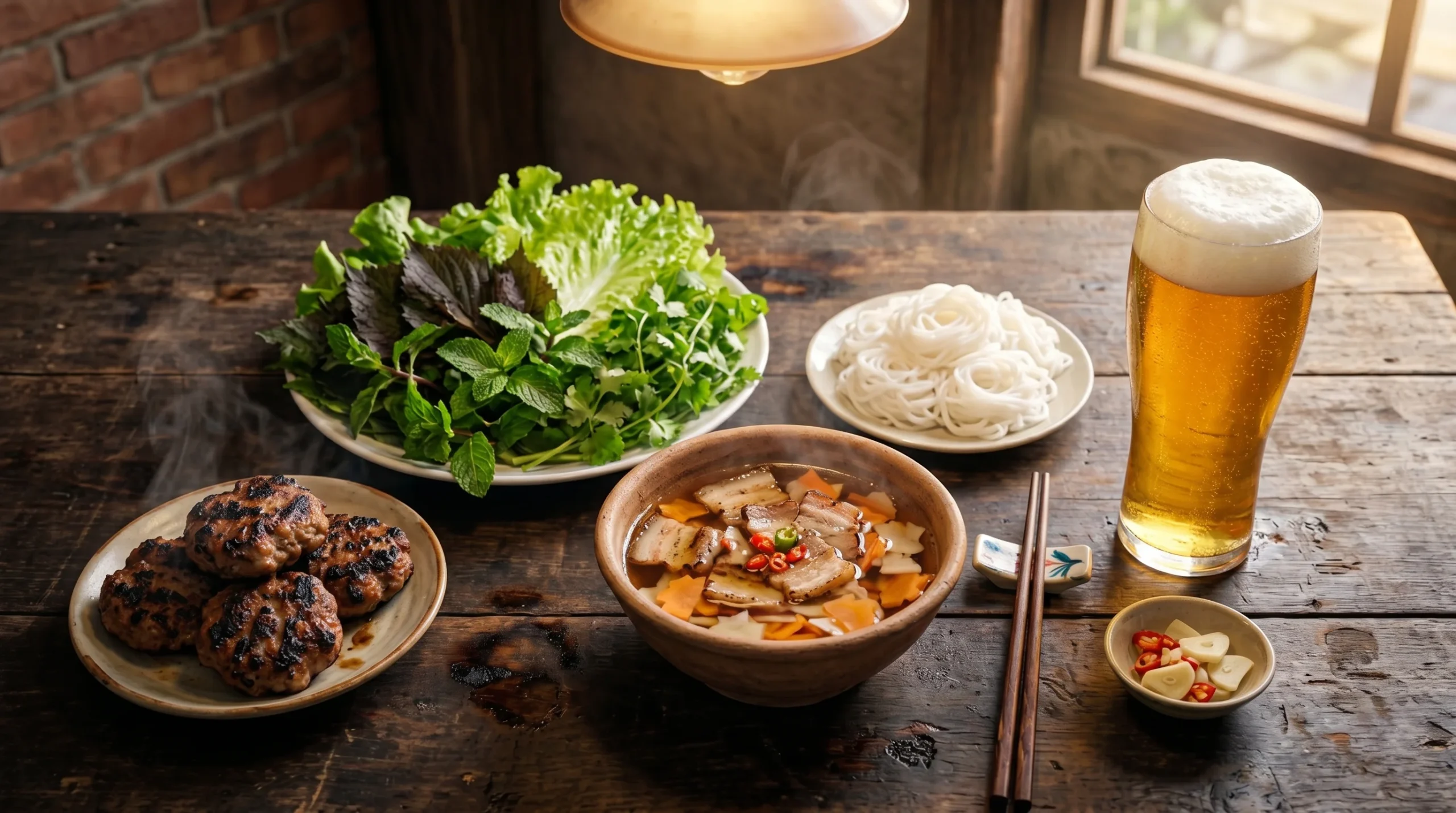
Bún Chả + American IPA
This may be the most satisfying match of bitter beer and Vietnamese food. Bún chả (grilled pork with rice noodles, a Hanoi specialty) rests on three contrasting parts: fatty grilled pork, a sweet-and-sour dipping sauce, and cool, fresh herbs. An American IPA, with its citrus aroma and clear bitterness, connects all three.
The citrusy hops lift the sweet-sour sauce. The bitterness resets the palate between bites of fatty pork. The light body leaves the herbs their freshness. Every element stays in balance.
What to pour: American IPA or Hazy IPA.
Fried Chicken Wings + Imperial IPA
Crisp, oily fried food with a powerful Imperial IPA is a long-standing American combination, and it works just as well with Vietnamese fried chicken wings.
The fierce bitterness of an Imperial IPA cuts decisively through the oil. Citrusy hops add another dimension to the wings, and the high ABV matches the intensity of boldly seasoned fried food.
For spicy wings in particular, whether glazed with nước mắm (Vietnamese fish sauce), garlic, and chili or coated in hot sauce, Imperial IPA is one of the safest choices: its bitterness and high alcohol both help calm the heat.
What to pour: Imperial IPA or Hazy Imperial IPA.
Bánh Xèo + Hazy IPA
Bánh xèo (crisp Vietnamese rice crêpe) is a complex mix: crisp batter, shrimp and pork, bean sprouts and scallions, fresh herbs wrapped in mustard greens, and a sweet-and-sour nước mắm dip. A Hazy IPA, smooth and full of tropical fruit, covers that whole spectrum without overpowering any part of it.
Its soft body complements the crêpe’s batter. Mango and pineapple notes brighten the fresh herbs, and moderate bitterness tempers the sweetness of the nước mắm.
What to pour: Hazy IPA, or Milkshake IPA if the bánh xèo comes with plenty of sweet toppings.
Chicken Phở + English Pale Ale
Chicken phở (Vietnamese rice noodle soup) is lighter than the beef version, with a clean fragrance of herbs and ginger. An English Pale Ale, low in alcohol and gently hopped, keeps it company without overwhelming the delicate broth.
It is also a good morning pairing. With its moderate ABV, an English Pale Ale offers real hop character without making you tipsy early in the day. Call it a civilized craft beer breakfast.
What to pour: English Pale Ale or English Bitter.
Spicy Grilled Food (Ribs, Chicken Grilled with Mắc Mật Leaves) + American IPA
Grilled food rubbed with hot spices is among the hardest Vietnamese fare to pair with beer. When the heat runs high, a light lager can’t stand up to it, and a dark beer is so rich it buries the spices. American IPA strikes the balance.
Its pronounced bitterness tames the heat. Pine and citrus from Cascade and Centennial hops resonate with the grilling spices: mắc mật, a citrus-scented leaf; mắc khén, a wild mountain pepper; and ginger. The moderate ABV brings some warmth without weighing the meal down.
What to pour: American IPA or English IPA.
Gỏi Cuốn, Bánh Cuốn + Belgian IPA
Light, fresh steamed dishes such as gỏi cuốn (Vietnamese fresh spring rolls) and bánh cuốn (steamed rice rolls) meet Belgian IPA here, in an unusual but graceful match. Belgian yeast brings fruity, lightly spicy notes that suit the fresh herbs and the sweet-and-sour nước mắm, while the hops add a moderate bitterness that never overpowers the delicacy of the steamed dishes.
This one is for drinkers who already know their way around craft beer and want to try a less expected pairing.
What to pour: Belgian IPA or Belgian Pale Ale.
Grilled Seafood (Shrimp, Squid, and Fish) + Brut IPA
Brut IPA is extremely dry, close to Champagne, which makes it an elegant choice for grilled seafood. Its dryness never masks the natural sweetness of the seafood, its clear hop character lifts the flavors of the sea, and its clean finish leaves no heavy aftertaste.
With shrimp grilled with salt and chili, or squid grilled with sa tế (Vietnamese chili-lemongrass oil), Brut IPA makes one of the most refined pairings on the table.
What to pour: Brut IPA.
Strong Cheese, Tapas, and Cured Meats + English Bitter
With clear malt and balanced hops, English Bitter is an ideal partner for hard cheeses (cheddar, Parmesan), cured meats (sausage, ham), and tapas. Its caramel malt brings out the umami in the cheese, and its moderate bitterness refreshes the palate from one bite to the next.
It also suits a relaxed evening. A moderate-strength Bitter, sipped slowly over a spread of tapas, is a ritual all its own.
What to pour: English Bitter or English Pale Ale.
Bún Bò Huế + Black IPA
Bún bò Huế (spicy beef noodle soup from Hue) runs at full intensity: hot, salty, deep in umami from mắm ruốc (fermented shrimp paste), and driven by beef. Black IPA is an unconventional answer. Its IPA bitterness and hop aroma meet the heat, and its roasted malt deepens the meat and the bold spices.
It breaks the rules, yet the fit is remarkably close, especially for anyone who loves both dark beer and bitter beer.
What to pour: Black IPA.
Don’t Be Afraid to Experiment
Pairing bitter beer with Vietnamese food is still in its early days, and you may find a great match no one has thought of yet. Chả giò (Vietnamese fried spring rolls) with a Hazy Pale Ale? Cơm tấm (broken rice with grilled pork, a Saigon staple) with an American Pale Ale? A grilled-pork bánh mì (Vietnamese baguette sandwich) with an English IPA?
The only rule: hops + fat + bold spices usually work. Beyond that, experiment, and let your palate decide.
VIIINew to Bitter Beer? Where to Start
To a newcomer, bitter beer can feel like a wall. The misconception about dark beer is that it is “too heavy”; the one about bitter beer is blunter: “too bitter.” An Imperial IPA at 70+ IBU can be a shock to an unaccustomed palate, its bitterness as fierce as a dose of herbal medicine.
That is why the order of exploration matters. Follow the right route and bitterness gradually becomes a pleasure, even something to look forward to. Take things in the wrong order and you may decide you “don’t like IPA” and miss out on an entire world.
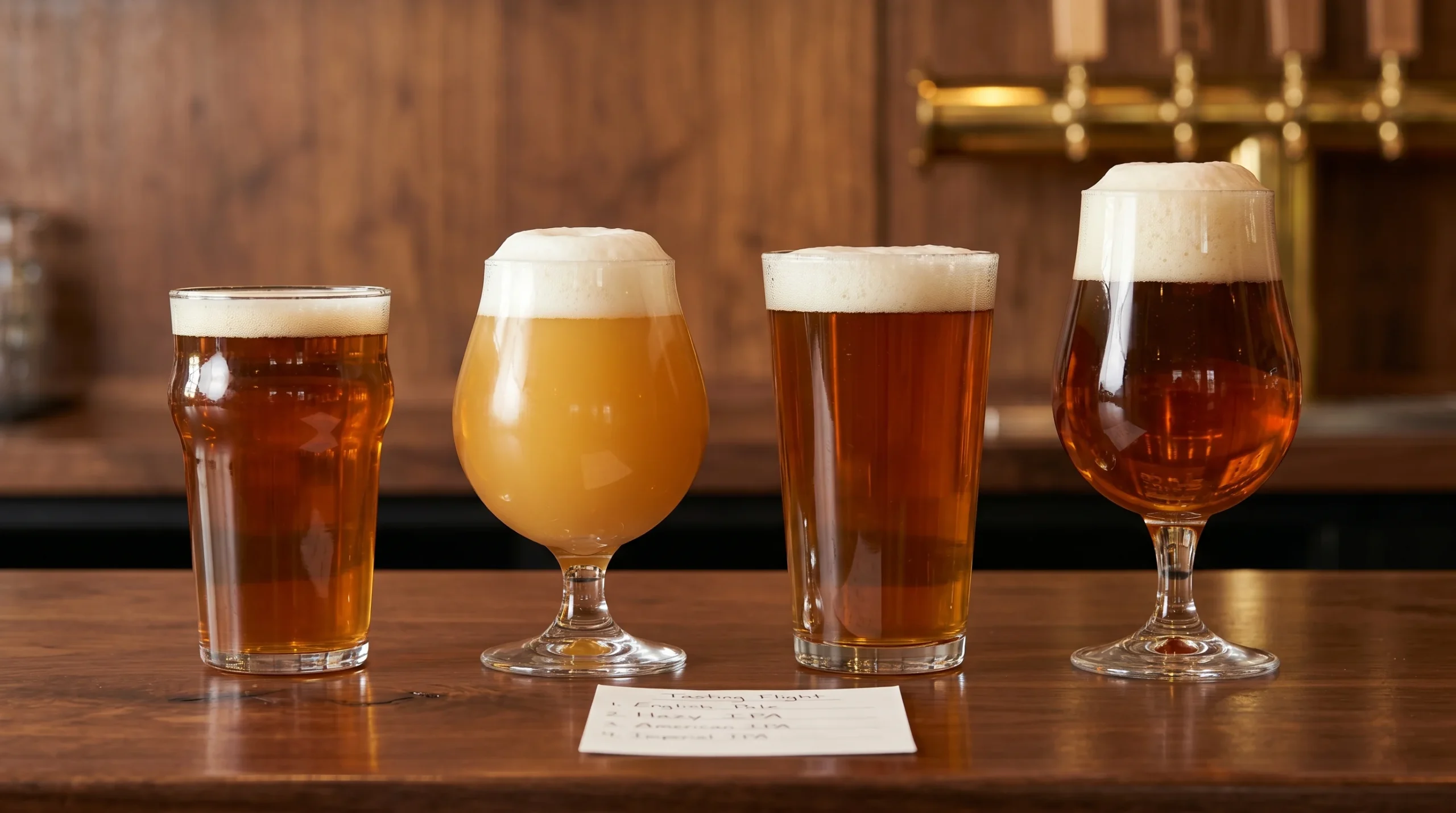
A 4-Step Route for Newcomers
Step 1: Start light with pale ales
Begin with an English Pale Ale or an American Pale Ale. Their hops are distinct but balanced by malt, with moderate bitterness and soft citrus or floral, grassy aromas. You get to know what “hoppy” means without being flattened by intensity.
The reaction after the first glass: “Oh, so bitterness can be this pleasant.”
Step 2: Move on to easy-drinking IPAs
Once pale ales feel familiar, move to a Hazy IPA or a Milkshake IPA. These IPAs have a body as smooth as orange juice, less bitterness than traditional IPA, and pronounced tropical fruit aroma.
This is also when you start to notice how hop varieties differ: Citra brings mango, Mosaic lychee, Galaxy pineapple. A wide range of flavor, all from small flowers.
Step 3: Explore American IPA
Now you are ready for American IPA, the benchmark of modern craft beer: clearly bitter yet balanced, with citrus and pine from American hops and a full, medium body.
At this stage, branch out into more experimental styles: English IPA (gentle English hops, old-school balance), Belgian IPA (Belgian yeast and its distinctive fruitiness), and Cold IPA (lager yeast for a clean, dry body).
Start pairing with food, too. Every pairing teaches you something about how hops interact with what you eat.
Step 4: Take on the imperials
With a solid foundation, it is time for Imperial IPA and Hazy Imperial IPA. They sit at the top of the bitter-beer scale: fierce bitterness, high ABV, and hop aroma intense enough to make your head spin.
An Imperial IPA is not for drinking fast. Savor it slowly, perhaps over 30–45 minutes, and give each sip time to show what the hops are doing.
As for Black IPA and Brut IPA, these two experimental styles are worth exploring once you have the basics down: one marries dark beer and hops, the other is as dry as Champagne.
Avoid 3 Common Mistakes
1. Starting with an Imperial IPA or a Hazy Imperial IPA
This is the most common mistake. Imperial IPA and Hazy Imperial IPA are the far end of bitter beer, not the starting point. Their fierce bitterness and intense hops can leave a newcomer with a bad impression that lasts. If you don’t like your first IPA, don’t conclude that you “don’t like bitter beer.” Step back to a pale ale or a Hazy IPA.
2. Drinking old IPA
Hops fade fast. A 6-month-old American IPA is no longer really an American IPA, only a bitter beer that has lost its aroma. Always check the production date before buying. If a bottle of IPA is 4+ months old and you are new to the style, pass it by; it won’t show you what the style can really do.
3. Judging by IBU
Many new craft drinkers fixate on IBU (International Bitterness Units), assuming a higher IBU means a “better” or “classier” beer. That misconception does real harm.
A Hazy IPA at 40 IBU can taste less bitter than a Pilsner at 30 IBU, because their malt, sweetness, and body differ. IBU is a measurement, not an experience. Judge a beer with your palate, not by a number.
A Final Word: Give Hops Time
Bitterness is a learned taste, not an innate one. Children dislike it because, biologically, bitterness signals that a food may be toxic. To enjoy it, the palate needs time to adapt.
If your first IPA seems “hard to drink,” that is normal. Try again in a few weeks. Start light and work your way up. Drink it with food to soften the bitterness.
After 3–6 months of patient exploring, something surprising happens: bitterness stops being a barrier and becomes part of the pleasure. You start to crave hops. You can tell Citra from Mosaic, Cascade from Centennial.
That is when you have truly entered the world of bitter beer.
IXSumming Up: Bitter Beer Beyond IPA
This guide began with a simple question: “Is bitter beer just IPA?”
By now, the answer should be clear.
Bitter beer spans 15 styles: from a low-ABV English Bitter you can drink all night to a powerful Hazy Imperial IPA, of which one glass makes an evening; from the measured English Pale Ale to the modern, Champagne-dry Brut IPA.
Among them:
- India Pale Ales are the core: 10 varied styles, from English tradition to American revolution, that define modern craft beer
- Pale ales are the ancestors: 5 bitter styles that balance hops and malt, and a gentle way in for newcomers
Every style has its own story and every hop variety its own character, and each glass teaches the palate a little more about bitterness.
A Parting Thought
In Vietnamese drinking culture, “bitter” is usually counted as a flaw. Vietnamese palates love sweetness, umami, and salt; bitterness stands apart and is rarely celebrated.
Work through every style in this guide, though, and you find the opposite: bitterness may be one of the most complex and varied tastes in beer.
Not because it is fierce, and not because it is “hard to drink,” but because it is the only taste the palate has to learn, with patience and time. Once it has, the reward is all the flavor those small hop cones can give.
“The more bitter, the better” is no paradox. It is where a patient palate arrives.
Bitterness is not something to endure. It is something to understand.
Mentioned in this article
and 7 more linked in the text
Originally published in Vietnamese on Tạp Chí Beer.