WLP001 California Ale: The Yeast That Shaped American Craft Beer
WLP001 California Ale is the cleanest of American ale yeasts and the foundation of thousands of IPA and pale ale recipes, from Anchor Brewing to today’s craft breweries.
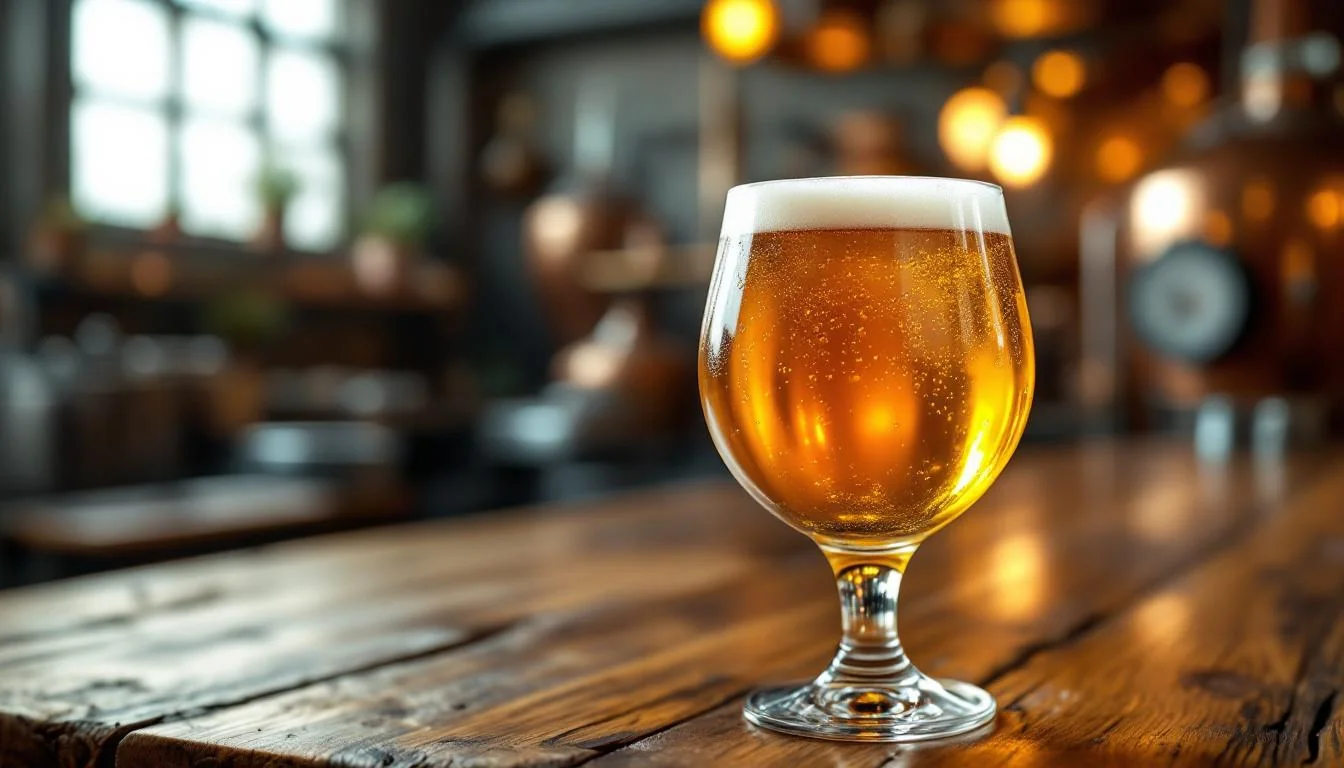
Some yeast strains turn up almost everywhere: in the beer on the bar, in homebrewers’ batches, in the fermenters of craft breweries from San Francisco to Saigon. WLP001 California Ale is one of them, and it shaped an entire movement.
American craft beer usually brings to mind hops, malt, and daring recipes. Behind all of it, working quietly in the dark at 18–21 °C (65–70 °F), is a yeast strain isolated more than four decades ago. Its story begins at the oldest brewery still operating in San Francisco.
IOrigins and History
WLP001 California Ale was not created in a modern lab. It was isolated from Anchor Brewing Company, a San Francisco brewery dating to 1896. When Fritz Maytag bought Anchor in 1965, he rescued a brand from bankruptcy and, with it, a microbiological inheritance.
White Labs, the yeast laboratory based in San Diego, isolated the strain and brought it to market in the early 1990s. Its founder, Chris White, worked at the University of California, San Diego, before starting the company in 1995. He saw that homebrewers and small breweries needed access to high-quality yeast strains, something only large breweries had enjoyed until then.
WLP001 quickly became White Labs’ top-selling strain. The reason is simple: it is clean and reliable, and it lets the malt and hops do the talking. At a time when American craft beer was trying to define itself against bland mass-market lager on one side and the heavily aromatic traditional ales of England on the other, WLP001 was the answer.
The strain is in fact a close relative of Saccharomyces cerevisiae var. diastaticus, but WLP001 itself lacks the STA1 gene, so it does not over-attenuate the way some diastaticus strains do. That matters for controlling final gravity.
From San Francisco, WLP001 spread across the United States and then the world. Sierra Nevada, Stone Brewing, Ballast Point, and many other landmark breweries have used this strain or close variants of it. It became the default house yeast of the American craft beer movement.
IIBiological Profile
WLP001 belongs to Saccharomyces cerevisiae, the same species as baker’s yeast, though it has been selected over centuries for brewing. It is a classic top-fermenting ale yeast, working in the upper layer of the wort during active fermentation.
The ideal fermentation range is 18–21 °C (65–70 °F). Cooler, around 15–17 °C (59–63 °F), the yeast turns out a very clean profile, close to a lager. Above 22 °C (72 °F), light esters begin to appear, though never as dominant as with English or Belgian yeast.
Attenuation runs 73–80%, medium to high. For a wort at 1.050 OG, that puts final gravity around 1.010–1.014. The beer ends neither too sweet nor too dry.
Flocculation is medium. The yeast drops out once its work is done, though not as quickly as English strains. That helps the beer clear after conditioning while leaving enough yeast in suspension to finish fermentation completely.
Alcohol tolerance reaches 10–12% ABV, enough for most everyday styles. Stronger batches such as an Imperial Stout or a Barleywine may need a higher pitch rate or a fresh addition of yeast late in fermentation.
IIIFlavor and Character
If one word had to describe WLP001, it would be “clean.” Not clean as in flavorless, but clean as in transparent: you look straight through the yeast to the malt and hops beneath.
Its esters are very light, barely noticeable at the optimal fermentation temperature. When they do show, they are faint and fruity, a passing hint of green apple or lightly ripe pear, but never the banana or bubblegum of German wheat beer yeast. This is the strain to choose when you want the hops in charge.
Phenols are all but absent: no clove, no medicinal notes, no smoke. WLP001 does not carry the POF+ (phenolic off-flavor positive) gene, a key difference from Belgian and wheat beer yeasts.
Structurally, WLP001 gives a medium body with a moderately dry finish. There is no significant sulfur, and no diacetyl if fermentation goes properly. If diacetyl does appear, as butter or rich butterscotch, it signals an incomplete fermentation or swinging temperatures.
What sets WLP001 apart is how it puts the hops forward. In a pale ale or IPA, each layer comes through in full: citrus from Citra, pine and resin from Simcoe, tropical fruit from Mosaic. The yeast does not crowd in or compete. It stays out of the way of the ingredients.
IVClassic Styles for WLP001
WLP001 is the backbone of the American IPA, from the traditional West Coast IPA to its modern variations. Drink a West Coast IPA with forest pine, grapefruit peel, and a dry, bitter finish, and there is a good chance WLP001 or one of its relatives is working behind it.
American Pale Ale
This is the style WLP001 was made for. Sierra Nevada Pale Ale, perhaps the most famous American craft beer, uses a strain with a similar profile. Light caramel malt balanced against citrusy hops, with a clean finish that carries no sweetness: that is the signature of an American Pale Ale fermented with California yeast.
West Coast IPA
This school of IPA prizes dryness, bitterness, and vivid hop aroma, and WLP001 allows all three. High attenuation gives a lean body, the clean profile leaves room for the hops, and the dry finish invites the next sip. Stone IPA, Ballast Point Sculpin, and Russian River Blind Pig all belong to this school.
American Amber / Red Ale
WLP001 also handles more malt-forward styles well. It lets the caramel and toffee of crystal malt come through while keeping the finish clean. New Belgium’s Fat Tire Amber Ale is a textbook example.
American Blonde Ale and Cream Ale
In lighter styles, WLP001 produces a neutral, easy-drinking profile. A blonde ale fermented with it can win over people new to craft beer: not too complex, not too bland.
VGeography and Terroir
It is no accident that this yeast came from California. The San Francisco Bay Area, home to Anchor Brewing, has a Mediterranean climate: dry summers, wet winters, and mild temperatures year-round. Before modern temperature control, that made it ideal for fermenting ales at room temperature.
This is not terroir in the traditional sense that applies to wine or coffee, since yeast can be cultured and shipped anywhere. What defines the California character is a brewing philosophy: fresh ingredients first, hops above all, and the yeast in the background.
The American craft beer movement began in California in the 1970s and ’80s. Anchor, Sierra Nevada, and the other pioneers were all there. They needed a yeast that matched their vision: beer distinct from mass-market lager, without copying English or German beer. WLP001, or the original strain from Anchor, became the solution.
Today WLP001 is used worldwide, from craft breweries in Tokyo to homebrewers in Hanoi, and geography no longer limits it. Yet every batch made with it still connects to a tradition: that of the people who built American craft beer from nothing.
VIHow to Recognize It in the Glass
When you hold a beer fermented with WLP001, don’t look for the yeast’s aroma. Look for its absence.
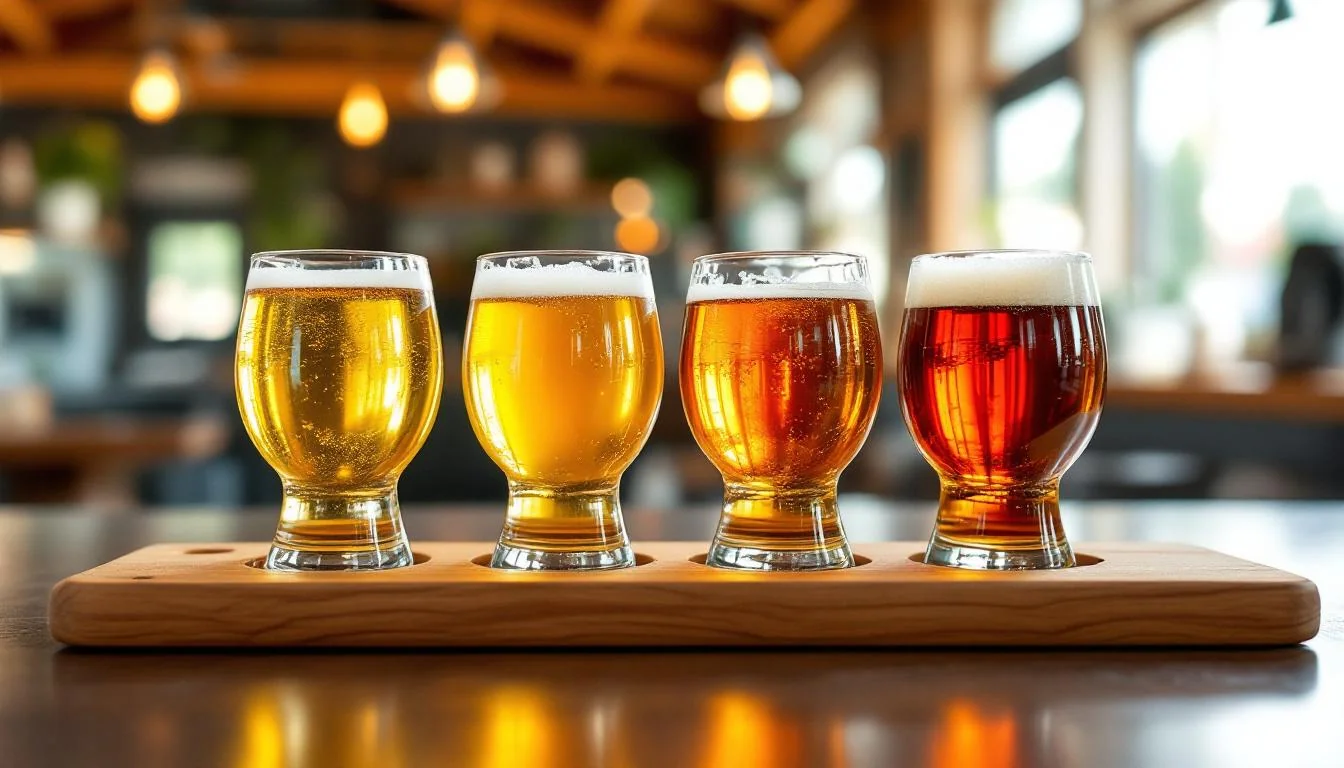
Raise the glass to your nose. Clear hop aroma (citrus, pine, tropical fruit) with no banana, clove, or butter getting in the way is the first sign. The malt may come across as bready, lightly caramel, or biscuity, but always clean, with no sulfur or phenols.
As you drink, pay attention to the finish. WLP001 leaves a finish that runs from dry to medium, with no lingering sweetness. The body is medium, neither too full nor too thin, and carbonation is usually moderate, which keeps the beer tasting fresh.
In an IPA or pale ale, the bitterness will be clean and long but not harsh. The hops are the star; the yeast is the stage. That is the philosophy of California Ale: a good yeast is one you never notice.
Not everything in beer can be measured in IBU or ABV. WLP001’s lesson is that sometimes the most important role is knowing when to step back. The next time you lift a West Coast IPA, spare a thought for the yeast that did its work unnoticed, with nothing to show for it but a clean sip of beer, exactly as it should taste.
Mentioned in this article
-
Beer O L O G Y
The World of Bitter Beer Begins with IPA
Originally published in Vietnamese on Tạp Chí Beer.