Brettanomyces: The Wild Yeast That Takes Its Time
Brettanomyces, a wild yeast from Belgium, is behind some of the world’s most complex sour beers. Once seen as a spoiler, it is now a yeast brewers will wait years for.
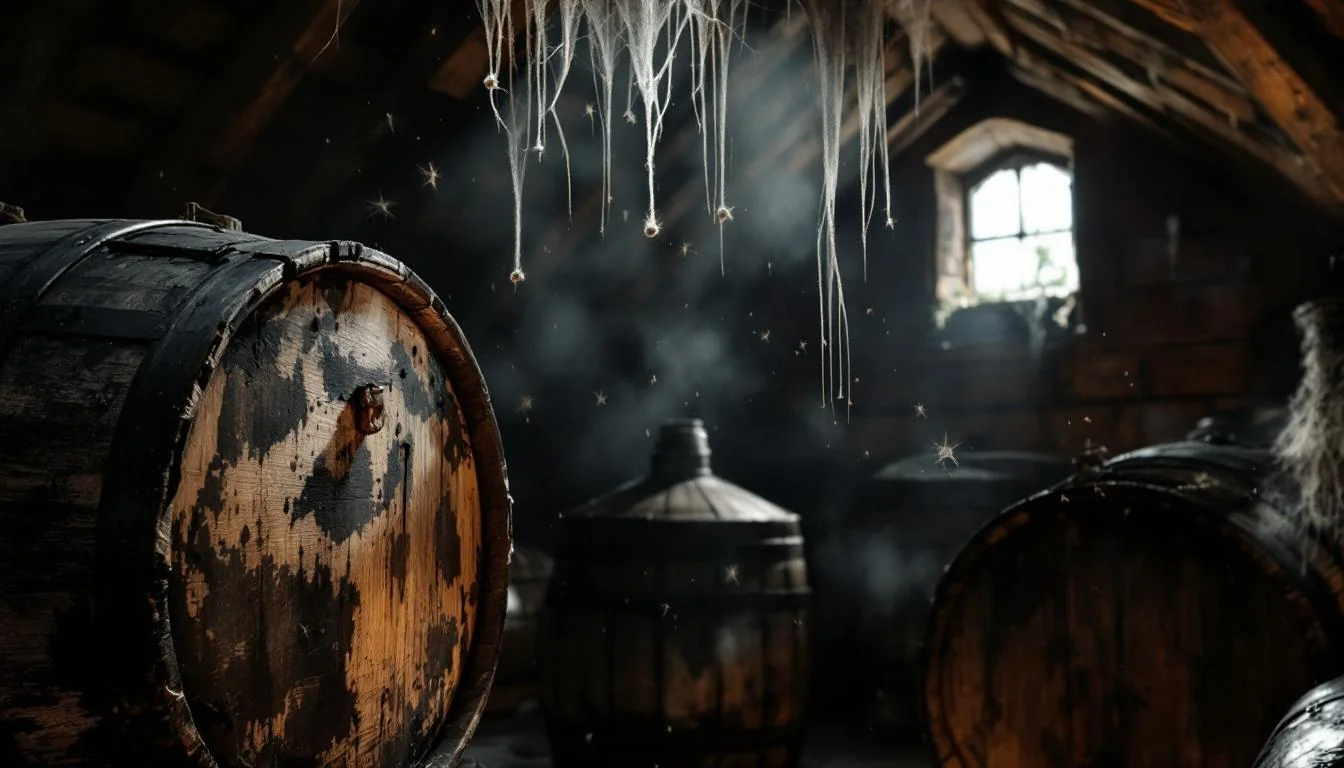
Some things in beer are not meant to be rushed, and Brettanomyces is one of them. It does not ferment in weeks; it needs months, sometimes years, to finish its work.
Stranger still, for hundreds of years no one knew it existed. People knew only that beer left in old wooden barrels in the Pajottenland slowly turned sour, smelling of leather and overripe fruit. They called it the magic of the air, of time, of something unseen.
IFrom Spoiler to Artist
In 1904, a Danish scientist named Niels Hjelte Claussen was working at the Carlsberg laboratory in Copenhagen. He was given a simple task: find out why British beer developed strange flavors after it was bottled and shipped by sea.
Ales shipped from Burton-upon-Trent to the tropical colonies often arrived smelling nothing like they had at the brewery. Not spoiled, just different. Some people hated it. Some got hooked.
Claussen found the culprit under the microscope, a yeast no one had recorded before. He named it Brettanomyces, “British yeast,” believing it was peculiar to British beer. He was partly wrong. Brett, as brewers call it, does not belong to Britain. It belongs wherever beer ferments spontaneously.
IIFrom the Senne Valley to the Modern Lab
Brettanomyces found its true home not in Britain but in the Senne Valley, southwest of Brussels, birthplace of Belgian Lambic, the oldest beer style still brewed in Europe.
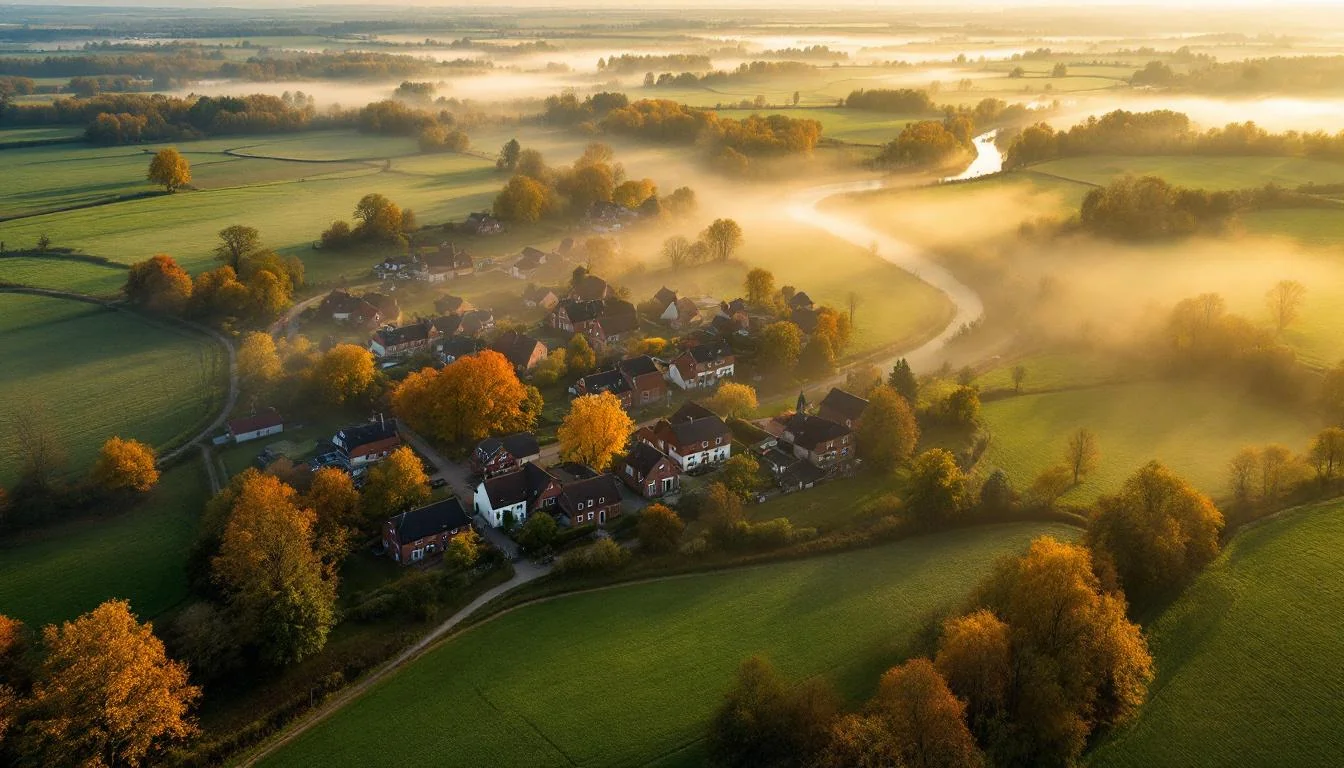
At breweries such as Cantillon, Boon, and Drie Fonteinen, no yeast is added. The wort is left to cool overnight in a broad, shallow vessel called a koelschip. The night air carries hundreds of kinds of microorganisms, and Brettanomyces is among them.
In 1889, the Dutch microbiologist Martinus Beijerinck first described the species under the name Torula. But it was Claussen’s 1904 study that formally gave Brettanomyces its name. He isolated it from British beer, and later research confirmed its presence in Belgian beer, wine, and cider, and even on the skins of fruit.
The Main Species in Beer
Brettanomyces bruxellensis, the most common species and named after Brussels, is the backbone of Lambic and Gueuze. It produces acetic acid, leather aromas, and a bone-dry finish. Brettanomyces anomalus tends to give more tropical-fruit esters. Brettanomyces lambicus, despite a name that recalls Lambic, is uncommon in modern production.
Brett is not confined to Belgium. Researchers have found wild strains in California, in France’s Jura region, and in vineyards and orchards around the world. But it was Belgian brewers who turned a spoilage yeast into a tool of their craft.
IIIThe Biology of a Slow Yeast
The genus Brettanomyces belongs to the family Saccharomycetaceae, the same family as Saccharomyces cerevisiae, the ordinary ale yeast. Yet the two work in completely different ways.
Saccharomyces is a sprinter. It consumes the simple sugars, maltose and glucose, within a few days to a few weeks, then goes dormant. Brettanomyces is a marathon runner. It starts slowly, sometimes becoming active only after Saccharomyces has left the field. But it can do something Saccharomyces cannot: break down more complex sugars, the dextrins that ordinary yeast leaves behind.
Brett is flexible about fermentation temperature, usually working at 15–27 °C (59–81 °F), and it can survive far colder conditions. At Cantillon, spontaneous fermentation follows the seasons, cool in winter and warming through spring, and Brett adapts to all of it.
One important trait: in the presence of oxygen, Brett produces both acetic and lactic acid. That is why beer fermented in wooden barrels, where oxygen seeps slowly through the grain, has a characteristic sourness that a sealed steel tank cannot reproduce.
IVThe Flavors of Brett
Brett is hard to describe, not for lack of character but because its character is so broad and depends so much on conditions.
At low levels, Brett brings tropical fruit: pineapple, mango, ripe papaya. Esters such as ethyl caproate and ethyl caprylate produce these notes. That is why many modern craft brewers use Brett as a seasoning, adding a layer of complexity without making the beer too “wild.”
At higher levels, Brett starts producing 4-ethylphenol and 4-ethylguaiacol, the compounds behind aromas of leather, horse stable, and horse sweat. It does not sound appealing. In the right beer, at the right concentration, these aromas give a depth nothing else can supply. That is why people call Brett “funky.”
Then there is dryness. Brett eats whatever Saccharomyces leaves behind, so the beer can reach nearly 100% attenuation. No residual sugar, no sweetness. Only the bones remain: the bare structure of malt and hops, dressed by acid and esters.
VBeer Styles Shaped by Brett
Lambic is the natural home of Brettanomyces. This sour beer is 100% spontaneously fermented, and Brett is one of many organisms at work, alongside Pediococcus, Lactobacillus, Enterobacter, and dozens of other species. Young Lambic (one year old) is usually harshly sour and not yet in balance. Older Lambic (three years or more) mellows and grows more complex, with Brett doing most of the work of “cleaning up” unwanted flavors.
Gueuze, a blend of old and young Lambic, is the high point of the blender’s craft. The brewer has to know that Brett will keep working in the bottle, carbonating the beer naturally and balancing its acidity and flavor over time.
Flanders Red Ale, another Belgian beer style, uses Brett during barrel aging. Rodenbach is the classic example: cherry sourness, tannin from the oak, and a light funky base from Brett add up to a wine-like complexity.
In modern craft brewing, Brett has crossed Belgium’s borders. American breweries such as Russian River, The Bruery, and Jester King use it in styles from Saison to American Wild Ale. Some IPAs are even “Brett-ed,” with Brett added during secondary fermentation for tropical depth without sourness.
VIThe Land and the Air
The Pajottenland, a small rural area west of Brussels, is Brett’s heartland. In less than 500 km², it holds the highest density of Lambic breweries in the world: Cantillon, Boon, Drie Fonteinen, Tilquin, and Girardin.
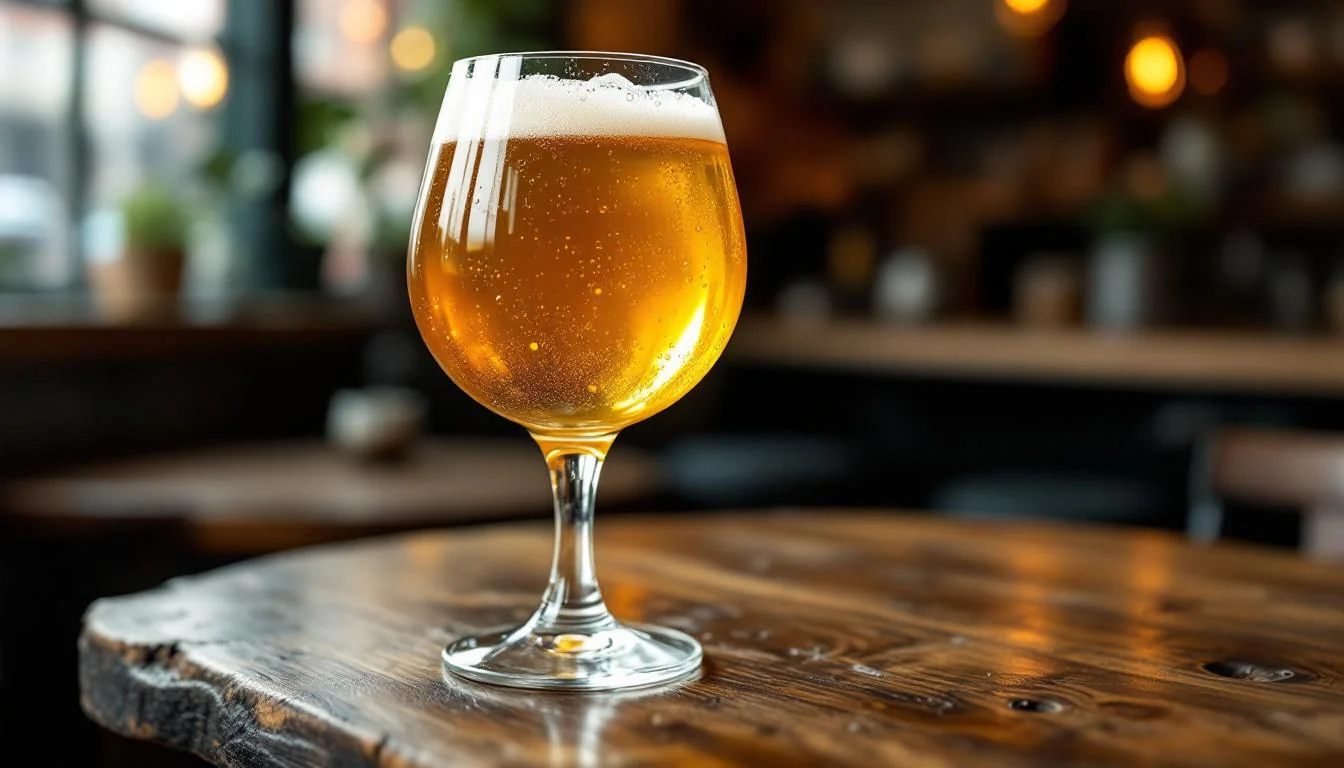
Why here? Partly the terrain: the Senne river valley creates a damp microclimate where wild microbes thrive. Partly tradition: breweries that have stood for centuries have “raised” their own microflora in their wooden walls, ceilings, and aging barrels.
Brett’s terroir is history as much as geography. Each brewery has its own “flora,” a community of microbes that cannot be copied. Cantillon tried moving some of its barrels to a new brewery, but it took years for the beer there to take on the character of beer from the original Brussels site.
Outside Belgium, Brett is being “domesticated” in many places. In the Texas Hill Country, the hot, dry climate yields wild ales with a distinct character. In France’s Jura, where Vin Jaune wine also relies on Brett, producers are experimenting with beer. But nowhere has the historical depth of the Pajottenland.
VIIRecognizing Brett in the Glass
What should you look for in a glass of Gueuze, Flanders Red, or American Wild Ale?
Start with the nose. Brett often leaves an aroma of leather, like opening an old leather handbag. Or a stable note: not manure, but dry straw, old wood, the still air of a farm. When the Brett is light, tropical fruit comes through: ripe pineapple, mango, sometimes passion fruit.
On the palate, Brett’s signature is dryness. Beers made with Brett usually have no residual sweetness. Carbonation tends to run high, giving a lively feel in the mouth. If there is acidity, from Lactobacillus or Pediococcus working alongside, Brett “cleans up” the sourness over time, making it rounder and less harsh.
The finish tends to linger. It is not hop bitterness but a complex aftertaste — a little sour, a little funky, a little fruity — that stays like a question without an answer.
Brett teaches a lesson about beer, and maybe about life: not everything needs to be hurried. Some beers need three years to come together, and the drinker may need time to understand them, too.
Mentioned in this article
-
Beer O L O G Y
Sour Beer: From Lambic to Sour IPA -
Beer O L O G Y
Belgian Beer: Intangible Cultural Heritage of Humanity
Originally published in Vietnamese on Tạp Chí Beer.