Motueka: Lemon and Basil from Sunny Nelson
From New Zealand’s Nelson region, Motueka brings fresh lemon, a hint of basil, and tropical fruit, and it works in everything from light lagers to IPA.
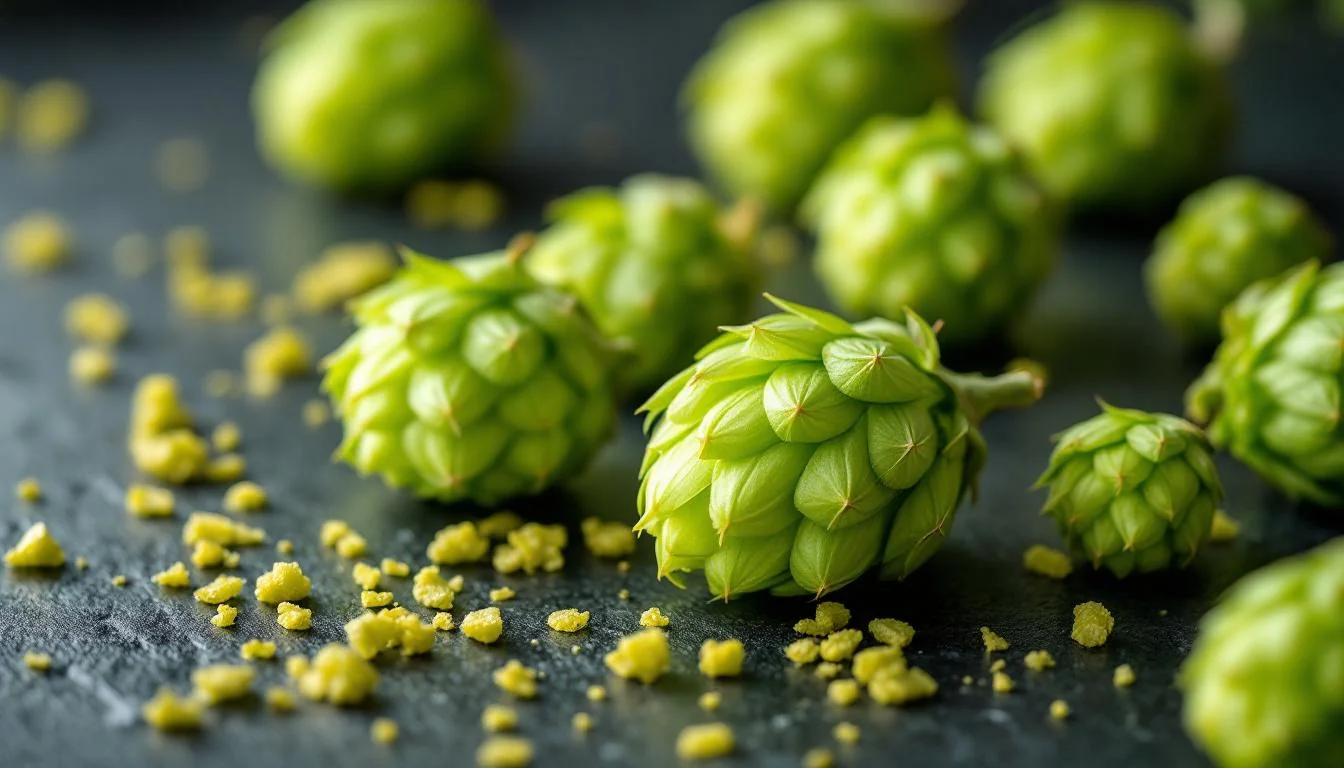
On some afternoons in Nelson, as the sun slants across the Richmond Range, the hop harvest comes in with the cones still damp with dew. The workers’ hands come away sticky with yellow resin, and the air smells of fresh lemon. This is Motueka, a hop from the region known as New Zealand’s “sunshine capital.”
Talk of New Zealand hops usually begins with Nelson Sauvin. Motueka, from the same soil, has a different story. It has none of its neighbor’s sauvignon blanc flamboyance and does not overwhelm on the first sip. It speaks more quietly, through a true lemon note, a passing hint of basil, and tropical fruit that appears only when you slow down and pay attention.
Motueka does not try to be the star. It does its job, bringing freshness to a beer without overpowering everything else. That may be why brewers from the United States to Japan reach for it when they want a beer with depth that still drinks easily.
IOrigins and History
Motueka was developed by New Zealand’s HortResearch (now Plant & Food Research) at Riwaka, a small town at the gateway to Abel Tasman National Park. The country’s hop breeding program began in the 1970s, when scientists realized that Nelson’s unusual climate could produce hops with flavors found nowhere else.
The variety was officially released in 1997, after trials under the code name B Saaz. It takes its name from the Motueka River, which flows through the Tasman region and which the Māori called “the end of the valley.” Many New Zealand hops are named this way, after the places, rivers, and mountains where they were bred.
Genetically, Motueka is a cross between a Czech Saaz and local New Zealand varieties. The Saaz parentage explains its “noble” character: soft bitterness and refined aroma instead of the aggressive edge of many American hops. Nelson’s soil added tropical notes the original Saaz never had.
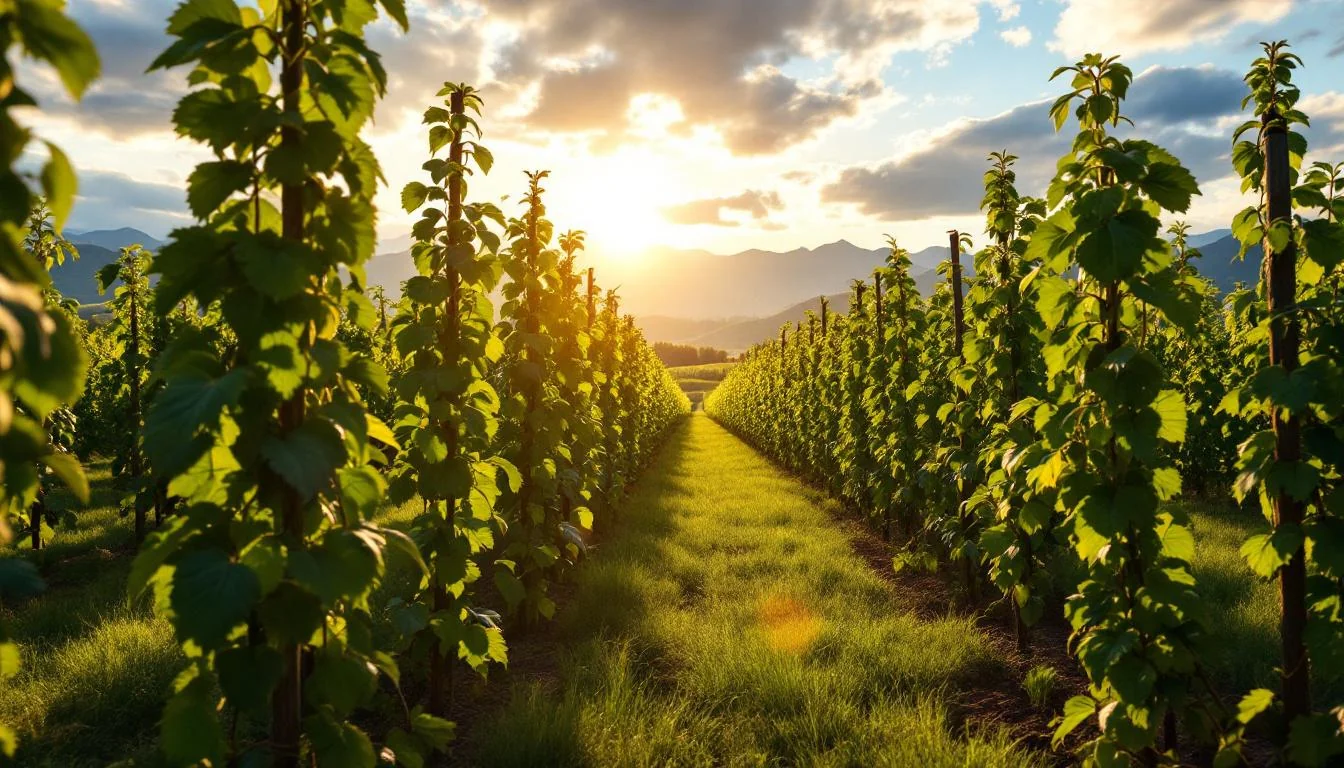
The Nelson region sits at the northern tip of New Zealand’s South Island, sheltered by the Richmond Range and the Kahurangi mountains. The terrain creates a distinct microclimate: the most sunshine in New Zealand (an average of 2,400 hours a year), moderate rainfall, and breezes off Cook Strait that carry sea salt. The soil is a mix of river alluvium and weathered granite, rich in minerals but free-draining.
Nelson grows more than 95% of New Zealand’s hops. The farms cluster around the Motueka and Riwaka valleys, where trellises 5–6 meters high line State Highway 60. Harvest runs from mid-February to late March, the end of summer in the Southern Hemisphere.
Over the past two decades Motueka has found its own place in craft brewing worldwide. It never went viral like Nelson Sauvin, and it never divided opinion like Riwaka. It is a workhorse hop: quiet, dependable, and consistent from batch to batch.
IITechnical Profile
Motueka has a low-to-moderate alpha acid content, from 6.5% to 7.5%. That places it close to the traditional European noble hops, and it works for both bittering and aroma. Beta acids run from 5.0% to 5.5%, for an alpha-to-beta ratio close to 1:1, a trait common among hops prized for their aroma.
Total oil is about 0.8 to 1.0 ml/100 g, modest next to modern American hops but enough to give a clear aroma when dry hopping. Myrcene makes up about 47% of the oil, humulene about 8%, and caryophyllene about 5%. The high myrcene share accounts for the hop’s fruity, herbal character.
In storage, Motueka keeps about 50–55% of its alpha acids after 6 months at room temperature, which is average among hops. Cold, airtight storage is needed to preserve its aroma. Because the Nelson harvest falls in February and March, breweries in New Zealand and Australia seek out freshly picked Motueka for fresh-hop beers.
IIIAroma and Flavor
Motueka’s first and clearest note is lemon. Not the sharp sourness of lime but Meyer lemon: sweeter and more fragrant, with a thick, oil-rich peel. Crush a Motueka cone between two fingers and that scent jumps out at once.
Behind the lemon is fresh basil, not the dense Italian kind but a lighter, slightly sweet Thai basil. That note is what sets Motueka apart among citrus hops. Plenty of hops give orange, grapefruit, or lime, but very few pair citrus with fresh herbs so seamlessly.
Beneath that sit notes of tropical fruit, mostly passion fruit with a little ripe mango. These notes are lighter than in Nelson Sauvin or Galaxy, but enough to add depth and complexity. Some brewers also pick up white pear and green apple when they use Motueka for late hopping.
In the beer itself, Motueka gives a soft bitterness without sharp edges. It fades quickly and leaves a clean finish with a touch of fruity sweetness. That is why it is popular in session beers: light, easy-drinking beers that do not ask for a drinker’s full concentration.
For dry hopping, Motueka performs best at low fermentation temperatures, where the lemon and basil stand out more. At higher temperatures the tropical notes take over. Experienced brewers use this to steer the aroma profile of a batch.
IVBeer Styles for Motueka
Motueka does its best work in styles that want freshness without being overrun by hops.
New Zealand Pilsner and Lager
Its Saaz parentage makes Motueka a natural choice for light, Pilsner-style beers. New Zealand breweries such as Emerson’s and Panhead have used it for local versions of Pilsner that keep the crisp drinkability of the classic style while adding Nelson’s lemon and tropical fruit. With its moderate alpha acids, Motueka lets a brewer reach 25–35 IBU without worrying about harsh bitterness.
Session IPA and American Pale Ale
Among IPAs, Motueka turns up most often in Session IPA recipes, beers with low alcohol (3.5–4.5% ABV) that keep their hoppy character. Its lemon note keeps them refreshing, while the soft bitterness does not tire the palate after a few glasses. Many brewers pair it with Citra or Mosaic for a more layered aroma that stays balanced.
Witbier and Wheat Beer
Motueka’s basil and citrus make it an interesting choice for Belgian-style wheat beer. Instead of the traditional orange peel and coriander, some brewers add Motueka late in the boil for citrus and herbal notes that come from the hops alone. The result is a New World witbier, familiar but with a new accent.
Belgian Saison
In a Saison, Motueka complements the yeast’s esters (usually peach and pear) with citrus and fresh herbs. The result is a complex, many-layered Belgian beer suited to warm weather.
VHow Motueka Compares
Within the New Zealand hop family, Motueka is most often compared with two siblings: Nelson Sauvin and Riwaka.
Motueka and Nelson Sauvin
Nelson Sauvin is known for its sauvignon blanc character: gooseberry, white grape, and a telltale hint of sulfur. It divides drinkers; those who love it love it deeply, and those who don’t can’t stand it. Motueka is far gentler. Its citrus is approachable, uncontroversial, and easy to blend with other hops. Nelson Sauvin also carries more alpha acid (12–13%) than Motueka (6.5–7.5%), which makes it more efficient for bittering but also more likely to overwhelm a beer.
Motueka and Riwaka
Riwaka (formerly D Saaz) shares Motueka’s Saaz lineage but is more intense: passion fruit, grapefruit, and a touch of “dank” pine resin. In intensity it is often likened to a “Nelson Sauvin lite.” Motueka is gentler even than Riwaka, better suited to beers that call for finesse rather than flash.
Motueka and Classic Saaz
Next to Czech Saaz, its ancestor, Motueka keeps the noble traits of soft bitterness and delicate herbal aroma, then adds the citrus and tropical fruit Saaz lacks. If Saaz is a classical score from Vienna, Motueka is a jazz improvisation on the same melody.
VIHow to Spot Motueka in the Glass
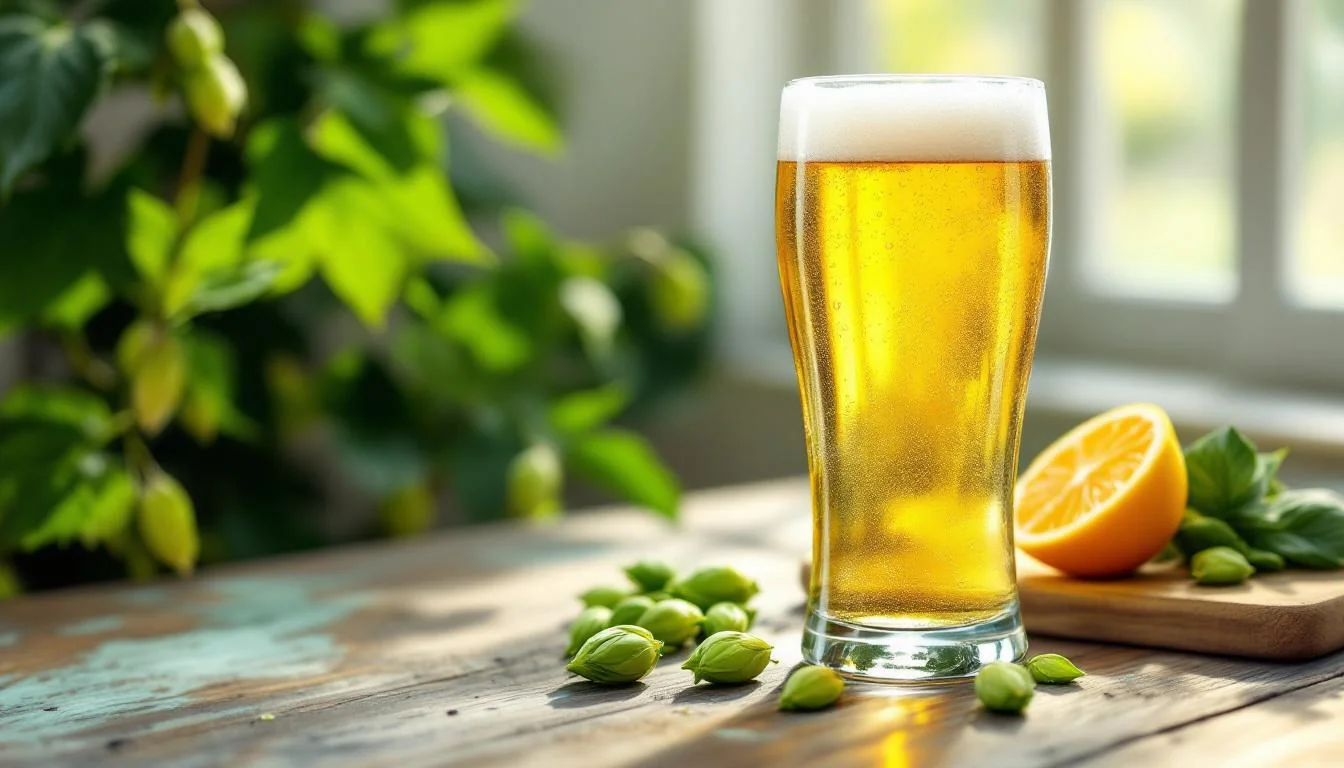
With a Motueka beer in hand, start with your nose before your mouth. Bring the glass close and inhale gently. If you find lemon, and specifically lemon rather than sour lime, that is the first sign. Then look for a little basil or other fresh herbs behind the citrus.
On the first sip, focus on the bitterness. Motueka does not deliver the sharp bite at the tip of the tongue that Centennial or Columbus does. Its bitterness is softer and rounder, arriving mid-tongue and fading quickly. If a moderately bitter Pilsner or Pale Ale tastes “clean” after every sip, there is a good chance Motueka is in it.
The finish is where Motueka leaves its deepest impression. If, 10–15 seconds after you swallow, a light lemon note and a little fruity sweetness still linger at the back of your throat, that is the hop’s signature. It never lingers long enough to grate, only long enough to invite another sip.
Some hops demand attention right away; Motueka rewards those who slow down and listen for something quieter than the noise.
Mentioned in this article
-
Beer O L O G Y
Light Beer and the Hard Art of Simplicity -
Beer O L O G Y
The World of Bitter Beer Begins with IPA -
Beer O L O G Y
Wheat Beer: The Flavor of the Grain -
Beer O L O G Y
Belgian Beer: Intangible Cultural Heritage of Humanity
Originally published in Vietnamese on Tạp Chí Beer.