Wheat Beer: The Flavor of the Grain
Hefeweizen, Witbier, Dunkelweizen: a guide to the wheat beer family, from a Bavarian ban that dates back 500 years to Pierre Celis’s revival of a 600-year-old style.
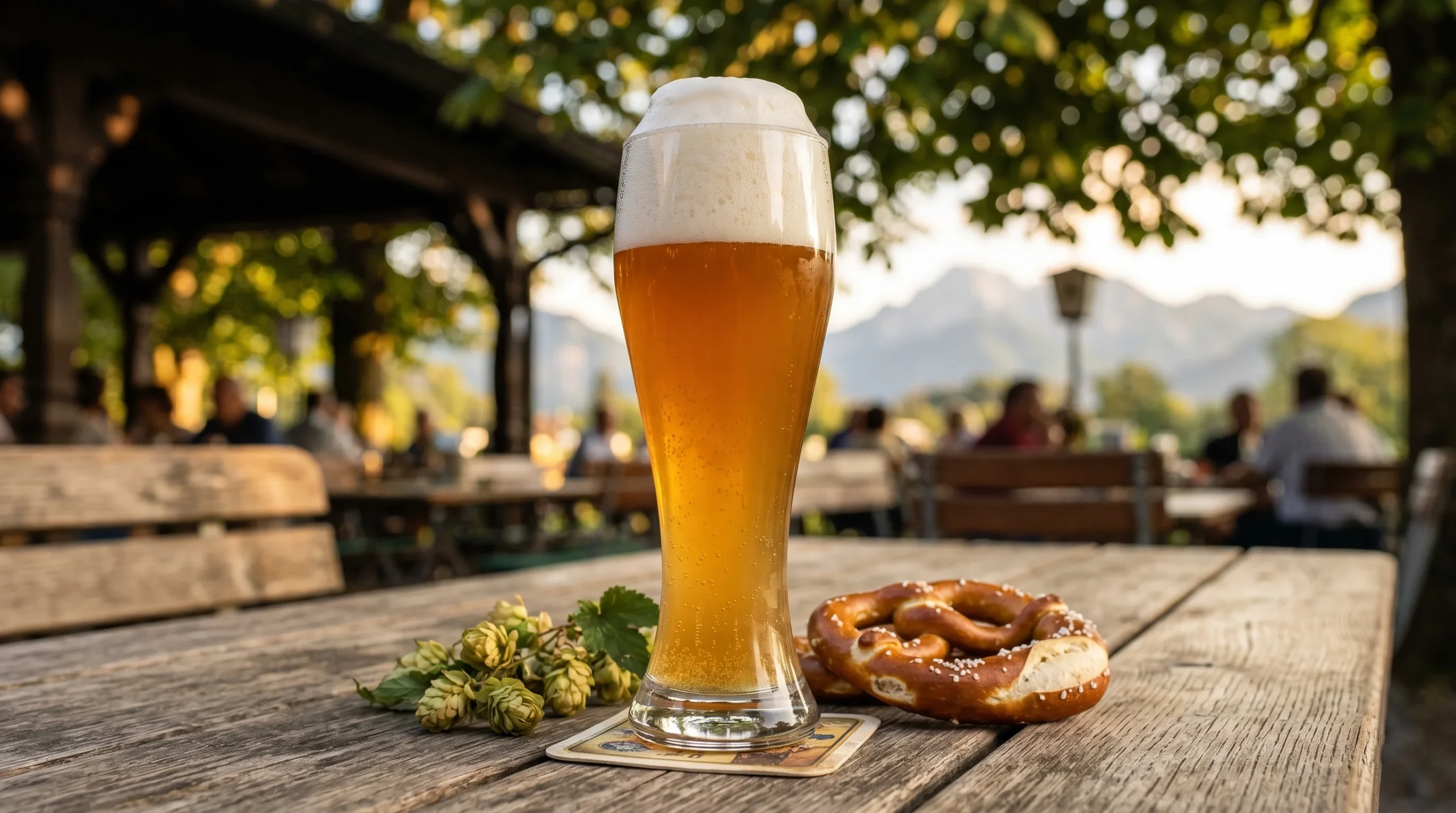
Most beers pour clear. This one pours cloudy, hazy as morning mist. The head is thick and creamy, often 3–4 cm tall, and it holds through a meal. Raise the glass and the aroma is not the familiar roasted malt but ripe banana and clove, sometimes with a touch of bubblegum or vanilla. The first sip is silky and light, with a clean, gently sweet finish and no bitterness at all.
This is Hefeweizen, the traditional wheat beer of Bavaria in southern Germany, and the gold standard for wheat beer everywhere.
Why Start with Hefeweizen?
Wheat beer has many possible starting points. There is Belgian Witbier, the 600-year-old style revived by Pierre Celis (a story told in our piece on Belgian beer). There is American Wheat, the modern version that came out of the American craft beer movement. And there are rarities such as Poland’s Grodziskie and Germany’s Lichtenhainer.
But if there is room for only one starting point, it has to be Hefeweizen, for three reasons.
First, Hefeweizen is what the world pictures as wheat beer. Ask someone who isn’t a brewer to imagine a wheat beer and they will usually see a Hefeweizen: hazy gold, a thick head, a smell of banana. It is the most popular and most recognizable wheat style, and the point where most beer lovers first enter the category.
Second, Hefeweizen has more technical depth than it lets on. Behind a plain glass of hazy gold sits one of the most demanding techniques in brewing. The banana and clove come from no banana and no clove. They come from a specific Hefeweizen yeast, through a chain of tightly controlled biochemical reactions. Miss the fermentation temperature by a little, and the whole character is lost.
Third, Hefeweizen survived a ban. Few people know that 16th-century Bavaria outlawed wheat beer brewing throughout the region, with only one royal family allowed to brew it. Elsewhere in Europe, other wheat beers faded for economic or cultural reasons. Hefeweizen lasted for centuries precisely because it was a royal privilege. The next section tells that story in full.
What This Guide Covers
This piece covers every wheat beer style, not only Hefeweizen:
- The German school: Hefeweizen, Dunkelweizen (the dark version), Kristallweizen (the filtered version), and Weizenbock (the strong one)
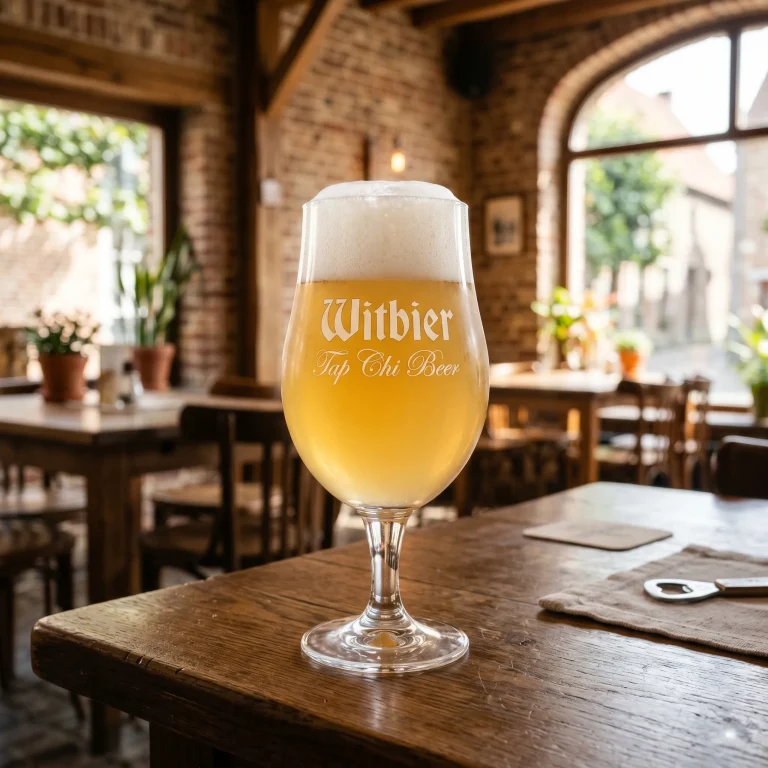
- The Belgian school: Witbier, Belgium’s spiced wheat beer
- The modern American school: American Pale Wheat and American Dark Wheat, craft brewers’ reinventions of the form
- The rare styles: Grodziskie (Poland, smoked) and Lichtenhainer (Germany, sour), two traditions that nearly disappeared
The last part turns to Vietnam: what wheat beer is available there, and how it pairs with Vietnamese food.
Before the individual styles, though, a basic question: what is wheat beer, and why does wheat make such a different beer?
What Is Wheat Beer?
The technical definition: a wheat beer has at least 30% wheat in its grain bill, with the rest usually barley. Some styles demand more. A traditional Hefeweizen contains 50–70% wheat.
Why does the proportion matter so much? Because wheat changes beer in three fundamental ways.
1. Body and texture. Wheat contains more protein than barley. That protein is not used up in fermentation; it stays in the beer, giving it a silky texture and a fuller body. At the same ABV, a wheat beer feels fuller than a lager or a pale ale.
2. Head. The same protein builds a thick, fine, long-lasting head. A properly poured Hefeweizen can keep its foam for the 30–40 minutes it takes to drink. It is how you recognize a wheat beer from the first glass.
3. Haze. Wheat does not filter as cleanly as barley, and many wheat beers are left unfiltered, with yeast still in suspension. The result is a naturally cloudy beer. The “Hefe” in Hefeweizen means yeast: this is wheat beer with its yeast left in the bottle. The haze is not a technical flaw. It is a prized trait.
Together, the silky texture, thick head, and haze make for a very different drink. Wheat beer does not try to be rich like a stout, bitter like an IPA, or brilliantly clear like a Pilsner. It follows an aesthetic of its own: light and smooth, with depth inside its simplicity.
That idea runs through everything that follows.
IHistory: When Wheat Beer Was a Royal Privilege
Wheat beer has a strange history. Most beer styles were born of technique and luck. Hefeweizen was born of politics and privilege.
It is the only beer style in the world whose survival was secured by a ban, one that lasted nearly 300 years. To understand why Hefeweizen tastes the way it does today, start with a law issued in 1516, the most famous document in the history of beer.
The Reinheitsgebot of 1516
On April 23, 1516, in Ingolstadt, Bavaria, Duke Wilhelm IV signed the Reinheitsgebot (German Beer Purity Law). It required that beer in Bavaria be brewed from only three ingredients: water, barley, and hops. Yeast was unknown at the time, so it was left off the list and added later.
The crucial point: wheat was banned from brewing. Why? Wheat was the main grain for bread, the staple food of ordinary people. Bavaria did not want brewers competing with bakers for wheat, which would drive up the price of bread and risk social unrest.
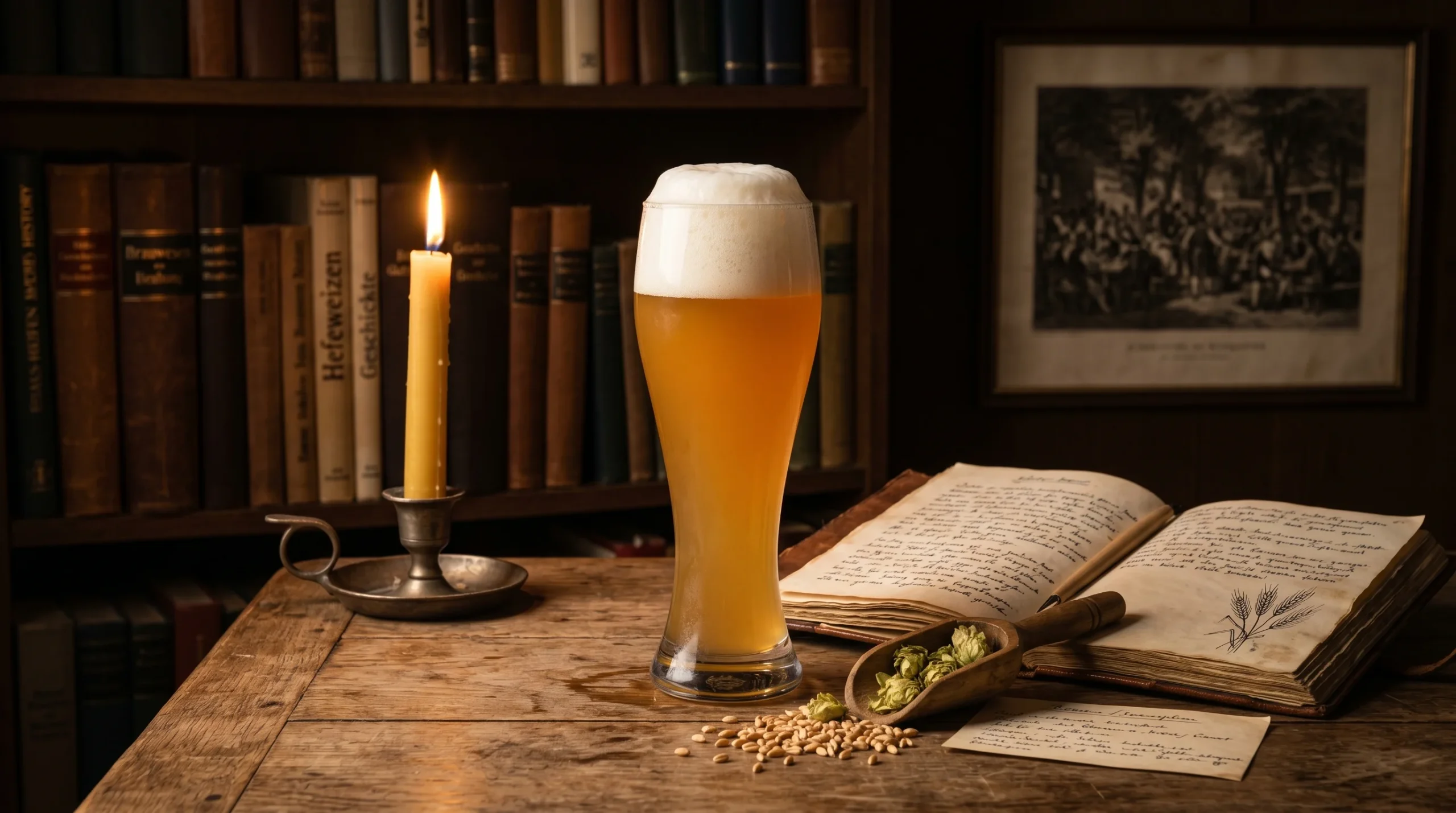
As economics, the decision was sound. It also meant that wheat beer, a style brewed in Bavaria for centuries, was suddenly illegal.
The Degenbergers: The Only Exception
The Reinheitsgebot had a single exception. A noble family from the Schwarzach area, the Degenbergers, had held the right to brew wheat beer since before the law was issued. Wilhelm IV could not take that right away, because the family wielded political power, so the exception stood.
For nearly a century afterward, the Degenbergers were the only family in Bavaria allowed to brew wheat beer legally. With the supply in one family’s hands, wheat beer became a rare and expensive luxury.
In 1602, Hans Sigmund von Degenberg died without an heir. The brewing right passed automatically to the Bavarian royal house, the Wittelsbachs, the dynasty that ruled Bavaria for nearly 800 years. Duke Maximilian I of Bavaria saw the value of the privilege and decided to keep it as a royal monopoly.
200 Years of Royal Privilege
For about 200 years (1602–1798), Bavarian wheat beer was brewed only in royal breweries, each called a “Hofbräuhaus,” or court brewhouse. Every region had one. The most famous, the Hofbräuhaus München, was founded in 1589 and still operates today, one of the oldest working breweries in the world.
It was during this period that Hefeweizen brewing was refined. The special Hefeweizen yeast, the strain behind the banana and clove, was developed and kept exclusively in the royal breweries. That is why Hefeweizen’s classic character has survived unchanged: the technique matured under tight control, beyond the reach of commercial brewers who might have simplified it for profit.
Royal wheat beer also contributed significantly to the Bavarian treasury. At times, wheat beer taxes made up 3–5% of the state’s total budget, and the Wittelsbachs were in no hurry to change the rules.
1798: Expansion and Decline
In 1798, the Bavarian crown fell into serious financial trouble because of the Napoleonic Wars. To raise money, it decided to sell wheat beer brewing rights to private breweries. For the first time in 200 years, wheat beer was brewed openly outside the court.
The paradox is that as soon as wheat beer was freed, it began to decline. Lager was on the rise in Bavaria: bright gold, refreshing, and easy to drink. When Pilsner was born in Bohemia in 1842, wheat beer lost still more ground. By the middle of the 19th century, many wheat beer breweries had closed.
By the 1960s and ’70s, Bavarian wheat beer had shrunk to a regional, traditional style, kept alive by a few old breweries that still knew the technique. The most important was G. Schneider & Sohn, founded in 1872 when Georg Schneider bought the right to brew wheat beer from the crown. It was one of the only breweries to stay 100% focused on wheat beer through the hard decades.
The Revival of the 1980s and ’90s
The revival began in the 1980s. As craft beer culture grew in Germany, drinkers returned to traditional styles, and Hefeweizen came to stand for authentic Bavarian beer.
Three breweries led the revival:
Weihenstephan, a former monastery brewery in Freising, is now the official brewery of the Technical University of Munich. It claims to be the oldest operating brewery in the world, dating to 1040, nearly 1,000 years ago. Many beer judges rank its Weihenstephaner Hefeweissbier as the reference Hefeweizen.
G. Schneider & Sohn specializes in wheat beer and has kept its recipe unchanged since 1872. Schneider Weisse is one of the most respected names in wheat beer.
Paulaner, one of the largest Munich breweries, carried Hefeweizen to the world through its international distribution network. Paulaner Hefe-Weißbier may well be the Hefeweizen that beer lovers around the world drink most.
By the early 21st century, Hefeweizen had become one of the most popular German styles in the world, back from nearly 200 years of decline. The Reinheitsgebot no longer bars wheat beer (Germany amended the law to allow it in 1987), but the classic technique has been kept intact, largely thanks to the persistence of a few traditional breweries through the hard years.
It is a useful lesson about heritage: a style can last for centuries not because the market demands it, but because some people refuse to give up a tradition.
IIThe German School: Four Styles, One Philosophy
German wheat beer is not one style but a family of four related styles, each a variation on the same basic philosophy. All of them use the signature Hefeweizen yeast, the same high share of wheat (50–70%), and the same warm fermentation that produces esters. What sets them apart is color and strength.
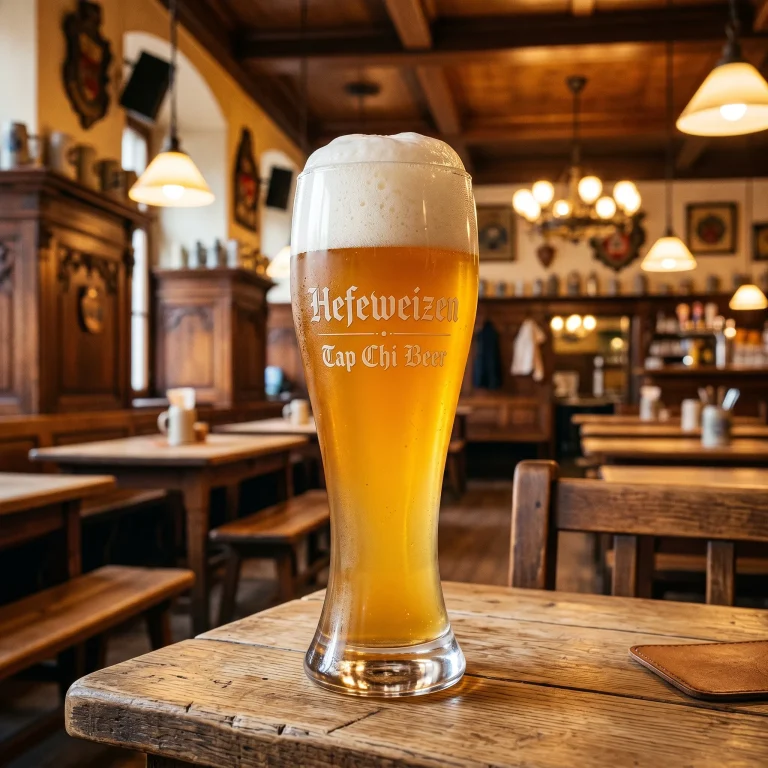
Hefeweizen: The Gold Standard
“Hefe” means yeast; “Weizen” means wheat. This is wheat beer with its yeast left in the bottle, the classic style and the reference point for every other wheat beer.
Its hallmarks:
- Color: pale yellow to gold, naturally hazy from yeast in suspension
- Aroma: strong ripe banana, distinct clove, a hint of vanilla or bubblegum, sometimes citrus
- Flavor: silky, with a clean, lightly sweet finish and almost no hop bitterness
- Body: medium, filled out by wheat protein
- Head: thick, fine, and very long-lasting, the telltale sign
The secret of Hefeweizen lies in the yeast and the fermentation temperature. Hefeweizen yeast (Saccharomyces cerevisiae strains such as Weihenstephan W-68 and its variants) produces two key compounds:
- Isoamyl acetate, which gives the aroma of ripe banana
- 4-vinyl guaiacol, which gives the aroma of clove
The ratio between the two depends on fermentation temperature. Warmer fermentation, at 20–25 °C (68–77 °F), leans toward banana; cooler fermentation, at 16–18 °C (61–64 °F), leans toward clove. A Hefeweizen brewmaster has to control the temperature with great precision to strike the signature balance of banana and clove, a skill refined over 400 years of brewing in Bavaria’s royal breweries.
Natural partners: Weisswurst (Bavarian white sausage), pretzels, summer salads, and grilled seafood. Hefeweizen is also one of the few wheat beers that pairs well with bananas or banana desserts, since the banana in the beer echoes the fruit on the plate.
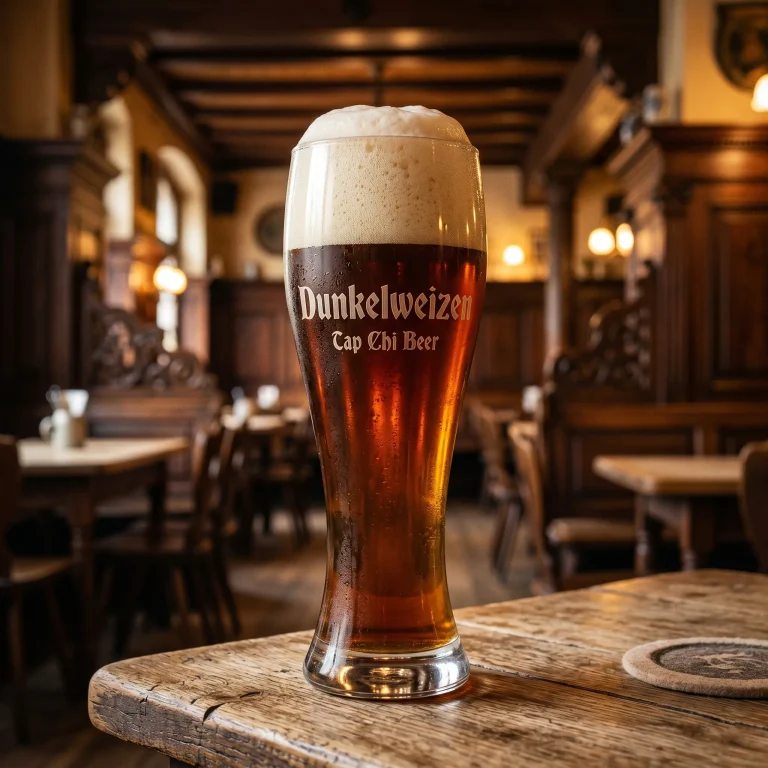
Dunkelweizen: The Dark Hefeweizen
“Dunkel” means dark. Dunkelweizen is Hefeweizen brewed with Munich and caramel malts alongside the wheat, which give it a deep brown color and a more complex malt character.
The color runs from reddish brown to dark brown, and the beer is still hazy. The banana and clove remain, since the yeast is the same, but they are joined by toasted bread, caramel, and hints of chocolate and toffee. It is richer and fuller-bodied than a Hefeweizen while keeping the smoothness that wheat provides.
This is an evening wheat beer, made for cold weather and hearty meals. Pair it with stews, German sausages, Schweinshaxe (German pork knuckle), aged cheeses, and chocolate brownies.
Classic examples: Schneider Weisse Original (TAP 1), Erdinger Dunkel, and Ayinger Ur-Weisse.
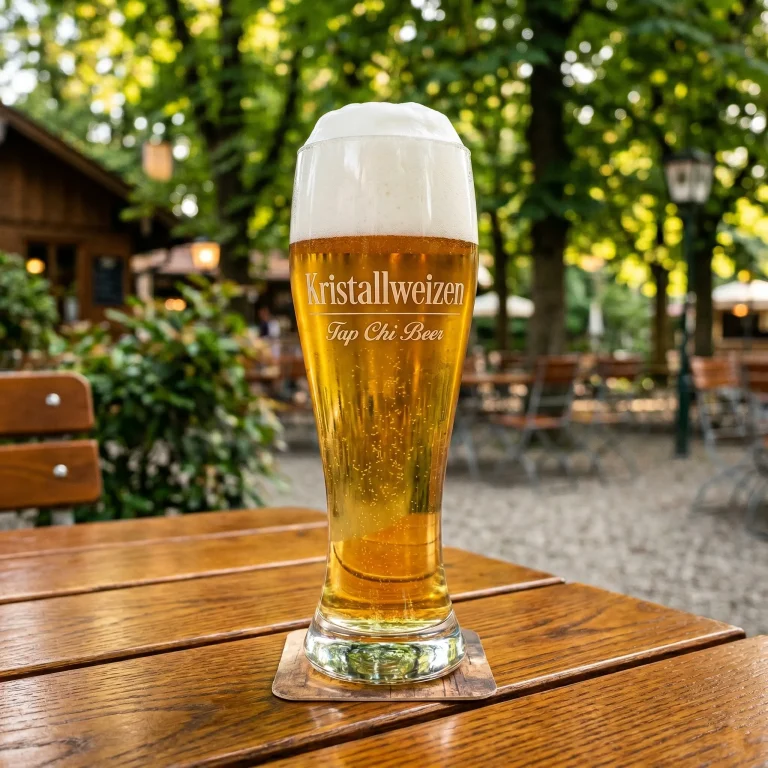
Kristallweizen: The Filtered Hefeweizen
“Kristall” means crystal. This is Hefeweizen with the yeast filtered out, which leaves the beer crystal clear rather than cloudy.
Why does it exist? By the early 20th century, many drinkers saw Hefeweizen’s haze as “unprofessional,” especially beside a brilliantly clear Pilsner. Some breweries began filtering out the yeast to make a “cleaner” version.
Kristallweizen uses the same yeast and the same fermentation, so the banana and clove are still there. Filtering out the yeast, however, brings changes:
- A lighter body than Hefeweizen, since some of the protein is lost
- A lighter head that does not last as long
- A crisper, “cleaner” character
Some Hefeweizen lovers dismiss Kristallweizen as a “flattened” Hefeweizen, stripped of the character that suspended yeast provides. Others like it as an easier start for newcomers, without the murkiness. Both views have merit.
Examples: Erdinger Kristall, Paulaner Kristallweissbier, and Schneider Weisse TAP 2.
Weizenbock: Wheat Meets Bock
This is the strongest style in the German school. Weizenbock is wheat plus bock, combining the wheat beer tradition with the German tradition of strong bock beer. The result is a high-alcohol wheat beer, usually 6.5–9% ABV, often as dark as a Dunkelweizen, with a very full body.
The aroma has everything a Dunkelweizen offers (banana, clove, caramel, toasted bread) plus dried fruit such as raisin, plum, and fig, and a warming alcohol. It is a wheat beer for winter, rich and complex.
The style-defining example is Schneider Weisse Aventinus (TAP 6), brewed continuously since 1907 and considered by many beer judges one of the finest Weizenbocks ever brewed. Each bottle shows what wheat beer technique can do at bock strength.
Pair it with winter stews, grilled German sausages, blue cheese, and dark chocolate brownies.
A Shared Philosophy
The four German styles—Hefeweizen, Dunkelweizen, Kristallweizen, and Weizenbock—share one philosophy: honor the yeast and the wheat. The Belgian school, discussed next, usually adds spices and character from outside. The German school holds that the yeast is expressive enough to create every character a beer needs.
It is what UNESCO would call a “purist” philosophy: art in simplicity. Four styles, one yeast, thousands of years of tradition.
IIIThe Belgian School: Witbier and the Use of Spice
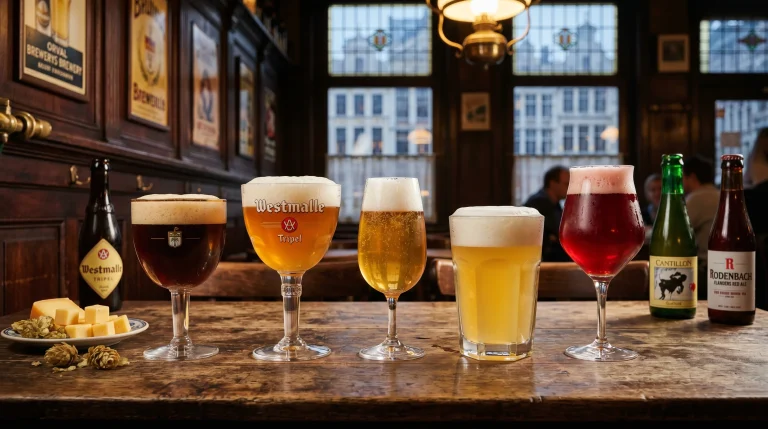
Our piece on Belgian beer told the full story of Witbier, the 600-year-old style of Hoegaarden that died out completely in 1957 and was revived by Pierre Celis, a local milkman. This piece looks at Witbier from another angle: its place in the global wheat beer family.
Why does Witbier deserve to be treated as a school of its own, rather than as a “Belgian-style wheat beer”? For two fundamental reasons.
How It Differs from German Wheat Beer
Witbier departs from the German school in three important ways.
First, unmalted wheat. German wheat beers use malted wheat, steeped, germinated, and dried in the same way as barley malt. Witbier uses unmalted wheat, raw grain that is simply milled. The difference shows in the texture: Witbier is smoother but lighter in protein, and it foams less thickly than a Hefeweizen.
Second, added spices. The German school relies entirely on yeast for character. Witbier adds coriander and dried orange peel during brewing, and those two spices give the style its signature. A Witbier smells of fresh citrus, gently peppery coriander, and a hint of flowers and grass, nothing like the banana and clove of a Hefeweizen.
Third, a different yeast. Witbier uses a Belgian yeast (the Hoegaarden strain or similar ones), not German Hefeweizen yeast. Belgian yeast produces lighter esters, without the strong banana, and leans toward citrus and spice. As a result, the body is lighter than a Hefeweizen’s.
Witbier Today
After Pierre Celis revived Witbier in 1966 and created Hoegaarden, the style spread quickly around the globe. Today Witbier may be the most widely brewed wheat beer style in the world, because it is simple, approachable, and suited to international tastes.
A few leading Witbiers today:
- Hoegaarden (Belgium): Pierre Celis’s original Witbier and the most popular in the world. A good place for newcomers to start.
- Blanche de Bruxelles (Belgium): another Belgian classic, with a little more citrus than Hoegaarden.
- Allagash White (USA): the classic American version, which many beer judges rank alongside the original Hoegaarden.
- Hitachino Nest White Ale (Japan): a subtle Japanese Witbier made with added nutmeg and orange juice.
The Pierre Celis Story
One detail of the Celis story bears repeating. After selling Hoegaarden to Interbrew (later AB InBev) in 1985 for financial reasons, Celis realized that the corporation had simplified his original recipe to cut costs. Hoegaarden was no longer the Witbier he had revived.
In 1992, at 67, Pierre Celis went to the United States and opened a new brewery in Austin, Texas, to brew Witbier to the original recipe he had developed in the 1960s. This was Celis White, a Witbier regarded for years as the standard for the style.
Pierre Celis died in 2011, but his story endures: a man who was not a professional brewer saved a 600-year-old style from extinction twice. The first time, he revived it in 1966. The second time, he rebuilt it in Texas because he could not bear to see the style distorted.
It is a lesson the whole wheat beer world should take to heart: heritage does not protect itself. It needs people willing to defend it.
IVThe Modern School and the Rare Styles
By the early 21st century, wheat beer was no longer only a German and Belgian inheritance. The American craft beer movement had reinvented it in its own way, while beer historians had revived several old wheat beer styles once thought lost.
American Wheat: An American Reinvention
When American craft beer boomed in the 1980s and ’90s, its brewers came at wheat beer from a very different angle than the German school. They kept a high proportion of wheat (also 30–50%), but:
- They used a neutral yeast (American ale yeast, the California strain of Saccharomyces cerevisiae) instead of German Hefeweizen yeast. The result: no banana and no clove.
- They used American hops (Cascade, Citra, Mosaic) instead of German ones. The result: citrus and floral aromas that come from the hops, not the yeast.
- The body is cleaner, without the complex yeast character.
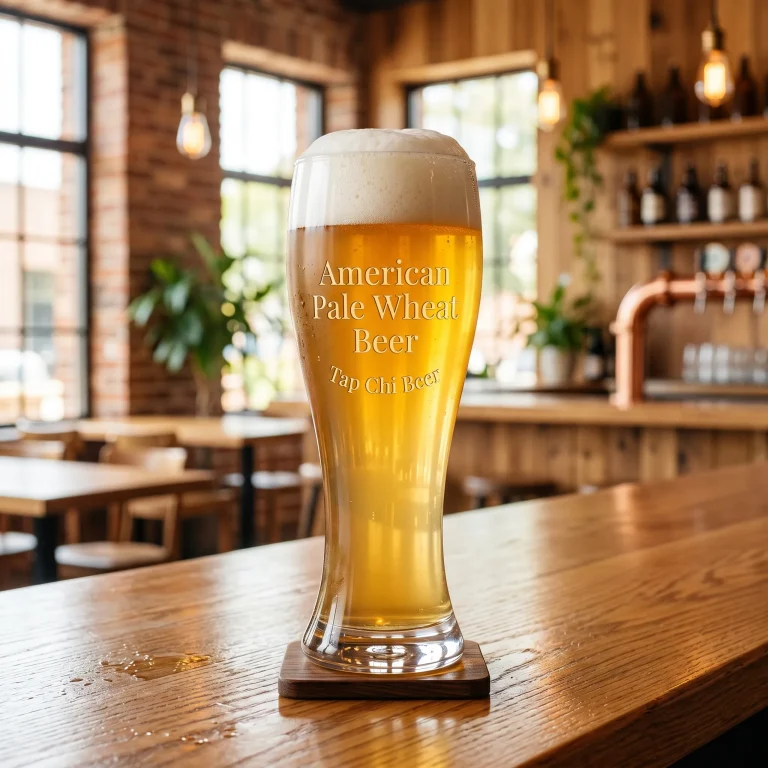
This is American Pale Wheat Beer, a widespread style in American craft brewing. It is gold and lightly hazy from the wheat, with citrus and floral aromas from American hops, a medium-light body, and moderate bitterness. Without the complex yeast character of a Hefeweizen, it is the approachable wheat beer, easy for newcomers to drink.
Classic examples: Bell’s Oberon Ale (Michigan), Goose Island 312 Urban Wheat Ale (Chicago), and Three Floyds Gumballhead (Indiana).
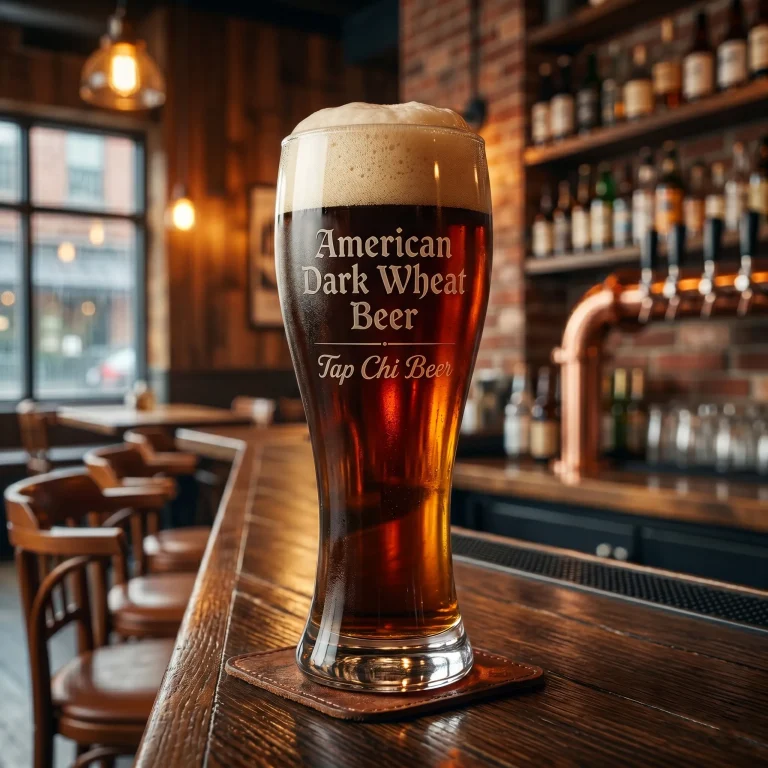
The darker version, American Dark Wheat Beer, combines wheat with roasted malts (Munich, chocolate malt) for a deep brown beer. It is more of a niche style, less common than American Pale Wheat: dark brown, with light roasted malt notes over American hops and a medium-full body.
A Rare Style: Grodziskie, Poland’s Smoked Wheat Beer
This is the least known of all wheat beer styles, and one worth knowing.
Grodziskie (sometimes called Grätzer in German) is the historic wheat beer of Grodzisk Wielkopolski, Poland, brewed since the 14th century. What sets it apart is 100% oak-smoked wheat malt, which gives the beer a distinct smokiness, like a German Rauchbier but much lighter.
A classic Grodziskie has:
- A pale yellow color
- Clear oak smoke, gentle rather than overwhelming
- Low alcohol (2.5–3.5% ABV), a session beer you can drink all day
- European noble hops (Hallertau, Saaz)
- A thick white head
The style nearly died out after World War II. The last Grodziskie brewery in Poland closed in 1993, and for almost 20 years the beer existed only in history books and at a few experimental breweries.
The revival began in the 2010s, when Polish craft breweries and a few American ones, notably Hill Farmstead in Vermont, studied the old recipes and brewed them again. In 2015, Browar w Grodzisku was re-established on the original site, formally reviving the style after more than 20 years.
Today Grodziskie is a niche but respected style, proof that modern craft brewing can bring back styles thought lost.
A Rare Style: Lichtenhainer, a German Sour
The second rarity is Lichtenhainer, the wheat beer of Lichtenhain in Thuringia, Germany. It is lightly smoked and lightly sour, joining the character of Grodziskie to the tradition of Berliner Weisse (Germany’s sour wheat beer, covered in our piece on sour beer).
What to expect:
- A pale yellow color
- Gentle tartness from Lactobacillus, like Berliner Weisse but milder
- Light smoke from smoked malt
- Low alcohol (3–4% ABV)
- A light, refreshing body
Lichtenhainer nearly vanished in the 20th century. The last brewery making it closed in the 1980s, and the style was revived only around 2010–2015 by craft brewers in Germany and the United States.
Grodziskie and Lichtenhainer are both revived heritage, evidence that a beer style can die and come back to life, as long as there are brewers patient enough to study the old recipes and brew them properly.
The Modern Philosophy
The modern school of wheat beer, from American Wheat to the revived Grodziskie and Lichtenhainer and other craft experiments, works from a different philosophy than the classics:
- The classic school (Germany and Belgium): “Honor tradition. Keep the technique. Change nothing.”
- The modern school: “Tradition is a starting point, not a stopping point. It can be reinterpreted, combined, and used to bring back what was lost.”
Both philosophies have value. The classics preserve the heritage; the moderns push the style further. Wheat beer in the 21st century is richer for having both.
VWheat Beer in Vietnam: A Way In
Of all the world’s beer styles, wheat beer may be the easiest for Vietnamese drinkers to approach. The reasons are simple: it is smooth and medium-bodied, not too bitter (there are no assertive hops), not too strong (most are 4.5–5.5% ABV), and well suited to Vietnam’s hot weather.
Wheat beer is not hard to find in Vietnam today, especially Hoegaarden and a few German Hefeweizens. Getting from the entry-level bottles to the deep end, though, takes a plan.
Wheat Beers to Try in Vietnam
Entry level (easy to find, widely available):
1. Hoegaarden (Witbier, Belgium). The most popular wheat beer in Vietnam. Hazy orange-gold, with coriander and orange, and very easy to drink. A natural first step for anyone new to wheat beer.
2. Erdinger Weissbier (Hefeweizen, Germany). The most popular Hefeweizen in Vietnam: hazy gold, banana and clove, a smooth body. For most Vietnamese drinkers, it will be the first Hefeweizen they meet and the one they measure others against.
3. Paulaner Hefe-Weißbier (Hefeweizen, Germany). A little lighter than Erdinger, with clear banana character.
Intermediate (look for these in specialty bottle shops):
4. Weihenstephaner Hefeweissbier (Hefeweizen, Germany). Many beer judges rank it first among the world’s Hefeweizens. It comes from the oldest brewery in the world (1040) and is worth the search.
5. Schneider Weisse Original (TAP 7) (Hefeweizen, Germany). From a brewery that has specialized in wheat beer since 1872. Fuller in flavor than Weihenstephaner, with pronounced banana.
6. Blanche de Bruxelles (Witbier, Belgium). An alternative for those who know Hoegaarden all too well, with stronger citrus and a different balance.
Advanced (for deeper exploration):
7. Schneider Weisse Aventinus (TAP 6) (Weizenbock, Germany). The classic Weizenbock, brewed since 1907. At 8.2% ABV, it should be sipped slowly.
8. Schneider Weisse Original Dunkel (TAP 1) (Dunkelweizen, Germany). The model Dunkelweizen: dark brown, with banana, caramel, and toasted bread.
9. Allagash White (Witbier, USA). Harder to find in Vietnam, but worth buying when you come across it.
Pairing Wheat Beer with Vietnamese Food
Wheat beer is especially well suited to a tropical climate and to Asian food. A few combinations to try:
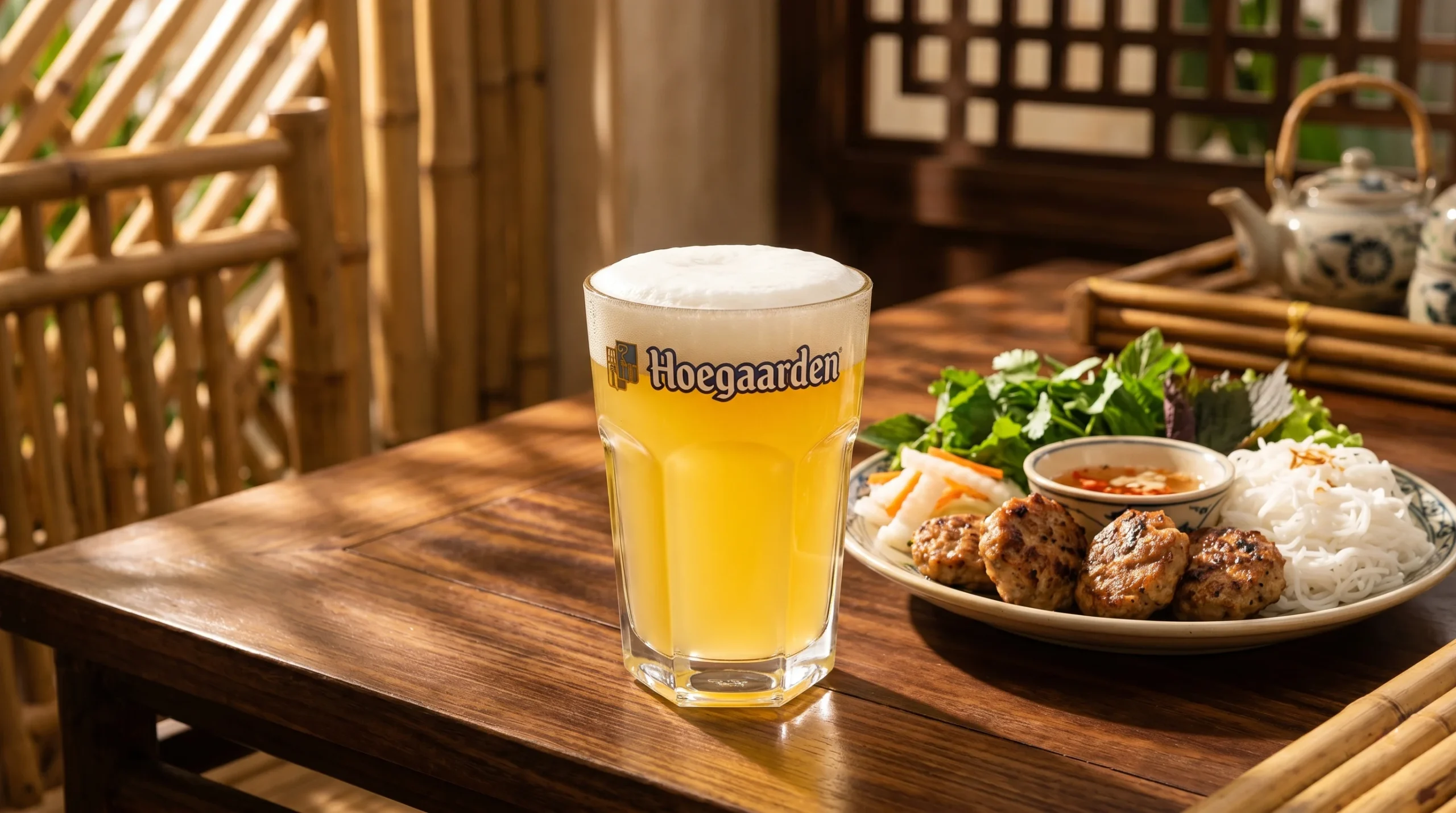
- Bún chả and Witbier (Hoegaarden): the coriander and orange peel in the beer go with the fresh herbs and the sweet-and-sour dipping sauce. A classic pairing, covered in our piece on Belgian beer.
- Phở gà and Hefeweizen (Erdinger, Paulaner): the smooth body of a Hefeweizen matches the light broth of phở gà, chicken phở (Vietnamese rice noodle soup), without smothering the spices.
- Gỏi cuốn (Vietnamese fresh spring rolls) and Witbier: the citrusy beer refreshes the palate between rolls without stealing the flavor of the shrimp and fresh herbs.
- Cá hấp gừng (fish steamed with ginger) and Hefeweizen: the beer’s banana and clove resonate with the ginger, and its smooth body suits the fish.
- Bánh xèo (crisp Vietnamese rice crêpe) and American Pale Wheat: citrusy American hops cut through the fat of the crêpe, and the wheat tempers the seasoning.
- Sushi or sashimi and Witbier: the beer’s light citrus works with the ginger and wasabi without overpowering the fresh fish.
- Bún bò Huế (spicy beef noodle soup from Hue) and Dunkelweizen: a Dunkelweizen has enough depth to stand up to the spices of Hue. A surprising pairing, and worth a try.
A 3-Month Tasting Plan
For anyone who has never had a wheat beer other than Hoegaarden, here is a plan.
Month 1: Witbier vs. Hefeweizen. Drink Hoegaarden and Erdinger Weissbier side by side and compare their character: Witbier (citrus and coriander) against Hefeweizen (banana and clove). This is the most important discovery of the three months.
Month 2: Deeper into the German school. Try Weihenstephaner Hefeweissbier (the benchmark) and Schneider Weisse Dunkel (Dunkelweizen), and notice the difference between a golden Hefeweizen and a brown Dunkel.
Month 3: On to Weizenbock and American Wheat. Schneider Aventinus (Weizenbock) brings intensity. If you can find one, try an American Pale Wheat (Bell’s Oberon or Allagash White) to get a feel for the modern school.
After 3 months, you will be able to tell the 4 core wheat beer styles apart: Witbier, Hefeweizen, Dunkelweizen, and Weizenbock. That is a solid enough foundation to explore wheat beer from anywhere.
Is There a Vietnamese Wheat Beer?
One question deserves an answer: is any wheat beer brewed in Vietnam?
The answer: yes, but not much. Several Vietnamese craft breweries have experimented with wheat beer in recent years, mostly American Pale Wheat (the simplest technically) and some Witbier-style beers. But Vietnamese wheat beer has yet to produce a standout signature style, the way Vietnamese IPA and Vietnamese stout have.
That is also an interesting opportunity: could Vietnam develop a wheat beer with local character? It could be a Witbier-style beer with Vietnamese herbs (Vietnamese mint, culantro) in place of Belgian coriander. It could be a Hefeweizen-style beer with glutinous rice instead of barley. Or it could be an entirely new style: wheat beer with lime leaves, lemongrass, or ginger.
This is ground Vietnamese craft breweries could explore in the years ahead. Wheat beer is soft, approachable, and takes well to spices, which suits the Vietnamese culinary tradition.
VISumming Up: Simple but Subtle
After this long look at wheat beer, one question is worth asking: why does wheat beer deserve a piece of its own?
Wheat beer lacks the intensity of a stout, the dramatic bitterness of an IPA, the historical complexity of Lambic, and the forceful character of a Belgian Quadrupel. It is simpler than most beer styles.
That simplicity is precisely its strength. Wheat beer expresses an important idea in the craft of brewing: excellent work does not have to be complicated. Sometimes the highest achievement is subtlety within simplicity.
What Wheat Beer Teaches
The stories in the past 5 sections each carry a lesson:
Hefeweizen teaches technical discipline. The simple-looking glass of hazy gold hides one of the most exacting fermentations in brewing. The gap between a good Hefeweizen and an ordinary one comes down to a few degrees Celsius of fermentation temperature, the specific yeast strain, and the timing of the hop additions. A good Hefeweizen brewer is a scientist and an artist at once.
Witbier teaches heritage and persistence. A 600-year-old style died out completely and was revived by a milkman who was not a professional brewer. When his beer was altered, he started over at 67, in another country. Pierre Celis showed that heritage needs defenders, even when the work has to be done more than once.
Bavarian Hefeweizen teaches the role of institutions. A beer style survived 200 years thanks not to the market but to royal protection. When the crown lost interest, the style declined. When the craft revival came, it returned. Heritage depends on those who look after it: families, institutions, communities.
Grodziskie and Lichtenhainer teach revival. Two styles that had died out completely, with no brewery making them for 20–30 years, came back through historical research and the patience of a few modern craft brewers. No style is truly dead as long as someone still cares.
A Question for Vietnam
Which leaves one question: could Vietnam have a signature wheat beer?
Vietnamese cooking is rich in spices, aromatics, and fresh herbs. The climate is hot and humid, well suited to a smooth, refreshing wheat beer. And Vietnamese tradition does use wheat, though far less than rice, in bánh mì (Vietnamese baguette sandwich), bánh bao (steamed buns), and many traditional cakes.
A “Vietnamese Wheat Ale” may emerge someday: wheat beer brewed with Vietnamese mint, lime leaves, lemongrass, or other local aromatics. It would suit the climate, the local palate, and the culinary heritage.
Pierre Celis proved that someone who is not a professional brewer can create a new style with devotion and patience alone. Perhaps one day someone in Vietnam will do the same, and create a Vietnamese wheat beer style the world recognizes.
A Final Word
The next time you pour a Hoegaarden or an Erdinger Weissbier, take a moment to remember what is in your hand.
A style that was banned for nearly 300 years, and survived.
A style that died out completely in Belgium in 1957 and was brought back by a milkman.
A style still brewed by the oldest brewery in the world (Weihenstephan, 1040), nearly a millennium of tradition.
A beer that may look simple, behind which stands one of the most demanding techniques in brewing.
Wheat beer is proof that simple does not mean ordinary. Sometimes the subtlest flavors come from the humblest-looking things.
Drink it slowly. Notice the silk of the wheat, the dense head built by protein, the banana or citrus from the yeast. This is the art of simplicity, and it deserves attention.
Mentioned in this article
-
Beer O L O G Y
Belgian Beer: Intangible Cultural Heritage of Humanity

and 3 more linked in the text
Originally published in Vietnamese on Tạp Chí Beer.