Light Beer and the Hard Art of Simplicity
Pilsner, Helles, Kölsch, and Blonde Ale, traced from the lager revolution in Pilsen in 1842. Why is the “simplest” style the hardest in the world to brew?
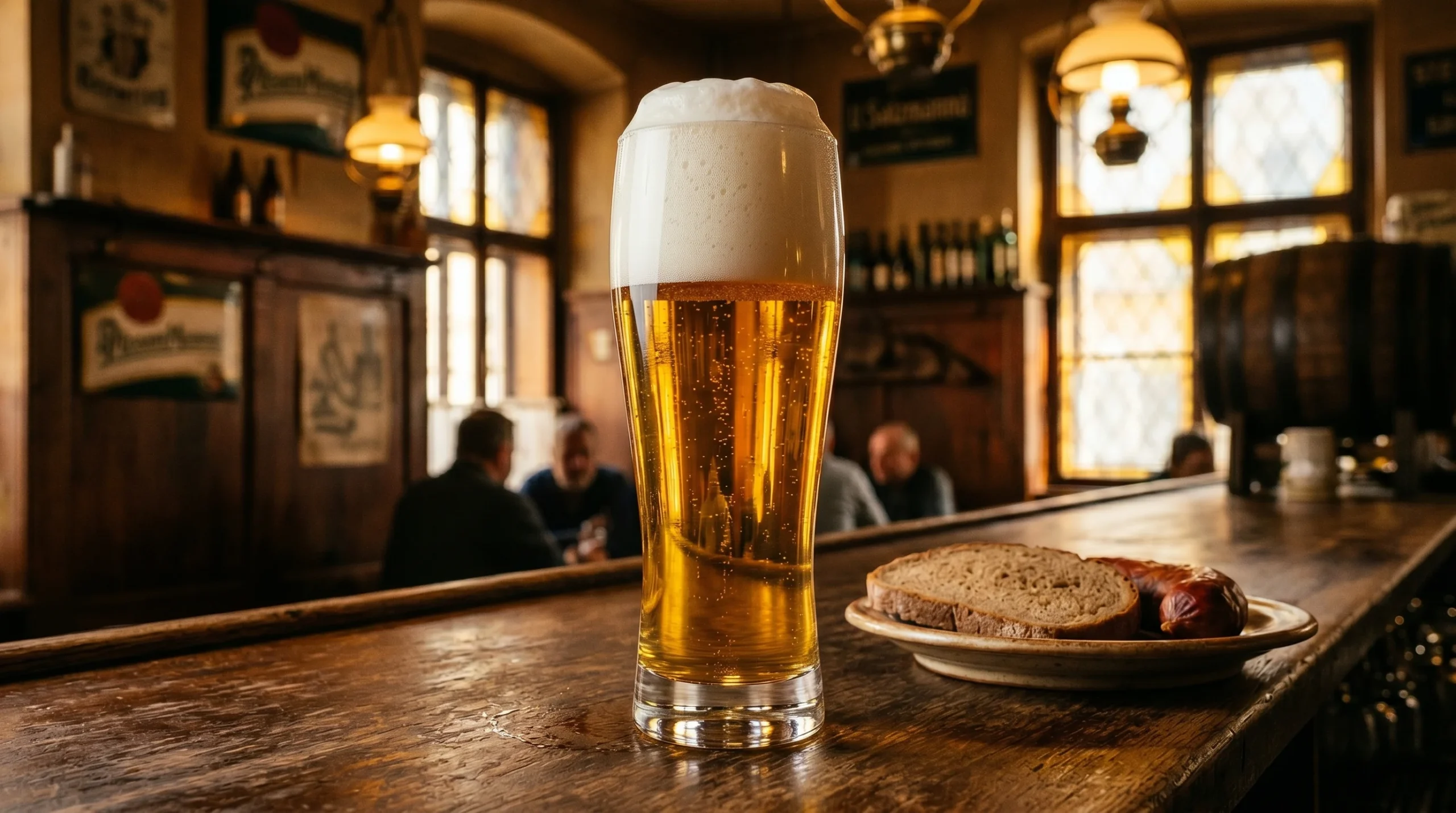
Few drinkers ever notice it, but the hardest beer in the world to brew is not a barrel-aged Imperial Stout, not a Lambic aged 3 years, not a Belgian Quadrupel. It is a glass of German Pilsner.
Why? Because a Pilsner has nothing to hide its mistakes behind.
An Imperial Stout can bury a flaw under heavy chocolate and strong alcohol. An IPA can cover one with intense citrus hops. A Belgian Quadrupel can lose one among complex fruity esters. But in a Pilsner, clear and golden, light in body, delicately hopped, every flaw shows at once. A hint of diacetyl (an unwanted butterscotch note), a touch of oxidation, an off yeast character, and the whole glass is ruined.
That is why German brewers say, “If a brewery can brew a good Pilsner, it can brew any style.” Pilsner is the final exam of brewing technique.
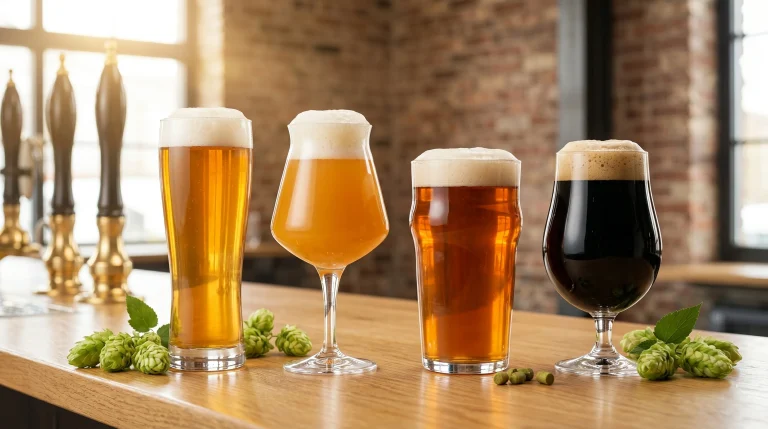
This piece is about the most underrated and most technically demanding family of beer: light beer. Pilsner, Helles, Kölsch, Blonde Ale, Cream Ale, and dozens of variations. Most of the beer sold in the world falls into this category, as does most of the beer you have ever drunk. And most of it, sadly, is not good light beer.
What Is Light Beer?
There is no official definition, but going by the BJCP and other standard-setting bodies, “light beer” can be understood as beer with:
- Low to moderate alcohol: 3.5–5.5% ABV
- A light to medium-light body: thin in the mouth rather than full
- A clean character: few or no complex yeast esters
- A pale yellow to gold color: never brown, never black
- High carbonation: lively and thirst-quenching
- Low to moderate bitterness: nothing like an aggressive IPA
These are beers designed to be drunk quickly and in quantity: with a meal, after work, in the garden on a summer day. They are the everyday drinks of the beer world.
Why “Simple” Is Hard
Brewers have a saying: “Anyone can brew a good IPA. Only a truly skilled brewer can brew a good Helles.”
The reason comes down to philosophy. Strong beers, complex beers, and beers layered with aromas all rely on intensity to make an impression: big hops, heavy malt, high alcohol, complex character. A brewer can push one or more of those elements higher to compensate for the others.
Light beer has no such room. Every element has to sit in exact balance. The malt must be just sweet enough; too much and it cloys, too little and the beer tastes thin. The hops must be just bitter enough; too much and the beer turns lopsided, too little and it falls flat. The yeast has to be exceptionally clean, because any ester spoils the neutral character the style demands. Carbonation has to be precise, and fermentation temperature right to the degree.
That is why Czech Pilsner and Bavarian Helles are regarded as the summit of brewing technique. They are not complex. They demand total control.
What Follows
This is a piece about the art of simplicity, and it covers:
- Czech / Bohemian Pilsner and German Pilsner: the two original Pilsner styles, born of a brewing revolution in 1842
- Helles and Kölsch: two German schools set against Pilsner
- Blonde Ale, Cream Ale, and Light Lager: the modern American versions
- European Pale Lager and American Adjunct Lager: mass-market beer
- English Pale Ale and Belgian Pale Ale: the traditional pale ales (not to be confused with the American Pale Ale in our guide to bitter beers)
The final section turns to Vietnam, its light beers, and one important question: can Saigon Beer, 333, or Larue count as “good” light beer?
But first, to a small town in Bohemia in 1842, where all modern light beer began.
IPilsen, 1842: The Revolution That Changed Beer
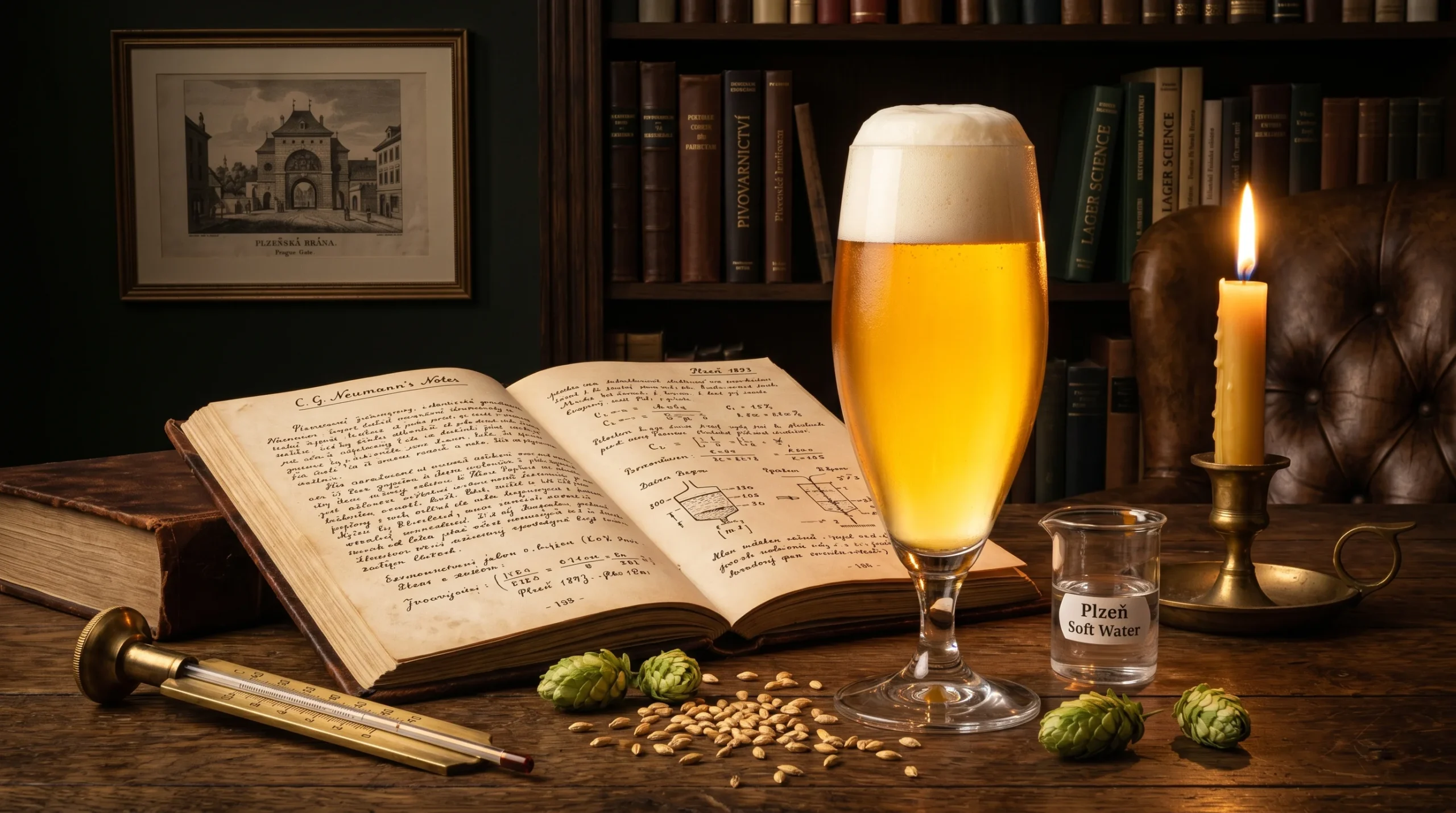
To understand modern light beer, start with one specific story:November 11, 1842, in the Bohemian town of Pilsen (Plzeň).
Before that day, most European beer was ale: fermented warm, complex, often cloudy, brown or black, and full-bodied. Pilsner did not exist. Clear golden beer did not exist. The idea of a beer for quick, easy drinking was still unfamiliar.
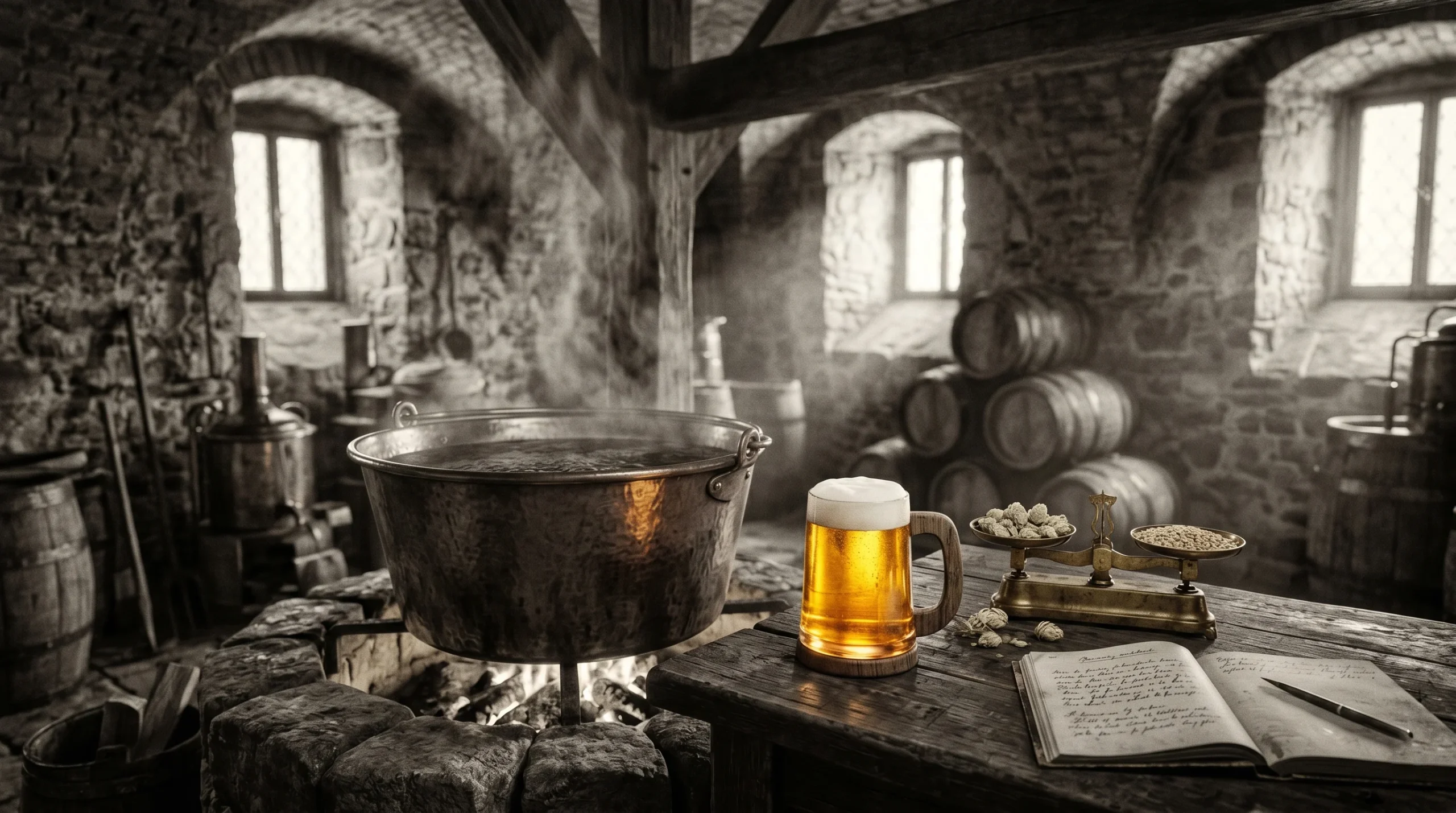
A Beer Crisis
In the early 1840s, the town of Pilsen in Bohemia (now the Czech Republic) was in crisis. Its local beer, mostly traditional ale, often spoiled because fermentation was poorly controlled. In 1838, townspeople poured 36 barrels of beer into the street in front of the town hall to protest its quality. It was a historic protest: the citizens wanted the town to act.
The town council decided to found an entirely new brewery, the Bürgerliches Brauhaus (later known as Pilsner Urquell). It hired Josef Groll, a young Bavarian brewer with radical ideas.
Josef Groll and the Lager Revolution
From Bavaria, Groll brought the lager method: bottom fermentation at low temperatures, 8–12 °C (46–54 °F), with a particular strain of the yeast Saccharomyces pastorianus. Traditional ale, by contrast, was top-fermented at 18–25 °C (64–77 °F).
Lager fermentation is much slower, 4–8 weeks instead of an ale’s 1–2 weeks, but it yields a cleaner beer, with fewer yeast esters, so the malt and hops come through clearly.
Groll paired the Bavarian lager method with 4 local elements in Pilsen:
1. Pilsen’s exceptionally soft water. Its mineral content, especially calcium and magnesium, is extremely low. Water like this is rare; most European water is high in minerals. Soft water lets the hops and malt show clearly instead of being masked by mineral flavors.
2. Moravian barley malt. Moravia, the region east of Bohemia, has a long tradition of high-quality barley malt. Groll used a very pale malt (Pilsner malt), much paler than the usual German malt of the time.
3. Saaz hops from Žatec. Saaz is a delicate “noble” hop: floral and grassy, with a hint of spice and no harshness. It is still considered one of the finest hop varieties in the world.
4. Bavarian lager yeast. The bottom-fermenting strain Groll brought from Munich made a true traditional lager possible.
November 11, 1842
Groll’s first beer was served on November 11, 1842. It caused a sensation.
No one in Pilsen had seen beer like it: golden and crystal clear, with a dense white head, a delicate malt aroma, the floral, grassy note of Saaz, a light body that still had depth, and a clean finish. It was an entirely new style.
Within a few years, “Pilsner” had spread across Europe, and each country developed its own version: German, Dutch, Austrian, and Belgian Pilsners. By the early 20th century, Pilsner held more than 80% of the global beer market.
Helles: Bavaria Responds
Pilsner did so well that the breweries of Bavaria, Josef Groll’s homeland, had to respond. It was eating into the market for traditional Bavarian beer (dunkel lagers with stronger hops).
In 1894, Munich’s Spaten brewery released a new style, Helles (German for “light,” as in pale). It was Bavaria’s direct reply to Czech Pilsner: also clear and golden, also a lager, also light, but more malt-forward, with gentler hops and a softer profile.
Helles became Bavaria’s rival to Pilsner. The two styles have coexisted for nearly 130 years, standing for two philosophies: Pilsner hop-forward and sharper, Helles malt-forward and softer.
Kölsch: Cologne’s Response
Farther north, Cologne (Köln) had a problem of its own. The city had a long tradition of top fermentation (ale); for a time, bottom fermentation (lager) was even banned there.
When Pilsner and Helles poured in from Bohemia and Bavaria, Cologne’s brewers could not switch to lager without breaking with tradition. They developed a hybrid instead: Kölsch.
Kölsch is a lagered ale: top-fermented warm with ale yeast, then cold-conditioned like a lager for 4–6 weeks. The result has a lager’s clean profile but keeps the light esters of an ale. It is as clear and golden as a Pilsner, with a soft fruitiness no lager has.
In 1986, Cologne’s breweries signed the Kölsch Konvention, which reserves the name “Kölsch” for beer brewed in the Cologne area, on the same principle as Champagne in France. It is the only German beer style with geographic protection.
A Lesson from History
In the 180 years since 1842, light beer has become the largest category of beer in the world: thousands of breweries, millions of bottles a day, billions of drinkers.
The crucial detail is that it all traces back to one moment in Pilsen in 1842. A young Bavarian brewer. Very soft water. A local hop. A radical decision.
That is how brewing history works: the right moment, the right place, the right person — and the world changes.
IIPilsner: Two Paths, Bohemian and German
Pilsner became the most popular beer style in the world. What fewer people know is that not all Pilsners are alike. There are two core schools of Pilsner, opposed in philosophy: Bohemian (Czech) and German.
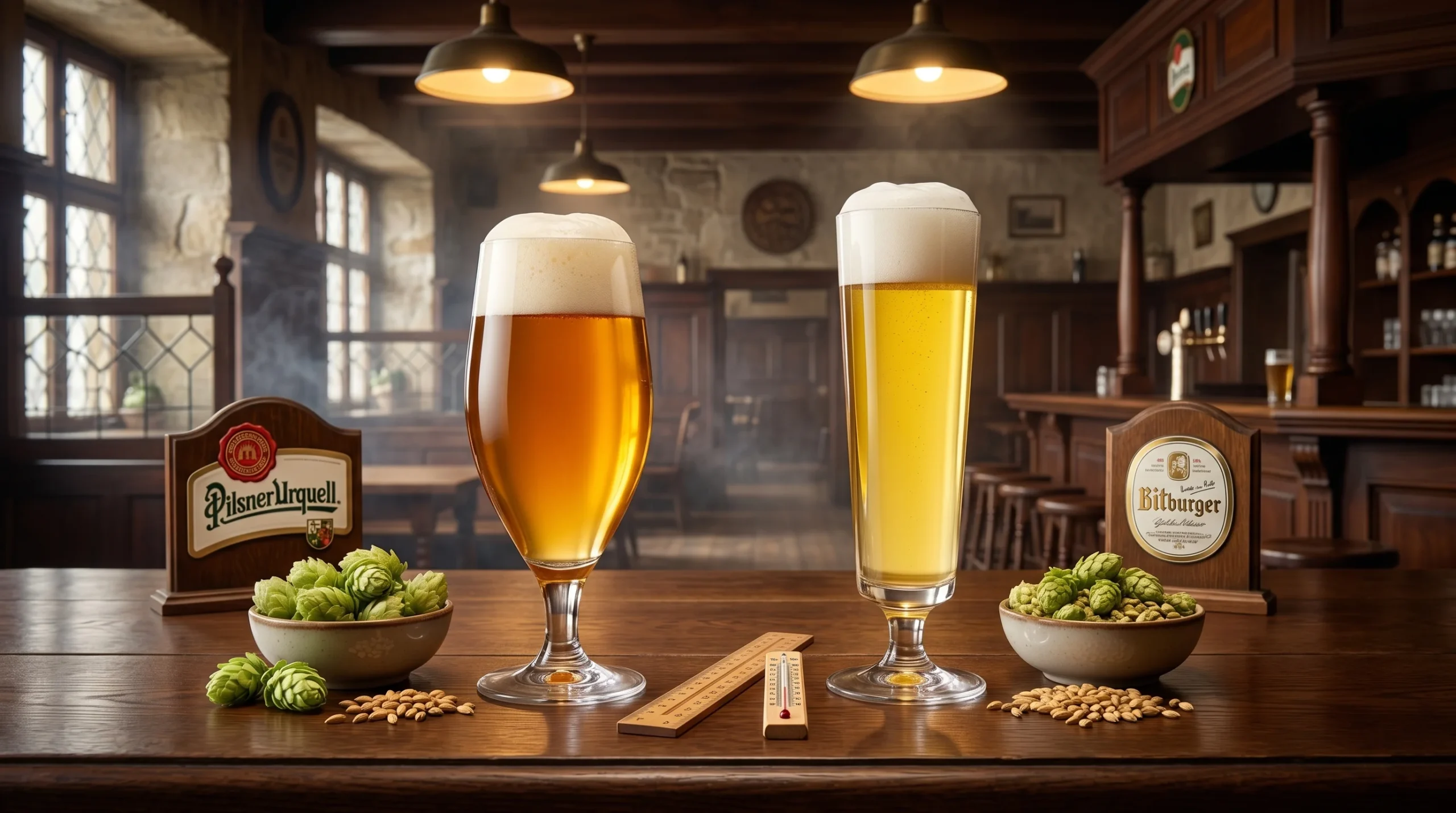
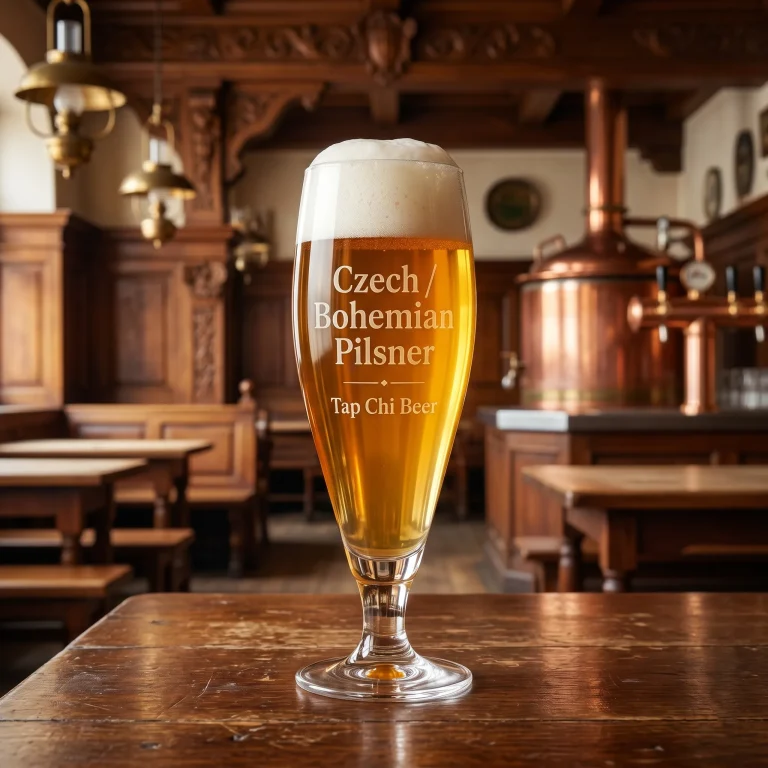
Czech / Bohemian Pilsner: The Original
This is the original Pilsner, the style Josef Groll created in 1842. Its hallmarks:
- Color: a deeper gold, never as pale as German Pilsner
- Aroma: rich, bready malt, a light hint of caramel, floral and spicy Saaz hops
- Flavor: malt-forward but balanced by the hops, with a semi-dry finish
- Body: medium, fuller than German Pilsner
- Bitterness: medium-high (35–45 IBU)
- Hops: Saaz only (the Czech noble hop)
- Water: very soft, the signature of Pilsen
Next to German Pilsner, the Bohemian version is rounder and fuller. It is a Pilsner you can drink like a small meal, with enough malt to satisfy and enough hops to balance it.
Classic examples:
- Pilsner Urquell: Josef Groll’s original brewery, brewing without interruption since 1842 and still the gold standard for Bohemian Pilsner.
- Budweiser Budvar (Czech): not the American Budweiser but the original Budweiser, from České Budějovice in the Czech Republic.
- Staropramen: a Prague brewery, and another classic Czech Pilsner.
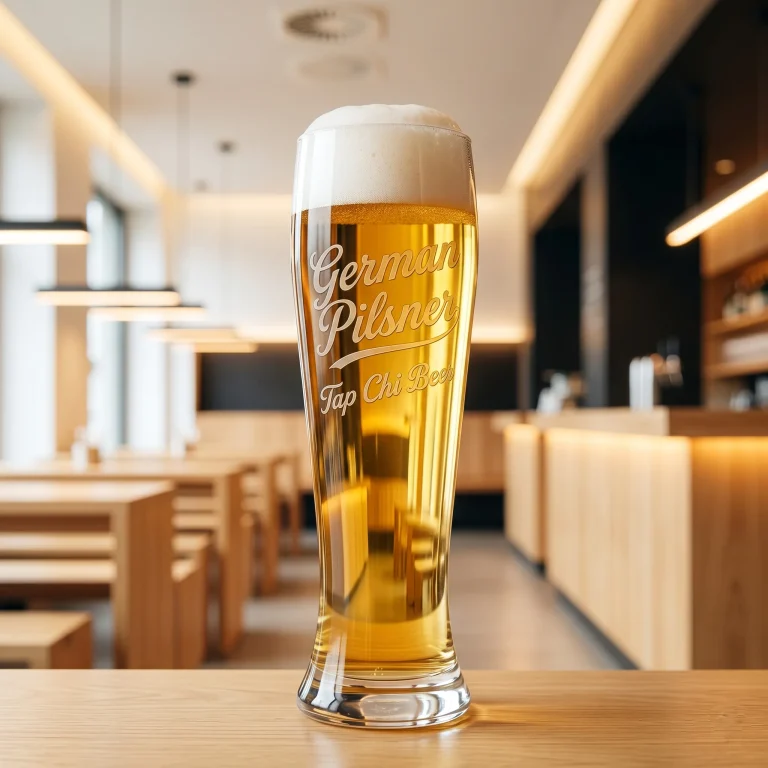
German Pilsner: The Bavarian Refinement
When Czech Pilsner reached Germany, German brewers did not copy it. They refined it, and German Pilsner emerged as a different beer:
- Color: a brighter, paler straw than Bohemian
- Aroma: hops ahead of malt, floral and grassy with a delicate spice
- Flavor: hop-forward and drier, with a sharper finish
- Body: light to medium-light, sleeker than Bohemian
- Bitterness: high (30–40 IBU) and clearly prominent
- Hops: mainly Hallertau, Tettnang, and Spalt (the German noble hops)
- Water: harder than Pilsen’s, with more minerals
The pattern: Bohemian is malt-balanced; German is hop-forward.
The reason is geography. Water in Bavaria and northern Germany is not as soft as Pilsen’s, so German brewers compensated with more assertive hops and paler malt. The result is a sharper, drier style that suits German taste.
Classic examples:
- Bitburger: the most internationally popular German Pilsner
- König Pilsener: a northern German Pilsner, dry and sharp
- Jever Pilsener: intensely hop-forward, known for its bittersweet character
- Rothaus Tannenzäpfle: a classic, traditionally brewed Pilsner from the Black Forest
How Hard Is a Good Pilsner?
As noted at the outset, Pilsner is one of the hardest styles to brew. The specific reasons:
1. There is nowhere to hide a flaw. Pilsner is clear, golden, light-bodied, and delicate. Any fault, whether diacetyl, oxidation, sulfur, or an off yeast character, shows from the first sip.
2. Lager fermentation is slow. It runs 4–8 weeks at low temperatures, 8–12 °C (46–54 °F), against 1–2 weeks at 18–25 °C (64–77 °F) for an ale. A brewery needs precise temperature control, a lot of tank space, and patience.
3. The diacetyl rest is critical. During lager fermentation, diacetyl, the compound behind an unwanted butterscotch flavor, can build up. The brewer has to carry out a “diacetyl rest,” raising the temperature to 18–20 °C (64–68 °F) for 2–3 days so the yeast can reabsorb it. Get the timing wrong and the beer is ruined.
4. Hop timing must be exact. A Pilsner needs bittering hops (a 60-minute boil) plus aroma hops (1–15 minutes in the boil). Miss by a minute and the beer drifts off course.
5. Water chemistry. A brewery has to adjust its water to mimic soft Pilsen water (for Bohemian) or the chemistry of Bavaria and northern Germany (for German). That is chemistry, not art.
This is why modern craft breweries fear Pilsner. Most of them would rather brew IPA, where big hops can cover mistakes. Brewing a Pilsner means sitting the final exam, and most fail it.
If a craft brewery has a Pilsner on the menu and it is a good one, you are looking at a technically skilled brewery.
IIIHelles, Kölsch, and Cream Ale: Three Alternatives to Pilsner
Pilsner is the most famous light beer style, but not the only one. Three other important styles represent philosophies opposed to Pilsner’s: Helles (Bavaria), Kölsch (Cologne), and Cream Ale (the United States).
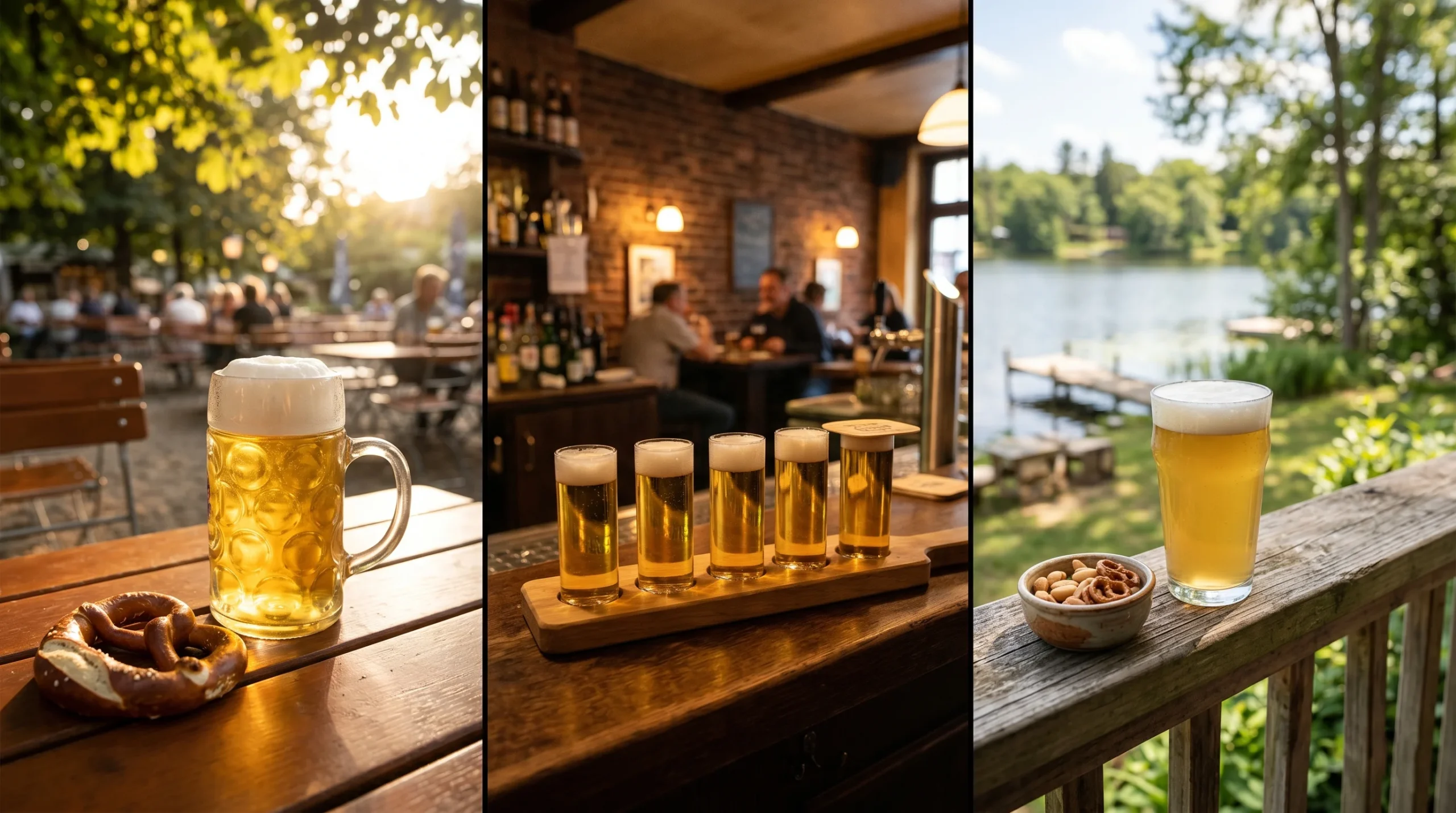
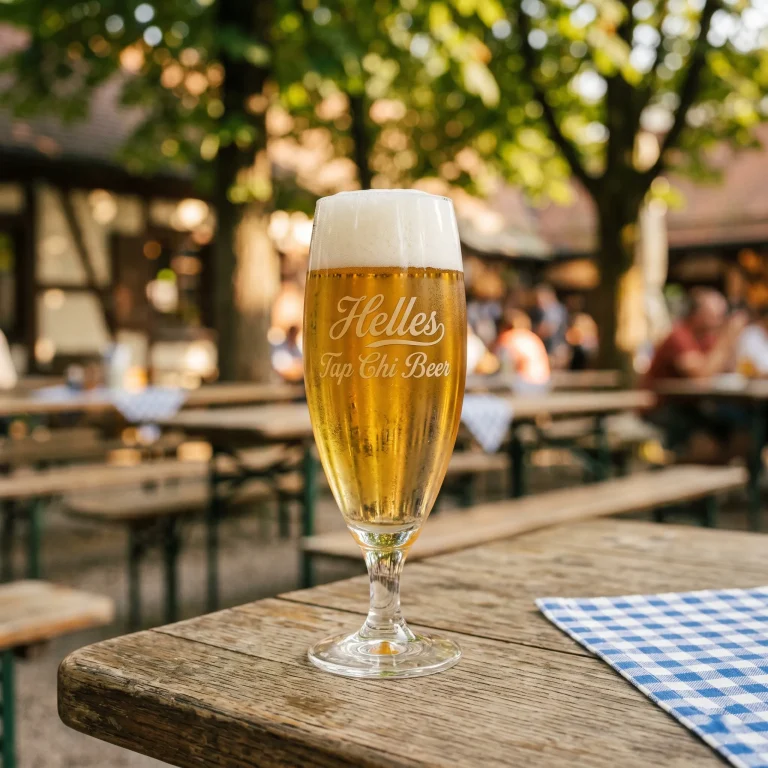
Helles: Bavaria’s Soft Answer
Helles appeared in Munich in 1894 as Bavaria’s response to Czech Pilsner. Its philosophy runs the other way: malt-forward, soft, and balanced.
Hallmarks:
- Color: bright pale gold, brilliantly clear
- Aroma: soft malt, a hint of toasted bread, barely perceptible noble hops in the background
- Flavor: malt-forward with a gentle sweetness and a medium body; hops just enough for balance
- Bitterness: low to medium (15–25 IBU)
- Body: medium, fuller than Pilsner
Pilsner and Helles compared:
| Element | Pilsner | Helles |
|---|---|---|
| Main character | Hops | Malt |
| Bitterness | Medium-high | Low-medium |
| Finish | Dry, sharp | Smooth, gentle |
| Mood | Sharper, focused | Softer, comfortable |
Helles is Bavaria’s all-afternoon beer, the beer-garden classic. Sit under the chestnut trees of a Munich beer garden in summer and the beer in your Maß (1 liter) is Helles, not Pilsner. It is a rounded beer with no harshness and no spikes, just a smooth body of malt.
Classic examples:
- Augustiner Lagerbier Hell: the Munich Helles that many beer judges rank first in the world
- Spaten Münchner Hell: from the brewery that created the style in 1894
- Weihenstephaner Original Helles: from the world’s oldest brewery (1040)
- Andechs Vollbier Hell: a Bavarian monastery Helles, rare and deeply respected
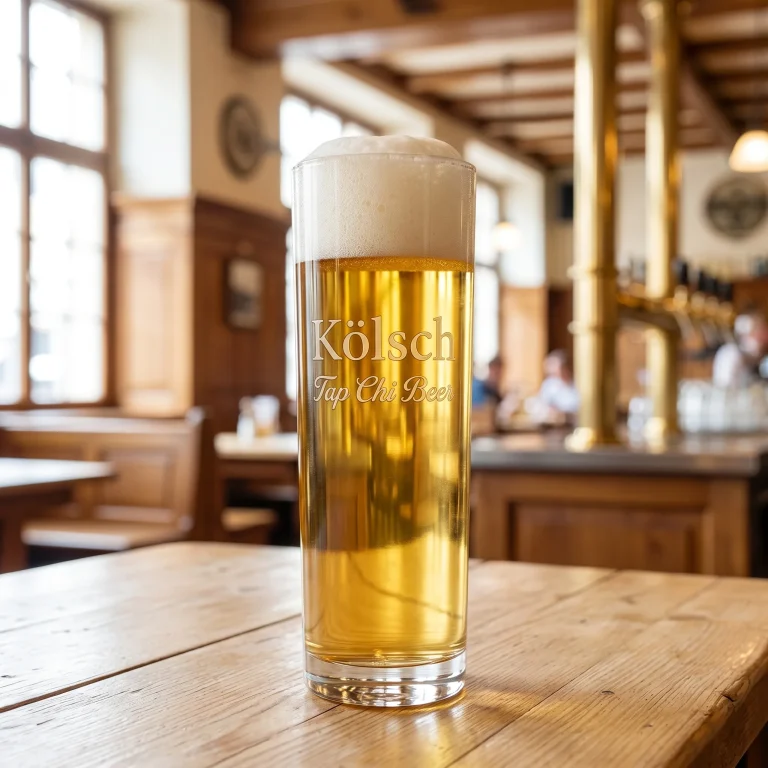
Kölsch: Cologne’s Hybrid
Kölsch is the only German beer style with geographic protection. Under the 1986 Kölsch Konvention, only beer brewed in the Cologne area may be called “Kölsch,” as with Champagne in France.
The philosophy is to draw on the strengths of both ale and lager:
- Top fermentation with ale yeast (light esters)
- Cold conditioning for 4–6 weeks, as with a lager (a clean character)
- The result: an ale’s soft fruitiness and a lager’s cleanness
Hallmarks:
- Color: pale, bright gold and very clear
- Aroma: light fruity esters (apple, pear), soft malt, a touch of noble Spalt hops
- Flavor: balanced, with light malt, light hops, and light esters, none of them dominant
- Body: light and sleek
- ABV: 4.4–5.2%
Kölsch is served in a stange, a small, straight 200 ml glass, not a pint glass. By Cologne tradition, the server carries a tray of full stanges (called a “Kranz”) and sets down a fresh glass whenever yours runs low, without waiting for an order. The refills stop only when you lay a coaster on top of your glass.
Examples:
- Gaffel Kölsch: one of the largest Kölsch brands in Cologne
- Reissdorf Kölsch: a Cologne family brewery with a traditional profile
- Früh Kölsch: one of Cologne’s old breweries
- Sünner Kölsch: the first Cologne brewery to use the name “Kölsch” (from 1918)
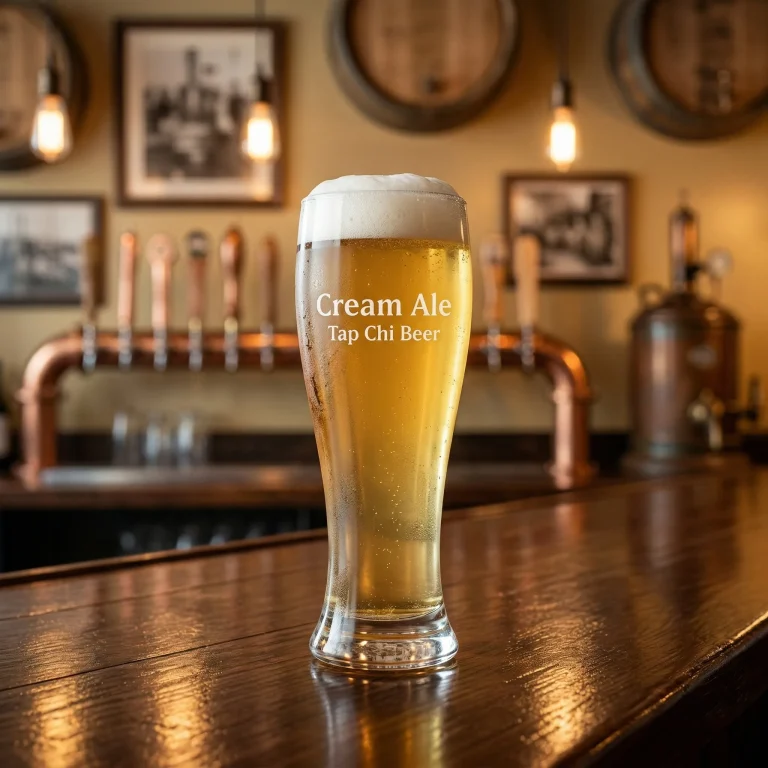
Cream Ale: An American Lager in Disguise
Cream Ale is an American style born in the late 19th century, when American brewers wanted to compete with the German and Czech Pilsners flooding in but lacked full lager equipment.
Their solution was to ferment ale cooler than traditional ale, sometimes blending it with lager. The result is a beer that resembles a lager but is still an ale.
Hallmarks:
- Color: pale yellow
- Aroma: soft malt, sometimes a hint of adjunct (corn or rice), light American hops
- Flavor: smooth and slightly sweet, with a clean finish
- Body: light to medium-light, with the signature creamy texture
- ABV: 4.2–5.5%
The “cream” in the name is not a cream flavor; it describes texture. Cream Ale has a softer, less sharp mouthfeel than Pilsner. It is a transitional style, well suited to drinkers not yet used to craft beer.
Examples: Genesee Cream Ale (a New York classic), Schell’s Schmaltz Alt, and Sun King Wee Mac.
What They Share
Helles, Kölsch, and Cream Ale share a philosophy opposed to Pilsner’s: in place of sharp, hop-forward bitterness, they prize softness, balance, and accessibility.
All three are fine everyday beers: Helles for the Bavarian beer garden, Kölsch for Cologne’s stange tradition, Cream Ale for an American summer porch. Each aims to please from the first sip to the last.
IVOther Styles: Blonde Ale, Pale Ale, and Light Lager
Light beer is a large category, with many important styles beyond Pilsner, Helles, and Kölsch. This section covers the remaining “session beer” styles: beers you can drink all day without wearing out, suited to almost any occasion.
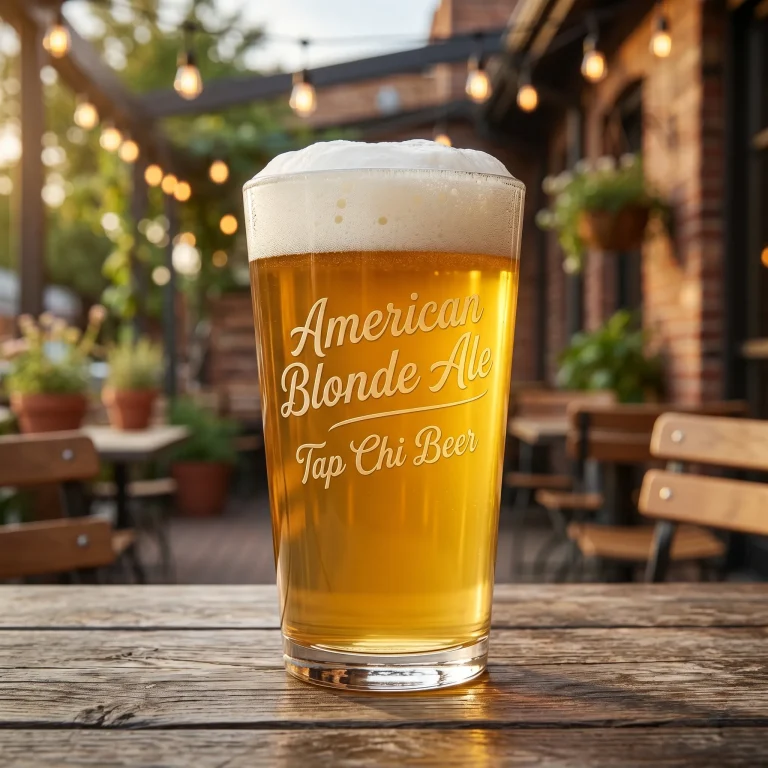
American Blonde Ale
Blonde Ale is the American take on an easygoing light beer, developed by craft brewers as an entry point for drinkers just discovering craft beer.
Hallmarks:
- Color: pale yellow to bright gold
- Aroma: gentle malt, light American hops (Cascade, Centennial), a hint of citrus
- Flavor: balanced, slightly sweet malt with just enough hops to offset it
- Body: light to medium
- ABV: 4.5–5.5%
This is a “bridge beer,” linking the commercial market to craft beer. A drinker coming from Heineken or Budweiser can switch to a Blonde Ale without a jolt. From there, the path leads to Pale Ale, then IPA, then more complex styles.
Examples: Kona Big Wave Golden Ale, Victory Summer Love, and Firestone Walker 805 Blonde.
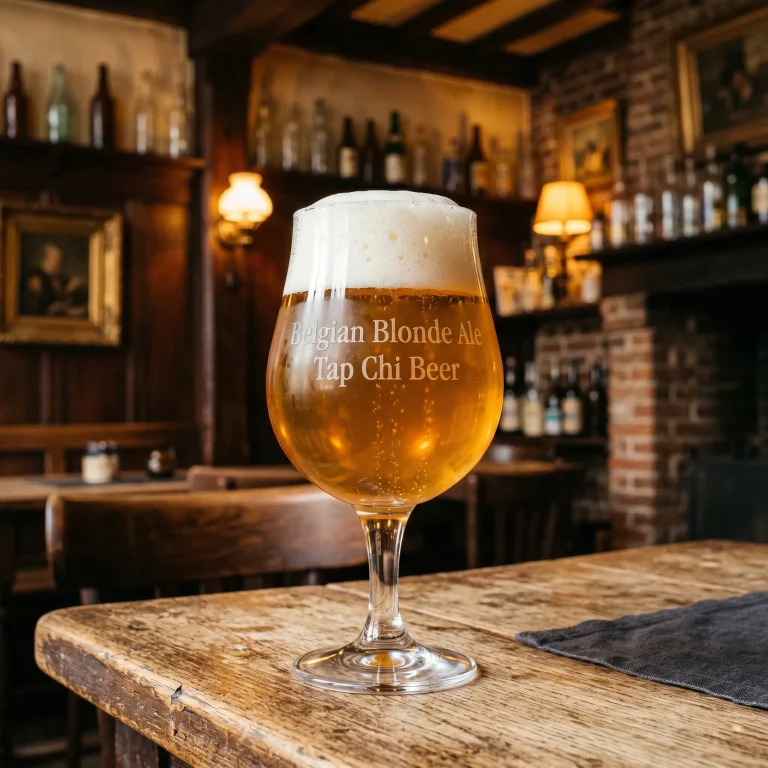
Belgian Blonde Ale
The Belgian version of Blonde Ale differs from the American one in its Belgian yeast character.
Hallmarks:
- Bright gold to a slightly deeper gold
- A clear Belgian yeast aroma: fruity esters (apple, pear, a hint of banana) and a touch of spice
- A soft palate, slightly sweet malt, complex yeast character
- More alcohol than American Blonde (6–7.5% ABV)
Belgian Blonde Ale is an entry point into Belgian beer: simpler than a Belgian Tripel or a Quadrupel, but with an unmistakably Belgian yeast profile. Our guide to Belgian beer already covers it, so it gets only a brief note here.
Examples: Leffe Blonde (the benchmark abbey beer), Affligem Blonde, and Brugse Zot.
English Pale Ale
A classic English style, neither a strong IPA nor a hoppier American Pale Ale. English Pale Ale is the traditional English session beer, balancing biscuity malt against English noble hops.
Hallmarks:
- Color: golden amber to light copper
- Aroma: biscuity malt, light caramel, English hops (East Kent Goldings, Fuggles) with an earthy, floral edge
- Flavor: malt and hops in balance, a medium body, a moderately dry finish
- ABV: 4–5.5%
English Pale Ale is served warmer than Pilsner, at 10–13 °C (50–55 °F), and is usually a traditional top-fermented ale. It is England’s pub beer, drunk at the local, where every pint comes with a story and every evening with friends.
Examples: Fuller’s London Pride, Timothy Taylor’s Landlord, and Bass Pale Ale.
Note that English Pale Ale differs from American Pale Ale (hoppier, with strong citrus from American hops), which is covered in our guide to bitter beers.
European Pale Lager: Lager for the Masses
European Pale Lager is a catch-all category for European Pilsners adapted for the mainstream: not the uncompromising Czech Pilsner, not the refined German Pilsner, but an accessible version for the mass market.
Hallmarks:
- Pale yellow and clear
- Clean, with little hop presence and mild malt
- Light-bodied and refreshing
- 4.5–5.5% ABV
Examples: Heineken (Netherlands), Stella Artois (Belgium), Beck’s (Germany), and Carlsberg (Denmark). These are global brands, not authentic Pilsners, but they are well-made light beers for a mass audience.
Worth noting: Heineken was created in Amsterdam in 1873, nearly 30 years after Pilsner Urquell. It is one of the “second generation” Pilsners, which brought the style to a wider public by adapting it to international taste.
American Adjunct Lager: Mass-Produced Beer
This is the most popular style in the United States, with more than 80% of the American beer market. Its standard-bearers are Budweiser, Coors, and Miller.
“Adjunct” means malt from grains other than barley, mainly corn (Budweiser) or rice (Coors). American brewers use adjuncts because they:
- Cost less than malted barley
- Make a lighter beer (corn and rice carry little protein)
- Suit the American taste for beer that is “not too strong”
Hallmarks:
- Bright pale yellow
- A faint malt aroma, almost no hops
- A very light, thirst-quenching body
- “Watery” to a connoisseur, “refreshing” to the mass market
- 4–5% ABV
Connoisseurs look down on American Adjunct Lager, but it remains a legitimate style: the beer of baseball games, summer barbecues, and casual get-togethers. It makes no attempt at complexity. It aims only to refresh and to go down easily.
Light Lager: The Low-Calorie Version
Last comes a modern American style, Light Lager: the low-calorie version of American Adjunct Lager, with less malt, fewer calories, and less alcohol.
Hallmarks:
- 3.5–4.5% ABV
- About 95–100 calories per 12-ounce bottle (against 145 for regular Budweiser)
- Extremely light, close to “water with beer flavor”
Examples: Bud Light, Coors Light, Miller Lite, and Michelob Ultra.
No style draws more criticism from the beer community. Yet by the numbers, Bud Light was the top-selling beer in America for many years, a reminder that a “good” beer and a top-selling beer are not always the same thing.
VLight Beer in Vietnam: Saigon, 333, Larue, and Hà Nội
This section poses a particular question: where does Vietnamese beer fit within light beer?
Most of Vietnam’s commercial beer, including Saigon, 333, Larue, Bia Hà Nội, Heineken Vietnam, and Tiger, falls under European Pale Lager or American Adjunct Lager. It needs saying plainly: no Vietnamese brewery is making an authentic Czech Pilsner, Bavarian Helles, or Cologne Kölsch.
That is not a problem. It is the reality of the Vietnamese market, which asks for easy-drinking light beer. The more important question is this: can Vietnamese beer count as “good light beer”?
Judging Vietnamese Beer Fairly
Here are Vietnam’s most popular commercial beers, assessed by the standards of professional beer judging:
Bia Saigon (Saigon Special, Saigon Gold): European Pale Lager / Adjunct Lager. Clean, light on flavor, refreshing. Light body, 4.9–5.3% ABV. An “average” commercial beer, neither bad nor outstanding. It suits Saigon’s heat and goes down easily, glass after glass, without fatigue.
333 Premium Export: Adjunct Lager. Similar to Saigon Special but a little cleaner. Neutral in character, with no esters, no distinct hops, and no malt complexity. A “wallpaper” beer: not bad, but not memorable.
Larue Special: Adjunct Lager. Sweeter than Saigon, with a slightly fuller body, it suits tastes in central and southern Vietnam. Larue has a long history: the Larue brewery was founded in Saigon under French colonial rule (1909).
Bia Hà Nội: a northern Adjunct Lager. Slightly hoppier than Saigon, with a medium body. Of all Vietnam’s commercial beers, it has the clearest regional character, that of the north.
Heineken Vietnam, Tiger Vietnam, Carlsberg: international brands brewed in Vietnam, close to their originals but adjusted to Vietnamese taste.
Why Vietnamese Beer Is “Adjunct Lager”
The reasons are historical and economic:
1. The French colonial legacy. Vietnam’s first brewery (Larue, 1909) was set up by the French with European lager methods, producing not an authentic Czech Pilsner but a mass-market version.
2. A hot, humid climate. Vietnam’s climate calls for very light, refreshing, light-bodied beer. Complex beers (Hefeweizen, Tripel, Stout) are a poor match for quenching thirst in summers of 35–40 °C (95–104 °F).
3. The “dzô, 100%” culture (cheers, bottoms up). In Vietnam, beer is usually drunk fast, many glasses over a meal. Complex beer does not fit; the table needs a beer that can be drunk steadily without fatigue.
4. Cheap adjuncts. Rice is abundant and cheap in Vietnam, and rice or corn adjuncts cost less than 100% malted barley.
Together these factors produce a distinctly Vietnamese kind of light beer. Not an authentic Pilsner, not a Bavarian Helles, but a beer of the tropical climate, of dzô culture, and of adjunct economics.
International Light Beers Worth Trying
For anyone who wants to explore the world’s benchmark light beers, here is a list:
Pilsner:
1. Pilsner Urquell (Bohemian Pilsner, Czech Republic): the original Pilsner benchmark. Worth drinking at least once.
2. Bitburger (German Pilsner, Germany): an internationally popular German Pilsner. Sharp, dry, hop-forward.
3. Budweiser Budvar (Bohemian Pilsner, Czech Republic): the original Budweiser, not the American one.
Helles:
4. Weihenstephaner Original Helles (Helles, Germany): Helles from the world’s oldest brewery (1040).
5. Augustiner Lagerbier Hell (Helles, Germany): ranked the world’s top Helles by many beer judges.
Kölsch:
6. Gaffel Kölsch (Kölsch, Germany): authentic Kölsch from Cologne. Harder to find, but worth the effort.
Belgian Blonde:
7. Leffe Blonde (Belgian Blonde Ale, Belgium): the benchmark abbey beer.
English Pale Ale:
8. Fuller’s London Pride (English Pale Ale, England): a traditional English Pale Ale, hard to find but worth the search.
European Pale Lager:
9. Heineken (European Pale Lager, Netherlands): the most widespread internationally, and easy to find.
Pairing Light Beer with Vietnamese Food

Light beer is the most natural partner for Vietnamese food: it does not flatten Vietnamese seasoning, and it suits the hot, humid climate.
- Phở (Vietnamese rice noodle soup) and Pilsner (Pilsner Urquell or Bitburger): Saaz or German hops resonate with the cinnamon and star anise, and the light body leaves the broth undisturbed.
- Bún chả (grilled pork with rice noodles, a Hanoi specialty) and Helles (Augustiner Hell): the soft, gentle malt suits the grilled pork and fresh herbs.
- Grilled seafood and Kölsch: the sleek body of a Kölsch refreshes the palate between clams, squid, and shrimp.
- Bánh mì (Vietnamese baguette sandwich) and Cream Ale or Blonde Ale: an easygoing light beer for a street-food staple.
- Gỏi cuốn (Vietnamese fresh spring rolls) and Czech Pilsner: clean and crisp, the Pilsner does not overpower the shrimp and raw herbs.
- Cơm tấm (broken rice with grilled pork, a Saigon staple) and Saigon Special: a Saigon classic. The beer makes no attempt to compete with the grilled pork chop; it simply keeps it company.
An Important Truth
After reading about Pilsner Urquell, Augustiner Hell, and Gaffel Kölsch, you may be thinking, “Saigon Beer is terrible next to these.” That conclusion is wrong.
Beer serves a specific context. Pilsner Urquell is at its finest in Prague with goulash, Augustiner Hell in a Munich beer garden with a pretzel, Gaffel Kölsch in Cologne, poured into a stange.
Bia Saigon is at its finest in Saigon, with bánh xèo and friends. A beer earns the word “good” by suiting its setting, not in any absolute sense.
A connoisseur is not someone who drinks only expensive premium beer. A connoisseur is someone who knows what to drink when. Pilsner Urquell has its place. So does Saigon Beer. Both are good light beers in the right setting.
VISumming Up: When Simple Is the Summit
If one core message runs through all of this, it is that simple does not mean ordinary. Sometimes the height of the art is subtlety within simplicity.
Earlier guides in this series dealt with the muscular (Imperial Stout, in our dark beer guide), the complex (Trappist beer, in our Belgian beer guide), and the extreme (barrel-aged beer, in our strong beer guide). This one is about the opposite: the beers that do the least to impress yet demand the most technique.
Four Lessons from Light Beer
1. Pilsner teaches discipline. There is no room to hide mistakes, and every element must be in balance. A good Pilsner brewer has to control temperature, hop timing, water chemistry, and the diacetyl rest, down to the last detail. This is brewing technique at its peak, not creativity at its peak.
2. Helles teaches humility. This Bavarian beer does not try to wow anyone. It tries only to be rounded and dependable: each sip like the last, each glass like the one before. It is a style of traditional consistency and craftsmanship, never surprising, never disappointing.
3. Kölsch teaches balance. Neither ale nor lager, it takes the strengths of both. Cologne’s brewers chose not to follow the Pilsner trend and developed a hybrid of their own. The lesson is that there is no need to pick a side; sometimes the answer lies in between.
4. Bia Saigon teaches context. No beer is “good” in the abstract. A good beer is one that fits its specific context. In Saigon, among friends, at 35 °C (95 °F), a Bia Saigon can be “better” than a Pilsner Urquell in the same setting. It is a lesson in the relativity of appreciation.
Why Light Beer Matters
Light beer accounts for more than 80% of the beer consumed in the world. That is no small figure. This is the style that defines beer for most people.
Someone in Vietnam drinks a bottle of Heineken after work. Someone in Germany drinks a Maß of Augustiner Hell in a beer garden. Someone in the United States drinks a Bud Light at a baseball game. Someone in the Czech Republic drinks Pilsner Urquell with goulash. All of them are drinking light beer, each in a setting of their own.
It is the style that unites drinkers around the world. Not as muscular as a stout, not as complex as a lambic, not as exclusive as a Trappist ale. Just beer: simple, approachable, there when you need it.
A Philosophical Question
Having read about Pilsner Urquell, Augustiner Hell, and Gaffel Kölsch, you may ask yourself: “Why doesn’t Vietnamese commercial beer seem that good to me?”
The honest answer: Vietnam’s commercial beer has not been made for connoisseurs. It is made for the mass market: approachable, refreshing, easy to keep drinking, suited to the hot climate and to dzô culture.
That is not a problem. Every country has its own beer history. The Czechs spent 180 years refining Pilsner, the Germans more than 130 years refining Helles. Vietnam has had a modern brewing industry only since the French colonial period, some 100 years. It is still early days.
In time, Vietnam may develop a signature light beer style, joining the lager tradition to Vietnamese spices and ingredients. Perhaps a tropical Pilsner made with Vietnamese rice malt. Perhaps a Helles brewed with sticky rice. Perhaps an entirely new style.
That is open ground for Vietnam’s craft breweries to explore. Light beer has not been fully “solved”; there is still room for local invention.
A Last Word
The next time you pour a Pilsner, a Helles, or simply a bottle of Saigon Special on a hot afternoon, take a second to remember:
In your glass is a style that brewers spend their whole lives learning to master.
It is the legacy of an 1842 revolution in a small Bohemian town.
It is the art of simplicity: the most underrated style in beer, and among the most deserving of respect.
Light beer does not try to impress. It only tries to please, and sometimes that is the hardest thing of all.
Mentioned in this article
-
Beer O L O G Y
The World of Bitter Beer Begins with IPA
and 5 more linked in the text
Originally published in Vietnamese on Tạp Chí Beer.