Dark Beer Is Not One Style
Dark beer covers far more than Guinness: 28 styles, from Ireland’s rich, roasty stouts to Germany’s smooth Schwarzbier.
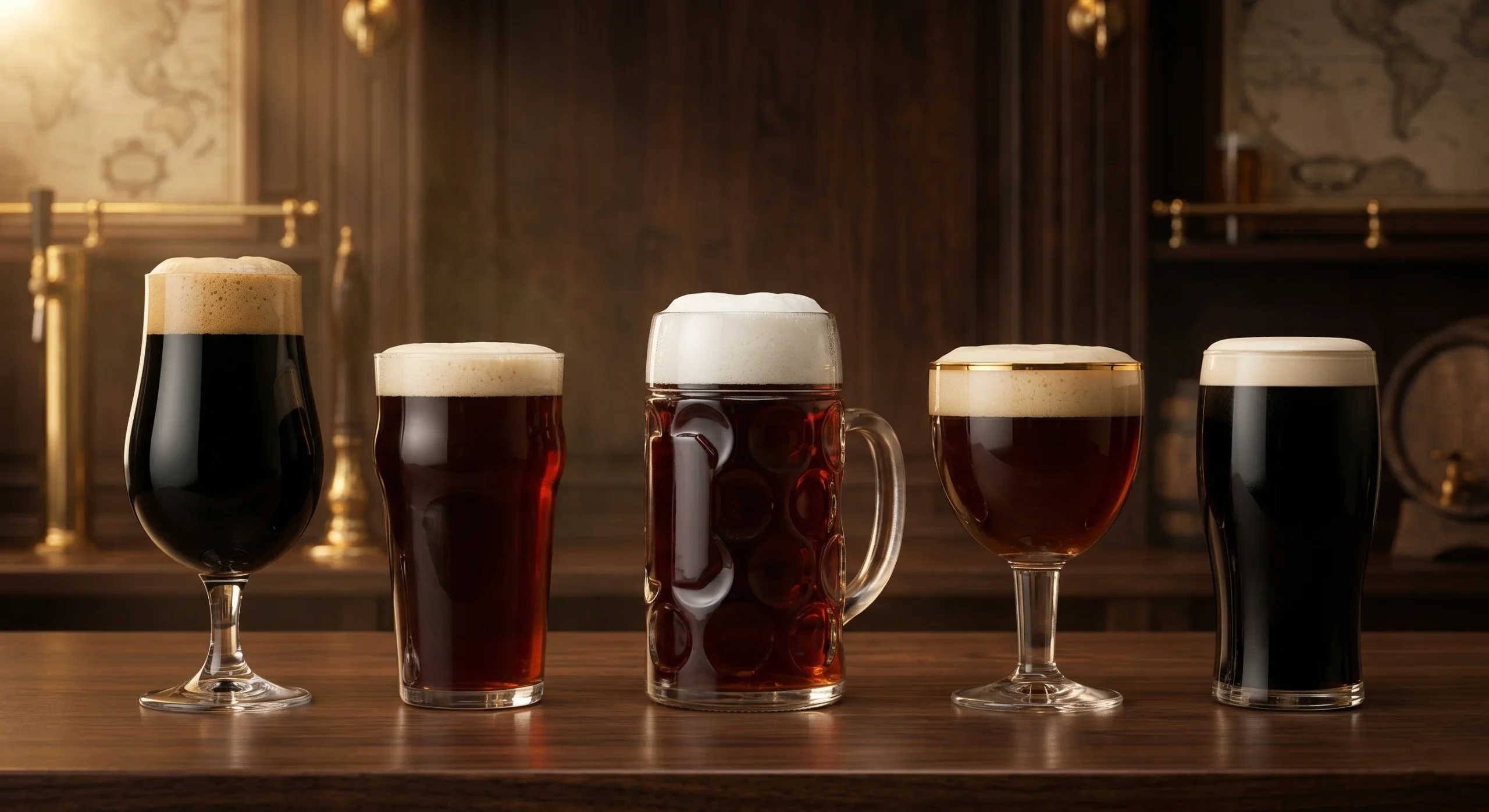
One question comes up again and again at first tastings with people new to craft beer:
“Dark beer, that’s Guinness, right?”
The short answer: not quite.
The long answer: dark beer is not one beer. It spans at least 28 distinct styles, from German Schwarzbier as dry as tea to American Imperial Stout at 13% ABV, as dense as bitter chocolate.
Guinness is one starting point among many.
IWhat Is Dark Beer?
In Vietnamese, “bia đen,” literally “black beer,” is the everyday name for any beer that runs from dark brown to jet black.
Among people who study beer closely, though, no style is actually called dark beer. What goes by that name covers 5 major families:
- Stouts: rich and roasty, with coffee notes. This is the family Guinness belongs to.
- Porters: stout’s sibling, a little lighter and more chocolate-driven.
- Dark Lagers: dark beers brewed as lagers (fermented cold over a long period). Dry, clean, and light in body.
- Dark Ales: a broad group that includes Belgian Dark Ale, English Dark Mild Ale, Scottish Ale, and others.
- Brown Ales: dark brown rather than black, sitting between pale beer and dark beer.
Each family has its own history, its own ingredients, and its own occasions.
Learning the differences between them is one of the first steps from simply drinking beer to actually tasting it.
IIWhy Is Dark Beer Dark?
A common question: is dark beer colored with caramel, dye, or some other additive?
The short answer is no. Dark beer is dark for one reason only: roasted malt.
Behind that simple answer lies a body of chemistry and craft that brewers have refined over centuries.
What Is Malt?
Before talking about color, it helps to understand malt.
Malt is barley that has gone through malting, a three-step process:
- Steeping: the barley soaks in water for 1–2 days to activate its enzymes.
- Germination: the grain is spread out and kept moist so it sprouts over 4–6 days. During this stage the enzymes develop rapidly, getting ready to convert starch into sugar.
- Kilning: once the sprouts reach the desired stage, the grain is dried to halt growth. This is the step that decides color.
Kilned at low temperatures, 50–80 °C (122–176 °F), malt stays pale gold. This is the malt behind lagers and other familiar golden beers.
Kilned hotter, at 80–120 °C (176–248 °F), it turns light brown, the malt of amber ales and pale ales.
At very high heat, 180–230 °C (356–446 °F), closer to roasting than drying, it goes from deep brown to black. That is the malt of dark beer.
Degrees of Roast
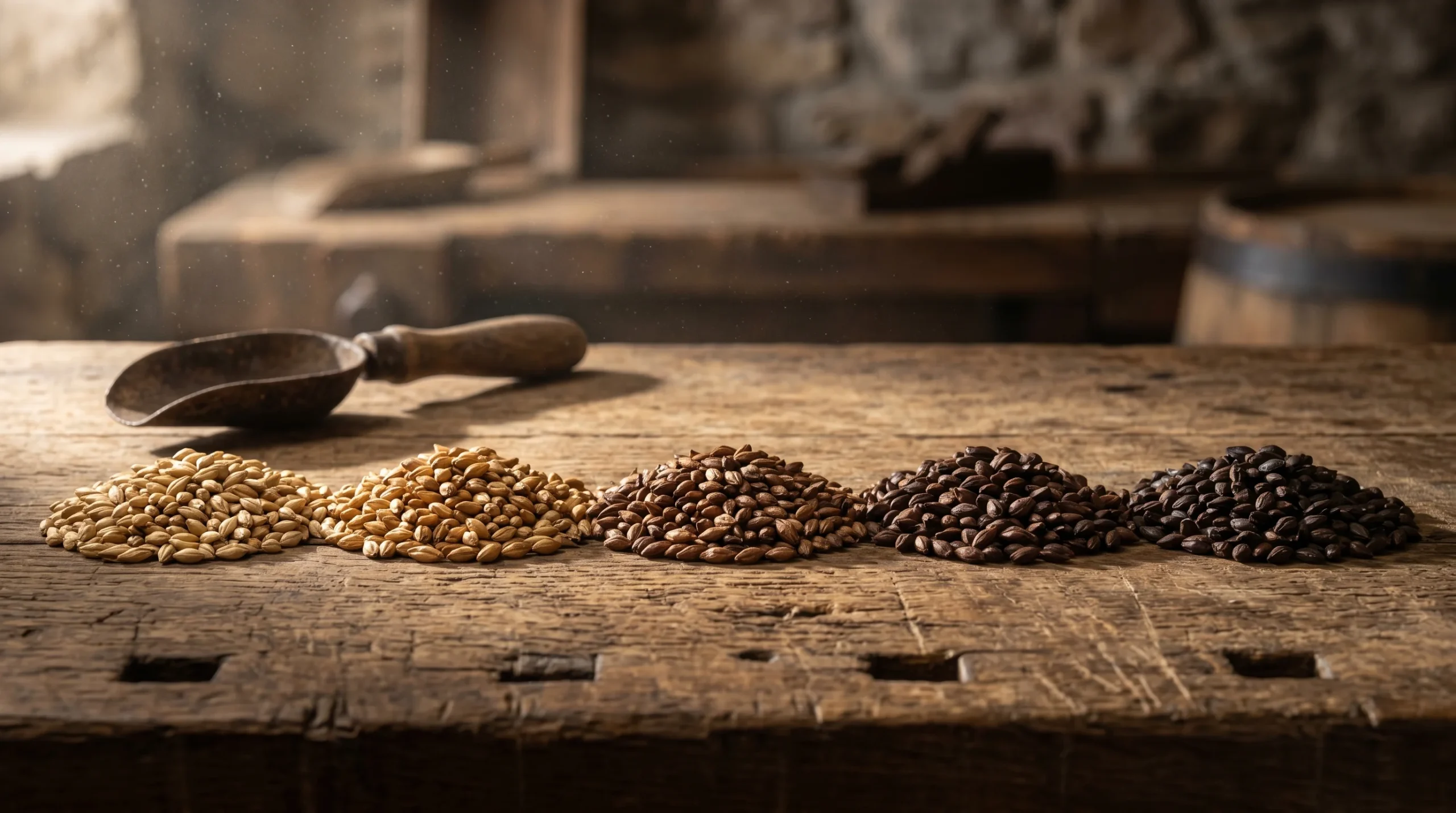
Brewers grade malt by color in degrees Lovibond (°L). The higher the number, the darker the malt:
- Pale Malt (2–4 °L): pale gold, used for lagers and IPAs
- Crystal Malt (10–120 °L): golden brown to deep brown, for caramel flavor and body
- Chocolate Malt (350–450 °L): dark brown, for its signature chocolate note
- Roasted Barley (300–500 °L): unmalted barley roasted directly. It gives black-coffee aroma and a light bitterness, and it is the grain that defines stout
- Black Patent Malt (500–600 °L): jet black, used in small amounts for a deep black color
Each malt brings its own flavor. A brewer designing a stout recipe may combine 5–7 malts, each playing a part in the final flavor.
The Chemistry of Brown and Black
At the molecular level, the color of roasted malt comes from two main chemical reactions:
The Maillard reaction: when sugars and amino acids meet at high temperatures, they form hundreds of new compounds. This is the reaction behind the smell of toast, grilled meat, and roasting coffee. The same chemistry that browns a bread crust darkens malt.
Caramelization: heated past a certain point, sugar caramelizes, producing a golden-brown color and complex sweet aromas. It runs alongside the Maillard reaction during kilning.
The longer and hotter the roast, the stronger both reactions and the darker the malt. Past a certain point the sugars begin to break down, and the malt turns bitter and burnt. That is where brewers need tight control, because going too far ruins the whole batch.
Where Dark Beer’s Flavors Come From
Few dark beer drinkers realize this: the complex flavors in dark beer do not come from additives. They all come from malt.
- Coffee: from Roasted Barley
- Chocolate: from Chocolate Malt
- Caramel and toffee: from Crystal Malt
- Toast and bread crust: from Munich and Vienna malts
- Smoke: from smoked malt
- A light bitterness: from heavily roasted malt (distinct from hop bitterness)
When brewers design an imperial stout, they choose 5–6 malts in precise proportions to build layers of flavor. That is why brewing is called an art: it takes both scientific knowledge and a finely tuned palate.
A Common Misconception
Many Vietnamese drinkers assume that dark beer means strong beer, and strong beer means more alcohol. It is a major misconception.
A beer’s color has nothing to do with its alcohol content (ABV).
Consider the evidence:
- Guinness Draught (Irish Dry Stout): jet black, yet only 4.2% ABV, lower than Tiger (5%) or Heineken (5%).
- Schwarzbier: jet black, only 4.4–5.4% ABV, about the same as an ordinary lager.
- Imperial IPA: golden orange, yet it can reach 10% ABV, far stronger than Guinness.
Alcohol comes from fermented sugar, not from the color of the malt. A brewery can make a 3% ABV dark beer (English Dark Mild) or a 12% ABV golden one (Triple IPA). Color and strength are independent.
Once that sinks in, a whole range of dark beers you can drink all day opens up, and dark beer stops being something to fear.
IIIStouts: The Heart of Dark Beer
If dark beer has one territory larger than the rest, it is stout. With 10 styles, from Ireland’s Dry Stout to American imperial stouts at 14% ABV, the family covers a remarkably wide range of flavor.
Stout puts malt first. Hops play a supporting role, and richness is the whole point.
History & Origins
Stout appeared in 18th-century England, first as “stout porter,” a stronger version of porter. At the time, “stout” in English meant strong or full-bodied and had nothing to do with color.
Over time the word “porter” dropped away, leaving “stout.” One of the people who made the style famous was Arthur Guinness, who opened his brewery in Dublin in 1759 on a 9,000-year lease.
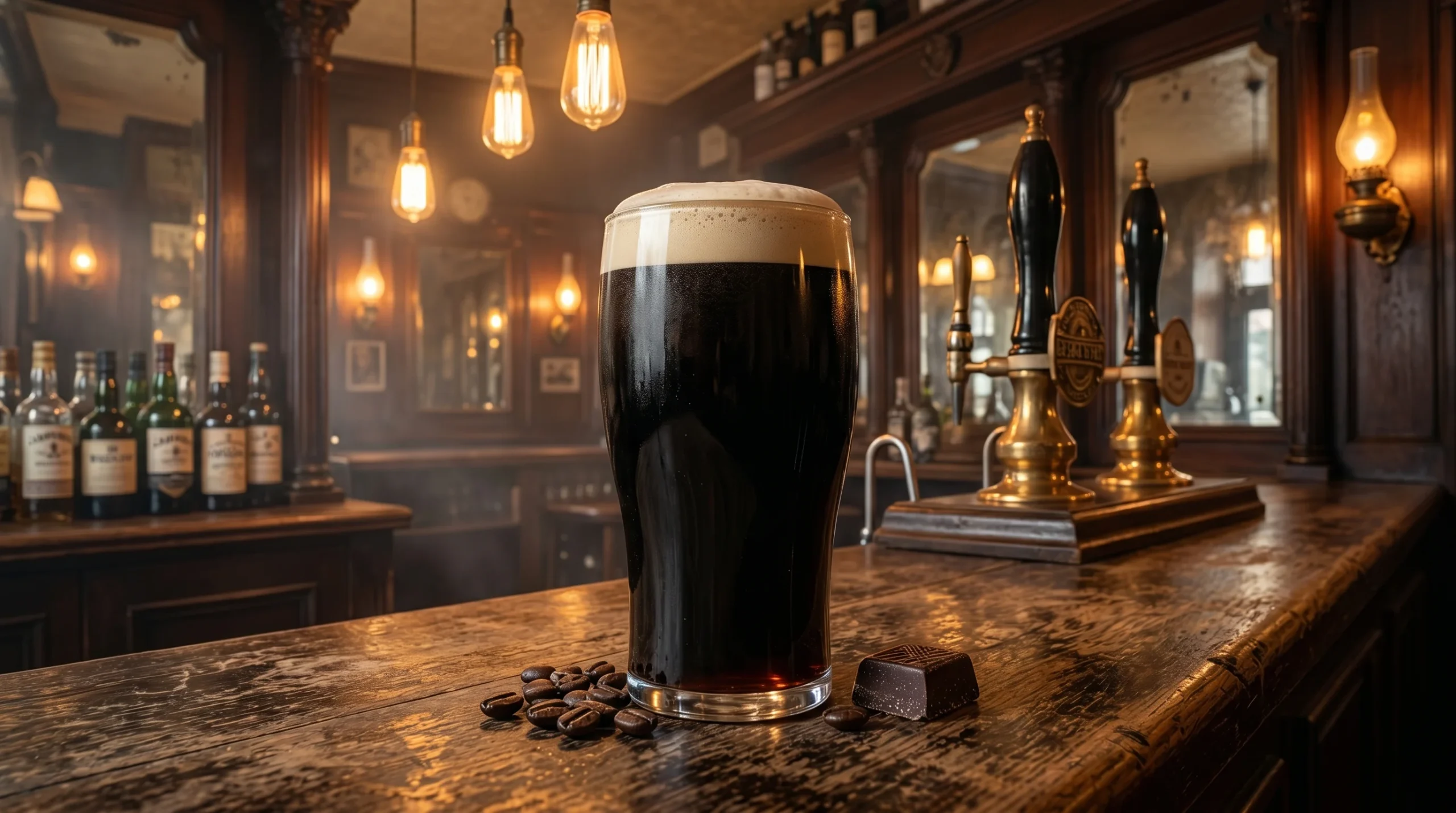
Common Traits of Stouts
- Color: Jet black, opaque to light
- Body: Medium to full
- Main flavors: Roasted coffee, bitter chocolate, caramel, sometimes vanilla, dark fruit, and alcohol
- Suits: Drinkers who like rich, malt-forward beer
Common Stout Styles
Irish Dry Stout
Dry, low in alcohol, and easy to drink. This is where Guinness belongs. A good place for newcomers to dark beer to start.
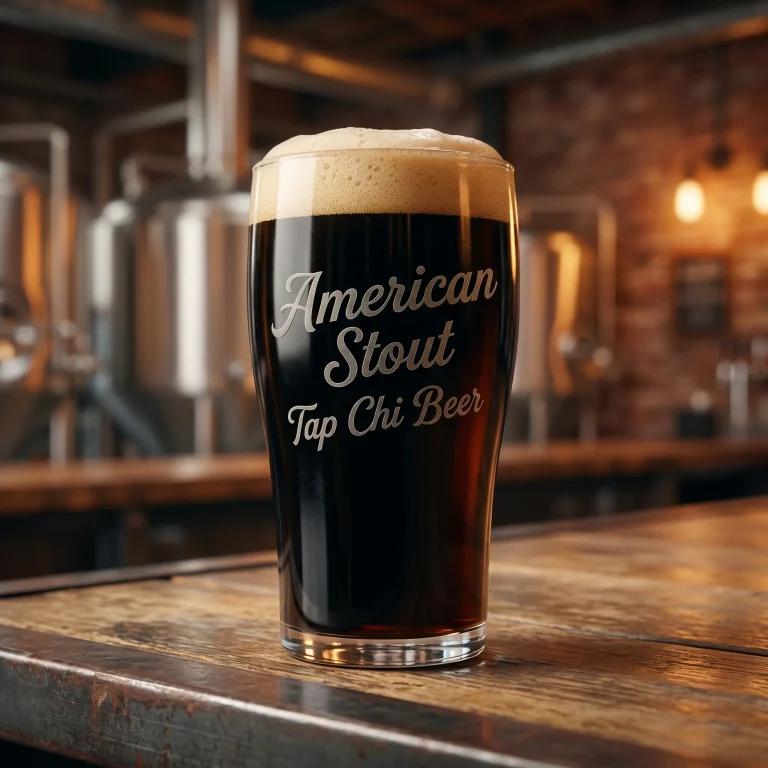
American Stout
The American version: more bitter and more assertively hopped than the English, with strong coffee notes.
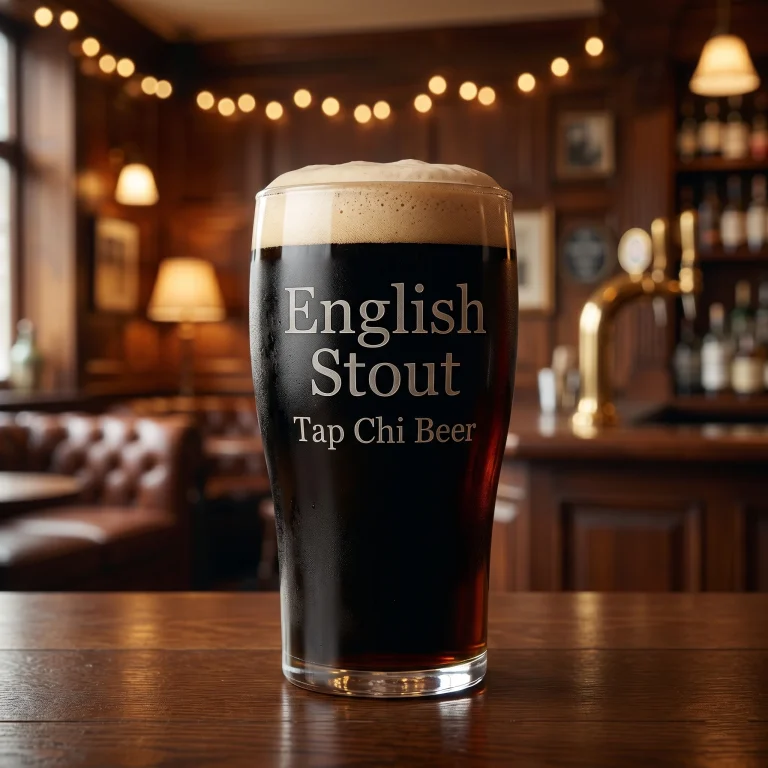
English Stout
Traditional English stout: balanced, not too bitter, malt-forward.
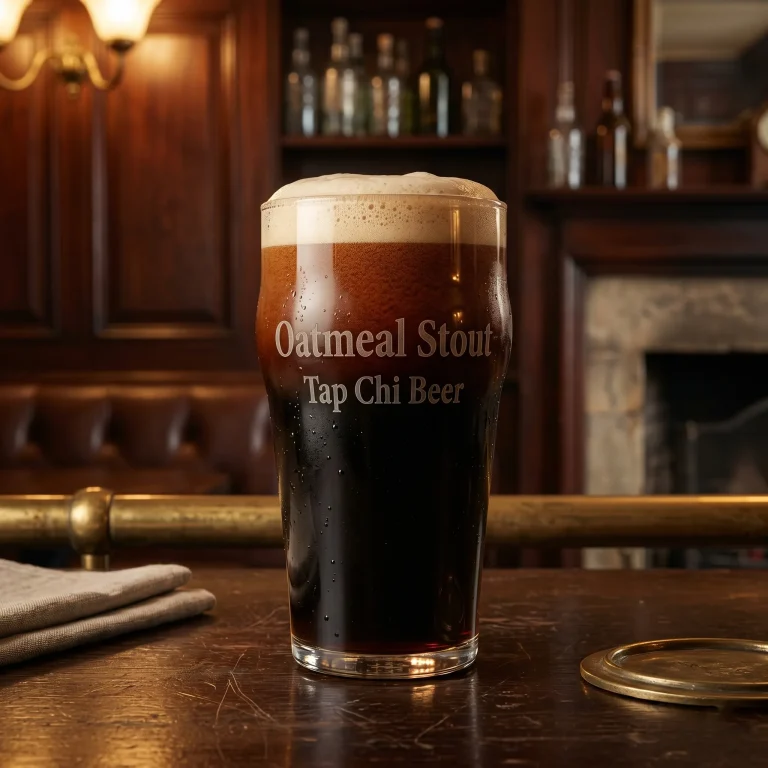
Oatmeal Stout
Oats in the recipe give it a silky body. One of the easiest stouts to drink.
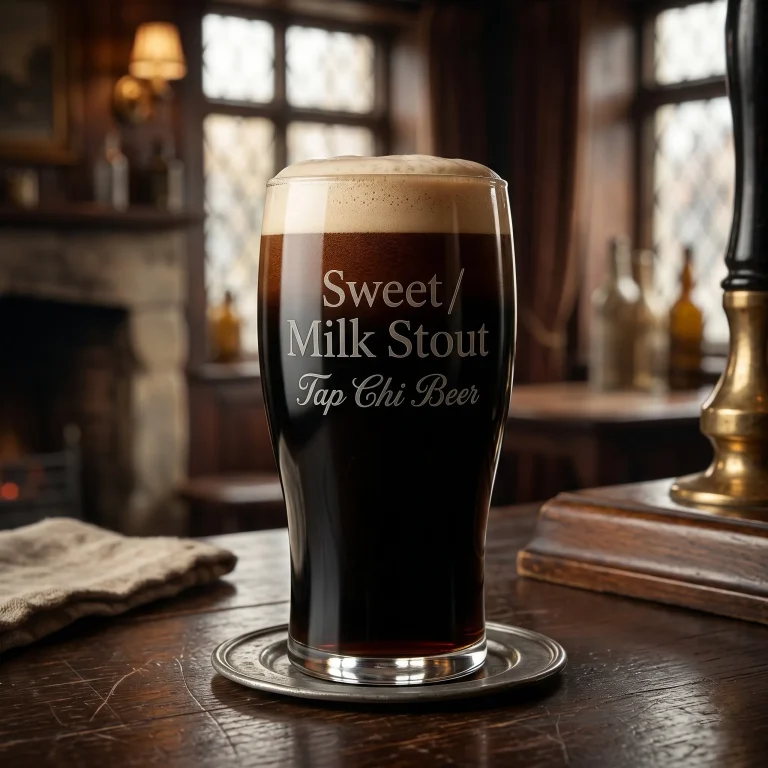
Sweet / Milk Stout
Contains lactose (milk sugar), which does not ferment and leaves a gentle sweetness. A good fit for drinkers who dislike bitterness.
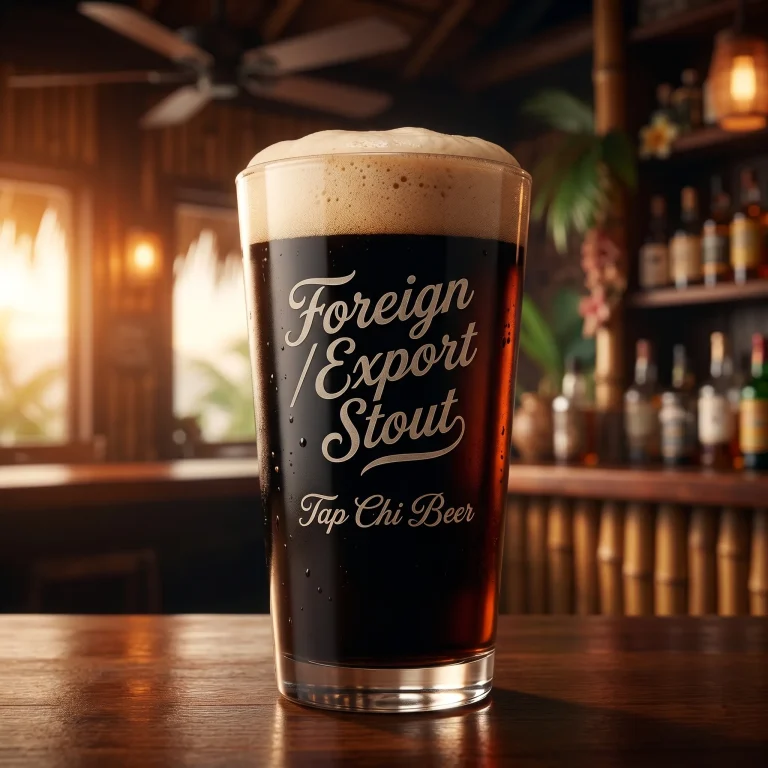
Foreign / Export Stout
The export version, brewed stronger to survive long sea voyages. Pronounced fruity notes and roasted malt.
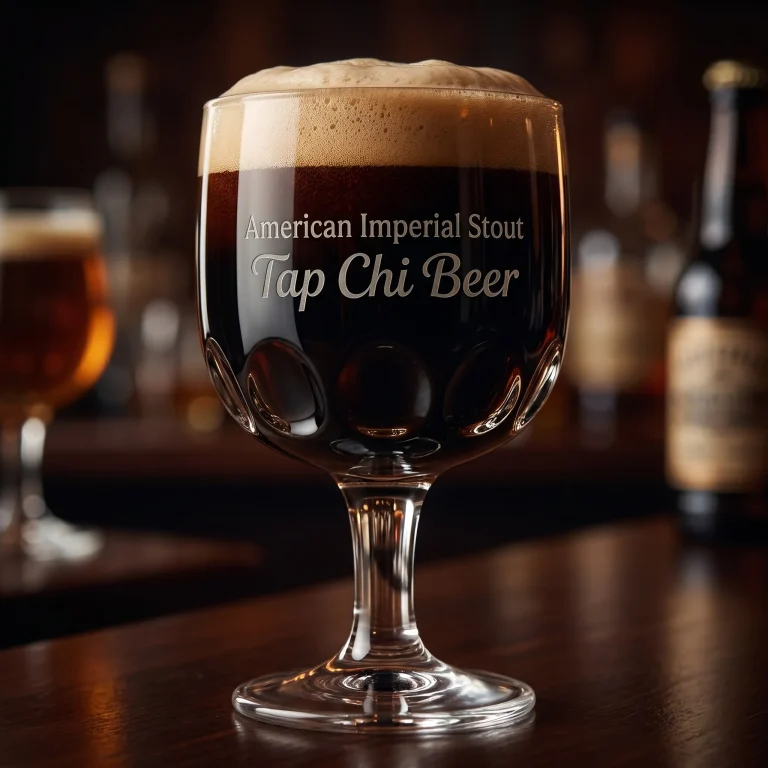
American Imperial Stout
Stout at full strength: rich, high in alcohol, and complex, with dark chocolate, strong coffee, and dark fruit.
Russian Imperial Stout
A style with a colorful history: brewed for the Russian imperial court in the 18th century, with high alcohol so it would not freeze in transit. Similar to American Imperial Stout but in the English tradition.
A modern style: stout with added ingredients such as vanilla, cacao, marshmallow, and hazelnut. Drinking one is like having dessert.
Imperial Pastry Stout
Pastry Stout at imperial strength, and extremely complex.
Stouts in Vietnam
In Vietnam’s craft beer wave, stout was one of the first styles local breweries took up. Pasteur Street Brewing’s Cyclo Stout is a good example: an imperial stout with Vietnamese coffee, made as a tribute to local culture.
If you are new to dark beer, an Oatmeal Stout or Sweet Stout from a Vietnamese brewery is a gentle place to begin. Once you are comfortable, try an imperial stout, and you will see why stouts are called the heart of dark beer.
IVPorters: Stout’s Older Sibling
Porter is stout’s ancestor: before there was stout, there was porter. More than three centuries on, it still holds a place of its own among dark beers, not overshadowed by its richer younger sibling.
Porter is the softer-spoken of the two: lighter, but no less complex.
History & Origins
Porter was born in London in the early 18th century, around 1722. The name comes from the porters who carried goods through London’s markets and docks, who were its main customers. It was one of the first beer styles produced on an industrial scale.
Porter dominated the English market for nearly a century before stout, originally a stronger porter, gradually overtook it. By the mid-20th century, porter had all but vanished from England.
The American craft beer movement of the 1980s and ’90s revived porter, and today it is a favorite of independent breweries around the world.
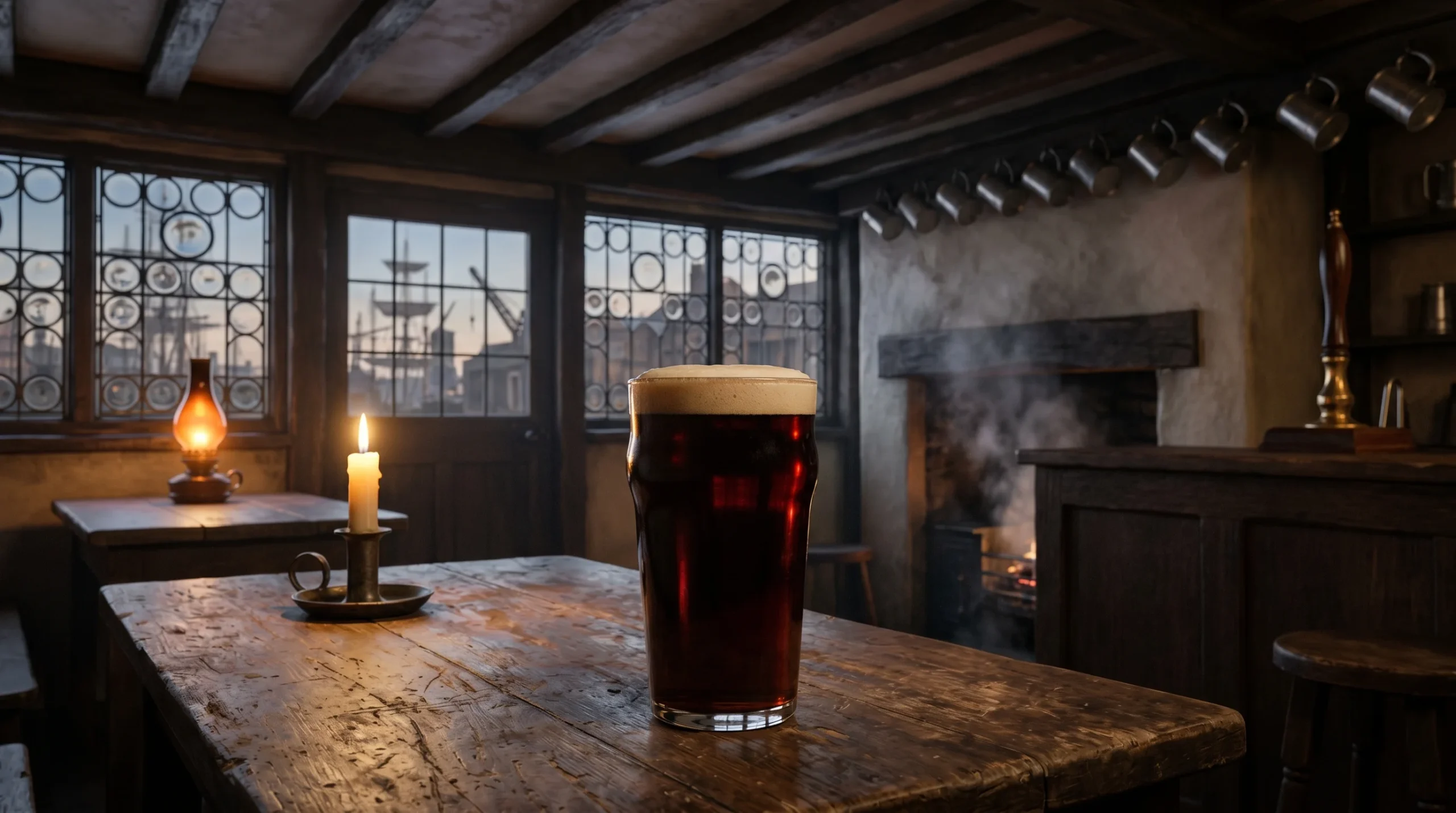
Common Traits of Porters
- Color: Dark brown to black (a shade lighter than stout)
- Body: Medium
- Main flavors: Chocolate, caramel, and toffee, with less coffee than stout
- Suits: Drinkers who want a dark beer that isn’t too heavy
Common Porter Styles
English Porter
Traditional English porter: chocolate and caramel, balanced and easy to drink. This is the original porter from which every other version grew.
American Porter
The American version: more hops than the English, with citrus or pine from American varieties. Bold and modern.
Robust Porter
A fuller, more concentrated porter. The roasted malt is more pronounced, and at times it feels close to a stout.
Imperial Porter
The high-strength version. Strong in alcohol but still recognizably porter, with clear chocolate and caramel and none of the burnt-coffee edge of an imperial stout.
Baltic Porter
A strong porter brewed like a lager (cold fermentation). Smooth and clean, with high alcohol that doesn’t burn the throat. It comes from the Baltic region (Poland, Estonia, Finland).
Smoked Porter
Porter brewed with smoked malt. Distinct wood smoke recalls grilled meat and bacon. A style for drinkers who want something out of the ordinary.
Porters in Vietnam
Porter is less common than stout in Vietnam, but local breweries are gradually adding it to their menus. Heart of Darkness in Ho Chi Minh City has brewed several notable American-style porters, hop-forward with chocolate notes.
If you already like stout and want to go further, porter is the natural next step. Start with an English Porter to learn the original, then try an American Porter to taste what changes when American hops join in.
Baltic Porter deserves its own mention: few people know it, and it is well worth trying when the chance comes.
VDark Lagers: Germany’s Gentler Dark Beers
Most people new to dark beer assume it is always heavy, sweet, and strong. Dark lagers prove the opposite.
These are dark beers made by the lager method: fermented at low temperatures and conditioned for a long time. The result is beer that looks jet black yet drinks light, clean, and easy, closer to a pilsner than to Guinness.
Stout belongs to a warm dinner by the fireplace; a dark lager belongs to a summer afternoon at an outdoor table. Same black color, entirely different moods.
History & Origins
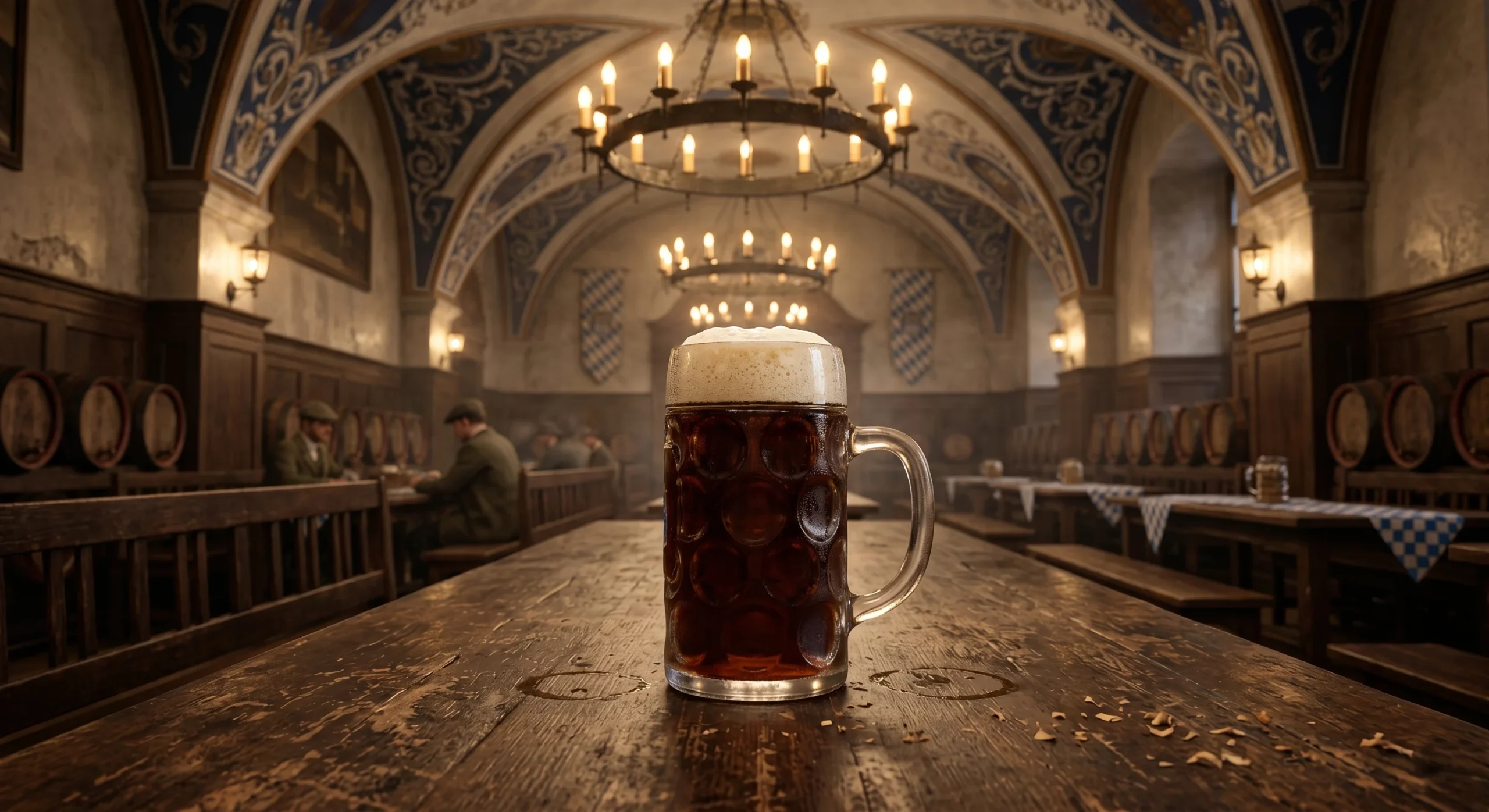
Dark lagers developed in Germany and Central Europe from the 16th century, well before pilsner appeared in 1842. In those days all Bavarian beer was dark, because malt kilning was not yet precise enough to produce pale malt.
While stout and porter in England grew richer, German dark lagers went another way: dark in color but light, clean, and never cloyingly sweet. This is the basic difference between the ale tradition (England) and the lager tradition (Germany and the Czech lands).
Schwarzbier, the darkest of the group, has been brewed in Thuringia, Germany, since at least 1543. Records suggest that both Goethe and Bismarck were fans.
Common Traits of Dark Lagers
- Color: Dark brown to jet black (especially Schwarzbier)
- Body: Light to medium (much lighter than stout)
- Main flavors: Toasted bread, light caramel, faint chocolate, dry finish
- Suits: Drinkers who like dark beer but not heavy beer
Common Dark Lager Styles
Munich Dunkel
Munich’s dark lager: reddish brown, with light roasted malt, caramel, and toasted bread. Very well balanced. For centuries it was the everyday beer of Bavaria.
Schwarzbier
“Schwarz” is German for “black,” and the beer lives up to the name: jet black, yet light in body, with a dry finish and none of stout’s burnt-coffee flavor. One of the easiest dark beers for a newcomer.
Czech Dark Lager
The Czech take on dark lager, with a little extra malt sweetness and sometimes dried-fruit notes. Smooth, and a touch more complex than Munich Dunkel.
European Dark Lager
A broad category covering dark lagers from across Europe outside Germany and the Czech Republic. Typically easy to drink and uncomplicated, often with light caramel.
Rotbier
“Rotbier” means “red beer,” after its handsome reddish-brown color. An old style from Nuremberg, Germany, it nearly disappeared but has recently been revived. Clear malt flavor, light hops, and caramel.
Dark Lagers in Vietnam
Dark lagers remain largely unexplored territory in Vietnam. Most local breweries focus on IPA and stout, and few make Schwarzbier or Munich Dunkel.
That is an opportunity for drinkers and brewers alike. In Vietnam’s year-round heat, a dark lager, Schwarzbier above all, is a smart choice: it has the depth of a dark beer without the weight of a stout at noon in a Saigon summer.
If you have ever decided you dislike dark beer because it is too heavy, try a cold Schwarzbier. It may change your mind about dark beer as a whole.
VIDark Ales: From Belgium to Scotland
Of all the dark beer families, dark ales are the hardest to define. There is no central country, as Germany is for dark lagers, and no single story, as England has for stouts and porters.
Dark ales are a collection of warm-fermented dark beers from several traditions, Belgian, English, and Scottish, each with its own character. This is the least explored corner of dark beer, and the one that hides the most surprises.
History & Origins
Each style in this group has its own history:
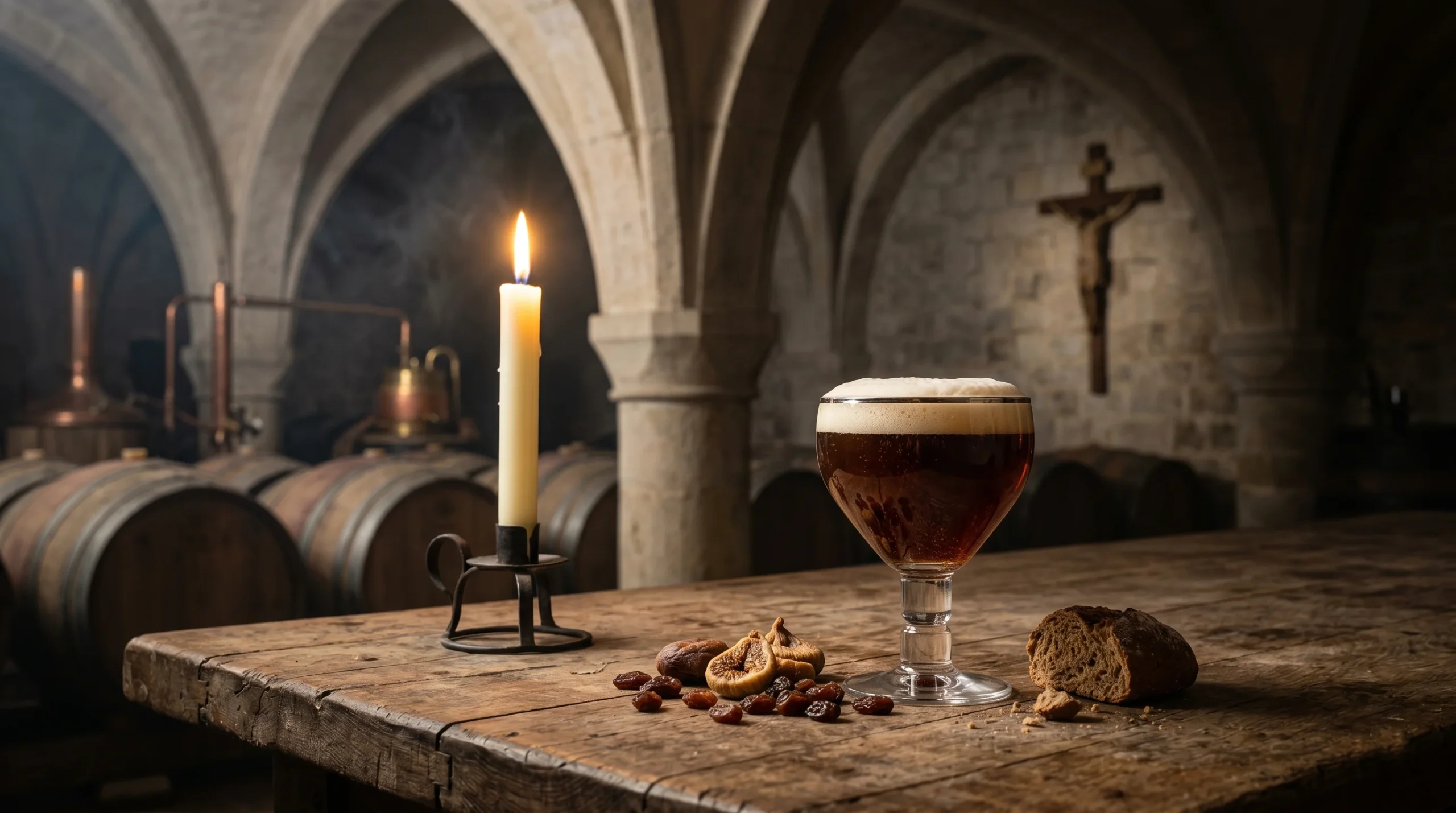
- Belgian Dark Ale was born in Belgian monasteries as the monks’ everyday beer: not as strong as a Belgian Tripel or Quadrupel, but complex in flavor.
- English Dark Mild Ale was the beer of England’s working class in the 19th and 20th centuries, low in alcohol so laborers could drink it all day without getting drunk.
- Scottish Ale developed in Scotland’s cold climate, where hops are hard to grow, so brewers relied more heavily on malt.
- Winter Warmer is England’s winter style: a rich, spiced beer for drinking by the fire.
That range is what makes dark ales interesting: you can find a 3% ABV dark beer to sip all evening, or one spiced with cinnamon and clove for Christmas Eve.
Common Traits of Dark Ales
- Color: Dark brown to black
- Body: Light to medium-full (varies)
- Main flavors: Varied: caramel, chocolate, dried fruit, spice, roasted malt
- Suits: Curious drinkers who want to look beyond mainstream stouts and porters
Common Dark Ale Styles
Belgian Dark Ale
Dark ale in the Belgian manner: malt-forward, with dried fruit (raisin, prune), some caramel, and a little spice from the distinctive Belgian yeast. Complex but not heavy.
English Dark Mild Ale
An overlooked style. Only 3–3.8% ABV but full of flavor: caramel, light chocolate, soft roasted malt. It is an ideal session beer, one you can drink several glasses of without getting drunk.
Scottish Ale
Scotland’s ale: malt-heavy, lightly hopped, sometimes with a faint smokiness. It comes in three strengths: Light (60/-), Heavy (70/-), and Export (80/-). Warming and comforting, suited to a cold climate.
Winter Warmer
England’s winter beer. Rich and spiced (cinnamon, clove, nutmeg), with dried fruit and warming alcohol. It is usually brewed seasonally and released each year in November or December.
Dark Ales in Vietnam
Dark ales have barely appeared in Vietnam’s craft beer market. Belgian Dark Ale turns up now and then, but English Dark Mild, Scottish Ale, and Winter Warmer are extremely rare.
That is a missed opportunity. At just 3% ABV, English Dark Mild would suit Vietnam’s long, unhurried drinking sessions very well. A Mild alongside a plate of nem nướng (Vietnamese grilled pork sausage), 3–4 glasses without getting drunk: a pairing waiting to be discovered.
If you travel, especially to England or Belgium, seek out this group. It is the least known part of dark beer, and often the most rewarding for drinkers who have already worked through the main styles.
VIIBrown Ales: The Middle Ground
Brown ales raise a fair question: do they really count as dark beer?
The answer lies in a gray area. A brown ale is dark brown, deeper than an amber ale but lighter than a porter, and if you hold a glass up to the light you can still see through it. In Vietnamese drinking culture, though, most people still file brown ales under dark beer, for the deep color, the roasted malt, and the overall impression of the glass in hand.
That makes brown ale a transition zone, and a gentle starting point for anyone who wants to get into dark beer but isn’t ready for a dense stout.
History & Origins
Brown ale goes back a long way in England, to the 17th century, when “brown beer” was the catch-all name for any brown-colored beer, before clear lines were drawn between porter, mild, and brown ale.
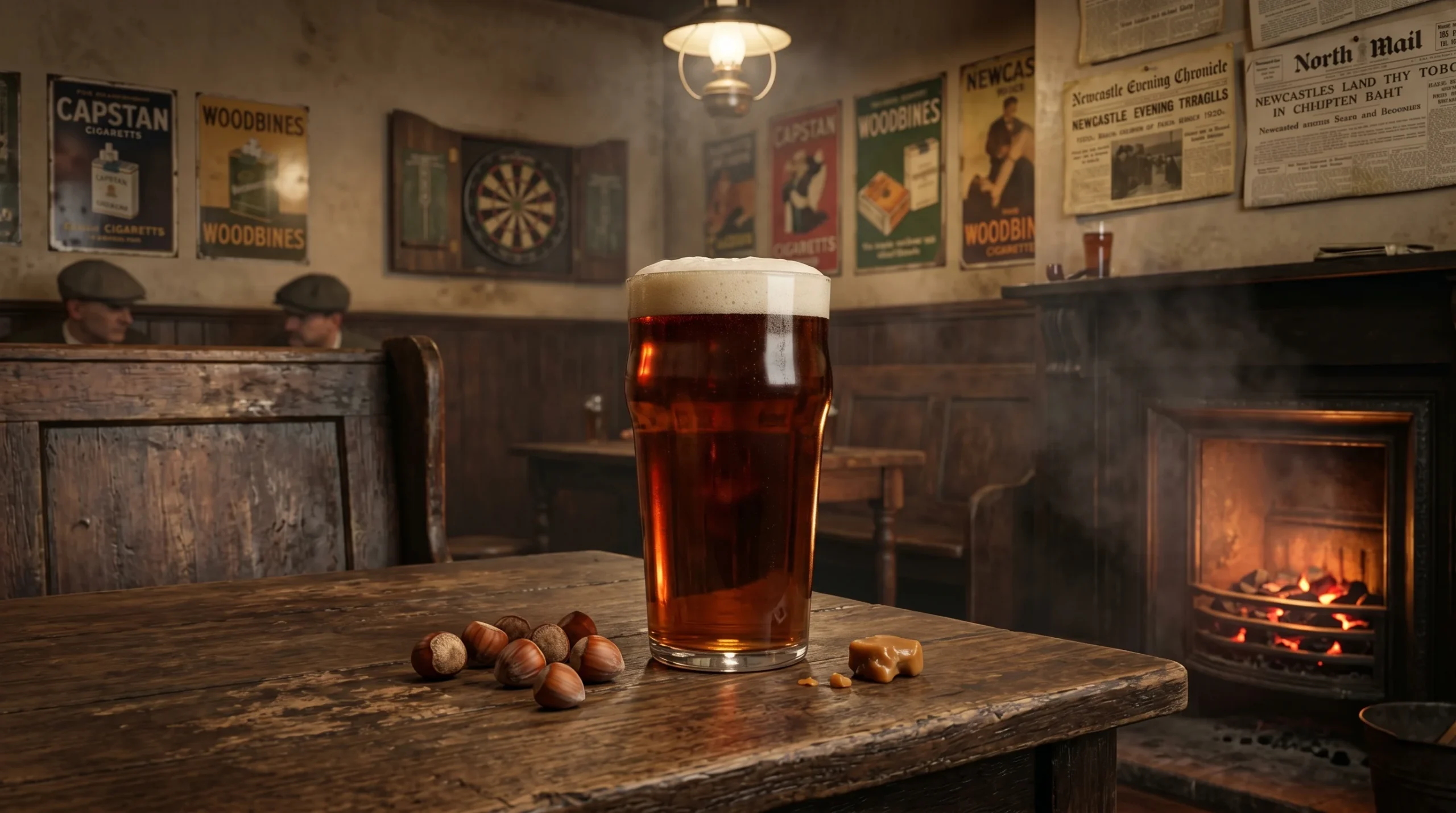
In the 20th century, brown ale took shape as a style of its own. Newcastle Brown Ale, launched in 1927, became one of the most widely known brown ales in the world and defined “English brown” for generations of drinkers.
The American craft beer movement of the 1980s and ’90s later produced American Brown Ale, hoppier and bolder than its English cousin.
Altbier, the traditional beer of Düsseldorf, Germany, has a different history altogether. “Alt” is German for “old,” a nod to the older method of warm fermentation used before cold-fermented lager took over Germany.
Common Traits of Brown Ales
- Color: Dark brown, still translucent (unlike the jet black of stout)
- Body: Medium
- Main flavors: Nutty notes, caramel, light chocolate, and toasted bread
- Suits: Newcomers to dark beer who like malt flavor without too much weight
Common Brown Ale Styles
English Brown Ale
Traditional English brown ale: caramel, nuts, a touch of chocolate. Balanced, easy to drink, and lightly hopped. This is the original that the other versions grew from.
American Brown Ale
The American version: more hops, with citrus or pine from American varieties. It keeps brown ale’s malt-forward character but carries the stamp of American craft brewing.
Altbier
Düsseldorf’s traditional beer. It is fermented warm like an ale but conditioned cold like a lager, and the result is smooth and clean, slightly bitter, with light roasted malt. It is not quite a brown ale, but its color and overall character place it in this group.
Brown Ales in Vietnam
For Vietnamese drinkers just starting on craft beer, brown ale is one of the most approachable styles. The reasons:
- Not too bitter (unlike IPA)
- Not too heavy (unlike stout)
- Not too unusual (unlike sours and saisons)
- Gentle, approachable malt flavor
Some Vietnamese breweries have experimented with American Brown Ale, especially those influenced by the American craft movement. Even so, it remains far less common than IPA or stout on the menus of Vietnam’s craft beer bars.
If you are moving from mass-market beer (Bia Saigon, Tiger, Heineken) to craft, and want to try dark beer before you are ready for stout, brown ale is the natural choice. Start with an English brown for its gentleness, then try an American brown to see how American hops change the picture.
VIIIHow to Drink Dark Beer
Dark beer is not for knocking back in one go. It rewards slowing down, looking closely, and paying attention, and the same glass tastes entirely different when you take your time than when you rush it.
This section covers what is particular to dark beer. Serving temperature, glassware, pouring technique, the tasting process, and the principles of food pairing for beer in general are all covered in our full guide, How to Savor Beer.
3 Things to Know When Drinking Dark Beer
1. Don’t Serve It Too Cold
Unlike an ice-cold golden lager, dark beer needs a warmer temperature for its aromas to open up. Too cold, and it numbs the palate and hides the complexity of the roasted malt.
- Dark lagers: 4–7 °C (39–45 °F)
- Standard stouts and porters: 8–12 °C (46–54 °F)
- Imperial and pastry stouts: 12–16 °C (54–61 °F)
The rule of thumb: the richer the beer, the warmer it should be served.
2. Let It Breathe
Take the beer out of the fridge 5–10 minutes before drinking. An imperial stout opens up as it warms, revealing new layers: dark chocolate, dark fruit, coffee, and warming alcohol. Don’t hurry. The glass you start is not the glass you finish.
3. Look at the Color and the Head
Before drinking, spend 10 seconds looking at the glass. Dark beer comes in many shades, from the reddish brown of Munich Dunkel to the deep brown of porter to the light-blocking black of an imperial stout.
The head tells you something too: the creamy tan foam on a stout is not the light white foam on a Schwarzbier. Each detail is a clue to the malt behind it.
IXPairing Dark Beer with Vietnamese Food
Few people have explored dark beer with Vietnamese food. Most assume the two don’t fit, that dark beer is too heavy and too bitter for the cuisine. The truth runs the other way. Plenty of good matches are waiting to be found, and some of them may surprise you.
Beef Phở + Stout
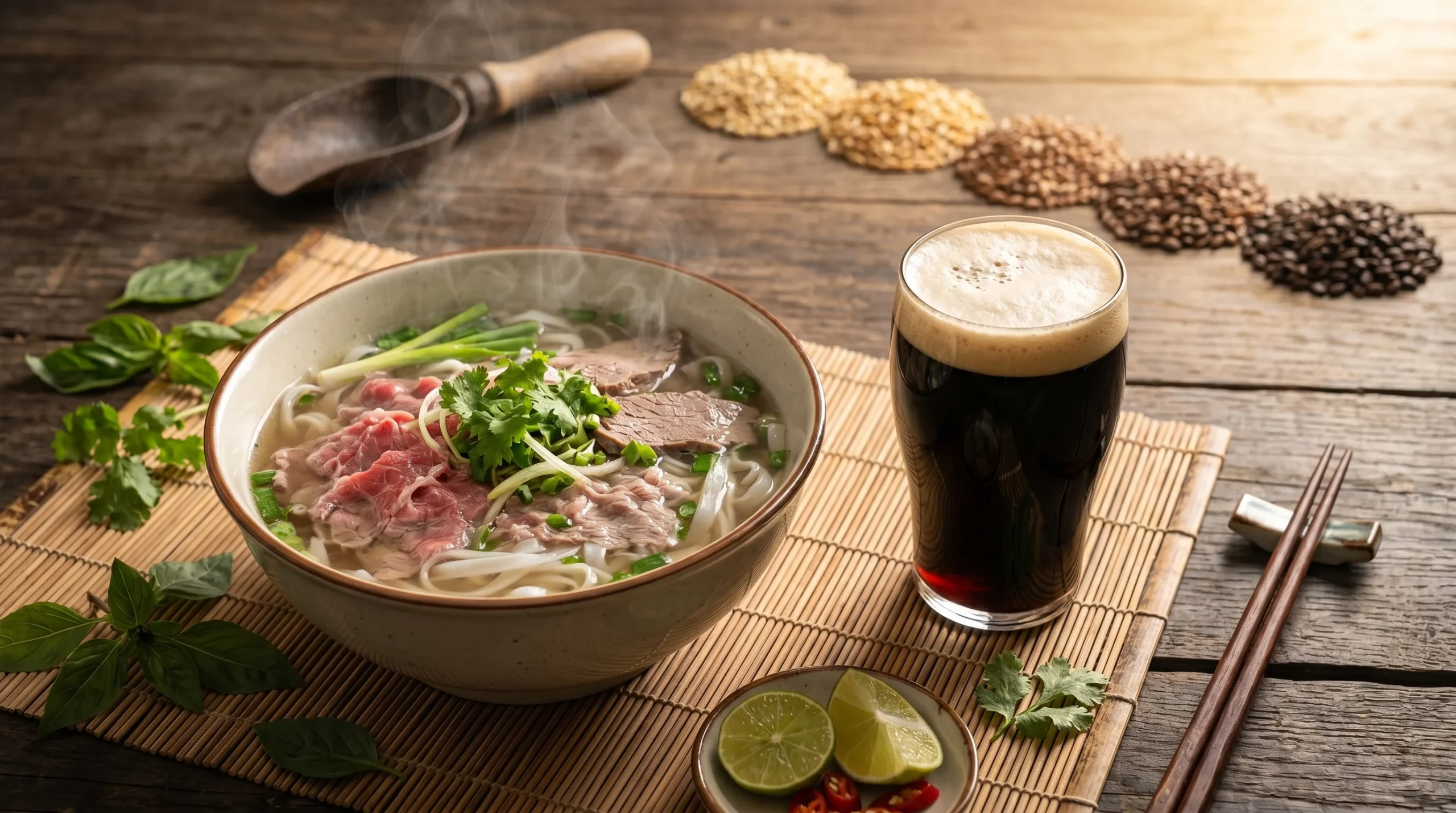
This may be the most natural match between dark beer and Vietnamese food. The deep roast of a stout meets the rich broth of beef phở (Vietnamese rice noodle soup), and both have real depth. The stout doesn’t compete with the soup; it supports it.
The cinnamon and star anise in the broth echo the stout’s chocolate and caramel, and together they give the meal a certain warmth. It also suits a slow morning.
Try: Oatmeal Stout or Sweet / Milk Stout. Avoid imperial stout, which is too heavy for the morning.
Bún Bò Huế + Porter
The heat and umami of bún bò Huế (spicy beef noodle soup from Hue) meet the chocolate and caramel of a porter, striking a balance few would expect. The porter tames the chili while bringing out the lemongrass and fermented shrimp paste.
It works especially well with a fattier bowl. The porter’s medium body rinses the palate between bites of pork hock and keeps the meal from feeling heavy.
Try: English Porter if you are new to the style, American Porter if you want more hops.
Bánh Mì Pâté + Brown Ale
Rich pâté in a bánh mì (Vietnamese baguette sandwich) meets the nutty caramel of a brown ale: familiar flavors that never get dull. It is an easygoing pairing for a weekend breakfast.
At a moderate 4–6% ABV, a brown ale won’t leave you drowsy by midday. Its light roasted malt brings out the pâté, and its carbonation cleans the palate after each bite.
Try: English Brown Ale.
Grilled Meats (Ribs, Pork Belly, Pork Patties) + Smoked Porter or Schwarzbier
Vietnamese grilled meats, especially those cooked over charcoal, carry a natural smokiness. That is an opening for smoked porter: the beer’s wood smoke meets the charcoal on the meat, and the two kinds of smoke build on each other.
If smoked porter feels too intense, a cool Schwarzbier is the safer choice. Its light body rinses the palate between fatty bites, and its gentle roasted malt still pairs well with the charcoal.
Try: Smoked Porter if you like bold flavors, Schwarzbier if you prefer something lighter.
Grilled Seafood + Dark Lager
This pairing breaks a rule. Many people believe dark beer and seafood don’t mix, but dark lagers, Munich Dunkel and Schwarzbier above all, are the exception.
A light body and gentle roasted malt don’t overpower seafood; they bring out the flavor of the sea. With grilled shrimp or fish brushed with sauce, a dark lager is a surprisingly good choice.
Try: Munich Dunkel with grilled shrimp, Schwarzbier with grilled fish.
Hot Pot + Belgian Dark Ale
Lẩu (Vietnamese hot pot) is a dish of many parts: broth, greens, meat, seafood, and seasonings. A Belgian Dark Ale, with its dried fruit and complex, malt-forward profile, works with many of them.
With a sour, spicy Thai-style hot pot, the beer holds its ground against the bold flavors of tom yum and keeps its own character.
Try: Belgian Dark Ale or Winter Warmer.
Chè (Three-Color, Red Bean, or Banana) + Sweet Stout
A lightly sweet dark beer with a sweet dessert may sound strange, but the match works. The lactose in a sweet stout heightens the sweetness of chè (Vietnamese sweet dessert soup), and the beer’s light body won’t weigh you down after a meal.
Red bean chè with a sweet stout has an old-fashioned charm, recalling the tradition of eating red beans with dark beer in Northeast Asia (China and Japan).
Try: Sweet / Milk Stout.
Grilled Rice Paper + Imperial Stout
A 10–12% ABV imperial stout with bánh tráng nướng (grilled rice paper) or a cheese bánh mì can make a fine dessert pairing for a weekend night. The stout’s bitter chocolate against rich cheese turns out to be surprisingly elegant.
It is also an East-meets-West pairing: imperial stout is a modern American style, and bánh tráng nướng is a street snack from Da Lat. Different cultures, same mood: a relaxed weekend.
Try: American Imperial Stout or Pastry Stout.
Vietnamese Iced Coffee + Coffee Stout
This one doubles up on caffeine, and it is not meant for quenching thirst. A coffee stout (usually an imperial stout brewed with coffee beans) meets cà phê sữa đá (Vietnamese iced coffee with sweetened condensed milk), and both are built on roast.
Save it for a long weekend morning, when you want something more intense than an ordinary cup of coffee.
Try: An imperial stout brewed with coffee, or pair a regular imperial stout with cà phê sữa đá yourself.
Tropical Fruit + Pastry Stout
Modern pastry stouts often carry secondary flavors such as vanilla, coconut, and chocolate. Paired with Vietnam’s tropical fruit, they make something close to a tropical dessert.
Ripe mango with a coconut stout, pineapple with a vanilla stout, lychee with an imperial stout: each pairing is an experiment worth running.
Try: Pastry Stout, Coffee Stout, or any stout brewed with flavor adjuncts.
Don’t Be Afraid to Experiment
Pairing dark beer with Vietnamese food is still largely uncharted. You may find a match no one has thought of yet. Roast duck and Russian Imperial Stout? Bánh xèo (crisp Vietnamese rice crêpe) and Schwarzbier? Bún chả (grilled pork with rice noodles, a Hanoi specialty) and brown ale?
That is the pleasure of savoring beer. Every pairing is a hypothesis, and every sip is an answer.
Sometimes the answer will surprise you.
XNew to Dark Beer? Where to Start
Dark beer can be intimidating at first. A 12% ABV imperial stout, handed to someone who isn’t used to it, can be unpleasant: too heavy, too bitter, too boozy. One shock like that can put a person off dark beer for life.
That is why the order matters. Follow the right path and dark beer opens up as a wide, rewarding field. Take it in the wrong order and you may miss it altogether.
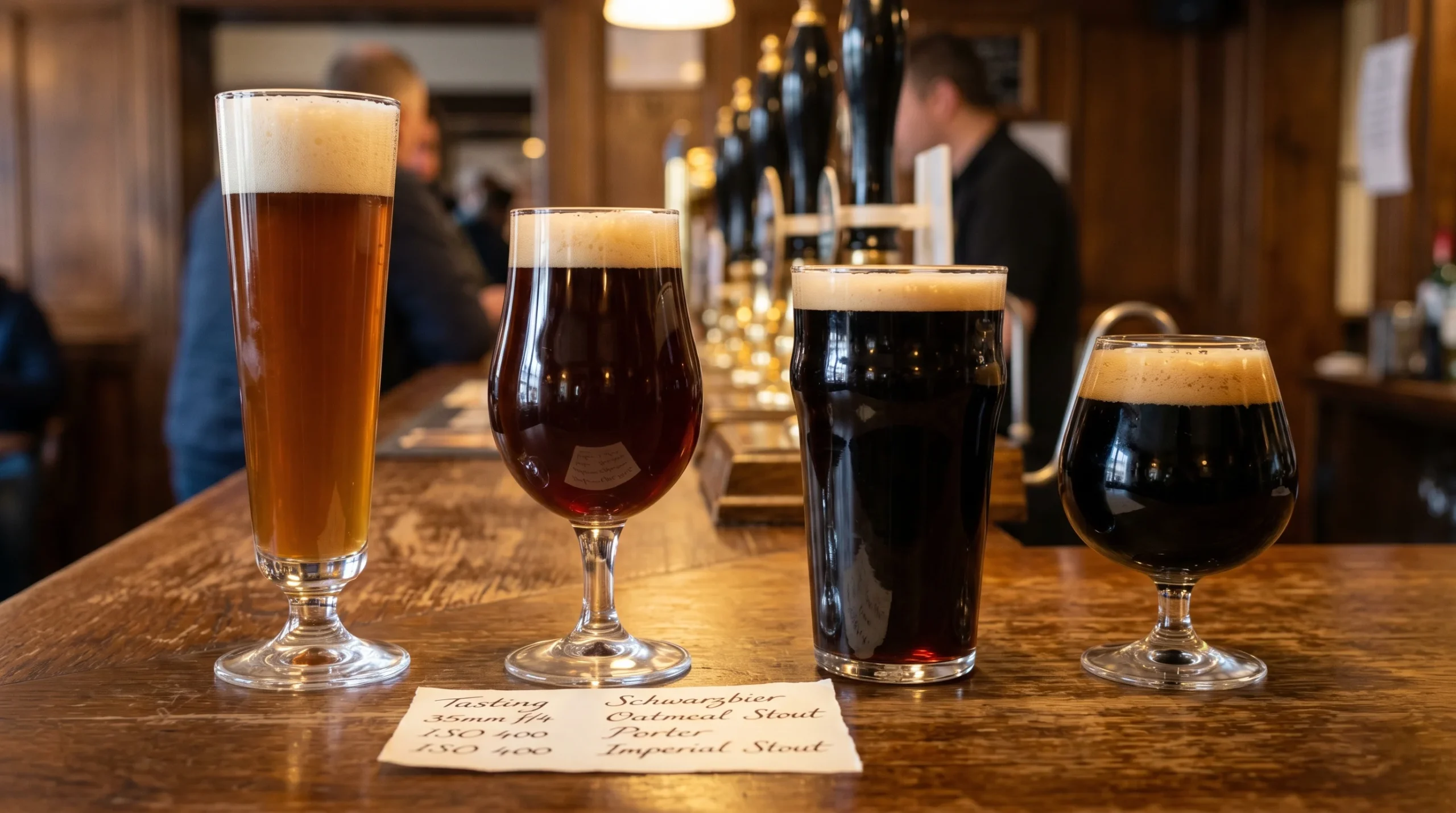
A 4-Step Path for Beginners
Step 1: Start Light with a Dark Lager
Begin with a Schwarzbier or a Munich Dunkel. These are dark beers with a light body, moderate alcohol (4–5% ABV), and a dry finish. You get used to the color and the roasted malt without feeling overwhelmed.
The reaction after the first glass: “Oh, I can actually drink dark beer.”
Step 2: Move On to Easy-Drinking Stouts
Once dark lagers feel familiar, move to an Oatmeal Stout or a Sweet / Milk Stout. These stouts are silky in body and lightly sweet, neither bitter nor harsh.
This is also when you begin to tell roasted malt from caramel, and chocolate from coffee.
Step 3: Branch Out
Now you are ready for porter, brown ale, and Irish Dry Stout (Guinness). Each shows dark beer from a different angle: porter light and chocolate-forward, brown ale nutty, dry stout true to its name, with a light bitterness.
At this stage, start pairing with food. Each pairing teaches you something about how beer interacts with what you eat.
Step 4: Take On an Imperial Stout
With that foundation in place, it is time for a Russian Imperial Stout or an American Imperial Stout. This is the summit of dark beer: 8–12% ABV, complex aromas, full body, and alcohol that warms the throat.
An imperial stout is less for drinking than for savoring, slowly, over 30–45 minutes or across a whole evening.
3 Common Mistakes to Avoid
1. Starting with Guinness Because It’s Famous
Guinness is not the easiest dark beer to drink. It has the dry bitterness typical of Irish Dry Stout, which not everyone likes on first taste. If Guinness doesn’t win you over, don’t conclude that you dislike dark beer. Try a Schwarzbier or a sweet stout first.
2. Drinking It Ice-Cold
Served too cold, dark beer numbs the palate and hides its flavor. That is why so many people drink Guinness straight from the freezer and say it tastes of nothing. Let the beer warm up a little before you drink it.
3. Drinking Fast, in One Long Gulp
Dark beer is not a thirst quencher. Drink it slowly: look, smell, take small sips, and let the beer reach every part of your palate. A good glass of dark beer can last 20–30 minutes.
A Final Word: Don’t Rush
Exploring dark beer is not a competition. You don’t have to master imperial stout to count as a real beer drinker. Some people have drunk stout for 10 years and still prefer oatmeal stout to all the others, and that is entirely fine.
Take it slowly; each glass and each style has something different to show you.
XISumming Up
We began with a simple question: “Is dark beer just Guinness?”
By now, the answer should be clear.
Dark beer is not one beer. It is 28 styles, from Germany’s dry Schwarzbier to America’s full-strength Imperial Pastry Stout, and from a 3% ABV English Dark Mild you can drink all day to a 12% Russian Imperial Stout, where one glass is enough for an evening.
Within that range:
- Stouts are the heart: rich and varied, from traditional to modern
- Porters are the ancestors: lighter, more chocolate-driven, and still holding their own
- Dark Lagers are the surprise: dark yet easy to drink, and well suited to Vietnam’s climate
- Dark Ales are the least explored: varied, from Belgium to Scotland, with many overlooked styles
- Brown Ales are the middle ground: a gentle starting point for newcomers
Each family carries a brewing culture of its own.
A Closing Thought
In Vietnam, dark beer is often thought of as difficult: hard to drink, hard to understand, hard to pair. Work through every family in this article, though, and the opposite becomes clear. Dark beer may be the most expressive corner of the beer world.
Not because it is heavy, and not because it is bitter, but because it is varied: each style has its own story, and each glass is a conversation between well-roasted malt and a drinker patient enough to listen.
Remember: dark beer is not meant to get you drunk. It is meant to be understood.
Mentioned in this article
and 21 more linked in the text
Originally published in Vietnamese on Tạp Chí Beer.