Guinness: The Stout Ireland Calls Its Own
Guinness, from St. James’s Gate Brewery in Dublin, is known for its deep black color, clean bitterness, and smooth, creamy head.
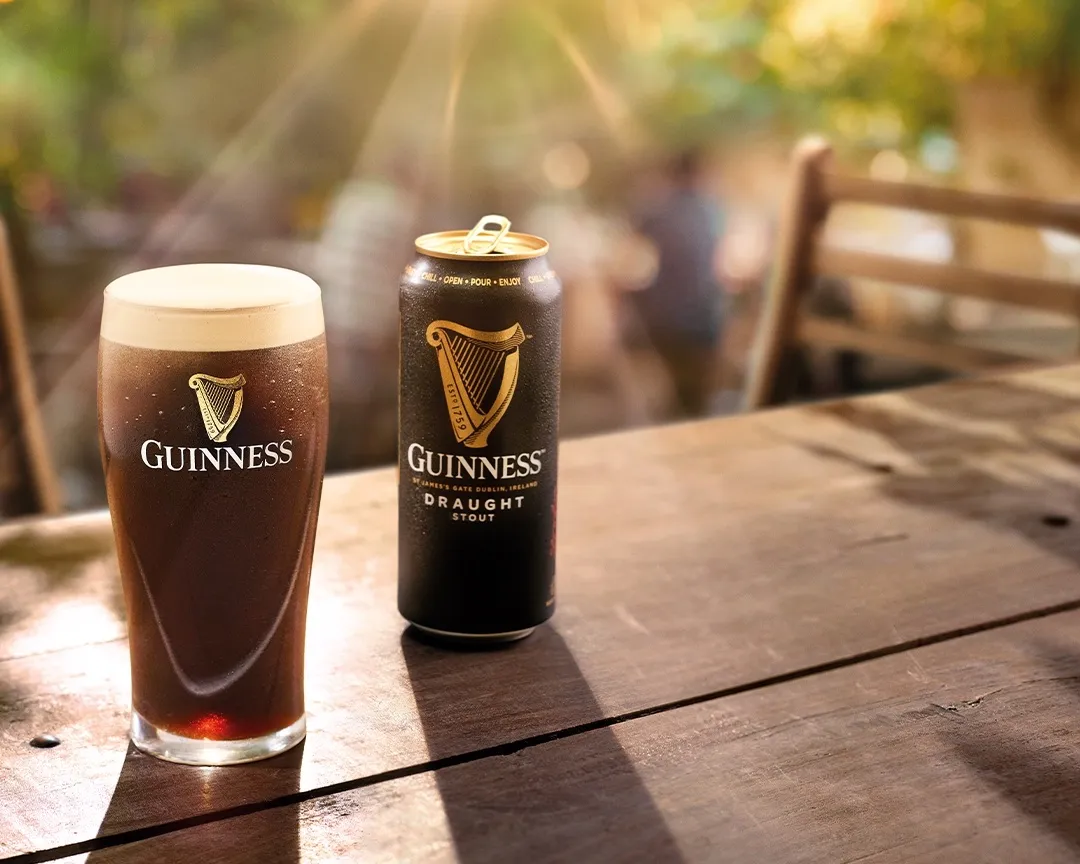
Picture yourself in an old Dublin pub, with a chill in the air outside and a glass of black, velvety beer in front of you, topped with creamy white foam. Swirl it gently and the familiar aroma of malt and hops rises to meet you. This is Guinness, part of Ireland’s heritage for more than 260 years.
IThe History of Guinness
Those 260-odd years have been eventful. Through every era Guinness has been bound up with Irish culture, and it has witnessed a great deal of history, in Ireland and around the world.
It began in 1759, when Arthur Guinness took a lease on the St. James’s Gate brewery in Dublin, signing for 9,000 years. That first step opened a new chapter in the history of beer. The early years were not always smooth, but Arthur held on to his ambition.
Within about ten years Guinness had crossed Ireland’s borders, first to England and then to many other countries. By 1833 it was the largest brewery in Ireland, and not long after, the largest in the world.
Growth did not spare it hard times. The brewery came through two world wars, economic crises, and competition from newer brands, and each time it turned the challenge to its advantage and strengthened its position in the market.
Along the way Guinness kept innovating, releasing a range of beers from the traditional stout to Guinness Draught, Guinness Foreign Extra Stout, and others. Each carries some of the brewery’s culture and history while taking the brand in new directions. Guinness now has many other breweries and production sites around the world serving international markets, but St. James’s Gate is still regarded as the home of Guinness and remains its main brewery.
IIFlavor and Character
To many people, Guinness says as much about Ireland as it does about beer.
Each sip brings the deep flavor of roasted barley, met by a light bitterness from the hops. The beer is as dark as night, and the sight of it pouring from bottle or keg has come to stand for strength and resolve.
The foam is smooth and snow white. At the lips it melts away, leaving a light, silky feel on the tongue.
Underneath runs a deep note of molasses, warm and mellow, and each glass seems to arrive with a few old Irish stories attached.
Guinness is a stout, the style St. James’s Gate is famous for; Arthur Guinness leased the Dublin brewery in 1759. At around 4.2% ABV, depending on the version, the beer suits a lively party as well as a quiet, reflective hour.
Beer lovers everywhere count it as part of the world’s brewing heritage.
IIIStyle and Strength
Guinness is a textbook Irish Dry Stout, and it carries a picture of Ireland with it: green barley fields, low gray skies, a cold sea, and a warm fire indoors.
At a moderate 4.2% ABV, Guinness drinks lightly and easily, nothing like the boozy heat of stronger beers. It is balanced and self-assured without being showy, and surprisingly calm and quiet in the glass.
The style’s signature is a core of fragrant roasted barley with a light hop bitterness and rich notes of cocoa and coffee. The effect is deep and layered, yet clean.
Its thick, velvety, opaque white head is part of what defines Guinness, a bright accent against the black beer that only a stout can provide.
Each glass carries drinkers back to the old Ireland that shaped it.
IVThe Art of Enjoying Guinness
Seen as a whole, the making of Guinness can look like a simple process, yet it is part of Ireland’s cultural heritage, handed down for generations. A good glass reflects careful choice of ingredients, precise production, and a long brewing tradition. The dense black beer, the smooth white head, and the signature flavor make for an experience that is as much cultural as culinary.
Get to know Guinness and you step into that tradition, and into the history of the people who made this beer.
Originally published in Vietnamese on Tạp Chí Beer.
More Irish Dry Stout
About this style
Irish Dry Stout
Murphy’s Irish Stout: Ireland in a Dark Pint
This beer is in the library of the BeerLens app. Scan the label to identify it, then keep your own tasting notes.