Chocolate Malt: The Soft Bitterness and Deep Brown of Dark Beer
Chocolate malt gives beer a light, clean bitterness and a deep brown color, and it is central to the classic porters and stouts of England.
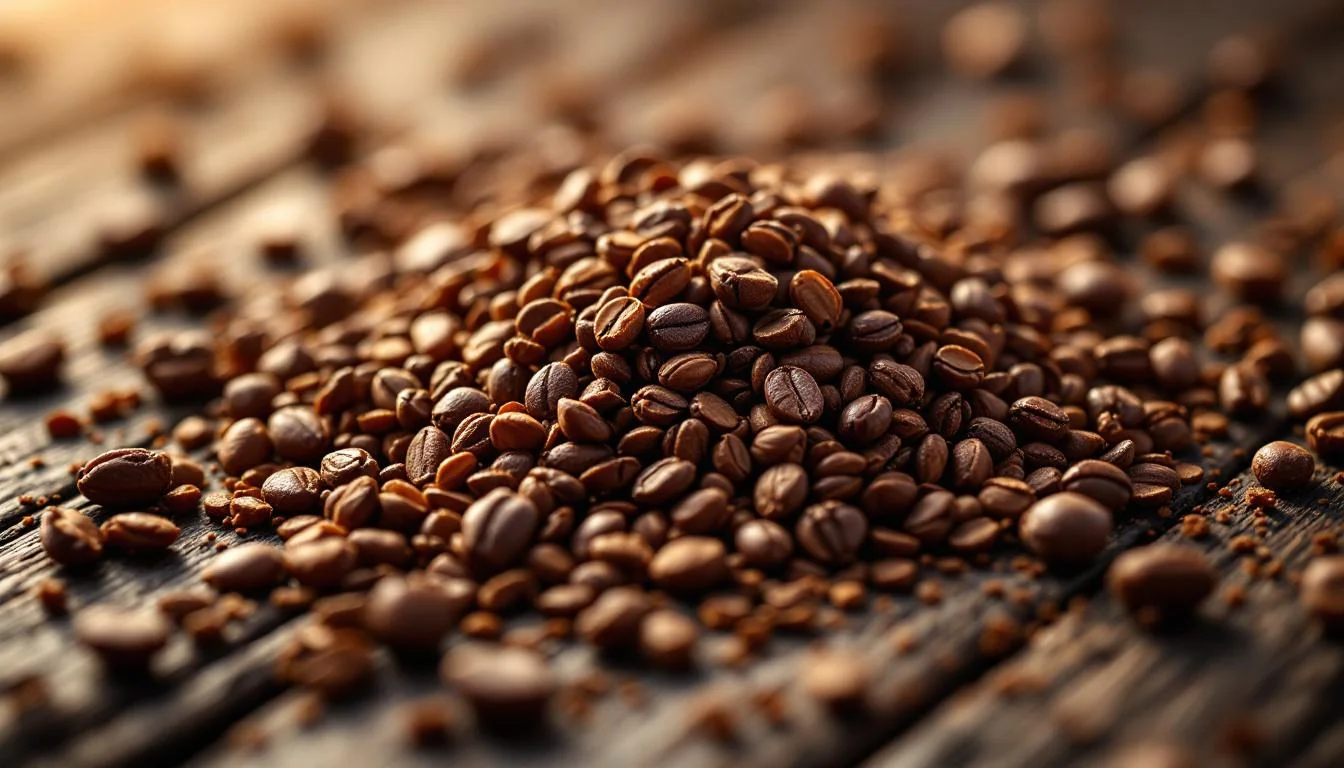
Some malts exist to build a beer’s base. Others exist to give it color. Chocolate malt was made to tell a story.
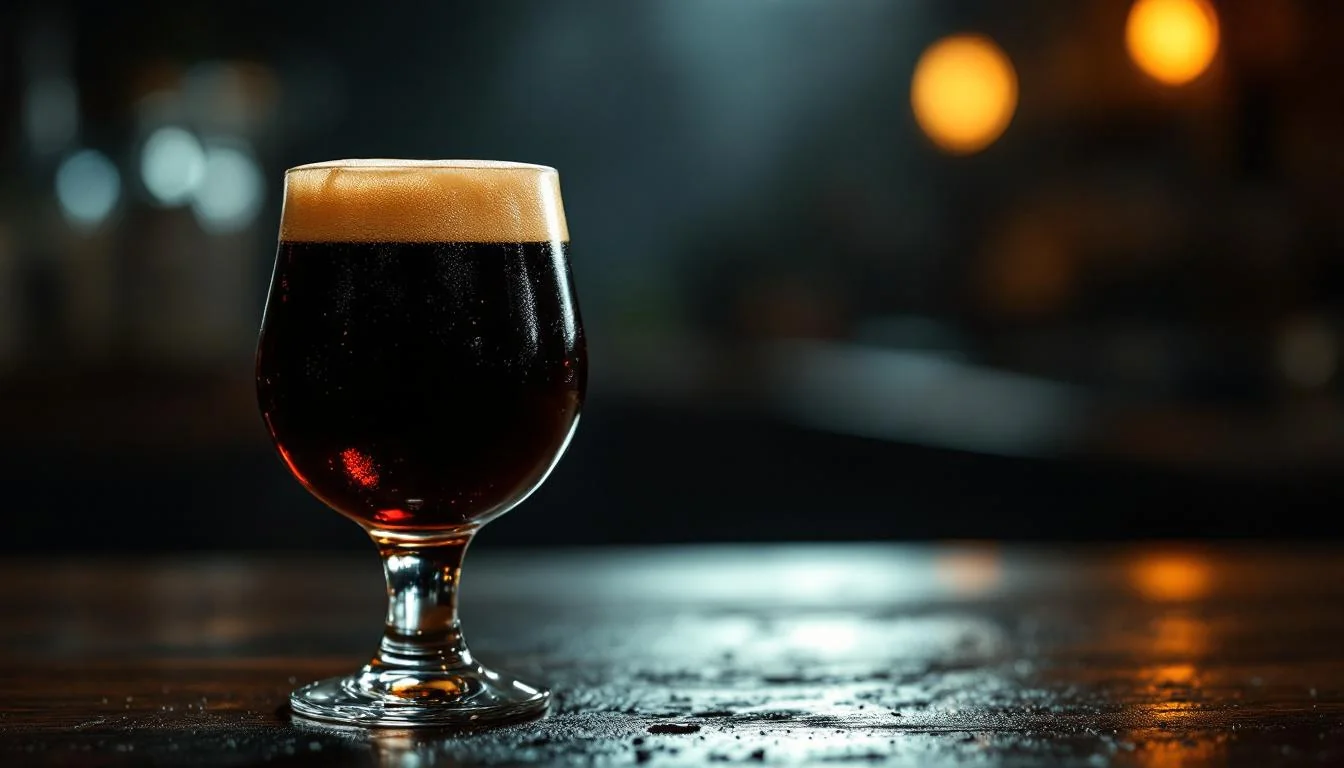
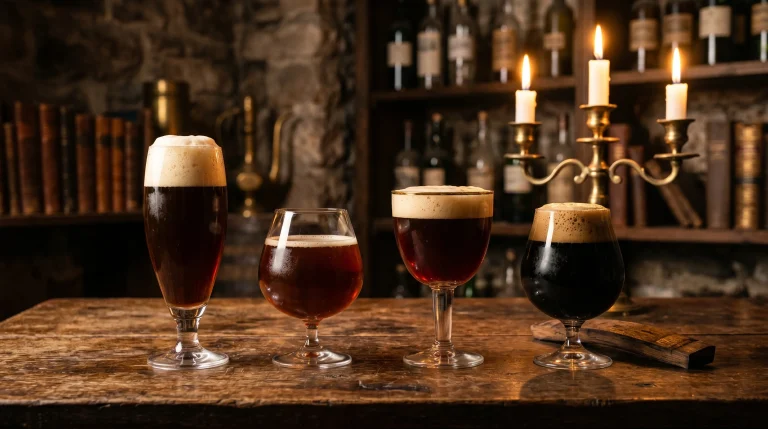
Raise a glass of stout to the light and you see a near-black brown with a ruby glint; before the beer reaches your lips, cocoa and lightly roasted coffee rise to meet you. That is chocolate malt at work, quiet and unshowy, carrying a roasting tradition more than two centuries old.
IOrigins and History
Chocolate malt was born in England in the early 19th century, while the Industrial Revolution was reshaping every kind of manufacturing, brewing included.
Before then, traditional brown malt was dried directly over wood or coal fires, which left it with a heavy smoky aroma and uneven color. In 1817, Daniel Wheeler, an English engineer, patented the drum roaster, the first rotating drum that allowed precise temperature control. The invention gave brewers black patent malt and opened the way to a whole new range of roasted malt colors.
Chocolate malt emerged as a lighter variation. Instead of roasting the grain until it was fully black, maltsters stopped earlier, at the point where the kernels turned a deep chocolate brown. The name comes from that color rather than from cocoa flavor, though the flavor does recall it.
Burton-on-Trent and London were the first centers of roasted malt production. Maltsters there, such as Crisp Maltings (founded 1870) and Thomas Fawcett & Sons (since 1809), still make chocolate malt to traditional recipes today.
In the 19th century, English porter and stout depended heavily on chocolate malt. This was the heyday of London breweries such as Whitbread, Barclay Perkins, and Truman, which used it to reach their characteristic black color without the acrid burn of black malt. Many Irish stout recipes of the period, from before roasted barley became common, were also built around chocolate malt.
When craft brewing took off in the late 20th century, chocolate malt found a second life. American brewers rediscovered classic English porter and stout recipes, with chocolate malt at the center of that revival.
IIHow It Is Made
Chocolate malt starts like any other malt: barley is steeped in water and germinated. Germination activates the enzymes that convert the grain’s starch into fermentable sugars.
Once the rootlets and shoots reach the desired length, the green malt goes into the kiln to stop germination. For an ordinary base malt, the temperature stays low to preserve the enzymes. For chocolate malt, this is only the first stage.
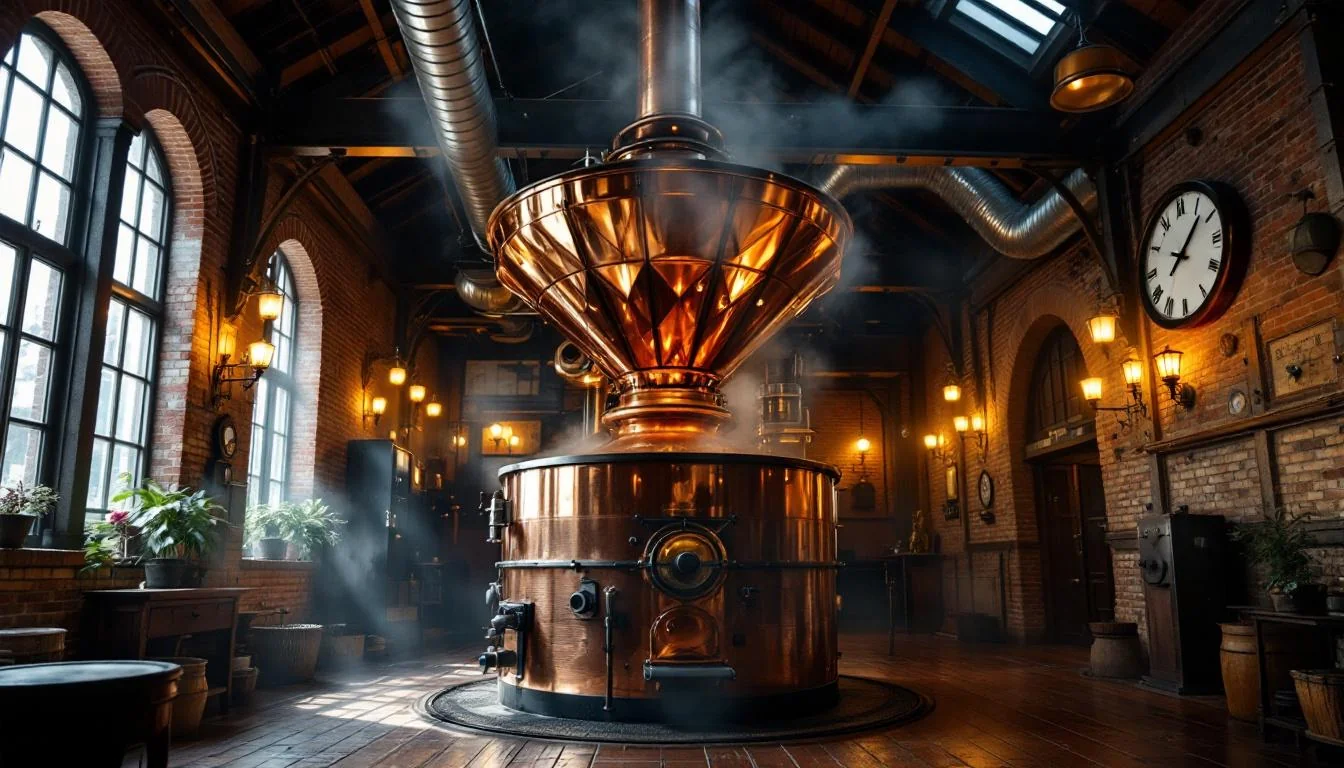
After kilning, the malt moves to a drum roaster, where the temperature climbs gradually to 215–230 °C (419–446 °F) over about 2–3 hours. This is the range where the Maillard reaction runs hardest, as amino acids and sugars react to form hundreds of new flavor compounds.
Everything depends on when the roast stops. Stop too early and the malt lacks depth, with a lingering sweet, corn-like note. Go too far and the flavor turns burnt and harsh, like black malt. Experienced maltsters judge the moment by color, smell, and sometimes even the sound of the kernels in the drum.
After roasting, the malt is cooled quickly with air or water to halt the reactions. The finished kernels are deep chocolate brown, crisp, and brittle, with an aroma of cocoa and light coffee.
IIITechnical Profile
Chocolate malt belongs to the roasted malts, with a color of 800 to 1200 EBC, roughly 300–450 Lovibond. That puts it between dark crystal malt (around 300 EBC) and black malt (1300–1500 EBC). The difference in color also shapes every flavor the malt contributes.
Its extract is relatively low next to base malts, usually around 65–70% (fine grind, dry basis). That means most of the starch in the grain has been destroyed or caramelized during roasting. Brewers use chocolate malt for color and flavor, not for fermentable sugar.
Protein content usually runs about 10–12%, but most of it has been denatured by the high heat, so it does little to the haze or head retention of the finished beer.
Moisture after roasting is very low, usually under 3%, so the malt stores well without molding or spoiling. Its aroma fades over time, however, and producers recommend using it within 12 months of roasting.
One key point: chocolate malt has no active enzymes. Roasting at high temperature destroys its diastatic enzymes entirely, so it cannot convert starch to sugar and must always be paired with an enzyme-rich base malt such as pale malt.
IVFlavor and Color
Chocolate malt gives a beer a broad, complex range of flavors.
For color, just 3–5% chocolate malt in the recipe is enough to take a beer from deep brown to black. Held up to the light, beers brewed with it usually show a ruby or garnet edge, unlike the solid black of black malt. That edge is one way to tell it is there.
The defining aromas are cocoa and lightly roasted coffee. This is not milk chocolate sweetness but pure cocoa, a little bitter and a little earthy. The coffee is not a dense espresso either; it is closer to cà phê phin, Vietnamese drip-filter coffee, left to cool, with a clean bitterness and a long finish.
At low rates (2–4%), chocolate malt lays down a gentle brown backdrop of toast, roasted chestnuts, or pie crust. That level is common in English brown ale and mild ale recipes.
At moderate rates (5–8%), the bitter and roasted notes come forward. Traditional English porter usually falls in this range, with enough depth for character but nothing overpowering.
At high rates (10–15%), chocolate malt takes the lead. Bitterness from the roasted compounds can rival hop bitterness, and stouts brewed at this level tend to be dense with flavor, one note stacked on another.
Worth noting: chocolate malt is not sweet. For a sweet chocolate character, brewers pair it with crystal malt or lactose. On its own, chocolate malt leans dry and bitter.
The finish tends to linger, with a light bitterness at the back of the tongue. Many stout drinkers prize exactly that: the sense that the beer stays with you after you swallow.
VClassic Styles
Porter and stout are the two styles most closely tied to chocolate malt. American Robust Porter often uses 5–10% chocolate malt as its main source of color and flavor. Traditional English Porter may use less, combined with brown malt for complexity. Sweet Stout and Oatmeal Stout favor chocolate malt because it adds depth without a burnt edge.
Brown ale, in both English Brown Ale and American Brown Ale, is a natural home for chocolate malt. Newcastle Brown Ale, one of the best-known brown ales, has a light chocolate note that comes from roasted malt. American versions tend to use more, for bolder cocoa and coffee notes than the English originals.
Schwarzbier, the German black lager, sometimes uses chocolate malt at very low rates (1–3%) to reach a dark color while keeping the body light and clean. Here chocolate malt is more makeup artist than lead actor.
Some strong beers, such as Imperial Stout and Baltic Porter, can contain up to 15% chocolate malt. At that level, combined with high alcohol and long aging, the flavors deepen and multiply, from dark chocolate to prunes, from coffee to liqueur.
Milk Stout is a case of its own. Lactose, a milk sugar that yeast cannot ferment, is added to balance the bitterness of chocolate malt, producing a beer with a sweet chocolate character and no actual chocolate in it.
VIThe Roasted Malt Family
Among English roasted malts, chocolate malt sits in the middle: darker than brown malt, lighter than black malt.
Brown malt (150–250 EBC) brings biscuit, nutty, and light toffee flavors. It lacks the depth and bitterness of chocolate malt but has more natural sweetness. Porter in the 18th century relied mainly on brown malt, before chocolate malt existed.
Black patent malt (1300–1500 EBC) is roasted as far as it goes: sharp bitterness, burnt aroma, and solid black color. Just 1–2% is enough for color; use more and the beer easily turns harsh. Traditional Irish stouts such as Guinness rely on roasted barley and black malt rather than chocolate malt.
Pale chocolate malt (500–700 EBC) is a lighter variant, with softer cocoa and coffee notes and less bitterness. It suits recipes that want depth without heaviness, such as English Mild or Scottish Ale.
Roasted barley (1100–1400 EBC) is not a malt at all, since it is made from unmalted barley, but it is often compared with chocolate malt. It gives a stronger espresso note and a drier bitterness, and it is the defining ingredient of Irish Dry Stout.
Chocolate malt occupies the most balanced ground: dark enough to make an impression, soft enough not to dominate. That is why it appears in more recipes than any other roasted malt.
VIIFinding Chocolate Malt in the Glass
Hold the glass up to the light and look at the edge. Beers made with chocolate malt usually show a ruby or mahogany rim, a warm ring of light around the dark center. If the beer is entirely black with no bright edge, black malt or roasted barley may be taking over.
Bring the glass to your nose before drinking. Chocolate malt leaves cocoa and lightly roasted coffee, not the punch of espresso but something closer to a morning cup of cà phê phin. Burnt or smoky aromas point to black malt or roasted barley.
As the beer crosses your tongue, notice where the bitterness lands. Hop bitterness tends to gather at the sides of the tongue. Bitterness from chocolate malt spreads more evenly and is usually clearest at the back of the tongue and in the finish.
Dryness after the swallow is another clue. Chocolate malt leaves a light dryness, like strong black tea. A beer that stays very sweet after swallowing may have crystal malt or lactose offsetting the bitterness.
Try an English porter and an Irish stout side by side. The porter, with chocolate malt, will be softer and rounder. The stout, with roasted barley, will be drier and more sharply bitter. The contrast reflects two schools of brewing and two ideas of what makes a dark beer beautiful.
Next time you hold a porter or stout, slow down for a moment. Somewhere in that deep brown are the English kilns of more than two hundred years ago, maltsters watching the temperature minute by minute, and the change from golden barley to dense chocolate brown. All of it fits in a single sip.
Mentioned in this article
-
Beer O L O G Y
Dark Beer Is Not One Style -
Beer O L O G Y
Light Beer and the Hard Art of Simplicity -
Beer O L O G Y
Strong Beer: When Alcohol Becomes an Art
Originally published in Vietnamese on Tạp Chí Beer.