Carapils: The Invisible Foundation of a Lasting Head
Carapils, a German specialty malt, adds no color and no flavor, yet keeps the head firm and the body smooth to the last drop.
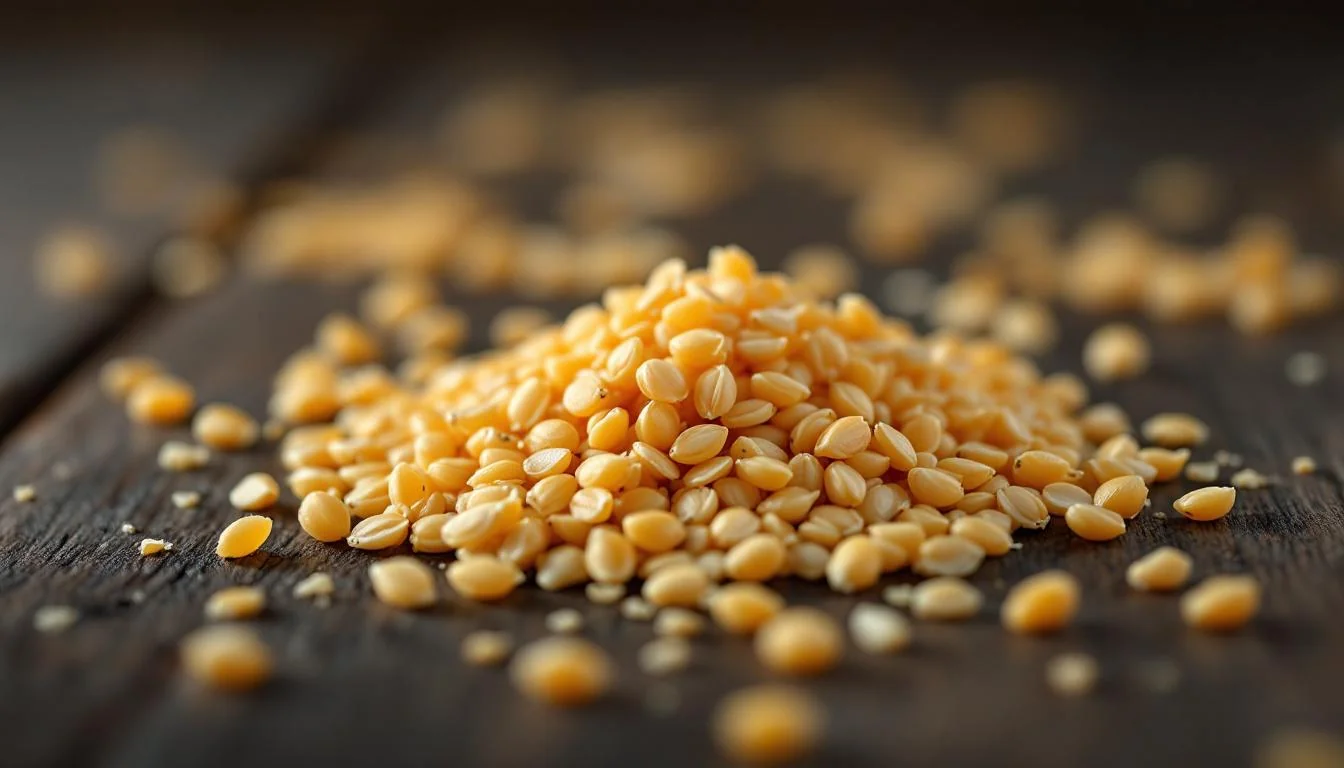
Some things go unseen, yet without them everything falls apart.
Carapils is that kind of malt. It adds no color. No aroma. No flavor of its own on the tongue. Leave it out, though, and the head vanishes like morning dew, the body turns thin, and each sip slips past with nothing to hold it.
Some call it “the silent malt.” We think of it as the invisible foundation.
IOrigins and History
Carapils was born in Germany, where brewing was turned into an exact science centuries ago. It was developed by the Weyermann Malting Company, a long-established malthouse in Bamberg, in the Franconia region of Bavaria.
Johann Baptist Weyermann founded the company in 1879. By the early 20th century the family was experimenting with caramelizing malt at low temperatures. The goal was to keep chains of unfermentable dextrins in the grain, not to add color or flavor.
Carapils reached the market as a commercial product around the middle of the 20th century. Its purpose was clear from the start: better head retention and more fullness on the palate in light beers such as Pilsner, where purity of color and flavor comes first.
The name joins “Cara,” from caramel, a nod to how it is made, with “Pils,” from Pilsner, the beer it was designed to serve. It later became a Weyermann registered trademark, although many other producers make similar products under the names Dextrin Malt or Carafoam.
Bamberg is famous for its smoked Rauchbier, and it is also the capital of German malting, with a tradition stretching back more than 500 years. Weyermann remains the world’s largest specialty maltster, and Carapils is still one of its core products.
Through the 20th century, as industrial breweries looked to cut costs without giving up foam quality, Carapils became the standard fix. It let them use a high share of adjuncts such as rice or corn without leaving the beer too “thin.”
IIThe Malting Process
Carapils belongs to the caramel malt family, at the very palest end of the range, almost colorless.
The process starts with European two-row barley, usually grown in Bavaria or nearby regions. The grain is steeped and germinated like any other malt. The difference comes next.
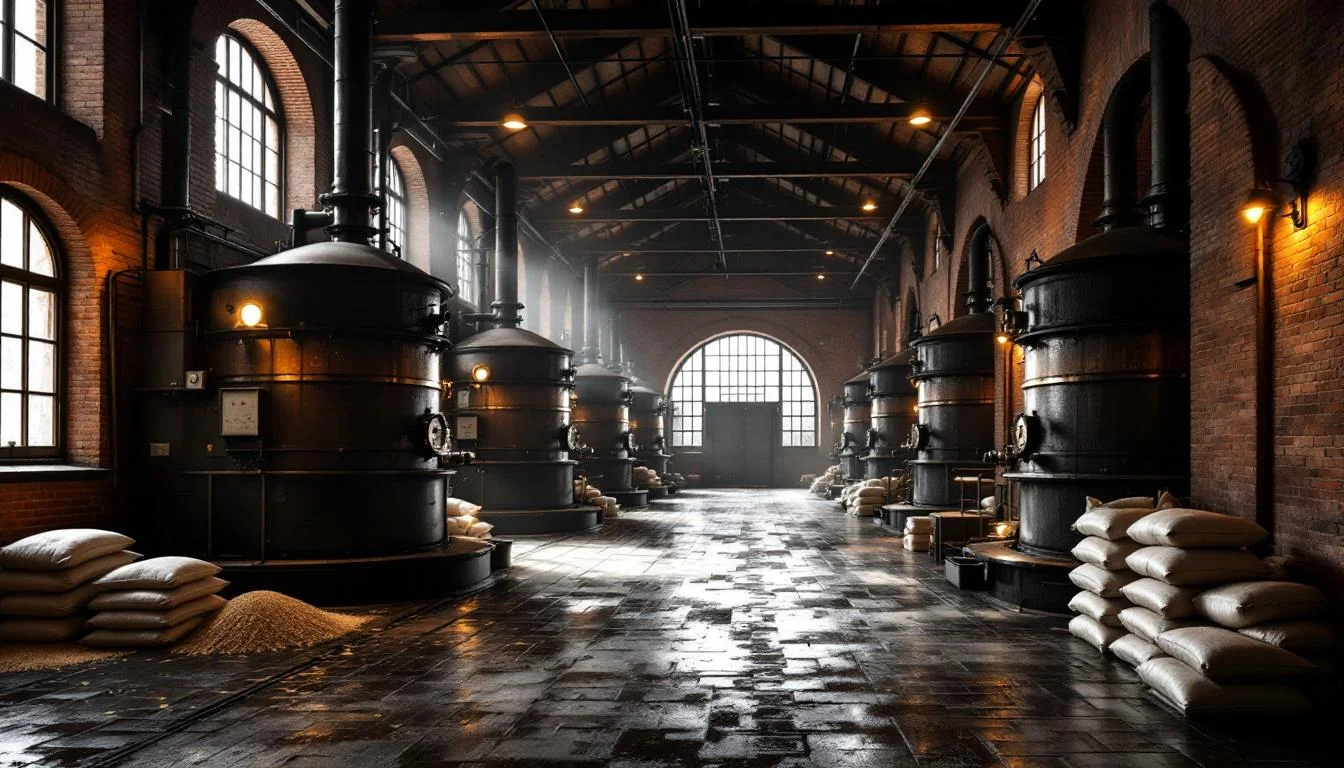
Instead of being dried right after germination, the green malt goes into a special roasting drum. There the temperature is raised gradually from 45 °C (113 °F) to about 65–75 °C (149–167 °F), the ideal range for the enzymes that turn starch into sugar. The conversion happens inside the kernel itself, producing simple sugars and dextrins.
The temperature then climbs to 100–120 °C (212–248 °F). At that heat the sugars inside the kernel caramelize lightly and “lock” into a glassy state. Because the temperature is moderate and the time short, Maillard reactions barely occur, so the malt stays very pale.
The result is a malt with a pale husk and a core of sugars and dextrins “set” in place. During brewing these dextrins dissolve into the wort but are not consumed by the yeast, giving the beer a fuller body and a longer-lasting head.
IIITechnical Specifications
Carapils sits at the palest end of the caramel malt range, at 3 to 5 EBC, or about 1.5 to 2.5 °Lovibond. At that level it barely touches the color of the finished beer: a Pilsner brewed with Carapils keeps its clean straw gold.
Its extract runs from 75% to 78%, lower than a base malt but still substantial. What matters more is what that extract is made of: mostly dextrins and unfermentable sugars rather than maltose.
Protein usually runs 10–11%, enough to help hold the foam without clouding the beer. That sets it apart from some darker caramel malts, which can give a cream-colored head.
Moisture in the finished malt is under 6%, which gives it a long shelf life. Because its starches were fully converted inside the kernel, Carapils needs no fine milling; a slightly coarser crush actually helps avoid lautering problems.
One point to note: Carapils cannot convert starch on its own, because heating has destroyed its enzymes, so it depends entirely on enzymes from the base malt. Since its starch was already converted inside the kernel, this is not a problem in practice.
IVFlavor and Color
Describe the flavor of Carapils in one word, and the word is “none.”
That is exactly what brewers want from it.
Carapils is designed to be invisible to the senses. It lacks the caramel sweetness of relatives such as Caramunich or Carahell. No bready aroma, no biscuit notes, nothing at all. In a beer brewed with it, this malt stays completely silent.
Its work lies elsewhere.
Mouthfeel is its territory. A beer made with this malt has a fuller, smoother body. The effect is substance rather than sweetness, like the difference between still water and lightly sparkling water. The mouth registers the weight of every sip.
The head is where Carapils shows itself most clearly. Its dextrins and long-chain proteins form a thin film around each bubble and keep it from bursting quickly. The fine white foam clings to the glass and leaves rings of “Belgian lace,” the sign of a well-made beer.
In color, Carapils is nearly transparent. Using 5–10% in a recipe makes no difference the naked eye can see. That is why it is popular in pale beers such as Pilsner, Helles, and Blonde Ale, where purity is the standard.
Some brewers describe Carapils as the “lining” of a beer: no one notices it, but without it the whole experience changes.
VTypical Styles
Carapils is the most versatile of the specialty malts. It can go into almost any beer style without changing the beer’s core character.
Pilsner and other light lagers are where Carapils is used most. These beers are thin-bodied because they are brewed from pale malt and highly attenuated. Carapils adds body without color or flavor, which is just what a Pilsner needs. Industrial breweries often use 3–5% Carapils to offset the thinness that comes from heavy use of rice or corn.
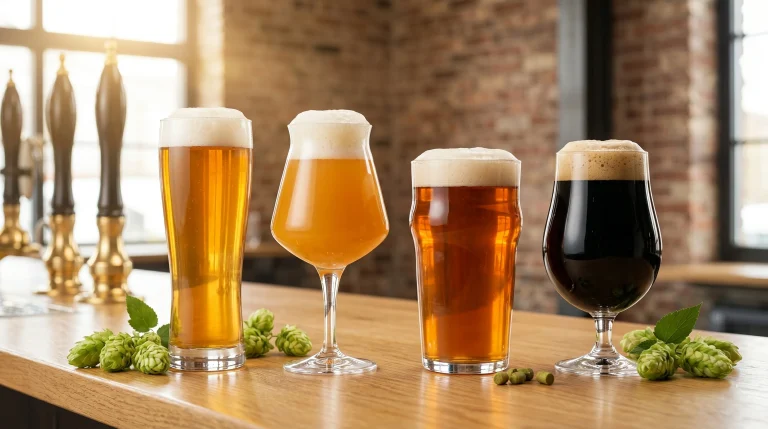
In IPA and other bitter beers, Carapils plays a foundational role. Hoppy beers often struggle with head retention, since compounds from the hops can break down the foam, and Carapils helps restore the balance. Many modern West Coast IPA recipes use 5–8% Carapils to keep a white head standing over the golden beer.
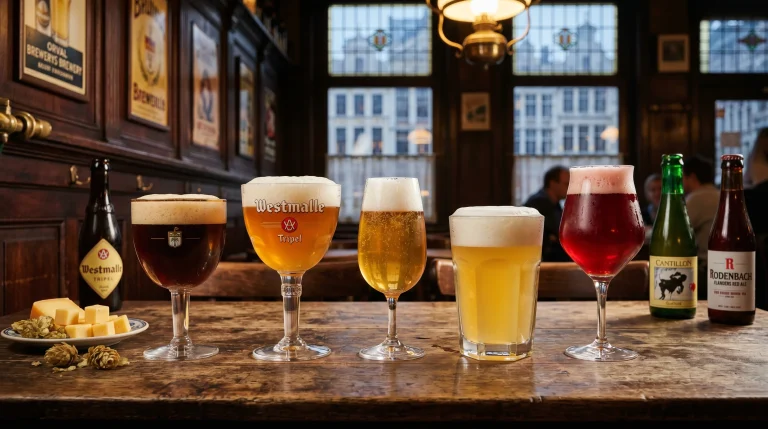
Belgian beers, especially Belgian Blonde Ale and Belgian Tripel, often use Carapils too. They are strong but light-bodied, and Carapils gives them more fullness without weighing them down.
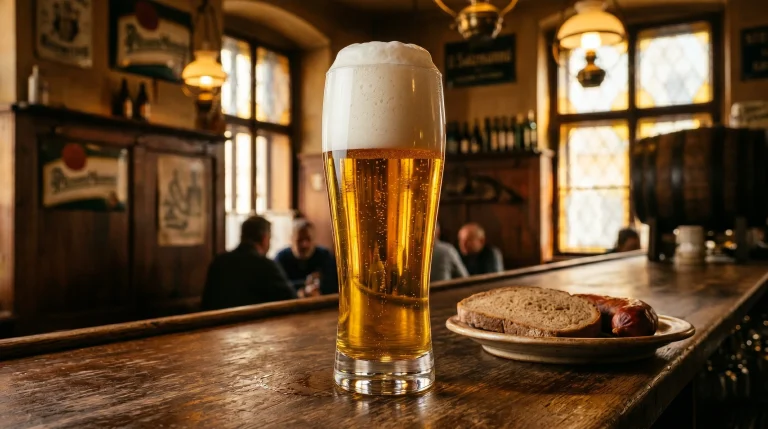
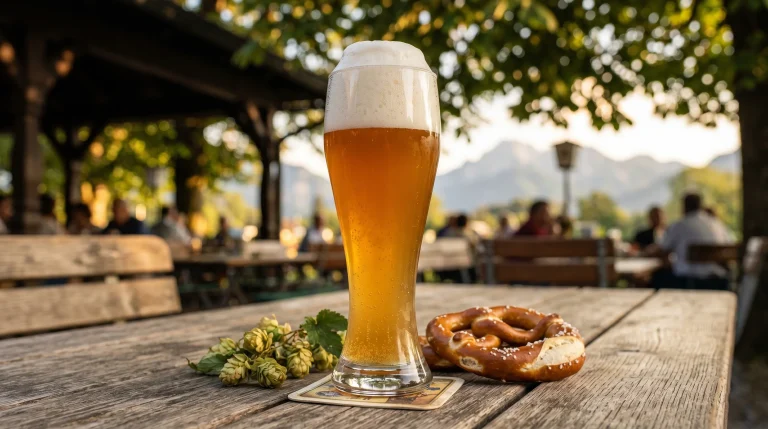
Even in wheat beers such as Witbier or Hefeweizen, where wheat protein already gives a natural haze, a little Carapils can improve head retention. That matters for styles usually poured into tall glasses under a thick head.
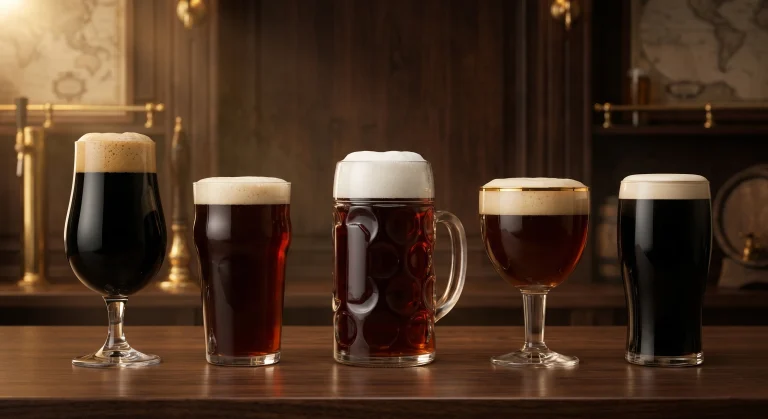
Stouts, too, sometimes use Carapils, although their dark roasted malts already supply plenty of dextrins. In lighter-bodied recipes such as Irish Dry Stout, Carapils adds smoothness without adding sweetness.
VICompared With Similar Malts
Carapils belongs to a small family of malts whose job is to improve body and foam. Each has its own character.
Carafoam, also from Weyermann, is the twin of Carapils. The two are nearly identical in color and function; the differences lie mainly in production and possibly in the barley variety. In practice, many brewers use the two names interchangeably.
Dextrin malt is the generic name for similar products from other maltsters. Briess in the US, Malteries Franco-Belges in Belgium, and many others make their own versions. Colors range from 2 to 6 EBC, with comparable results.
Carahell, another Weyermann malt, is somewhat darker, at about 20–30 EBC. It is still pale by caramel malt standards but adds a touch of sweetness and a warmer gold. Carahell suits a recipe that needs both body and a little extra flavor.
Honey malt and melanoidin malt are sometimes considered as substitutes, but they are fundamentally different. Both carry distinct flavors, light honey in one case and toasted bread in the other, whereas Carapils is completely neutral.
If the goal is more body and better foam with nothing else in the beer changed, Carapils or another dextrin malt is the only right choice.
VIIFinding It in the Glass
Carapils is hard to detect in a glass of beer. If it has done its job, you will not notice it at all, only the absence of flaws.
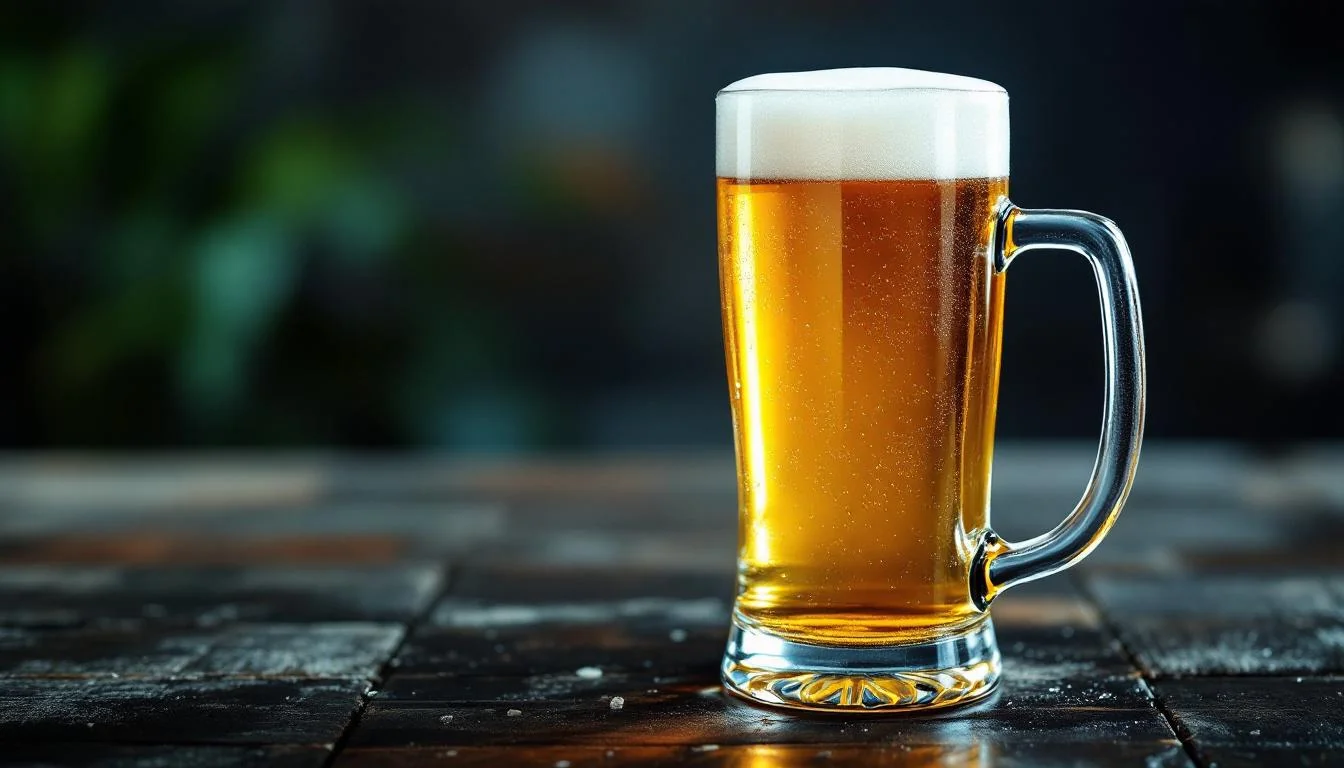
Start with the head. A beer with Carapils holds its foam longer, through the whole glass rather than for a few seconds after the pour. The foam clings to the sides and leaves fine white rings as the level drops. That is protein and dextrin at work.
As you drink, pay attention to mouthfeel. A beer with Carapils is usually smoother and fuller, without being sweet or heavy. It is the difference between a sip that slips away and one that lingers. The mouth feels the weight of the liquid even if the mind cannot name it.
Comparison is the surest way to learn. Taste the same style from two breweries, one that uses Carapils and one that does not, and the difference becomes much clearer.
Sometimes what matters most is what you cannot name. Carapils is one of those things, working out of sight so that everything else can shine.
Next time you raise a glass, take a moment to look at the head before you drink. That may be Carapils, quietly doing its work.
Mentioned in this article
-
Beer O L O G Y
Light Beer and the Hard Art of Simplicity -
Beer O L O G Y
The World of Bitter Beer Begins with IPA -
Beer O L O G Y
Belgian Beer: Intangible Cultural Heritage of Humanity -
Beer O L O G Y
Wheat Beer: The Flavor of the Grain -
Beer O L O G Y
Dark Beer Is Not One Style
Originally published in Vietnamese on Tạp Chí Beer.