Tettnanger: Noble Aroma from Southern Germany
Tettnanger, a 170-year-old noble hop from the town of Tettnang, brings the subtle floral and spice notes that shaped classic German lagers.
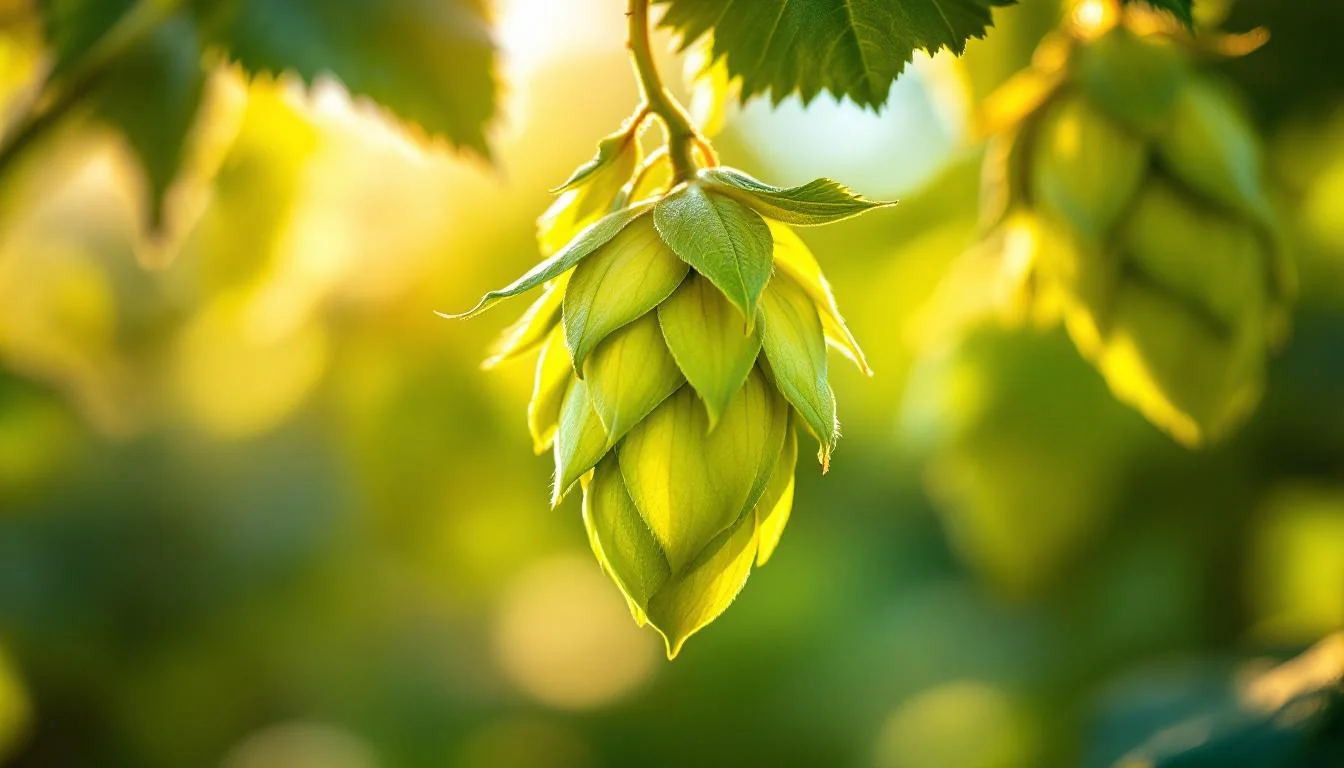
In 1844, a farmer named Johann Baptist Bentele stood in a field in Tettnang and watched the first hop bines begin to wind up their wooden trellises. He could not have known that nearly two centuries later, brewmasters around the world would call this hop by a formal title: noble hop.
Tettnanger is not for drinkers chasing hard bitterness or a burst of tropical fruit. It is a hop of restraint, of faint aromas laid down in layers, of beers that take time to understand.
IOrigins and History
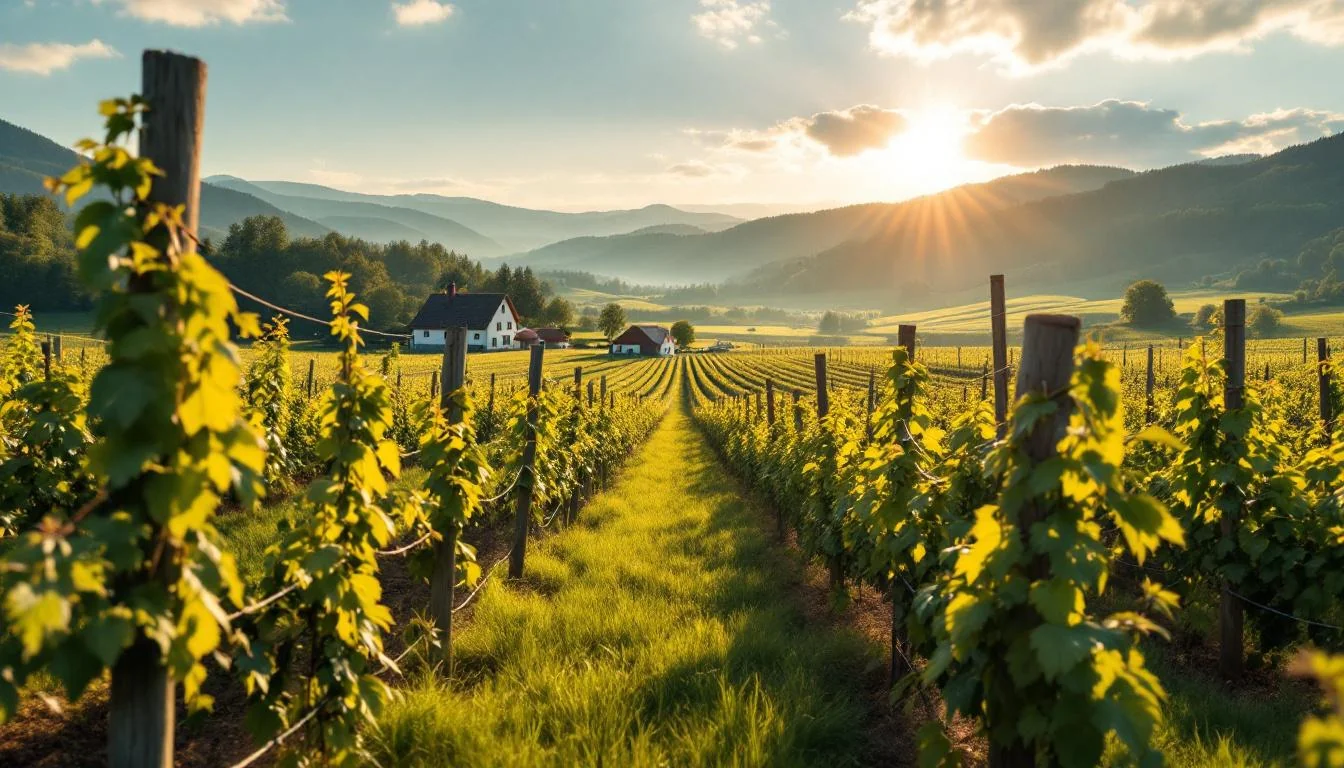
Tettnang is a small town in Baden-Württemberg, in southern Germany, less than 15 km from Lake Constance (the Bodensee). The area has a mild climate, fertile alluvial soil, and steady rainfall, which together make ideal hop country.
Hop growing in Tettnang dates to around 1844, when local farmers recognized the crop’s commercial potential. They started with Saaz (Žatec) from Bohemia, but generations of natural selection and adaptation to the local soil produced a distinct variant. People simply called it Tettnanger, after the place.
By the middle of the 19th century, Tettnang had become one of Germany’s three most important hop regions, alongside Hallertau and Spalt. The three formed the Bavarian hop triangle, supplying a German brewing industry that was booming with industrialization.
In 1867, Tettnanger was officially recognized as a separate variety with stable genetic traits. Researchers placed it among the “noble hops,” a title reserved for four traditional European varieties with subtle aroma and low alpha acids: Saaz, Hallertauer Mittelfrüh, Spalt, and Tettnanger.
The two world wars cut deeply into the land planted to hops in Tettnang. Many fields were abandoned, and valuable hop stock was lost. From the 1950s on, local agricultural cooperatives worked to bring the crop back, preserving pure genetic lines while modernizing cultivation.
Today about 130 families grow hops in the Tettnang region, on close to 1,500 hectares. It is Germany’s third-largest hop region and the only source of authentic Tettnanger in the world.
IITechnical Profile
Tettnanger is a low-alpha hop, with alpha acids ranging from 3.5% to 5.5% and averaging about 4.5%. It adds aroma and a light, restrained bitterness, not raw bittering power.
Beta acids fall between 3% and 5%, which puts the alpha-to-beta ratio close to 1:1. That even ratio is typical of noble hops and contributes to their soft bitterness and clean finish.
Total oil content is moderate, at 0.5 to 0.9 ml/100 g. Myrcene makes up roughly 36–45% of it, humulene 22–32%, and farnesene 14–19%. That unusually high farnesene is one of the markers of true Tettnanger; most other hop varieties carry less than 1%.
Tettnanger is harvested from late August to mid-September, slightly earlier than in hop regions farther north. The plants do well at 400–500 meters above sea level, where wide swings between day and night temperatures help oil accumulate in the cones.
IIIAroma and Flavor
Rub a fresh Tettnanger cone lightly between two fingers, hold it to your nose, and flowers come first. Not showy rose or heady jasmine, but meadow wildflowers, soft and quickly gone.
The second layer is herbal: something of dried basil leaves, of grass drying in the sun, a touch of dill. These notes do not sit apart; they weave together into what Germans call “würzig,” a mild, aromatic spiciness that has no tidy English equivalent.
Deeper down sits a light spice. Not the bite of black pepper or the warmth of cinnamon, but coriander seed: fresh, faintly sweet, with a passing hint of lemon. That trait has made Tettnanger a favorite of many Belgian brewers.
In beer, Tettnanger never takes over. It stays in the background, holding up everything else. In a classic German pilsner you recognize it by a sense of cleanness: no lingering bitterness, no hop aroma clamoring for attention. It folds into the malt and the yeast until the beer reads as a single whole.
The finish is understated. The bitterness fades quickly, leaving a slight dryness at the back of the throat and a brief floral, grassy trace on the palate. Nothing dramatic, nothing divisive. Just balance.
IVBeer Styles Brewed with Tettnanger
Tettnanger sits at the core of German Pilsner, the style that shaped the world’s beer industry. The classic pale lagers of southern Germany are hard to imagine without it. Its low alpha acids let brewers hop generously without harsh bitterness, while the floral and herbal notes give depth to a light base of Pilsner malt.
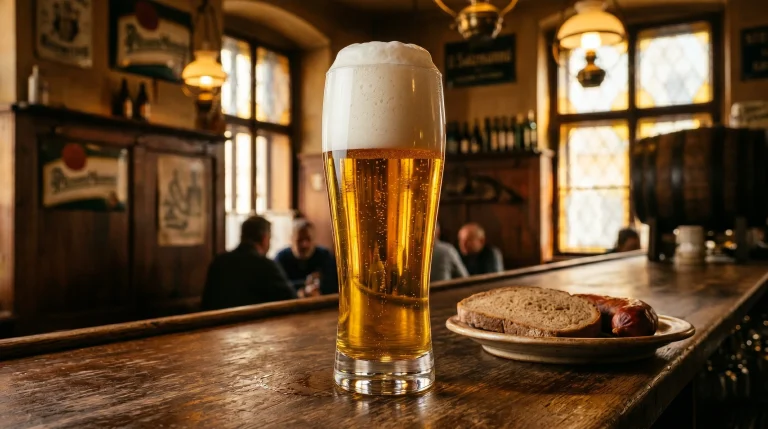
Munich Helles, the pale gold lager born in Munich in the late 19th century, often relies on Tettnanger too. Here the hop balances the malt’s sweetness, producing an easy, clean-drinking beer suited to long afternoons in a beer garden.
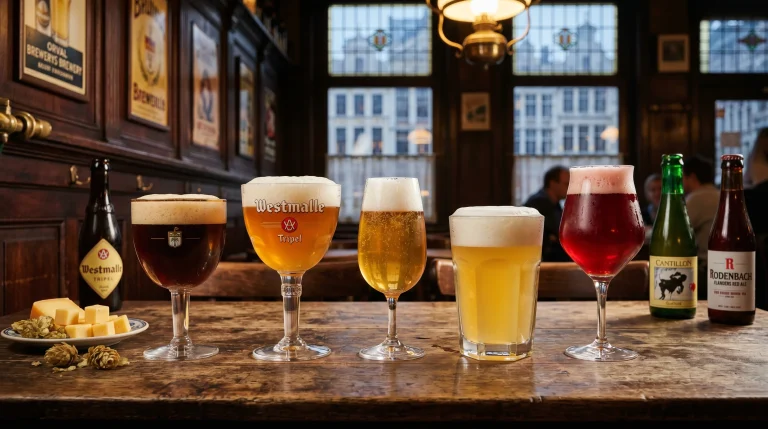
Fewer drinkers know that many Belgian beer brewers quietly use Tettnanger as well, especially in Witbier and Belgian Pale Ale. Its natural coriander-seed character complements the traditional spice recipe of Belgian wheat beer, and its light touch does not bury the orange and coriander the style is known for.
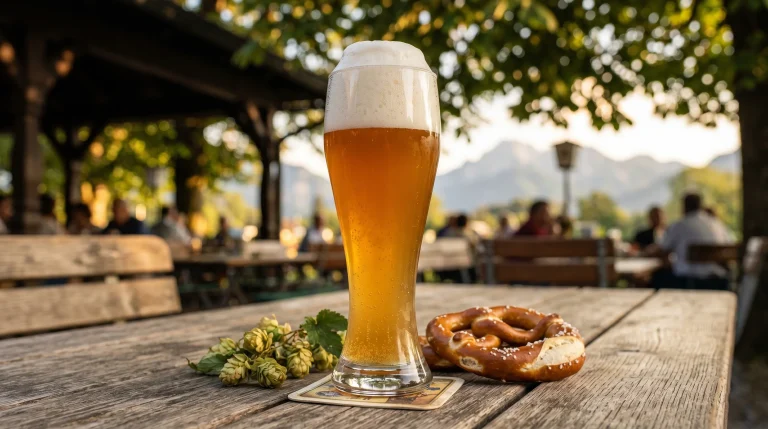
In German-style wheat beers such as Hefeweizen and Kristallweizen, Tettnanger usually goes in at low rates as a backdrop. The point is not to make the hop stand out but to clean up the flavor, balance the sweetness of the wheat, and dry out the finish.
VHow It Compares with the Other Noble Hops
Of the four noble hops, Tettnanger is the one most often confused with Saaz, and not without reason. The two share genetic ancestry and many traits: low alpha acids, gentle floral and spice notes, high farnesene. Saaz leans more toward grass and earth, though, while Tettnanger has a clearer herbal note. In a Bohemian Pilsner, Saaz reads as more rustic; in a German Pilsner hopped with Tettnanger, the beer takes on that distinctly German “würzig” depth.
Hallertauer Mittelfrüh, a sibling from the same Bavarian region, has much in common with Tettnanger, but its floral side leans toward lavender and elderflower rather than herbs. Mittelfrüh also runs slightly higher in alpha acids (4–6%), giving more noticeable bitterness at the same hopping rate.
Spalt, the least known of the noble hops, is spicier than Tettnanger, with distinct notes of pepper and wood. If Tettnanger smells of a spring meadow in bloom, Spalt smells of a pine forest in autumn.
VIHow to Spot It in the Glass
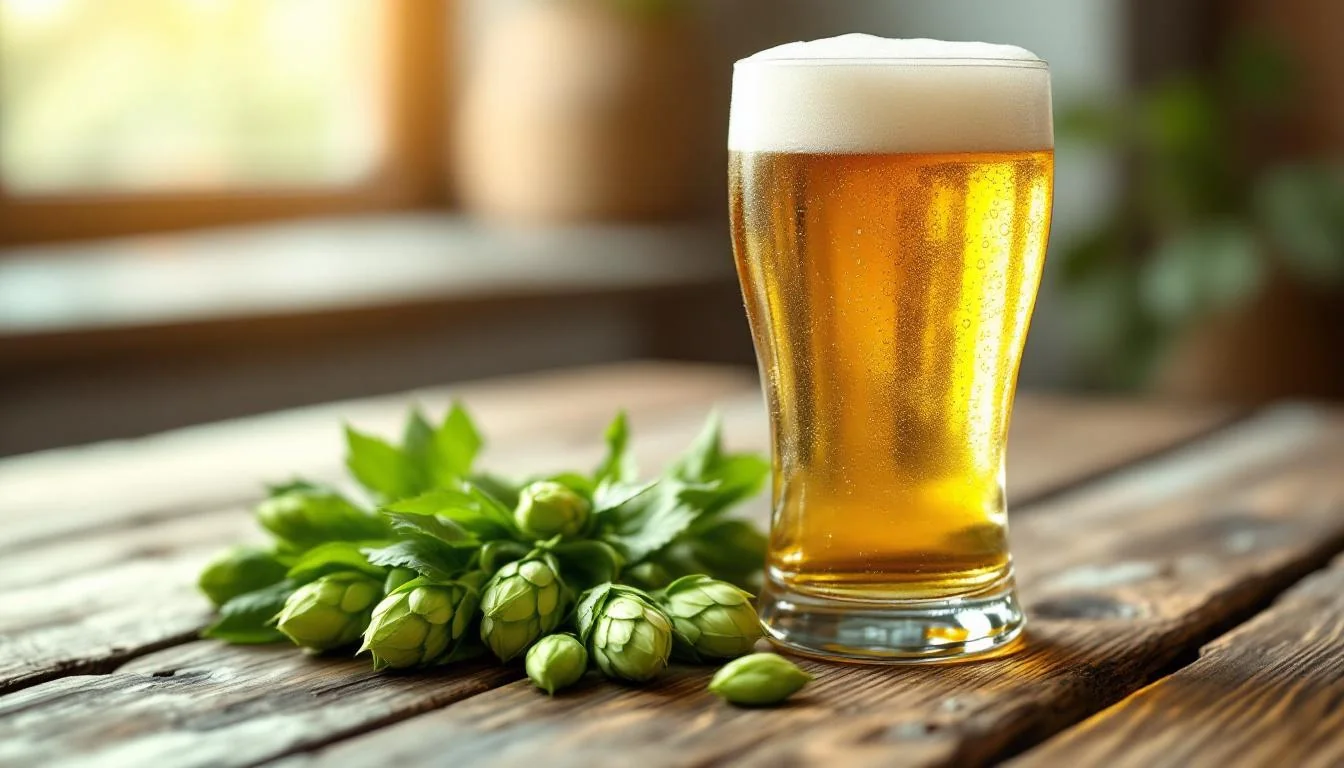
With a German Pilsner or Helles brewed with Tettnanger, start with your nose before you drink. Bring the glass level with your nose and breathe in gently. Look for meadow flowers, light rather than sharp, like dry hay in the early morning sun.
On the first sip, let the beer spread across your tongue. Tettnanger’s bitterness arrives mid-palate, not at the tip of the tongue or the back of the throat. It is slight, little more than a suggestion, and fades fast. A faint spice, herbal rather than chili heat, is the telltale sign.
The finish is where Tettnanger shows itself most clearly. After you swallow, notice what happens in the throat and at the back of the mouth. There is a little dryness, a passing grassy note, and then — a completely clean palate. No lingering bitterness, no metallic edge, nothing to get past.
Tettnanger does not make its case on the first sip. It comes through on the second or third glass, one layer at a time, for drinkers willing to slow down long enough to notice.
Mentioned in this article
-
Beer O L O G Y
Light Beer and the Hard Art of Simplicity -
Beer O L O G Y
Belgian Beer: Intangible Cultural Heritage of Humanity -
Beer O L O G Y
Wheat Beer: The Flavor of the Grain
Originally published in Vietnamese on Tạp Chí Beer.