Belgian Trappist WLP500: The Abbey in Every Bubble
WLP500 puts the Chimay yeast in brewers’ hands: ripe fruit, light phenols, and a Belgian abbey brewing tradition that goes back more than 150 years.
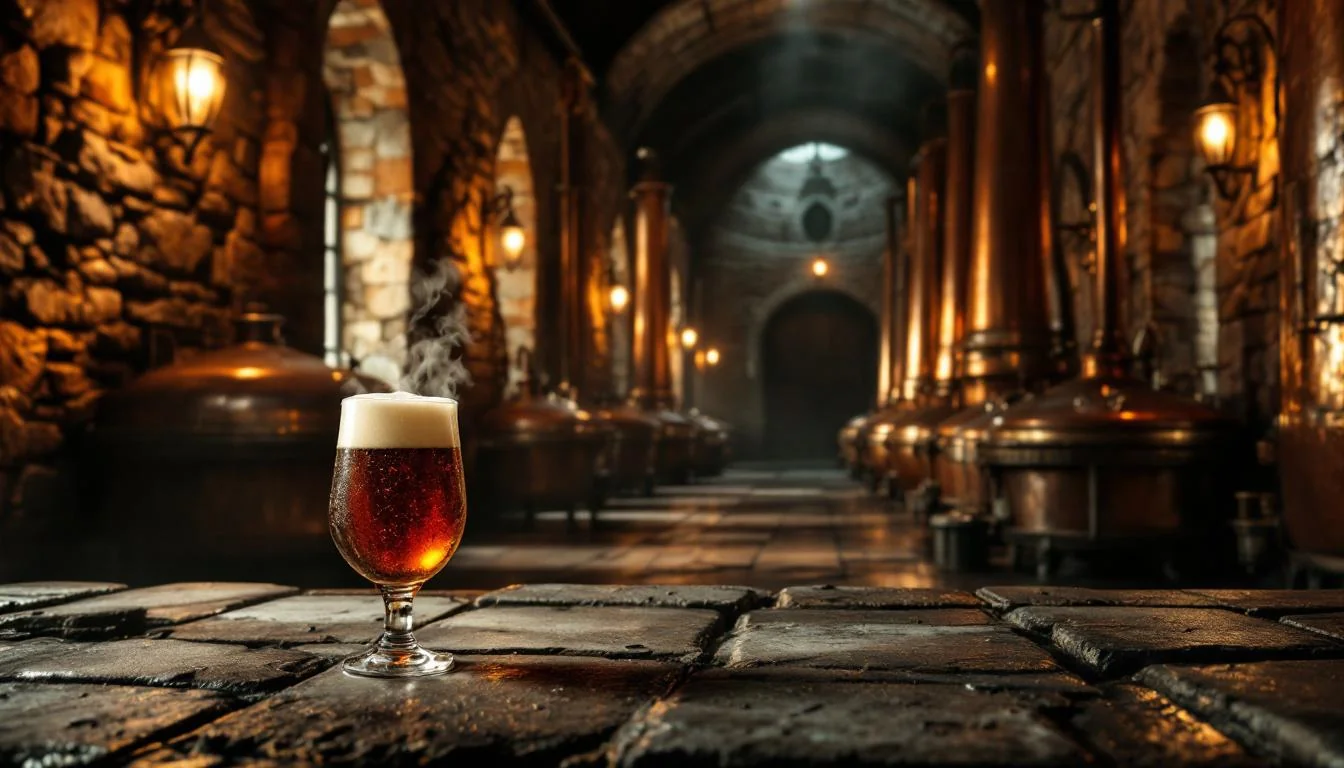
In the cold cellar at Scourmont Abbey, copper fermenting vessels still stand where they stood in the 19th century. The Trappist monks there do not call yeast an ingredient. They call it “the soul of the beer.” WLP500, the strain White Labs isolated from that tradition, carries a piece of Chimay to brewers all over the world.
Look past the catalog number and this is a story about a single-celled organism, and how it has carried the flavor of an entire monastic order through generations.
IOrigins and History
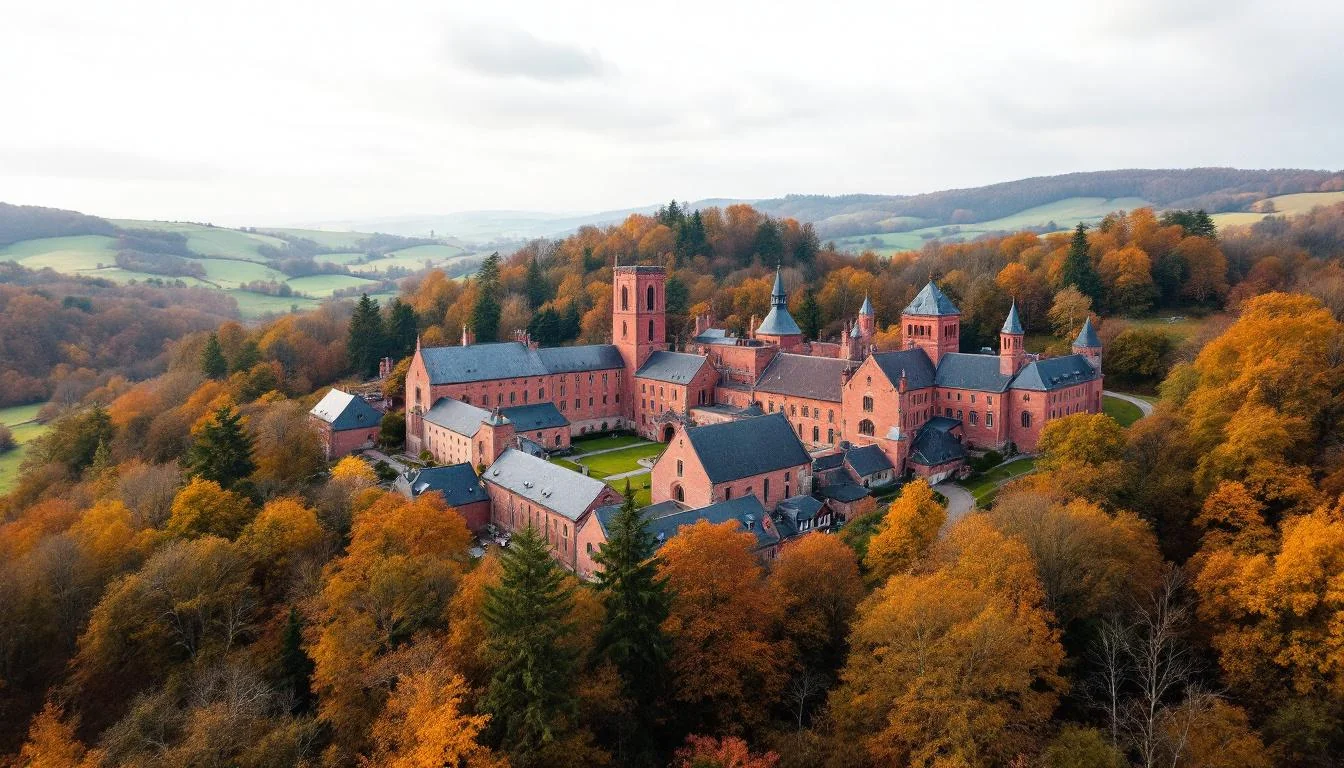
The Abbey of Notre-Dame de Scourmont stands in Chimay, a small town in southern Belgium near the French border. Trappist monks began brewing there in 1862, not as a business but to support the monastic community and fund its charitable work. Chimay beer came out of that setting: modest, practical, and exacting.
The abbey’s yeast has been handed down through generations, and no one knows exactly how old it is. It may date to the very first batches, or it may be a local wild yeast domesticated over many decades. What is certain is that it shaped the “Chimay taste” drinkers recognize from the first sip.
White Labs, the yeast laboratory in San Diego, California, isolated and propagated the strain in the 1990s, gave it the code WLP500, and called it “Trappist Ale.” The work was not simple. Belgian yeasts are notoriously complex and often carry several secondary strains living in symbiosis. White Labs had to separate out the primary strain and keep it stable through commercial-scale propagation without losing its original character.
Since then, WLP500 has linked the Trappist tradition to the worldwide homebrewing movement. A homebrewer in the United States, Australia, or Vietnam, or anywhere else, can now pitch a yeast that carries 160 years of brewing at Scourmont.
IIBiological Traits
WLP500 belongs to Saccharomyces cerevisiae, the standard ale yeast species. But “standard” refers only to its classification. There is nothing ordinary about its character.
The ideal fermentation range is 18–24 °C (65–75 °F). Toward the low end, the yeast gives a balanced beer with restrained esters. Toward the high end it opens up: the fruit climbs and the phenols come through more clearly. Many brewers start at 18 °C (65 °F) and slowly raise the temperature to 22–23 °C (72–73 °F) over the last days of fermentation, drawing on both ends of the range.
Attenuation runs 75–80%. WLP500 works through sugar fairly aggressively and leaves a medium-bodied beer, neither heavy nor thin. It tolerates high alcohol, up to 12–15% ABV, which strong styles like the Belgian Tripel and Belgian Quadrupel require.
Flocculation is medium to low, so the yeast stays in suspension for a good while and needs time to settle, or a clarifying step to clear. Some brewers accept a light haze as part of the style.
IIIFlavor and Character
Besides alcohol, WLP500 builds flavor in layers.
Esters come first: ripe pear, apricot, red apple. Sometimes banana, though not the sweet German-style banana; this one is deeper, like banana dried in the sun. These compounds form most strongly at warmer temperatures, when the yeast is under more “stress” as it metabolizes.
Phenols come second, and lightly: clove, plus a spice that is hard to name. People often call it “spicy,” though there is no heat in it, only warmth, like cinnamon in tea. WLP500’s phenols are far subtler than those of wild or farmhouse Belgian strains. They suggest rather than impose.
Underneath sits a little honey. It is not overtly sweet, more an aftertaste, as if someone had just walked past with a jar of honey. As the beer ages through a few months of conditioning, the fruit softens and gives way to a rounder, deeper character.
Treated well, WLP500 produces few off-flavors. Ferment it too warm or short it on nutrients, though, and it can throw unpleasant, solvent-like aromas. Patience and temperature control are the key.
IVTypical Styles
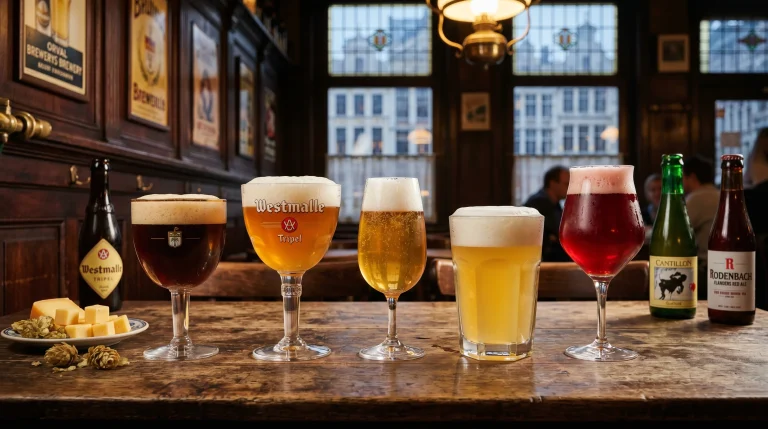
WLP500 was made for Belgian beer. More precisely, it is a Trappist yeast.
Belgian Dubbel
The dubbel is WLP500’s natural territory: a reddish-brown beer of 6–7.5% ABV, malt-sweet, with prune, grape, and caramel. The yeast adds a layer of ripe fruit, pear and apple, that makes the beer complex without weighing it down. Chimay Rouge (Red) is the classic example.
Belgian Tripel
A tripel asks its yeast to tolerate high alcohol and still leave a moderate body. WLP500 does both. The beer is pale gold, 7.5–9.5% ABV, drier than a dubbel, with spice and fruit leading. Chimay Cinq Cents (White) shows the pairing at work.
Belgian Dark Strong Ale (Quadrupel)
This is the real test: 10–12% ABV, sometimes higher, and strong beer needs a hardy yeast. WLP500 handles it, turning out a dark, viscous beer with molasses, plum, orange peel, and a little warming alcohol at the end. Chimay Grande Réserve (Blue) is the benchmark for the style.
Belgian Blonde Ale
Lighter, at 6–7% ABV, the Belgian blonde is the easy-drinking side of the Belgian tradition. WLP500 gives it light fruit and almost no phenols: a refreshing beer that still has depth.
VGeography and Terroir
WLP500’s home is Wallonia, the French-speaking south of Belgium, a region of forests, pastures, and monasteries scattered over the hills. Scourmont is not the only Trappist abbey here. Orval and Rochefort, two other celebrated names, are in the same area.
The Walloon climate is cool and humid, which suits slow fermentation. The abbey cellars hold a steady temperature year-round with no need for modern climate control, and the yeast adapted to those conditions over centuries.
The water at Chimay is soft and low in minerals, which affects how the yeast works and how the finished beer tastes. Brewers elsewhere often have to adjust their water to reproduce that profile.
Belgian yeast terroir is also cultural: the patience of the monks, and the idea of “beer that feeds the community” rather than “beer that turns a profit.” WLP500 carries that outlook with it, whether it is propagated in California or pitched in Saigon.
VIHow to Recognize It in the Glass
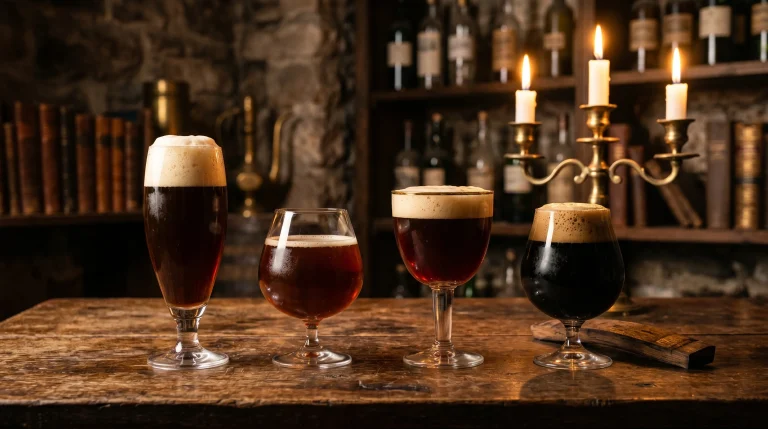
Pick up a glass of beer fermented with WLP500 and start with the nose.
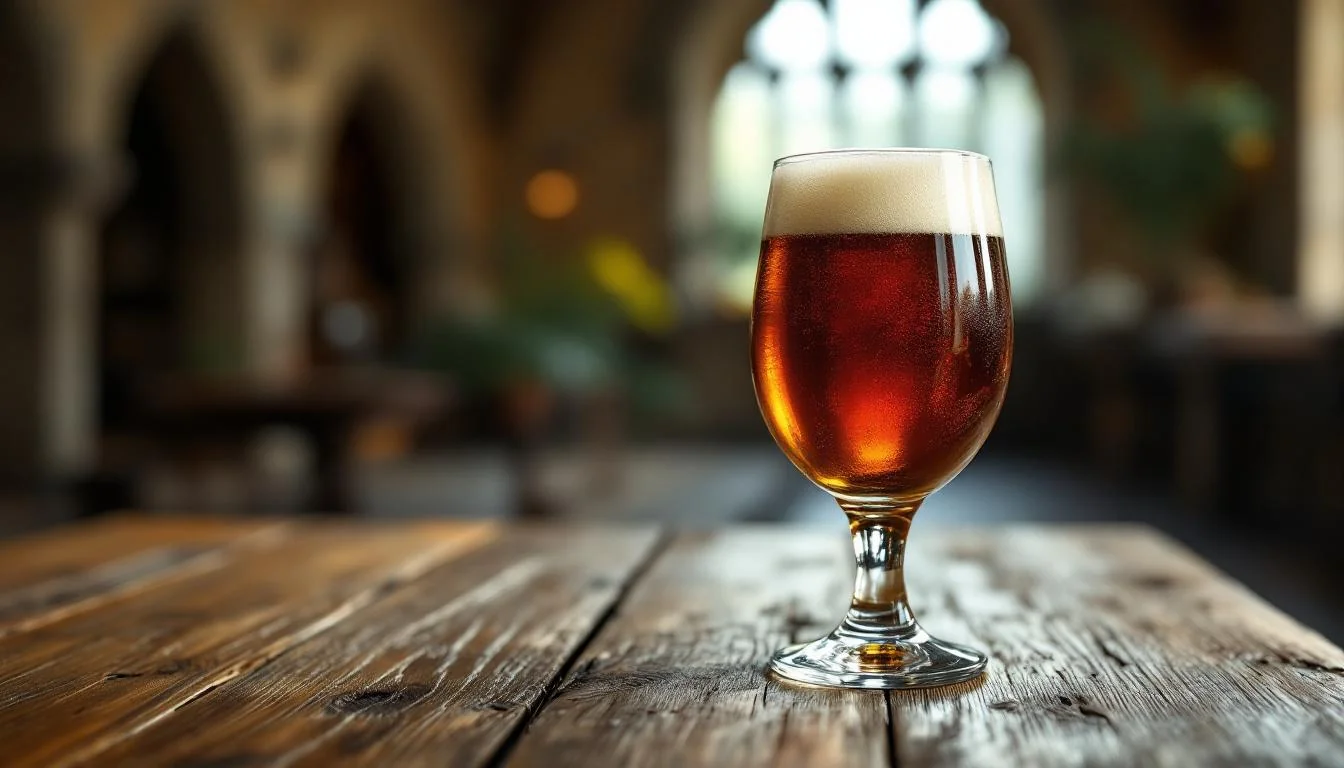
Ripe fruit rises first: pear, apple, apricot. Nothing heady, just a soft opening. Behind it there may be a little clove and some warm spice. If the beer has been well conditioned, you will catch a faint hint of honey.
When you drink, pay attention to the carbonation. Belgian beers tend to be lively, and beers fermented with WLP500 are no exception. Fine bubbles prickle the tip of the tongue and carry the flavor across the palate. The body is moderate, neither thin nor syrupy, with enough weight to hold your interest.
The finish is lightly dry. At higher strengths the alcohol may warm the throat, but not harshly. This yeast knows how to tuck alcohol beneath fruit and spice.
Balance is WLP500’s signature. It is less phenolic than a saison yeast and less clean than an American strain. It sits in between: dignified, warm, and always inviting you back.
Drink it slowly, and let the yeast do the talking.
Mentioned in this article
-
Beer O L O G Y
Belgian Beer: Intangible Cultural Heritage of Humanity -
Beer O L O G Y
Strong Beer: When Alcohol Becomes an Art
Originally published in Vietnamese on Tạp Chí Beer.