English Ale WLP002: The Fast-Settling Yeast from Burton’s Brewery Cellars
WLP002 English Ale, the fast-settling Fuller’s strain, gives English ales a smooth body, light fruity esters, and striking clarity.
Craft brewing has a paradox: the yeasts brewers love most are often the ones that say the least. WLP002 English Ale is one of them. It makes none of the bold flavors of Belgian yeasts and has none of the wild streak of kveik. Yet for decades, countless brewers have reached for it first when they want a proper English ale.
How does a “bland” yeast earn that kind of loyalty? The answer lies in its modesty, and in what it chooses not to do.
IOrigins at the Griffin Brewery
In 1845, on Chiswick Lane West in west London, the Fuller family bought out the Griffin Brewery. The brewery had been there since the 17th century, but it was under Fuller’s that it made its name.
Over the following decades, Fuller’s developed a yeast of its own, kept going through thousands of brews and adapted to London water, to Maris Otter malt, and to the way the English drink ale. The strain had an unusual trait: it was highly flocculent, dropping almost entirely to the bottom of the tank once fermentation was over. The finished beer came out bright without much filtration.
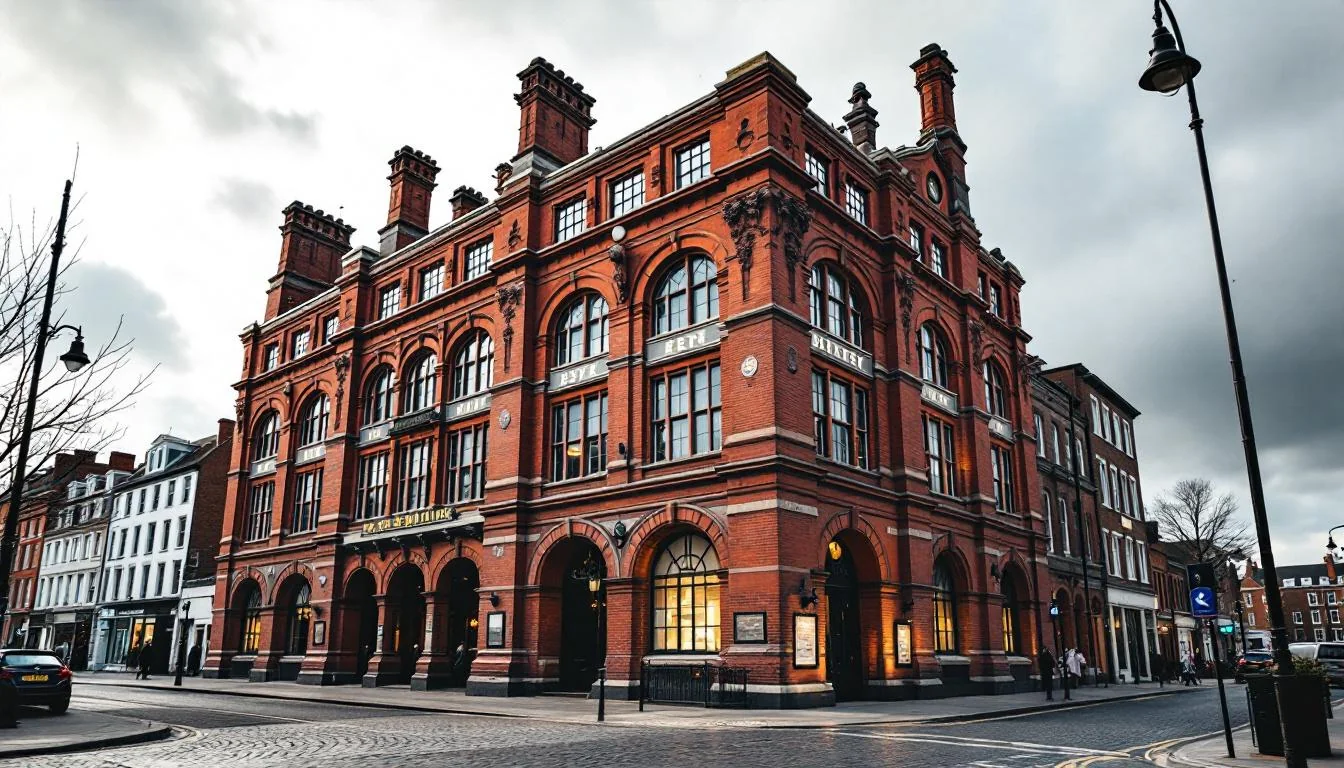
In the early 1990s, as homebrewing and craft beer took off in the United States, White Labs, a yeast laboratory in San Diego, began collecting and propagating well-known commercial strains. WLP002 was isolated from the Griffin Brewery itself, and it carries the DNA of London Pride, ESB, and 1845.
The name “English Ale” sounds generic, but homebrewers all know WLP002 as “the Fuller’s strain,” a living piece of English brewing history.
IIBiological Traits
Like most ale yeasts, WLP002 belongs to Saccharomyces cerevisiae, but its traits set it well apart. The ideal fermentation range is 16–20 °C (65–68 °F), slightly lower than for many other English ale strains. That helps keep esters in check, so the flavor never goes “over the top.”
Attenuation is medium to low, at 63–70%. The finished beer holds on to some residual sugar, which gives it a full, smooth body on the palate. That is the classic mouthfeel of traditional English ale: not as dry as American ales, not as sweet as some Belgian beers.
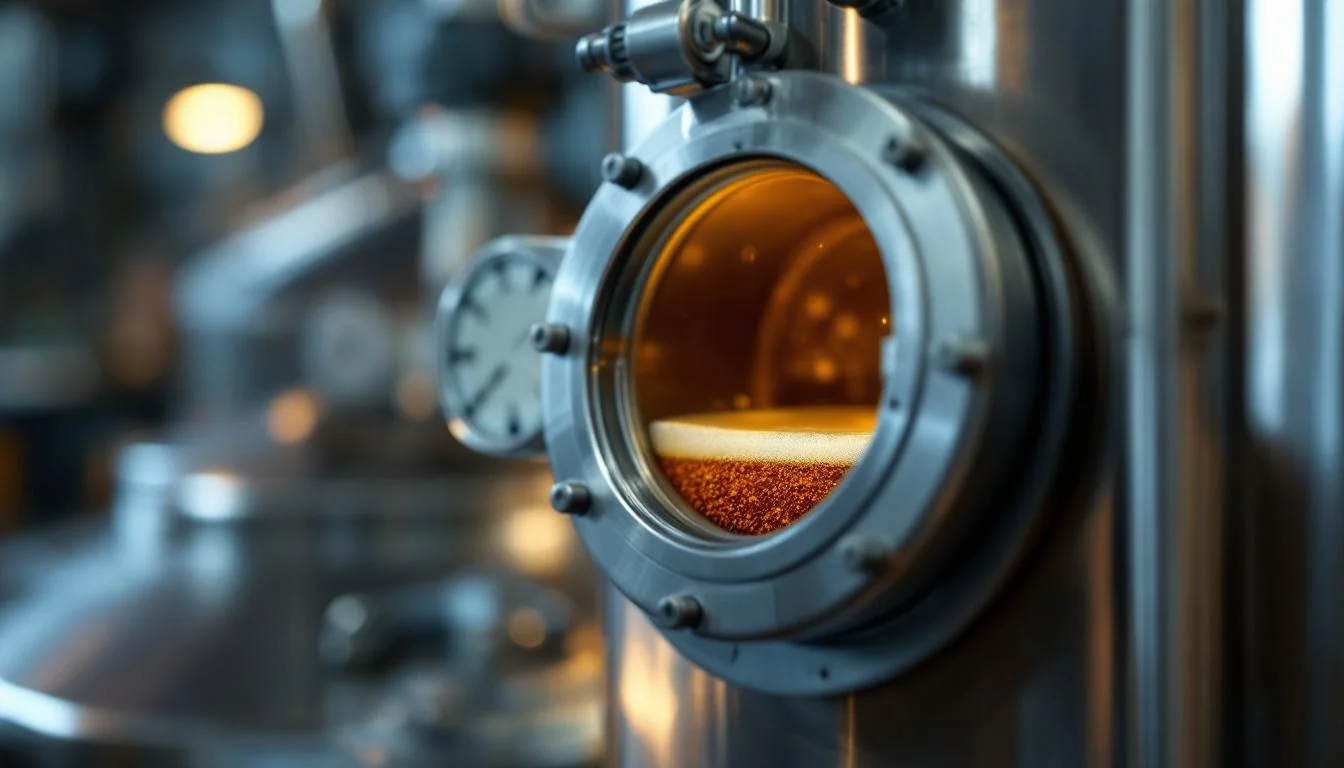
Flocculation is in the highest category: very high. Once primary fermentation ends, the cells clump into large flocs and drop to the bottom remarkably fast. The beer can clear after just a few days of cold crashing, with no fining agents.
IIIFlavor and Character
If one word describes WLP002, it is “restrained.” This yeast does not try to be the star. It stays in the background and lets the malt and hops lead.
Fermented cool, around 16–17 °C (61–63 °F), WLP002 gives very light fruity esters: a little ripe peach, a little pear, sometimes plum. There is not enough to call the beer “fruity,” but enough to add depth. It is a background note, the kind you notice only when it is missing.
At warmer temperatures, 19–20 °C (66–68 °F), the esters become more distinct. They are never brash, but you can pick them out. Some brewers deliberately raise the temperature toward the end of fermentation to build esters without losing control.
WLP002 produces almost no phenols or off-flavors: no spicy notes, nothing medicinal, and no significant diacetyl when fermentation is managed properly. That makes it a safe choice for beginners and a dependable one for brewers with hundreds of batches behind them.
One thing to keep in mind: because attenuation is low, WLP002 leaves a fuller-bodied beer with slightly less alcohol than the same recipe fermented with another yeast. That is character, not a flaw.
IVTypical Styles
WLP002 was made for English ale, and no one seriously disputes it.
English Bitter and ESB
This is WLP002’s home ground. English bitters, from a light Ordinary Bitter to a fuller Extra Special Bitter (ESB), all need a yeast that knows how to “step back.” WLP002 lets biscuity malt, light caramel, and earthy English hops such as Fuggle and East Kent Goldings come through. The smooth body from residual sugar keeps the beer easy to drink, even when alcohol reaches 5.5–6% ABV.
Fuller’s ESB, the beer this strain comes from, is the textbook example. To recreate London Pride or ESB at home, WLP002 is the place you have to start.
English IPA
Before IPA became a global phenomenon, it was an English style. English IPA is a different beer entirely from a West Coast IPA or a New England IPA: more perceived bitterness, less hop aroma, and a clear malt backbone. With its full body and light esters, WLP002 suits the style.
English Brown Ale and Mild
Modest styles such as Northern English Brown Ale and English Mild need a yeast that will not drown out the malt. Because it attenuates so little, WLP002 leaves enough sweetness to balance chocolate and caramel malts, which makes for easy-drinking session beers that still have depth.
Porter and Stout
For English-style dark beers such as English Porter and dry stout, WLP002 is the traditional choice. It puts the roasted malt up front (coffee, dark chocolate, toast) and adds no flavor of its own.
VGeography and Terroir
WLP002 comes from London and the Home Counties, but understanding it means talking about Burton-upon-Trent.
Burton, in England’s East Midlands, has long been the brewing capital of Britain. Its water is rich in gypsum (calcium sulfate), which gives a sharp bitterness and a characteristically dry finish. London breweries such as Fuller’s learned to “Burtonize” their water, adding gypsum to reach a similar profile.
WLP002 evolved in this environment: hard water, English malt (above all Maris Otter, with its biscuity character), and English hops with earthy, woody, herbal notes. Brewing with WLP002 means inheriting centuries of brewing history.
Today WLP002 is used all over the world, but it still “remembers” where it came from. The most successful WLP002 beers tend to respect English tradition: clear malt character, balanced hops, nothing pushed to extremes.
VIHow to Recognize It in the Glass
Hold up a glass of beer fermented with WLP002 and the first thing you notice is the clarity. The beer is so clear that light passes through it as it would through amber, the result of the yeast’s exceptional flocculation.
On the nose, fruity esters drift past, more hint than statement: peach, pear, sometimes ripe plum. If you are not paying attention, you will miss them.
With the first sip, pay attention to the mouthfeel. WLP002 leaves a smooth body with a light sweetness from residual sugar, neither watery nor thin. That sense of fullness is what many traditional English ales aim for.
The finish is usually clean and tastes more of malt and hops than of yeast. That is WLP002’s signature: it does its work, then gets out of the way and leaves the credit to the other ingredients.
The next time you drink an ESB or an English bitter, take a moment. Don’t rush to swallow. Let the beer spread across your tongue and look for that smoothness and those faint esters. That is the Griffin Brewery’s legacy, still alive in every yeast cell after hundreds of years and millions of batches.
Mentioned in this article
-
Beer O L O G Y
The World of Bitter Beer Begins with IPA -
Beer O L O G Y
Dark Beer Is Not One Style
Originally published in Vietnamese on Tạp Chí Beer.