Styrian Goldings: Herbal Notes from a Slovenian Valley
Styrian Goldings carries earthy herbs, white flowers, and light spice from Slovenia’s Styria region. It has helped shape many classic European beers.
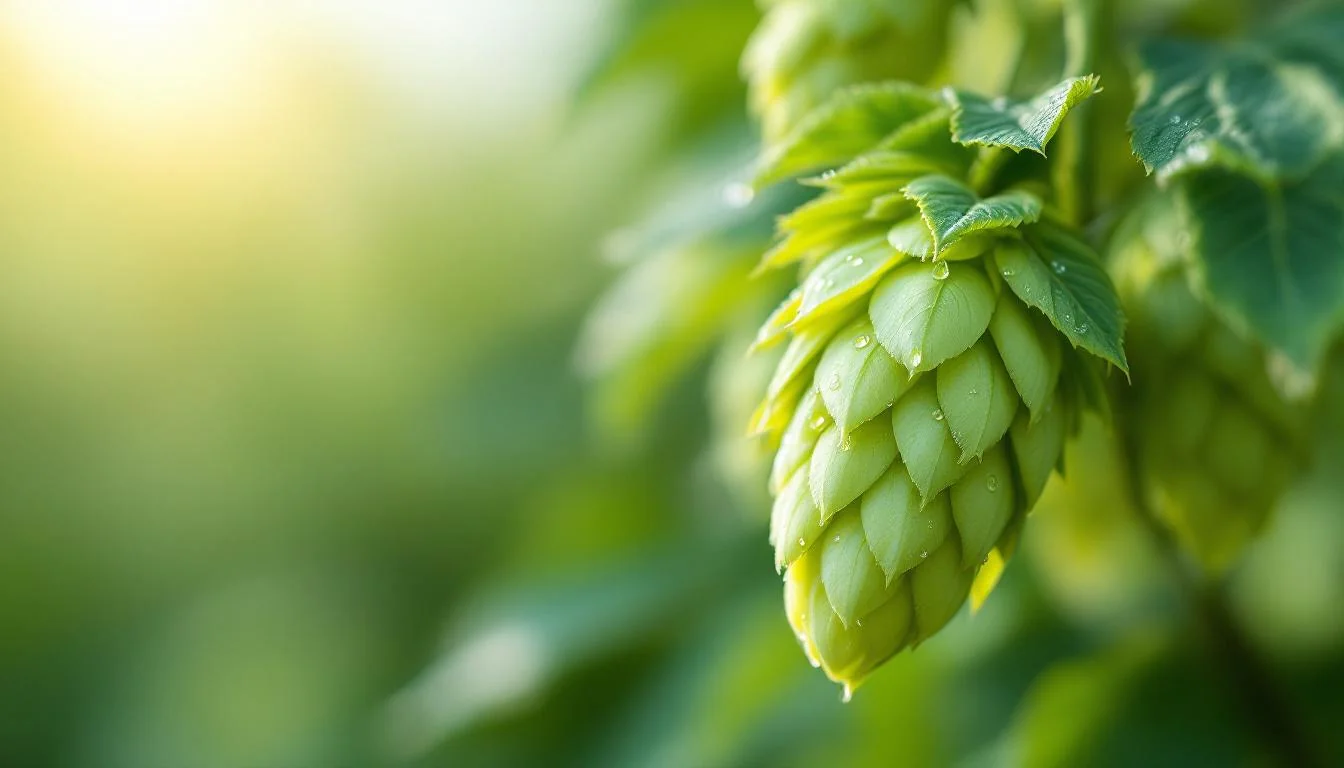
Some hops are built to grab attention. Styrian Goldings is not one of them. It belongs with the hops that make a drinker stop, tilt their head, and wonder what just drifted past.
In a carefully conditioned English Bitter or an airy Belgian Blonde Ale, Styrian Goldings doesn’t shout. It whispers: damp earth after rain, white blossoms in late spring, a trace of hay and old-fashioned spice. European brewers have trusted that aroma for decades, and unhurried drinkers keep coming back to it.
IOrigins and History
The story of Styrian Goldings begins in England, not Slovenia. Its parent is Fuggle, one of the oldest English hop varieties, discovered by Richard Fuggle in Kent in 1861.
In the late 19th century, a devastating outbreak of verticillium wilt hit English hop growing, and many growers looked to move their varieties to new ground. Around 1876, Fuggle was brought to Styria, then part of the Austro-Hungarian Empire and now in Slovenia.
Styrian soil changed the hop. A humid continental climate, rolling hills, and mineral-rich ground produced a markedly different strain. Over generations of natural selection and adapted cultivation, the English Fuggle gradually became Styrian Goldings, renamed to set it apart from its relative across the Channel.
Growing centers on Žalec, a small town in the Savinja Valley. Slovenians call it “the valley of green gold,” after the color of the bines that cover the hillsides. From the early 20th century, Styrian Goldings was Slovenia’s most important export hop and accounted for most of the national crop.
Despite the name, Styrian Goldings has no genetic link to England’s East Kent Goldings family. The name came later, probably for commercial reasons, to borrow the premium reputation of English Goldings. In scientific terms, it remains a direct descendant of Fuggle.
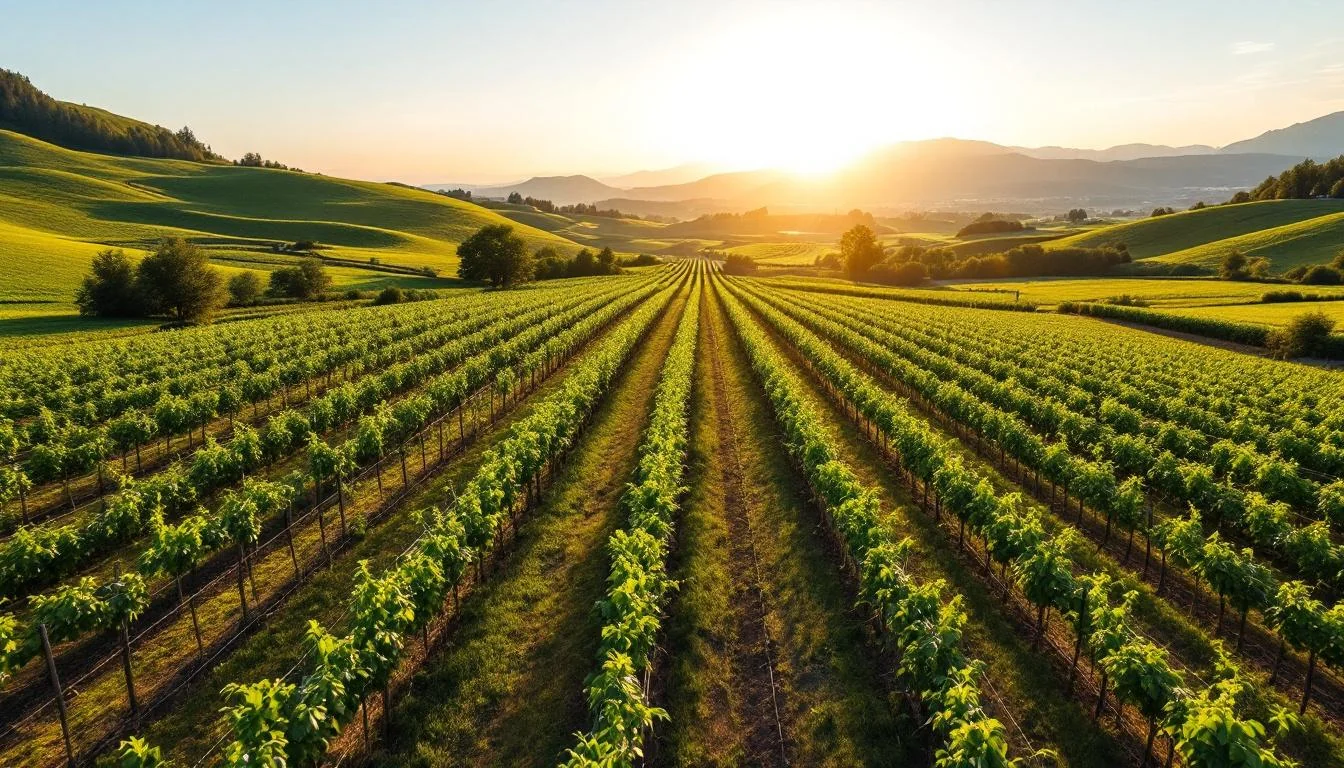
Today Slovenia keeps about 1,500 hectares under hops, a significant share of them Styrian Goldings. In Žalec, the Slovenian Institute of Hop Research and Brewing continues to develop offspring varieties such as Styrian Aurora, Styrian Bobek, and Styrian Wolf, all of which inherit traits from the original.
IITechnical Profile
Styrian Goldings is a classic aroma hop, with modest alpha acids of 4.5–6%. Beta acids fall between 2.5% and 3.5%, giving the balanced alpha-to-beta ratio typical of traditional European hops grown for aroma rather than bitterness.
Total oil content is moderate, at about 0.5–1.0 ml/100 g. Farnesene makes up an unusually high share of it, 15–20%, and is the compound behind the hop’s herbal and floral character. Humulene hovers around 25–30%, while myrcene is low, at roughly 20–25%.
The Slovenian harvest usually runs from late August to mid-September, when Styria’s humidity and temperatures give the cones ideal conditions to develop their fullest aroma.
IIIAroma and Flavor
Bring a handful of Styrian Goldings to your nose and the first thing you meet is earth. Not parched soil, but a forest floor after rain: damp, deep, faintly sweet. That earthiness is the foundation of the whole aroma.
The second layer is floral, small white flowers in the vein of jasmine, wild daisy, or elderflower. It is lighter and more distant than rose or lavender, like passing a garden early in the morning and catching a scent still hanging in the dew.
Spice sits deeper down: a very light touch of white pepper, sometimes clove, faint enough to register more as a memory than a presence. Some brewers also describe dried herbs such as thyme, sage, or oregano, depending on the harvest and growing conditions.
In beer, Styrian Goldings leaves none of the citrus stamp of American hops and none of the sharp herbal edge of German noble hops. It lays down a soft aromatic base that lets the other ingredients come forward. The finish usually runs to earth and flowers, of moderate length; it doesn’t linger long, but stays long enough to be remembered.
There is a rustic quality to Styrian Goldings that is hard to find in modern varieties. It recalls a European farmhouse kitchen, with dried herbs hanging from the rafters and the smell of garden soil drifting in through an open window.
IVBeer Styles That Use Styrian Goldings
Styrian Goldings is a traditional choice for lighter-bodied European beers, especially English Bitter and English Pale Ale. In styles that need a delicate hop aroma that never overwhelms the malt, it supplies just the right measure of herbs and flowers. Many English breweries use it as a finishing hop, added at the end of the boil to keep its volatile aromatics intact.
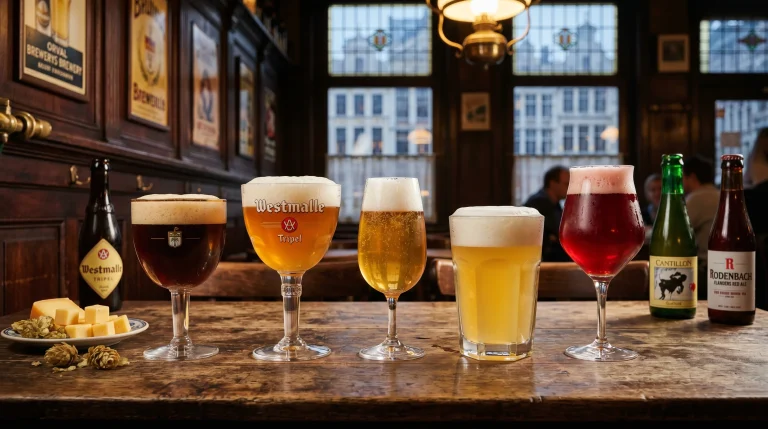
Belgian beers favor it too. Belgian Blonde Ales, Belgian Pale Ales, and even some traditional Belgian Saisons use Styrian Goldings for aromatic depth that doesn’t compete with the esters and phenols from the yeast. The hop’s earth and spice sit naturally beside the peppery, fruity character of Belgian yeast.
Another style where Styrian Goldings excels is the English Extra Special / Strong Bitter (ESB). Here its moderate bitterness meets caramel and biscuit malt in a balanced beer you can drink one after another without fatigue.
Some modern craft brewers have tried Styrian Goldings in Czech- and German-style lagers as an alternative to Saaz or Hallertauer. The result is usually a pilsner with a different accent: still light and clean, but with a warmer layer of earth and herbs.
VHow It Compares with Related Hops
Fuggle (UK), its closest relative, shares many traits with Styrian Goldings but leans greener, with more pronounced fresh-grass and woody notes. Fuggle also often carries a touch of mint that Styrian Goldings lacks. Tasted side by side, Styrian Goldings is softer and earthier, while Fuggle is fresher and more vividly herbal.
East Kent Goldings (UK) shares the name but belongs to an entirely different line. EKG offers honeyed florals, light citrus, and a refined, genteel English spice. If Styrian Goldings is a country valley, East Kent Goldings is the carefully tended garden of a manor house.
Styrian Aurora was bred from Styrian Goldings and Northern Brewer. It has higher alpha acids (7–9%) and adds citrus and resin notes the parent lacks, which makes it the pick when a brewer wants to keep the Styrian character but needs more bitterness and a more modern aroma.
VIHow to Recognize It in the Glass
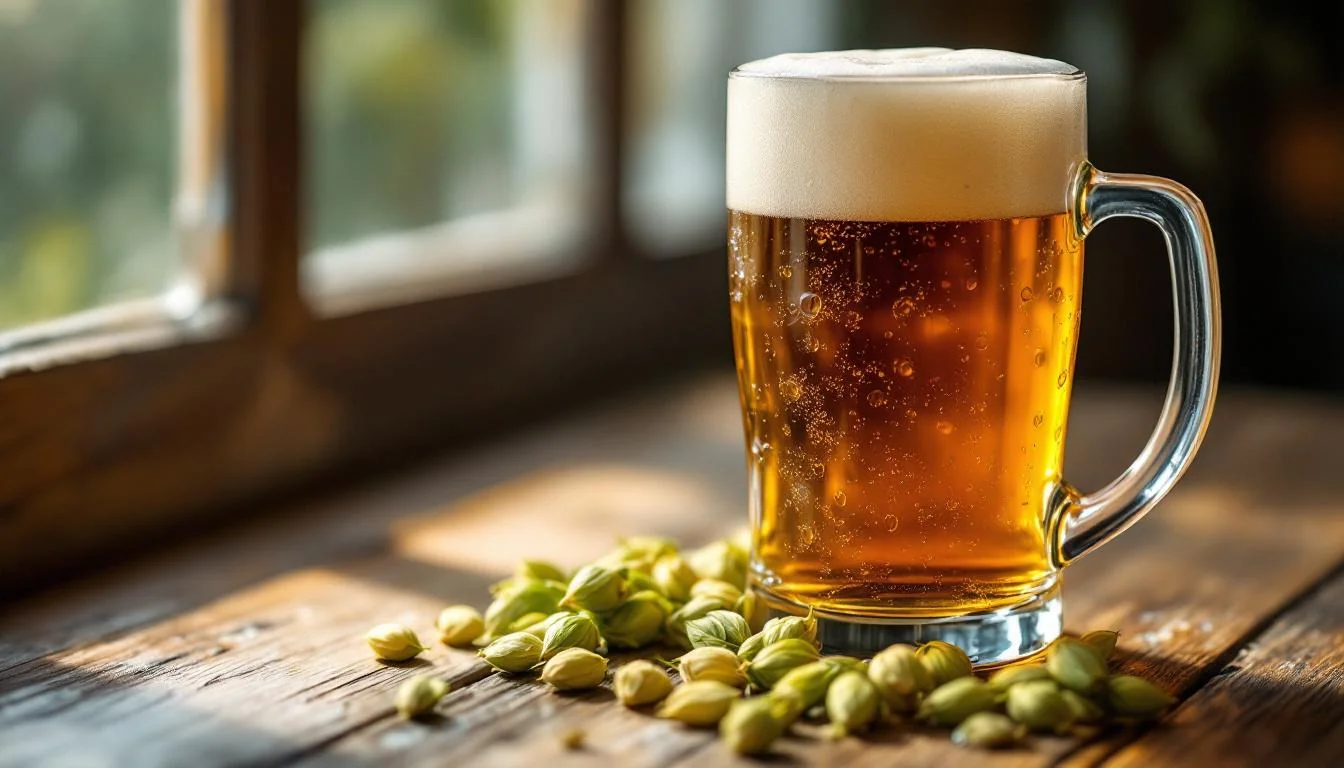
When you pick up a beer brewed with Styrian Goldings, smell it before you drink. Look for the background layer, not what jumps out first but what sits behind it: earth, dried flowers, perhaps a little warm spice.
On the first sip, pay attention to the bitterness. It should be light and rounded, never harsh, and it fades quickly to make room for the malt and the rest. This is a hop that knows when to step back.
The finish is where Styrian Goldings leaves its clearest mark: a light, earthy dryness that lasts a few seconds after you swallow. If you pick up something rustic there, like hay in a barn or the soil of a vegetable patch, that’s the hop.
The deepest aromas sometimes come from patience, and Styrian Goldings asks it of the grower, the brewer, and the drinker who lifts the glass slowly.
Mentioned in this article
-
Beer O L O G Y
Light Beer and the Hard Art of Simplicity -
Beer O L O G Y
Belgian Beer: Intangible Cultural Heritage of Humanity
Originally published in Vietnamese on Tạp Chí Beer.