Spalt: A Classic Aroma From Germany’s Smallest Town
Spalt, a German noble hop named for the smallest town in Bavaria, brings the gentle herbal aroma and subtle spice that shaped traditional lagers.
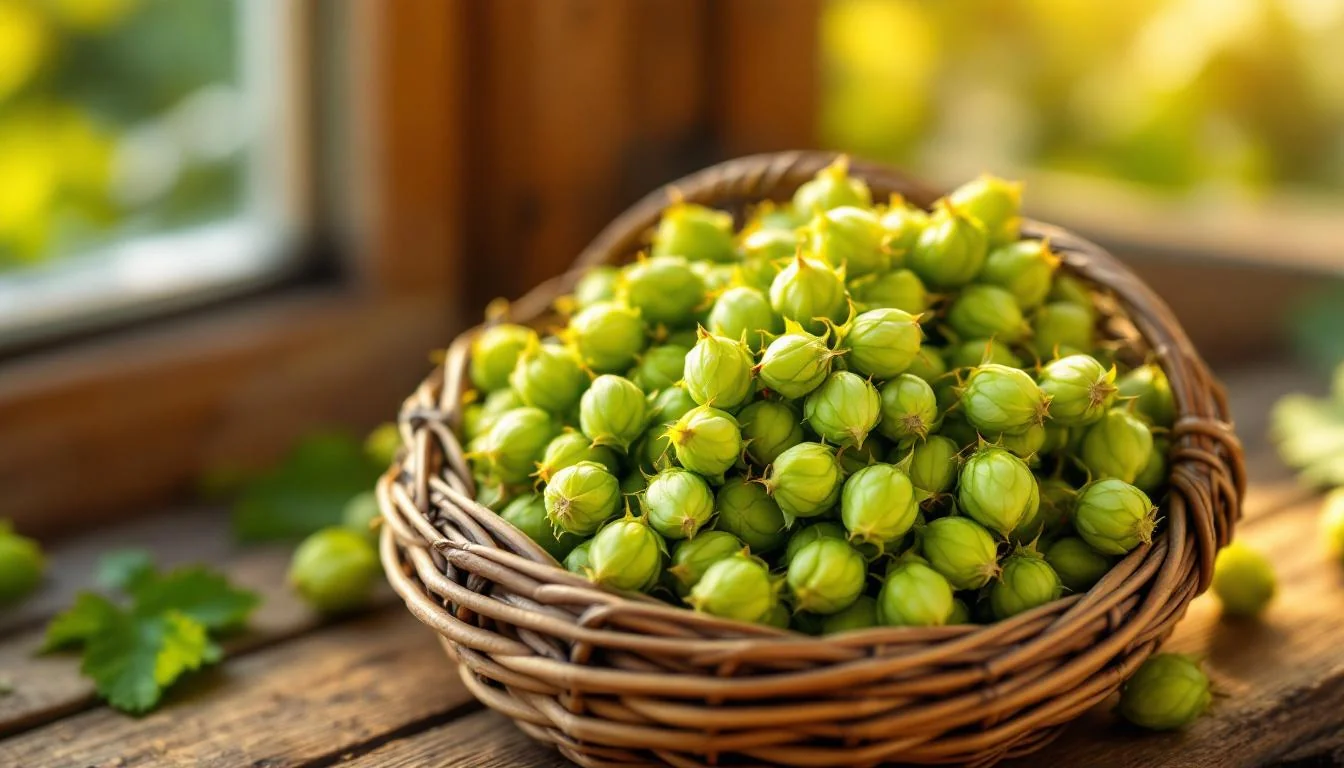
There is a town in Bavaria with barely five thousand residents and a history of hop growing longer than many countries have existed. The town is Spalt, and the hop that bears its name has quietly gone into millions of liters of German beer for more than seven centuries.
Czech Saaz and Germany’s Hallertau are the names usually cited as the noble hops that shaped European beer. Spalt, the less-mentioned sibling, has a story of its own, about persistence and a small region that held out against the modern hop crazes.
IOrigins and History
The first document recording hop growing in Spalt dates from 1341. Europe was then in the grip of the Black Death, beer had no Reinheitsgebot (German Beer Purity Law) yet, and hops were still unfamiliar in many brewing regions. The people of Spalt saw the value of these small green cones all the same.
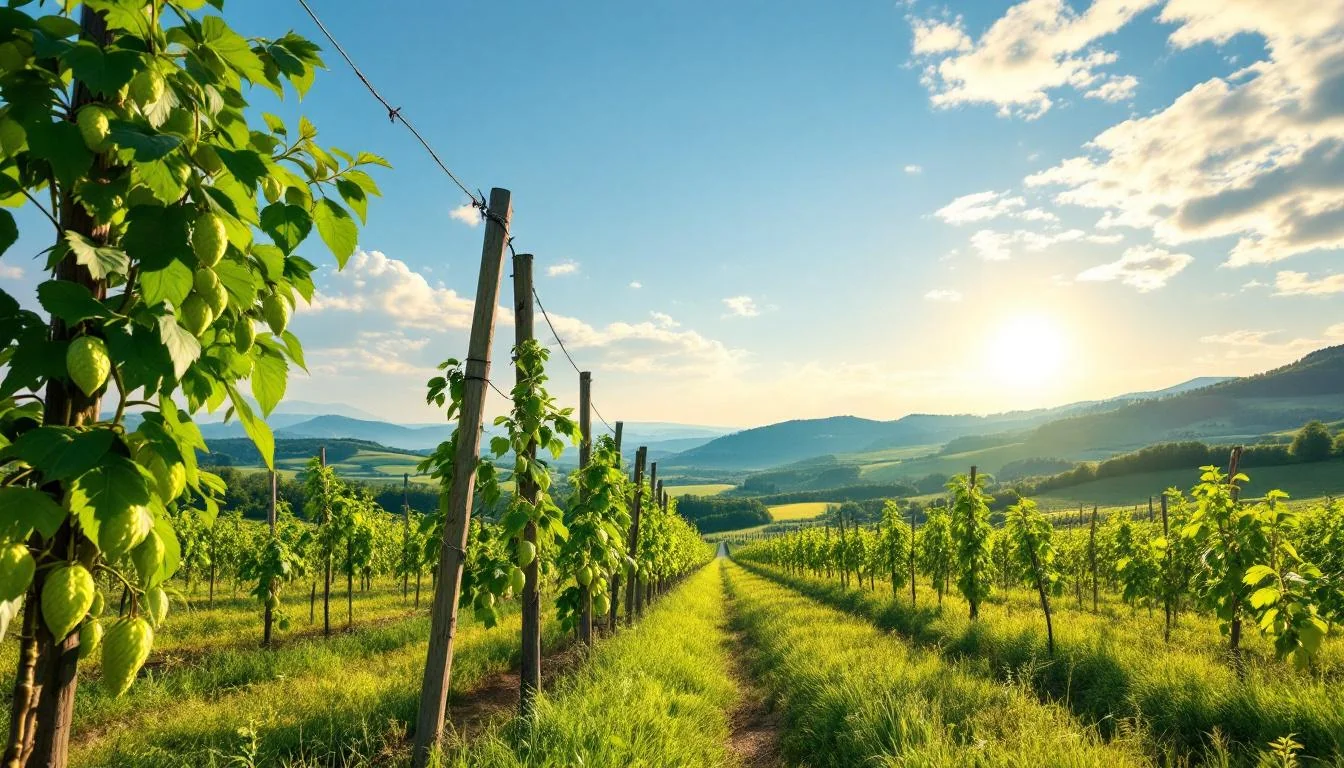
Spalt lies in Franconia, in northern Bavaria, about 50 km south of Nuremberg. The land is gently rolling, the soil sandy, and the climate mildly continental, ideal conditions for hops. In 1538, the town council formally issued rules on hop quality, making Spalt one of the first places in the world with a hop quality standard.
By 1900, Spalt was Germany’s third most important hop region, behind only Hallertau and Tettnang. The 20th century brought upheaval. Two world wars devastated farming, and a boom in high-yielding varieties from America and England threatened the traditional ones. The area planted with Spalt steadily shrank.
Today the Spalt growing region covers only about 400 hectares, small beside Hallertau’s 17,000. That scarcity is precisely what gives it value. Spalt has held a European Union protected geographical indication since 2012, and only hops grown within the administrative boundaries of the Spalter Hügelland may carry the Spalter name.
The original Spalt is a landrace that has existed for centuries without deliberate crossbreeding, the product of natural selection and traditional farming over many generations. Some researchers believe Spalt is genetically close to Czech Saaz, though no one has been able to pin down its original source.
IITechnical Profile
Spalt is an aroma hop with low alpha acids, ranging from 2.5% to 5.5% and averaging about 4%. Beta acids fall between 3% and 5%, for an alpha-to-beta ratio close to 1:1, typical of Europe’s noble hops. Total oil content is 0.5 to 0.9 ml/100 g, relatively low compared with modern varieties.
Spalt’s oil is high in humulene, at 20% to 30% of the total. Myrcene runs from 20% to 35%, well below American varieties. Farnesene is present at 10% to 15%, contributing to the hop’s subtle herbal character. Caryophyllene accounts for about 8% to 12%.
Spalt is usually harvested from late August to mid-September. The plants yield less than modern commercial varieties, only about 1,200 to 1,500 kg per hectare. That is the main reason many farmers switched to higher-yielding hops, and why the planted area declined in the second half of the 20th century.
IIIAroma and Flavor
Open a bag of fresh Spalt at harvest time and the first thing you meet is the smell of new-mown hay. Not damp grass after rain, but hay drying in the Bavarian afternoon sun: warm, soft, a little sweet. Behind it come delicate herbs, a fleeting touch of sage and thyme.
Smell more closely and Spalt reveals a light peppery spice, closer to white pepper than to bold black pepper. Some people find damp earth, or the scent of a distant pine forest. Anyone used to American hops will find Spalt surprisingly restrained: no bright citrus, no sharp resinous pine, no tropical mango.
In beer, Spalt gives a soft, rounded bitterness. Instead of cutting the tongue like high-alpha hops, it spreads gently and then fades. The finish leaves a little warm spice and a light dryness that calls for the next sip. This is a hop made to support the malt, not to take the stage.
Some brewers describe Spalt as having “elegance,” a quality hard to put into words. It makes no strong first impression, but it seems fuller the more you drink and subtler the more you think about it.
IVBeer Styles That Use Spalt
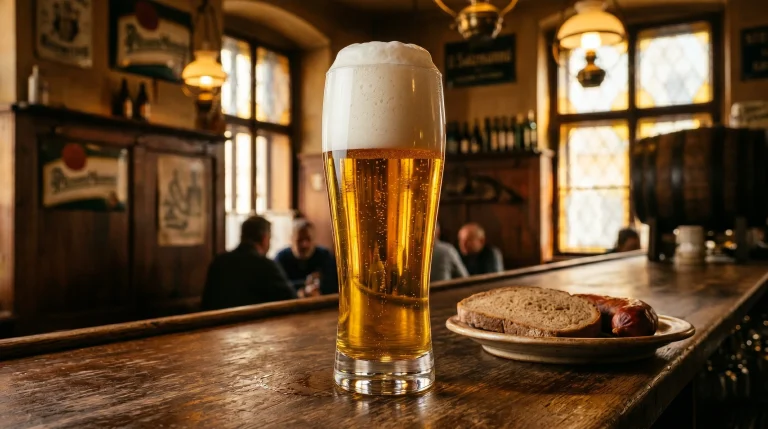
Spalt sits at the center of traditional German lagers. Munich Helles, Dortmunder Export, and Märzen all need a hop that won’t overpower the malt yet still provides balance, and Spalt meets that need precisely.
In German Pilsner, Spalt is often paired with Hallertauer Mittelfrüh or Tettnanger. A classic recipe might use Spalt for late hopping and dry hopping to make the most of its herbal aroma. Some Franconian breweries still keep the tradition of using 100% Spalt in their local pilsners.
Festbier and Oktoberfest Märzen are two more styles where Spalt comes into its own. Its mild bitterness meshes with the light caramel notes of Munich malt, and its warm, spicy finish takes the edge off a chilly autumn day, true to the original purpose of Bavaria’s beer festivals.
Bock and Doppelbock, though they count among the strong beers, often use Spalt as well. Here the hop needs finesse more than bitterness: it has to let the complex malt lead while still giving a clean accent at the finish.
VHow It Compares With the Other Noble Hops
Among Europe’s four noble hops, Spalt is usually set alongside Saaz, Tettnanger, and Hallertauer Mittelfrüh. Each has its own personality, though they share a good deal.
Compared with Saaz, Spalt is more herbal and less floral. Saaz has a fresh, almost faintly minty quality. Spalt is warmer and deeper. In a pilsner, Saaz brings brightness and Spalt brings depth.
Hallertauer Mittelfrüh is Spalt’s closest relative, geographically and genetically. The two share hay and herbal notes, but Mittelfrüh tends to be more floral and lighter, while Spalt has clearer spice and a slightly fuller bitterness.
Tettnanger, from the Lake Constance region in the southwest, has a somewhat different profile, with more licorice and sweet spice. Tettnanger’s refinement is bright; Spalt’s is discreet.
VIHow to Recognize It in the Glass
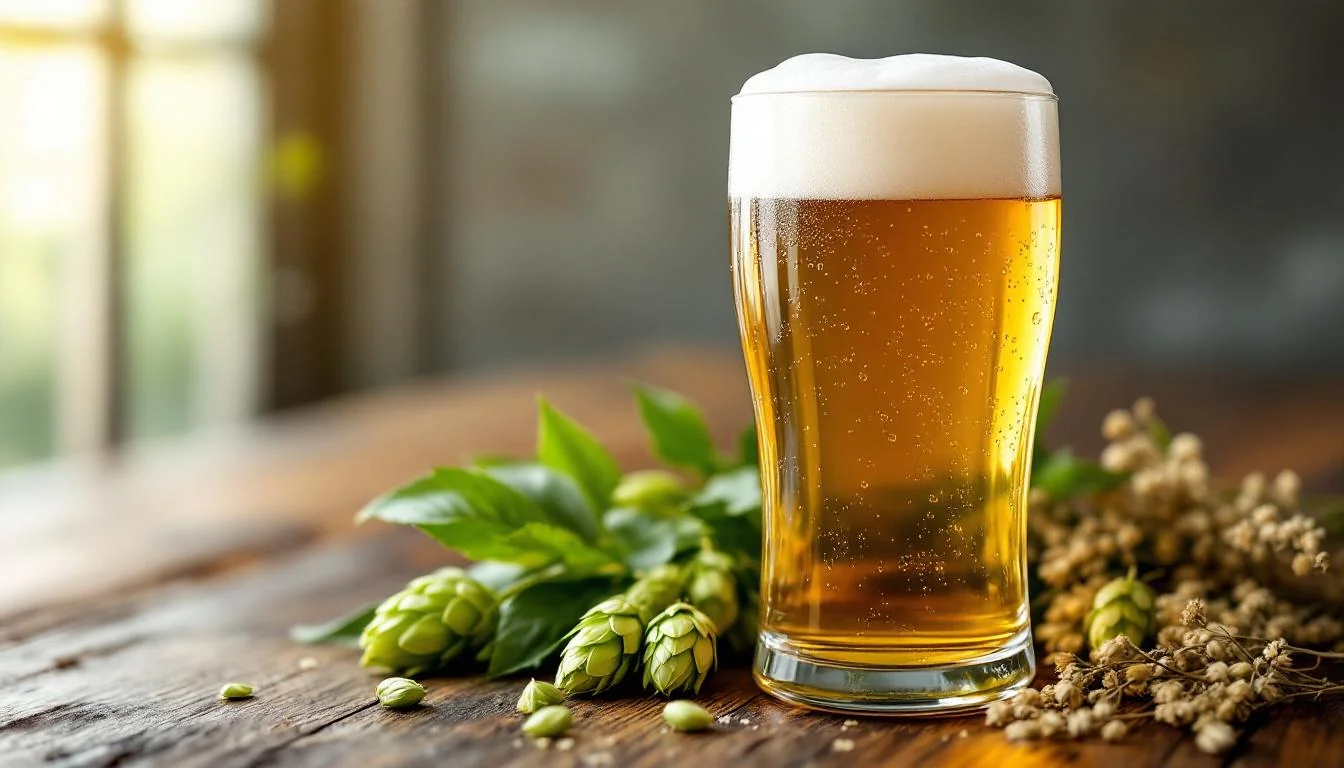
When you drink a German Pilsner or Helles hopped with Spalt, start with your nose. Lift the glass and breathe in gently, looking for dried herbs rather than fresh flowers. Anything that recalls a Mediterranean herb garden in the summer sun may be a sign of Spalt.
On the first sip, let the beer cover your whole tongue. Spalt’s bitterness arrives slowly; rather than hitting the tip of the tongue, it spreads gradually toward the back. It is smooth and round, quite unlike the sharp bitterness of high-alpha hops.
The finish is where Spalt leaves its clearest mark. Look for a light, warm spice, as if from a pinch of white pepper. The mouth is lightly dry and clean, ready for the next sip. No lingering fruit, no harsh bitterness left behind.
Some small Bavarian breweries still brew traditional recipes with Spalt alone. If you get the chance, look for beers from Franconia: Nuremberg, Bamberg, Erlangen. There, Spalt is still the default choice rather than a specialty.
In a craft beer world full of loud flavors, Spalt argues for a different kind of beauty: restraint, tradition, and a small town that saw no reason to change just because the times did. Sometimes a well-balanced beer is worth more than all the noise.
Mentioned in this article
-
Beer O L O G Y
Light Beer and the Hard Art of Simplicity -
Beer O L O G Y
Strong Beer: When Alcohol Becomes an Art

Originally published in Vietnamese on Tạp Chí Beer.