East Kent Goldings: The Aristocrat of England’s Hop Gardens
East Kent Goldings, the aristocrat of English hops, brings the floral, honeyed, damp-earth aroma that has long defined traditional English brewing.
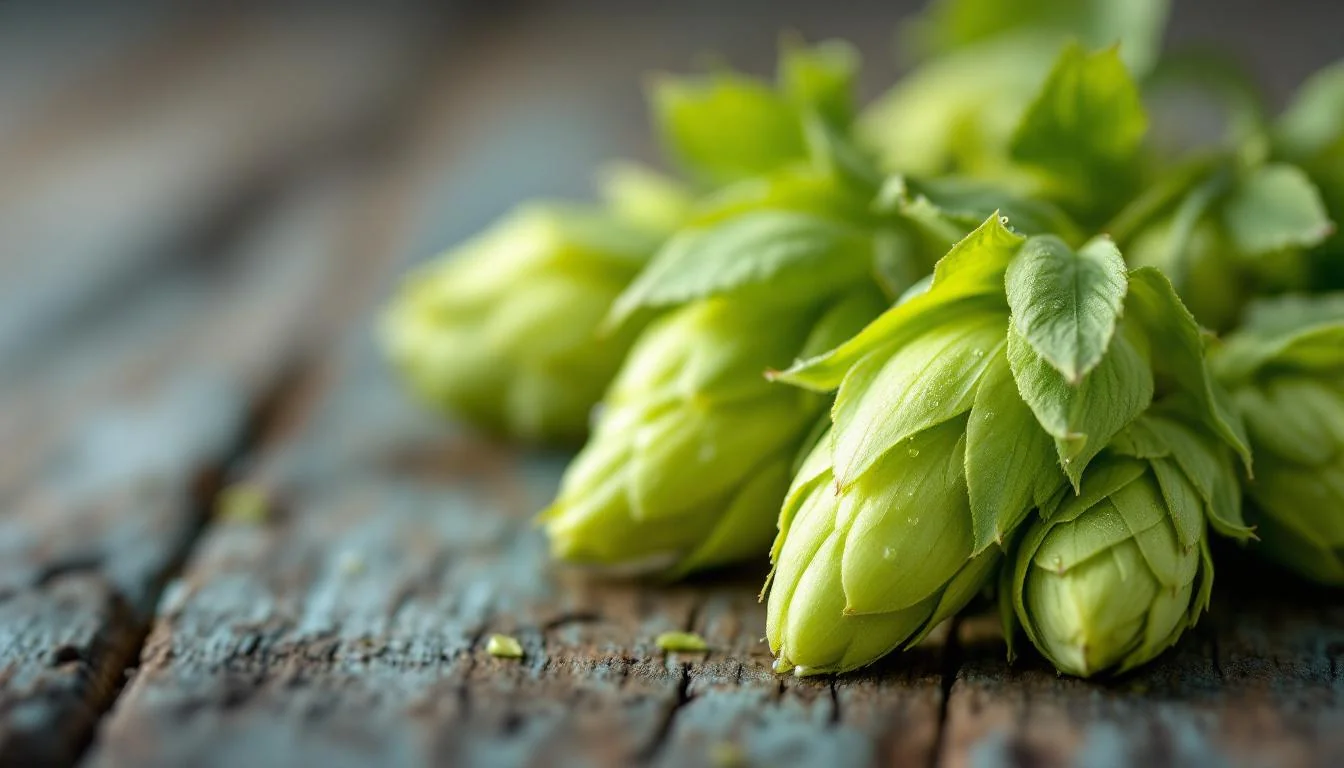
In 1790, a farmer named John Golding, of the village of Malling in Kent, noticed that a few of the hop plants in his garden were different. They yielded well, and their cones gave off a subtle, refined aroma, nothing like the coarse hop varieties of the day. He began propagating them. In the more than two centuries since, the Golding name has become shorthand for English hops.
The name East Kent Goldings belongs only to Goldings grown in East Kent, where soil, climate, and generations of growers have produced a terroir no one has managed to copy. It is a hop for slow consideration rather than instant impact.
In a craft beer world crowded with American hops and their bursts of tropical fruit, East Kent Goldings is the English gentleman in the room: quiet and refined, with an impression that lasts. It is a reminder that restraint can be the height of the craft.
IOrigins and History
The East Kent Goldings story begins in the late 18th century, while English brewing was in the middle of a revolution. Before then, the English had mainly used gruit, a mixture of herbs, to bitter their beer. Hops had arrived from Flanders in the 15th century but were still a contested ingredient.
John Golding, a farmer at Malling in Mid-Kent, is credited as the first to select and systematically propagate the hop plants that later carried his name, sometime around 1780–1790. The distinction matters, though. Goldings is a collective name for a group of hop varieties descended from his work. East Kent Goldings is narrower: only Goldings grown in four specific districts of East Kent, namely Canterbury, Faversham, Ashford, and Sandwich.
The boundary reflects real differences in the land. East Kent has natural advantages few places share: mineral-rich alluvial soil from the Great Stour and Little Stour rivers, moderate rainfall of about 600–700 mm a year, and mild breezes off the English Channel that temper the climate. Growers here believe this terroir is what sets their hops apart, and that Goldings of the same variety grown elsewhere never reach the same depth of aroma.

By the 19th century, East Kent Goldings had become the gold standard for English brewers. Major breweries such as Bass, Whitbread, and Worthington specified in their contracts that they would buy hops only from East Kent. In 1903, a formal certification system was established: only Goldings grown within the designated East Kent area could be sold as “East Kent Goldings” and carry the EKG stamp.
Two world wars and the decline of English brewing then cut the area planted with East Kent Goldings sharply, from thousands of hectares in the early 20th century to a few hundred by the 1990s. Today it is one of the rarest and most expensive hops in the world. The reason is not marketing. The plant is genuinely hard to grow, yields little, and cannot be reproduced outside its home ground.
IITechnical Profile
East Kent Goldings is a low-alpha hop, with alpha acids between 4.5% and 6.5% and an average of about 5%. That is modest next to modern varieties such as Citra or Simcoe, which can reach 12–14%. Beta acids range from 2% to 3.5%, giving a balanced alpha-to-beta ratio, an important factor in a bitterness that stays soft and never turns harsh.
Total oil content runs about 0.4% to 1%, and humulene is the main component, at 35–45% of the total. Humulene gives English hops their characteristic aroma: herbal, woody, and lightly spicy. Farnesene, another hallmark of the Goldings line, makes up about 4–5% and contributes faint floral and fruity notes.
East Kent Goldings is usually harvested from early to mid-September, slightly later than many other hops. The plants grow slowly, have slender bines, and are vulnerable to pests and disease, especially verticillium wilt, a soil-borne fungal disease that has devastated many hop gardens in Kent. Together these factors account for the hop’s scarcity.
IIIAroma and Flavor
If one word had to describe the aroma of East Kent Goldings, it would be elegance. This is not an aroma that rushes at the nose. It approaches softly.
The first layer is floral: English wildflowers rather than showy tropical blooms. Lavender drifts past, along with a little wild daisy and geranium. Some describe it as the smell of an English garden late in the afternoon, when the sun has softened and the air is starting to cool.
The middle layer brings earth and honey, and this is where East Kent Goldings is most distinctive: a smell of damp soil, like the first rain of autumn, mixed with the light sweetness of acacia honey. Some people also pick up Earl Grey tea. That is no surprise, since the bergamot oil in Earl Grey has a molecular structure similar to some of the compounds in Goldings oil.
Underneath lie herbs and spice: thyme, a little marjoram, and the warmth of white pepper. There is none of the aggression of American hops, with their blazing pine and pithy grapefruit. East Kent Goldings is closer to a warm cup of herbal tea, gentle yet complex.
When you taste it, the bitterness of East Kent Goldings is soft and round. It doesn’t stab at the tongue; it spreads across the palate. The finish lingers with a light sweetness and leaves the mouth clean. Nature and time have shaped this hop for slow drinking and reflection.
IVBeer Styles That Use East Kent Goldings
East Kent Goldings is the defining hop of the traditional English IPA: not the modern West Coast or New England IPA, but the original 19th-century version, brewed to survive the voyage to India. Classic recipes use it at all three stages: bittering, aroma, and dry hopping. Its bitterness stays in proportion, never masking the malt character, and it leaves a distinctive dried-flower aroma.
English Bitter and Best Bitter
This is probably where East Kent Goldings is most at home. Traditional bitters from Kent’s pub breweries almost always use EKG. Its understated floral aroma pairs well with Maris Otter malt to make a session beer, one you can drink all afternoon without tiring your palate. The bitterness is moderate, the finish clean, and there is always a touch of that characteristic damp earth.
English Pale Ale
English Pale Ale differs from American Pale Ale in that it doesn’t chase hop intensity, and East Kent Goldings helps define that difference. In a textbook English pale ale, the aroma is gentle rather than explosive, and the bitterness blends with the malt instead of fighting it. That is the English brewing philosophy: balance comes first.
Porter and Traditional Stout
Few would guess that East Kent Goldings was also a historical choice for London’s porters and stouts. Its earthy, herbal notes support the roast of the dark malts without overpowering it. Classic recipes for Robust Porter or Irish Dry Stout often include EKG in the hop bill, even if only for light bittering.
VHow It Compares With Similar Hops
Fuggle
Fuggle is the sibling most often named alongside East Kent Goldings in English recipes. Both are traditional English hops, but the differences are clear. Fuggle is heavier and rougher, all earth and wood, like a damp forest after rain. East Kent Goldings is more delicate, with more floral and honey notes. Many traditional recipes use both: Fuggle for an earthy base, Goldings for floral depth.
Styrian Goldings
Despite the name, Styrian Goldings from Slovenia is actually Fuggle, transplanted to the Styria region. It is more distinctly herbal, with notes of mint and green tea that East Kent Goldings lacks. Styrian Goldings is often used in Belgian beers and some European lagers, while East Kent Goldings is tied to English ale.
Progress and Target
Progress was developed as a replacement for Fuggle with better disease resistance. Target is a high-yielding variety with higher alpha acids. Both were efforts to modernize, but neither reproduces the complexity and finesse of East Kent Goldings. Either can technically stand in for EKG in a recipe, but an experienced drinker will notice the difference.
VIHow to Recognize It in the Glass
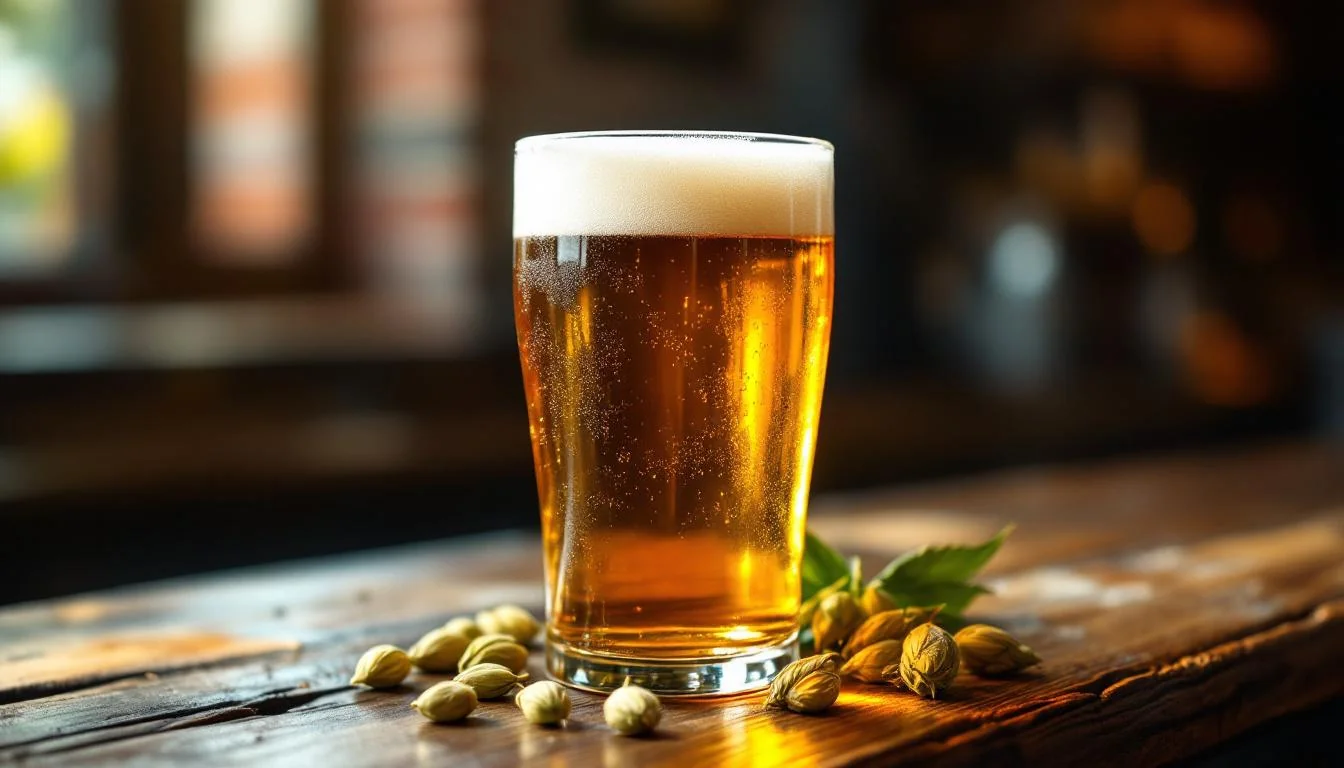
When you pick up an English Bitter or English IPA brewed with East Kent Goldings, bring the glass to your nose before you drink. Swirl it gently to release the aroma. Look first for flowers: wild daisies rather than vivid tropical blooms. A passing hint of honey is a good sign.
On the first sip, let the beer spread across your tongue. The bitterness of East Kent Goldings doesn’t arrive at once. It emerges gradually in the middle of the palate, rounded and smooth, without any sharpness or bite. A touch of damp earth and dried herbs is the EKG signature.
The finish is where East Kent Goldings shows most clearly. After you swallow, wait a few seconds. A light, clean bitterness stays behind, neither clinging nor vanishing at once. There may be a little honeyed sweetness and a tea-like dryness. The last impression is clean, an invitation to the next sip.
East Kent Goldings is not for hurried drinking. Time, soil, and generations of patient growers made it, and it deserves the same patience in the glass. Slow down, and let the beer tell its story.
Mentioned in this article
-
Beer O L O G Y
The World of Bitter Beer Begins with IPA -
Beer O L O G Y
Dark Beer Is Not One Style
Originally published in Vietnamese on Tạp Chí Beer.