Centennial: The Hop at the Heart of American IPA
Nicknamed “Super Cascade,” Centennial is an American hop with high alpha acids and bright citrus aroma, and a backbone of the American craft beer movement.
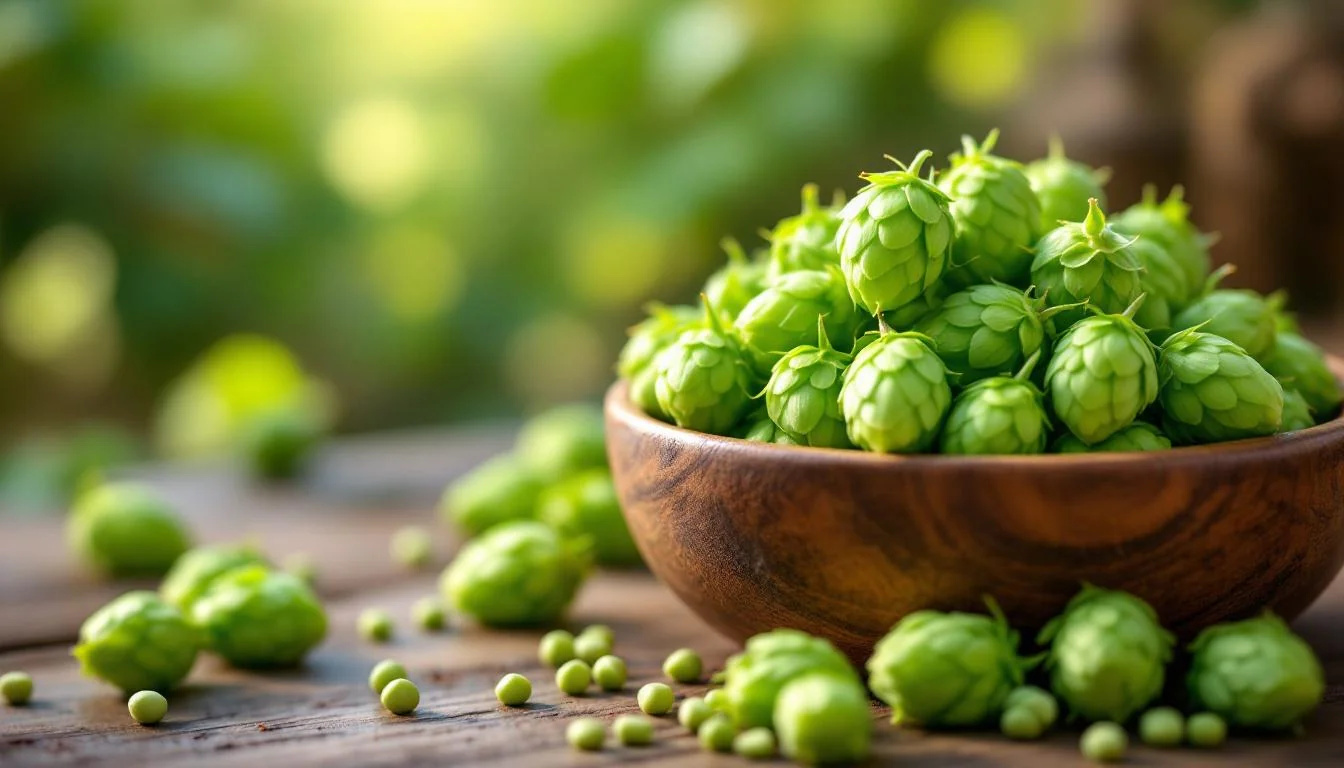
In 1990, when Sierra Nevada released Celebration Ale, one of the first IPAs of the American craft beer wave, it chose a brand-new hop that had only just been announced. The hop’s name marked a hundred years of the Washington hop industry: Centennial. Thirty-five years later, Centennial is still the backbone of countless well-known IPAs, from Bell’s Two Hearted to Founders Centennial IPA.
It is known as “Super Cascade,” not because it is better but because it is a more intense version of its predecessor: the same citrus, more concentrated; the same clean bitterness, only deeper. Centennial doesn’t replace Cascade. It takes everything one step further.
IOrigins and History
Centennial’s story begins with a breeding project at Washington State University in Pullman that ran for nearly two decades. In 1974, researcher Charles E. Zimmermann started a program to develop new hop varieties that would yield well, resist disease, and, above all, suit a changing American palate.
Centennial is the product of a complex cross. Its pedigree includes Brewer’s Gold, an English hop developed in the 1930s, and a wild American line numbered 65009, with Fuggle, East Kent Golding, and a Bavarian hop in the mix as well. In other words, Centennial carries both European heritage and the wild streak of the Pacific Northwest.
In 1990, Centennial was officially released under the designation USDA 21394. The name was no accident: it marked 100 years since commercial hop growing began in the Yakima Valley of Washington.
The Yakima Valley is the center of American hop growing. East of the Cascade Range, it has a semi-arid climate, long summers with plenty of sunshine, and fertile volcanic soil. About 75% of all hops grown in the United States come from here. Centennial was bred for this land, and Yakima in turn gives it everything it needs to thrive.
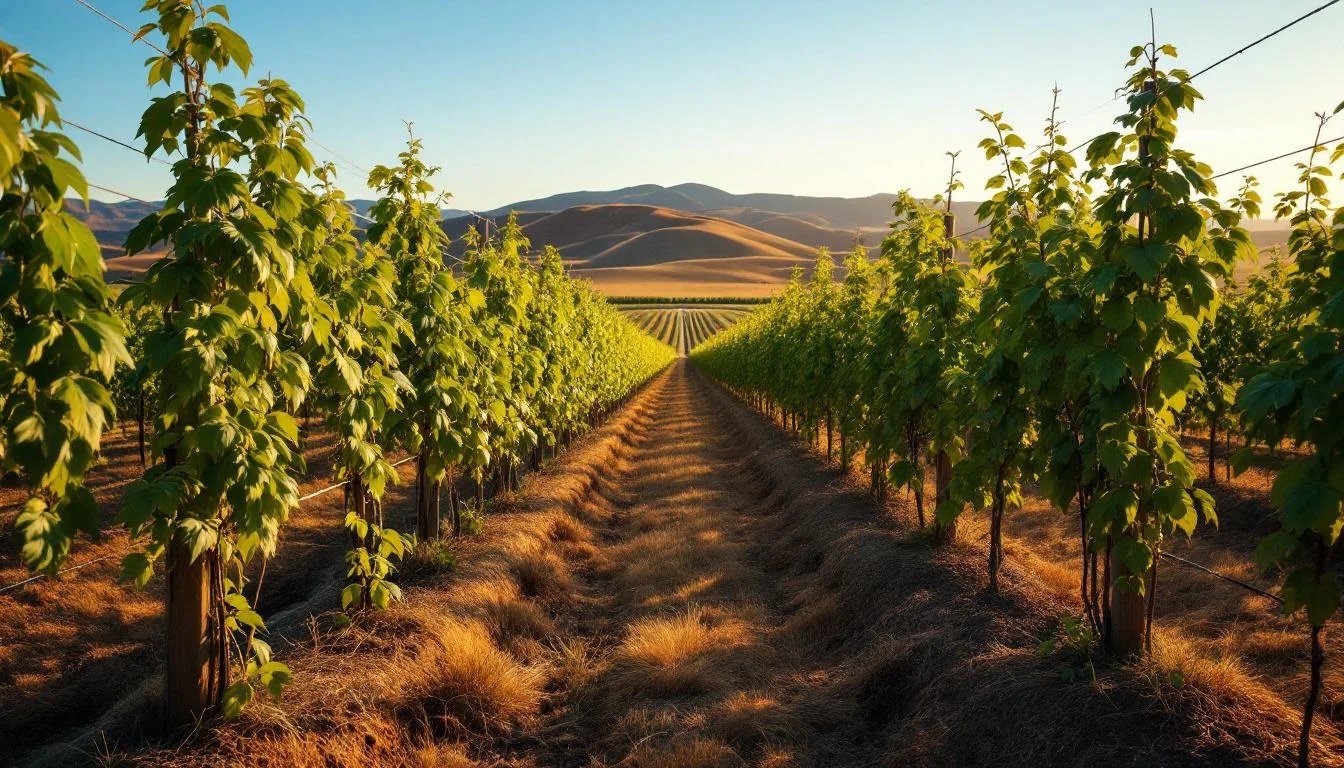
In its early years Centennial was planted on modest acreage. But as American craft beer boomed in the late 1990s and early 2000s, demand soared for hops with strong aroma and high bitterness. Centennial met both needs. By 2010 it ranked among the ten most widely grown hops in the United States.
Centennial was developed as a dual-purpose hop, for both bittering and aroma. In practice, though, craft brewers use it most in late hopping and dry hopping, where its aroma comes through most vividly.
IITechnical Profile
Centennial’s alpha acids range from 9.5% to 11.5%, placing it among the medium-high bittering hops. That is well above Cascade, usually 4.5–7%, which explains the “Super Cascade” nickname. Beta acids fall between 3.5% and 4.5%, giving a clean bitterness without harshness when the hop goes in early in the boil.
Total oil content is high, from 1.5 to 2.5 ml per 100 grams of hops. Myrcene makes up the largest share, about 45–55%, and is the source of the characteristic citrus and herbal aroma. Humulene accounts for about 10–18% and brings woody, lightly spicy notes. Caryophyllene, at 5–8%, adds a warm spice.
In the Yakima Valley, Centennial is usually harvested from late August to mid-September. The plants are vigorous and of medium height, yielding about 1,800–2,200 pounds per acre. Storage stability is average: after six months under ideal conditions, the hops retain about 60–65% of their original alpha acids.
IIIAroma and Flavor
Open a bag of Centennial pellets and the first thing to reach your nose is orange, not sweet orange flesh but fresh peel, just squeezed. There is lemon too, and a little ripe grapefruit. This is the citrus layer Centennial is known for.
Don’t stop there. Let a few pellets rest in your palm for a moment, rub them gently, and smell again. Now the second layer appears: flowers. Not rose or jasmine but a light, fresh wildflower scent. Some call it wild daisy.
The last layer is quieter: a little resin, like light pine sap; a little dried herb, like oregano; and deep underneath, the smell of damp earth after rain that belongs to the Pacific Northwest.
In the brewhouse, Centennial’s character depends on when it goes in. Added early, it gives a clean, balanced bitterness with gentle citrus. Added in the whirlpool or as a dry hop, the citrus leaps forward, bright and loud. On the tongue it is usually described as “bitter but not harsh,” with a touch of sweetness from the oils.
Centennial’s aroma also has depth. It isn’t one-note like some hops that offer nothing but orange, and that complexity makes it a natural choice for beers that need layered aroma.
IVBeer Styles That Use Centennial
The American IPA is Centennial’s home ground. Bell’s Two Hearted Ale, one of the most highly rated IPAs in the country, uses 100% Centennial. So does Founders Centennial IPA. The reason is simple: Centennial provides both bitterness and aroma, so it can be used from the start of the brew to the finish without blending in other varieties.
The American Pale Ale comes next. With alpha acids that are high but not overpowering, Centennial makes APAs that are balanced and easy to drink yet still have character. Its citrus sits well with pale and crystal malts, adding freshness without drowning out the grain.
Double IPAs and Imperial IPAs use Centennial often too, though rarely on its own. In styles with IBUs that high, it is usually paired with Simcoe, Citra, or Mosaic for complexity, serving as the steady base that anchors the more exotic-smelling hops.
A less-discussed use is in American Barleywine and Strong Ale. In these strong beers, Centennial goes in late to lay down a light citrus layer that balances the heavy sweetness of caramel malt. The result has surprising depth.
VHow It Compares With Similar Hops
Cascade is Centennial’s closest counterpart. Both carry citrus, and both are staples of American brewing. The difference lies in intensity and depth. Cascade is lighter and fresher, with more obvious grapefruit. Centennial is bolder, with a layer of flowers and resin that Cascade lacks. If Cascade is a glass of fresh-squeezed orange juice, Centennial is orange marmalade, more concentrated and more complex.
Columbus (also called Tomahawk, or CTZ) makes another useful comparison. Its alpha acids are much higher, from 14% to 18%, and its aroma is strong and somewhat rougher than Centennial’s. For pure bittering, Columbus wins. For a balance of bitterness and aroma, Centennial is the more refined choice.
Chinook often comes up in the same breath. Both are American dual-purpose hops with medium-high alpha acids. But Chinook carries more pine and spice, while Centennial leans toward citrus and flowers. Many brewers use the two together for a fuller profile, with Chinook supplying depth and Centennial brightness.
VIHow to Recognize Centennial in the Glass
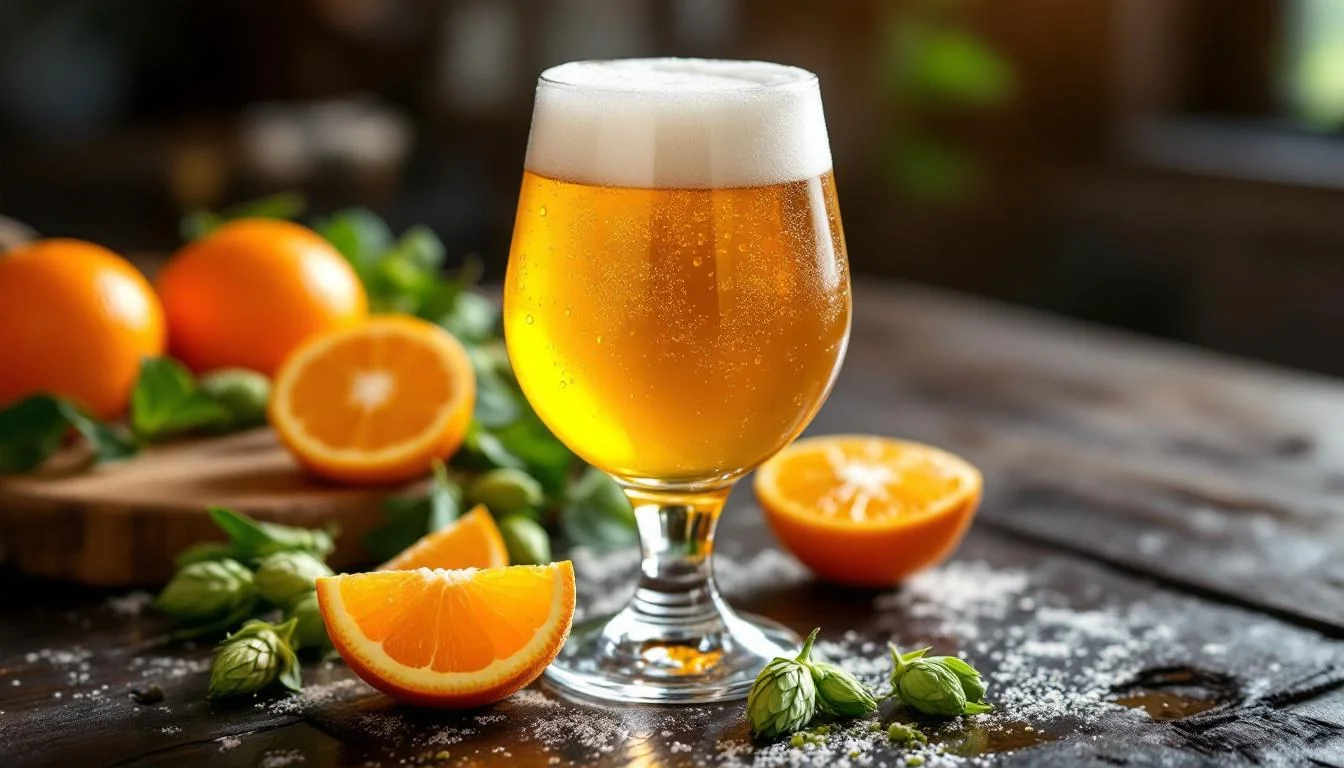
With a Centennial IPA in hand, start by putting your nose in the glass before you drink. The first thing to look for is orange, not artificial orange but fresh peel. If you also find a little lemon and grapefruit, you are on the right track.
On the first sip, notice the bitterness. Centennial’s is clean, starting mid-tongue and spreading to the sides. It isn’t harsh and doesn’t bite at the back of the throat. If the bitterness feels coarse or unpleasant, a different hop may be at work.
The finish is where Centennial reveals its full character. After swallowing, wait a few seconds. A light sweetness appears, the trace of the hop oils, along with a faint wildflower note at the back of the throat. The finish is medium in length, neither short nor lingering.
A bottle of Bell’s Two Hearted gives you Centennial in its purest form. Everything you taste, from the opening citrus to the light floral finish, comes from a single hop. There is no clearer way to understand what Centennial is.
There’s no need to rush a beer. A hop named for a hundred years is a fair reminder that worthwhile things take time to settle.
Mentioned in this article
-
Beer O L O G Y
The World of Bitter Beer Begins with IPA -
Beer O L O G Y
Strong Beer: When Alcohol Becomes an Art
Originally published in Vietnamese on Tạp Chí Beer.