Franziskaner Hefe-Weisse Dunkel: A Storybook Bavarian Wheat Beer
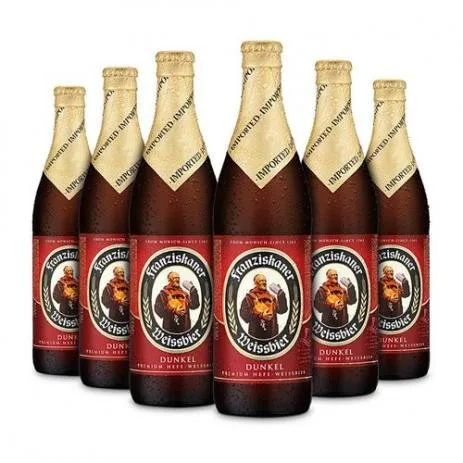
Franziskaner Hefe-Weisse Dunkel is a 5% ABV German Dunkelweizen with bready caramel notes and flavors of banana and clove, and a natural match for grilled food.

An autumn afternoon in Munich: thin mist over the old rooftops, church bells carrying on a cold wind. In the corner of a small, cozy tavern, yellow lamplight falls on a glass beaded with condensation. This is the moment Franziskaner Hefe-Weisse Dunkel tells its story, without words, in a warm amber-brown color, a creamy white head, and a heady aroma of wheat and malt.
Each sip of Franziskaner Dunkel reaches back to the 14th century, when a brewery beside a Franciscan monastery quietly brewed its first batches. The flavor carries a whole region with it: Bavaria’s golden wheat fields, its moss-covered brewhouses, and brewers tending oak casks through hard winters.
Call it the art of waiting. Unhurried and unshowy, Franziskaner Dunkel matures patiently in the dark, then opens up with soft caramel sweetness and hints of ripe banana and clove. What you hold in the glass is a piece of German history and culture.
ISpaten-Franziskaner-Bräu: 600 Years of Brewing
In 1397, a small brewery quietly opened in Munich, the forerunner of what would become Spaten. It was the start of a major name in German beer. Franziskaner claims a founding date of 1363, but it was not until 1964 that it brewed its first Weissbier, keeping faith with the Bavarian wheat beer tradition.
In 1873, Spaten pioneered the use of artificial refrigeration, a change that reshaped brewing around the world. In 1922, Spaten and Franziskaner merged. In 1997 the story continued with a merger between Spaten-Franziskaner and Löwenbräu, and the combined company has kept classic brewing methods alive in a modern industry.
Franziskaner takes its name from the Franciscan order, known for plain living and high ideals. The Franciscan friar in the logo is a reminder of the brewery’s guiding idea, “quality born of purity.” Each glass of this full-flavored Weissbier tells the story of Bavaria, the cradle of the world’s wheat beer.

IIDunkelweizen: Wheat Meets Dark Malt
The Style
Not a brisk lager and certainly not a sharply bitter IPA, Dunkelweizen belongs to the Weissbier/Weizenbier family, the gentler, sweeter side of German wheat beer. It is a top-fermenting ale, and its distinctive Weissbier yeast throws off fruity aromas. Unlike a traditional Hefeweizen, though, Dunkelweizen is brewed with dark malt.
Appearance, Strength, and Body
Held up to the light, a Dunkelweizen glows a reddish amber-brown (SRM 14–23), hazy because it is unfiltered: the yeast (Hefe) stays suspended in the beer. Just 5% ABV is enough to bring some warmth, while a bitterness of 10–15 IBU leaves room for soft malt sweetness. The medium to full body feels creamy on the lips, lifted by fresh, lively carbonation.
Flavor
The dark malt opens with a low note of toasted rye bread, with a whiff of caramel and rich malt behind it. Then the Weizen yeast wakes up, bringing ripe banana, warm clove, and a faint touch of anise. The sweetness is smooth, like wild honey, the bitterness low, and the finish clean enough that you reach for the glass again.

Style Guidelines
The BJCP (Beer Judge Certification Program) lists Dunkelweizen as Style 10B, Dunkles Weissbier, a category whose parameters all point toward balance. The Brewers Association files it under South German-Style Dunkel Weizen, a style that tastes most complete when it comes from Bavaria.
IIIServing Franziskaner Hefe-Weisse Dunkel
Temperature
Serve Franziskaner Hefe-Weisse Dunkel at 6–8 °C (43–46 °F), cool enough to wake up the senses without numbing the palate. I once made the mistake of drinking it ice-cold, below 4 °C (39 °F), and it was a waste: the layered aromas, the yeasty fruit, and the toasty malt all disappeared.
Each degree changes the beer. At 6 °C (43 °F) the carbonation prickles across the tongue; at 8 °C (46 °F) the malt sweetness fills out and coats the palate.

The Glass
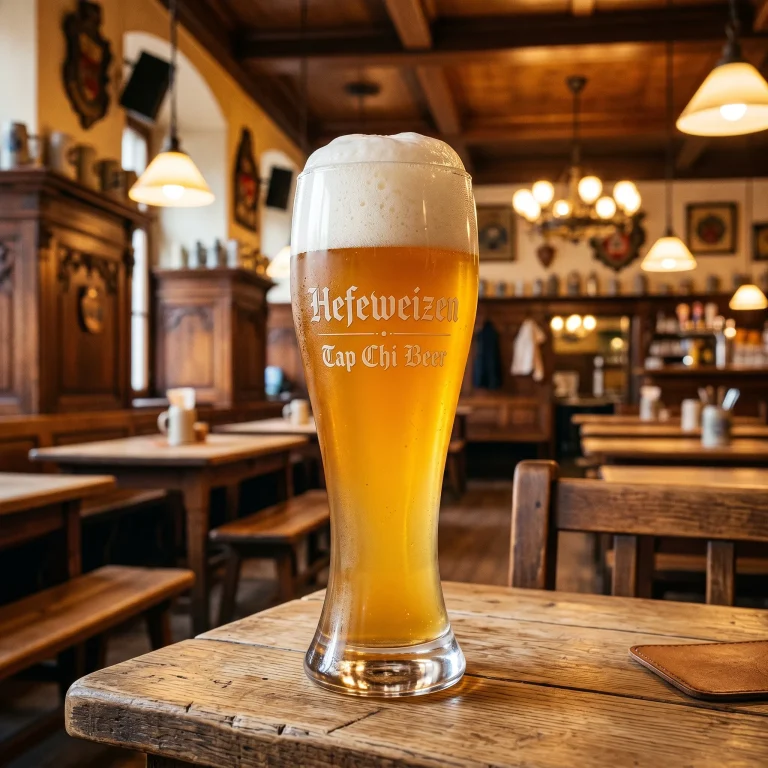
I still remember the first time I saw a weizen glass, a piece of glassware made to show off wheat beer and nothing else. Its wide, bulging body cradles the fine white head, and the flared mouth lets the aroma out.
Hold it to the light and everything is visible: the amber-brown body, fine bubbles rising steadily from the bottom, and a layer of settled yeast like gold dust below. Pouring is a craft of its own. Tilt the glass to 45 degrees and pour gently until a third of the bottle is left, then swirl the bottle to rouse the last of the flavor before topping off the glass.
Food Pairings
Every sip of Franziskaner Dunkel makes me grateful for German cooking. Soft white Weißwurst seems made for it: the fine-textured sausage melts in the mouth and leaves a mild sweetness that meets the beer’s light bitterness.
My favorite match is Schweinshaxe, roast pork knuckle with golden, crackling skin and meat tender enough to pull apart with a fork. The mild tang of sauerkraut cuts through each rich bite, and the beer pulls everything together.

One evening last winter, I discovered how well it goes with Camembert: the cheese tastes richer, and the beer’s light bitterness turns surprisingly sweet. Finish with a warm caramel apple cake, and the meal ends the way a fairy tale should.
When and Where to Drink It
One sweltering summer afternoon, under the trees in a small garden, I found that a cold Franziskaner Dunkel cut right through the heat. Then winter came, and by the fireplace its warm malt turned out to be just as good against the cold.
I once brought it along to a weekend barbecue: crackling coals, the smell of grilling meat, bottles catching the light. That was when I understood why people call beer a catalyst for conversation.
It is not an official Oktoberfest beer, but Franziskaner Dunkel shares the festival’s spirit: open-handed, convivial, and made for sharing. Every time I raise a glass, I can almost hear a polka playing somewhere and see dirndls twirling.
IVConclusion
It is 600 years from a 14th-century brewery beside an old monastery to today’s sturdy glassware, and Franziskaner Hefe-Weisse Dunkel carries that Bavarian history in every sip.
In a hurried modern world, Franziskaner Dunkel stays true to its pure Bavarian character, a bottled reminder of old Munich, where brewers still work closely with their yeast and honest flavor counts for more than passing trends.
Sometimes a warm wooden table and a full glass are all it takes, with past and present meeting in a beer that has 600 years of history behind it.
Mentioned in this article
Originally published in Vietnamese on Tạp Chí Beer.
More Dunkelweizen
About this style
This beer is in the library of the BeerLens app. Scan the label to identify it, then keep your own tasting notes.