Wyeast 1056 American Ale: The Clean Yeast Behind American Craft Beer
Wyeast 1056 is the classic American ale yeast, known for a neutral profile that lets malt and hops carry every batch.
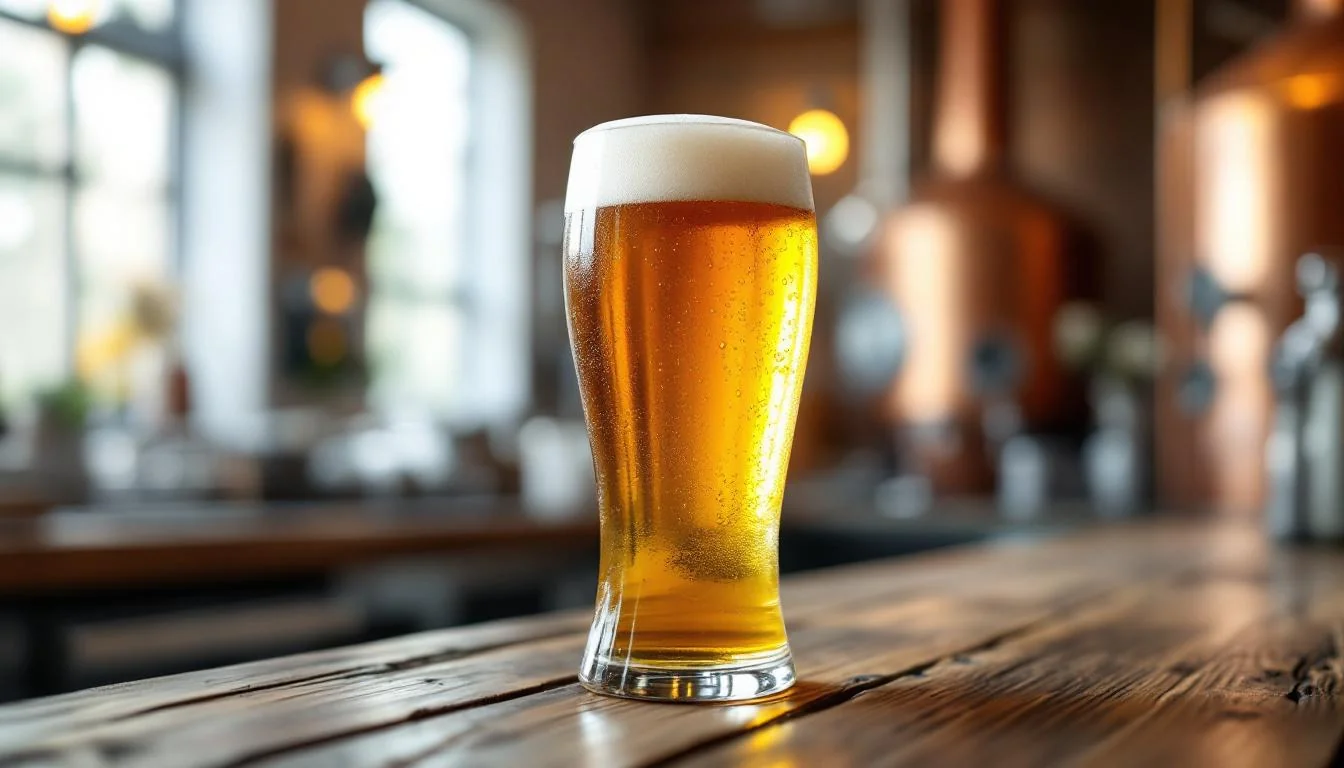
Wyeast 1056 shaped modern American beer culture while keeping itself out of sight. In the glass it stays in the background, quiet, modest, and nearly invisible.
Plenty of yeast strains compete to show off fruity esters or spicy phenols. Wyeast 1056 ferments clean, and that restraint leaves room for malt and hops.
IHow 1056 Shaped a Movement
In the early 1980s, the American craft beer movement was still finding its feet. Homebrewers were looking for a dependable yeast, one that fermented clean, left no off-flavors, and was hardy enough to cope with the imperfect conditions of brewing at home.
Dave Logsdon, founder of Wyeast Laboratories in Hood River, Oregon, spent years collecting and isolating strains from well-known breweries. He understood that yeast decides a beer’s character, and he wanted a strain that could adapt to almost any conditions.
In 1986 Wyeast released 1056 American Ale, and it quickly became the benchmark, not because it did anything extraordinary but because it did exactly what was needed, batch after batch.
Sierra Nevada’s first batches of Pale Ale, the bold IPA experiments in San Diego, the rich American Amber Ales of the Pacific Northwest: all of them bear the mark of 1056. Or rather, all of them are clean enough that the hops and malt show through, not the yeast.
IIHistory and Origins
The story of Wyeast 1056 starts not in a sterile laboratory but in American breweries with decades of history behind them.
The Chico Lineage
Brewers call this yeast family the “Chico strain,” after Chico, California, home of Sierra Nevada Brewing Company. Ken Grossman, Sierra Nevada’s founder, used it from the brewery’s first days in 1980.
The strain was not born in Chico, though. It traces back to the Ballantine Brewing Company in Newark, New Jersey, one of the largest breweries in the United States in the early 20th century. Ballantine was famous for its India Pale Ale, and its yeast was handed down from one generation of brewers to the next.
When Ballantine closed in 1972, the strain seemed lost. But brewing rarely lets anything valuable vanish. Samples were saved, passed from hand to hand, and eventually made their way to America’s first craft breweries.
Wyeast Standardizes the Strain
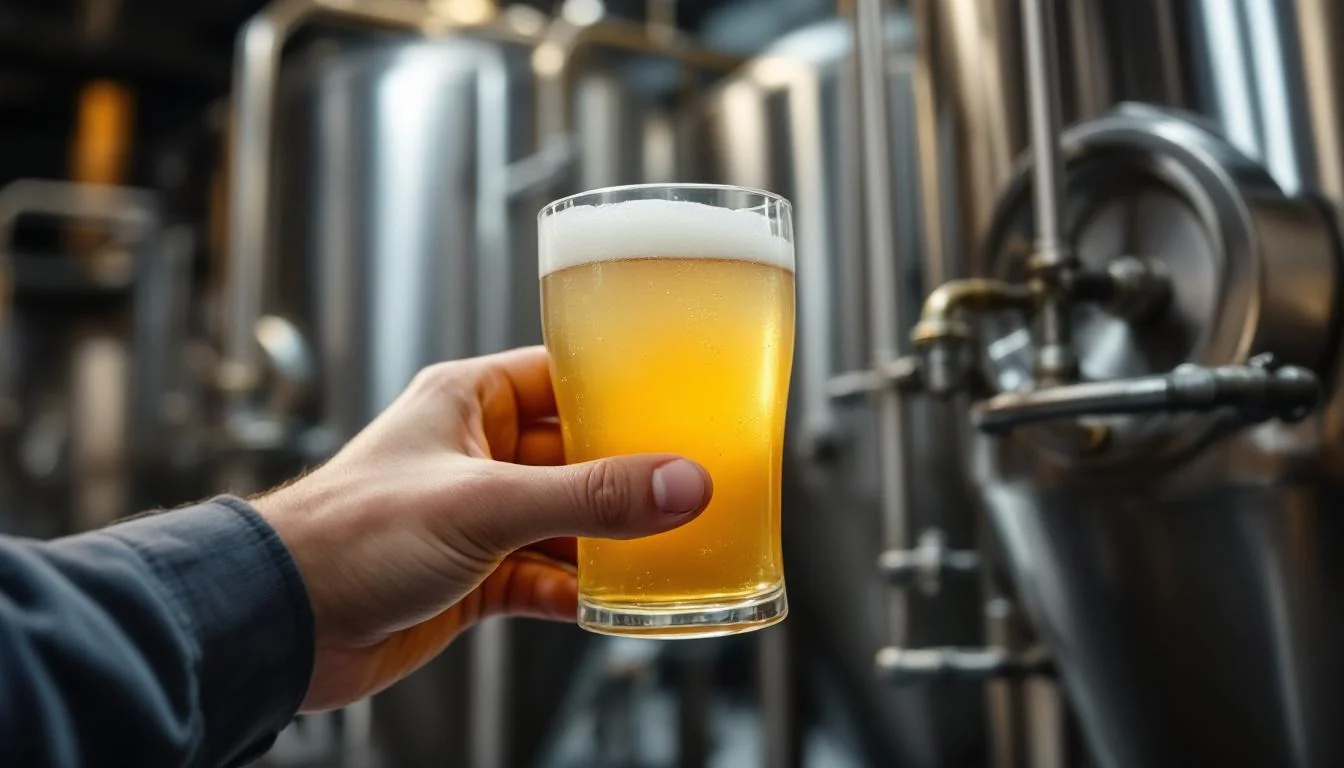
Dave Logsdon founded Wyeast Laboratories in 1986 with one aim: to supply high-quality yeast to homebrewers and craft brewers. He gathered strains from many sources, isolated them under controlled conditions, and packaged them in the company’s proprietary “smack pack,” a pouch the brewer activates before use.
Wyeast 1056 American Ale was one of the first products. Logsdon chose the strain for its versatility and reliability, and in the Hood River lab he refined and stabilized it so that every pack would give consistent results.
Wyeast 1056, White Labs WLP001, and Safale US-05 are all believed to come from the same lineage, the Chico strain. Differences in culturing and storage mean they are not identical, but their core traits are similar. Its popularity has made this lineage the most widely used ale yeast in the world.
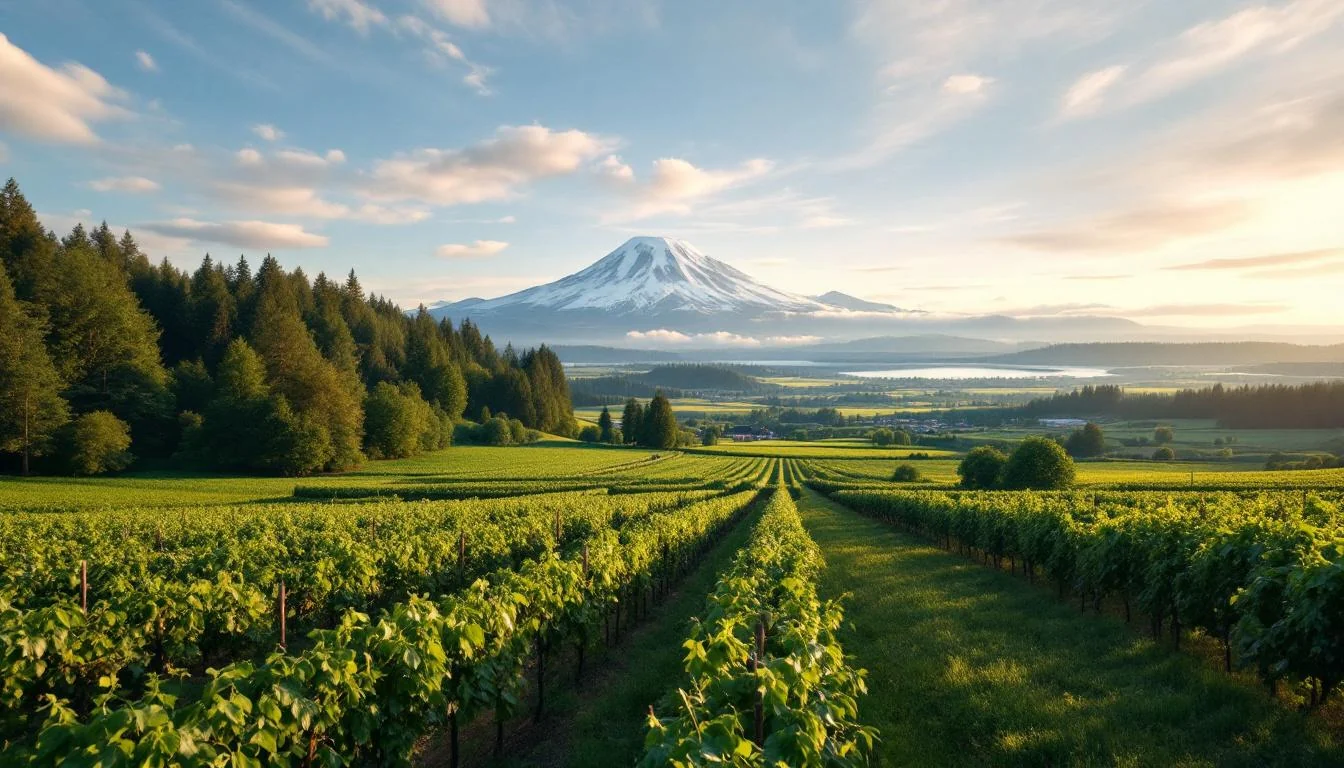
Hood River, where Wyeast is based, lies in the Columbia River Gorge, a region known for clean water from the snowmelt of Mount Hood. Perhaps it is no accident that a yeast prized for clean fermentation came from a place known for clean water.
IIIBiological Traits
Wyeast 1056 is an ale strain of Saccharomyces cerevisiae. It ferments from the top, works at higher temperatures than lager yeast, and produces the flavor compounds typical of ales.
The ideal fermentation range is 15–22 °C (59–72 °F), with the sweet spot at 18–20 °C (64–68 °F). At cooler temperatures the yeast works slowly and gives a cleaner profile. At warmer ones, esters begin to appear, though only faintly.
Flocculation is medium to low. The yeast does not drop out as readily as some English strains, so the beer needs time to clear, or filtering if high clarity is the goal. That suits American ales, where clarity is not the top priority.
The strain is a strong attenuator, with apparent attenuation of 73–77%. It consumes most of the fermentable sugar and leaves the beer dry and crisp. Final gravity tends to be low, so the beer feels light on the palate even when the original gravity was high.
Alcohol tolerance reaches about 9–11% ABV, enough for most standard ales but worth thinking about for strong beers such as barleywine or imperial stout. In those cases, a high pitch rate and ample yeast nutrient are essential.
IVFlavor and Character
If one word describes 1056, it is “selfless.” The strain has no ego. It does not want the drinker to remember the yeast, only the beer.
Clean by Design
The flavor profile of 1056 is close to neutral. It has none of the banana esters of German yeast, none of the clove phenols of Belgian yeast, none of the heavy bready character of English yeast. What remains is a clean base for the other ingredients.
At standard fermentation temperatures of 18–20 °C (64–68 °F), 1056 produces a very faint green-apple ester, barely noticeable without close attention. That is not a flaw but a small measure of depth, a little complexity beneath a simple surface.
Above 21 °C (70 °F), the esters become more distinct. Some brewers welcome that, since it adds a light layer of fruit. Others keep the temperature low for the cleanest possible beer. Both approaches are valid, and the strain handles either.
Letting Hops and Malt Speak
What 1056 does best is disappear. In a West Coast IPA the yeast is nowhere to be found; what comes through is Cascade, Centennial, and Simcoe. In an American amber, the caramel and biscuit come from the malt, with nothing left behind by the yeast.
That is the philosophy of modern American beer: the ingredients are the stars, and the yeast is a stage built to go unnoticed.
In the mouth, 1056 gives a light to medium body and a dry finish, with no syrupy weight or lingering sweetness. That suits American tastes, which run to crisp beers that stay easy to drink pint after pint.
VClassic Styles
Wyeast 1056 is about as versatile as ale yeast gets, tied not to a single style but to an entire beer culture.
American Pale Ale and IPA
This is home ground for 1056. American IPA and pale ale depend on hops, specifically American varieties with citrus, pine, and tropical fruit aromas. For the hops to stand out, the yeast has to step back, and 1056 does exactly that.
Sierra Nevada Pale Ale, arguably the most important beer in the history of American craft brewing, is brewed with this strain. Cascade hops give grapefruit and pine over a base of light caramel malt, and the yeast never gets in the way.
West Coast IPA takes the idea to its extreme: more bitter, more hop-forward, drier. With its high attenuation, 1056 produces a lean body and a sharp finish, so the bitterness cuts off cleanly with nothing left over.
American Amber and Brown Ale
In malt-forward styles such as amber and brown ale, 1056 lets the caramel, toffee, and chocolate of specialty malts come through clearly. No esters compete, no phenols mask, and the malt stands on its own.
Blonde Ale and Cream Ale
These light styles demand a very clean yeast, because any flaw shows in a pale, low-gravity beer. Here 1056 lays down a clean foundation: light, easy to drink, and with nothing to fault.
Hybrids and Experiments
When brewers experiment with new ingredients, such as unfamiliar hops, specialty malts, or adjuncts like fruit and spices, they often choose 1056 because it adds no variables. It acts as the control: any change in the beer comes from the ingredients, not the yeast.
VIGeography and Terroir
Wyeast 1056 is American in a cultural sense, not just a geographic one.
The Pacific Northwest
Oregon and Washington are at the center of the American craft beer movement. The region grows more than 70% of the nation’s hops, in the Yakima and Willamette valleys. Soft water from the Cascade Range, a mild climate, and an active homebrewing community gave craft beer ideal conditions to grow.
Wyeast is based in Hood River, Oregon, in the heart of this region. It is no surprise that the company’s flagship strain reflects the local philosophy: respect the ingredients and let the hops lead.
California, Where IPA Took Shape
From Sierra Nevada in Chico to Stone in San Diego, California is where American IPA took shape, and 1056 and its variants became the default yeast. Brewers here do not want yeast competing with hops; they want it working for them.
San Diego, with more than 150 craft breweries, is known as the “IPA capital,” and most of those breweries use some version of the Chico strain. That reflects respect for tradition, not laziness.
Neutrality Goes Global
Today 1056 is used worldwide, from Japan to Australia and from Scandinavia to Vietnam. Wherever craft brewers set out to make an American-style ale, it is the first choice.
There is an irony in it: a yeast with “no personality” came to stand for an entire beer culture. Perhaps that is the American character — practical, flexible, unfussy.
VIIHow to Recognize It in the Glass
Recognizing 1056 in a beer is a paradox: you know it by not noticing it.
When you raise a glass of American Pale Ale or IPA, pay attention to how clearly the hops come through. If you smell orange, grapefruit, pine, and mango with nothing cutting in — no banana esters, no clove phenols, no heavy bready note — that points to a neutral yeast such as 1056.
On the palate, look for a dry, clean finish and bitterness that cuts off without lingering, over a light to medium body with no syrupy weight. If your mouth feels clean and ready for the next sip after you swallow, that is 1056 at work.
In malt-forward styles such as amber ale, look for clean caramel and toffee, with no fruit covering them and no leftover sweetness from a sluggish yeast. Only malt, clear and honest.
Wyeast 1056 has practiced the art of disappearing for nearly four decades, so the next time you hold an IPA, spare a thought for the invisible yeast holding up everything in the glass.
Mentioned in this article
-
Beer O L O G Y
The World of Bitter Beer Begins with IPA
Originally published in Vietnamese on Tạp Chí Beer.