Vienna Water: The Alpine Source That Gave Rise to Amber Lager
Vienna’s Alpine water, with its balanced minerals, produced Vienna Lager and helped shape 19th-century European beer culture.
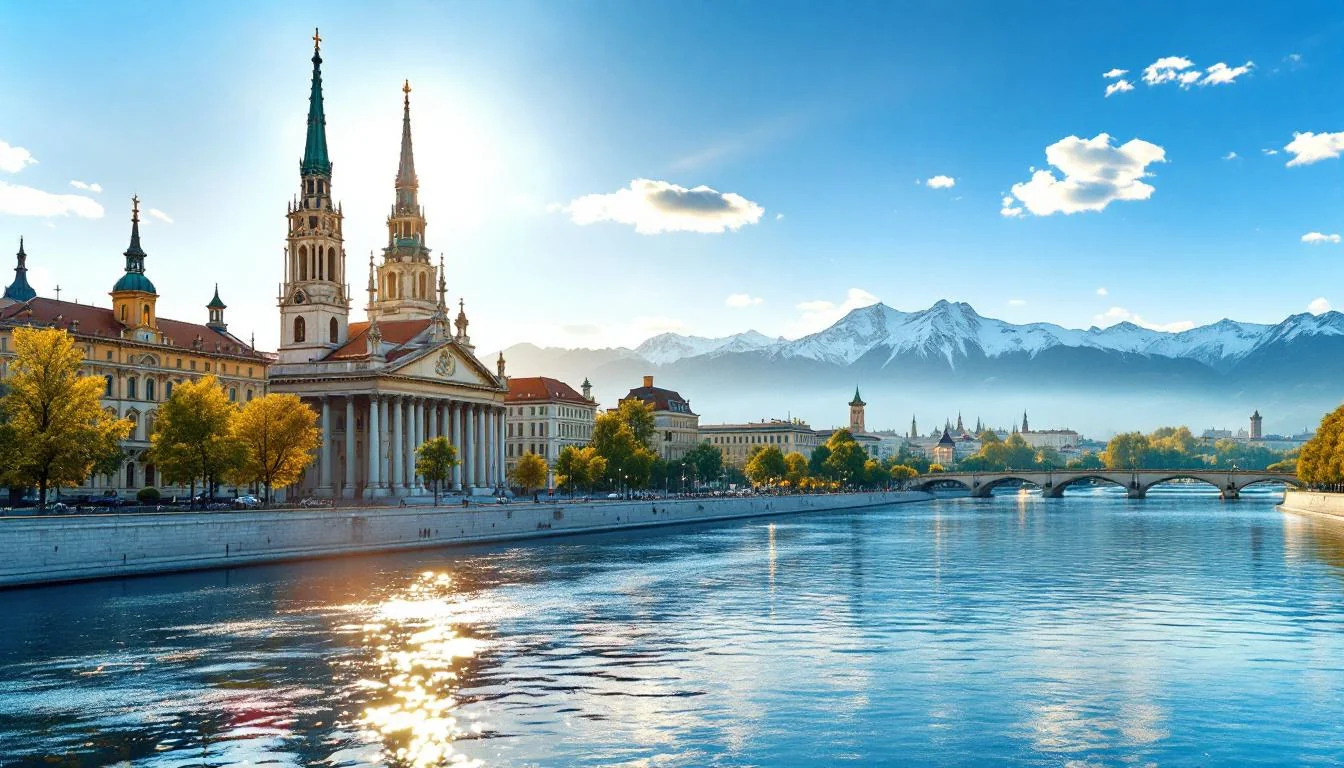
Vienna’s water flows through grand fountains and old coffeehouses, and it carries the story of the Alps, of limestone millions of years old, and of a brewing revolution that changed Europe. Vienna Water shows that terroir matters as much in beer as in wine, and that a single water source can sometimes give rise to an entire style.
When Anton Dreher tasted his first lager in 1841, he was testing a new technique and, with it, the water of his birthplace, which the Viennese had drunk for centuries without suspecting it would reshape the world of beer.
IGeography and History
Vienna sits in the Vienna Basin, where the Alps meet the Danube plain. That meeting point shapes the groundwater: Alpine snowmelt seeps through many layers of rock before it reaches the city.
Vienna has been known for clean water since Roman times, when the people of Vindobona built channels to bring water from mountain springs into town. The tradition continued through the Middle Ages, when monasteries began brewing with water from local wells.
The turning point came in the 19th century. Emperor Franz Joseph I ordered the construction of the Hochquellenwasserleitung, a pipeline from high mountain springs. Completed in 1873, it carried water from the Rax and Schneeberg massifs, more than 100 km away, straight into the city. It was a feat of engineering and a public commitment to water quality.
The beer story starts earlier. In 1841, at the Schwechat brewery, Anton Dreher combined Viennese water with a new kind of kilned malt and Bavarian lager yeast. The result was Vienna Lager, the first amber style in the history of lager. The local water was crucial: mineral enough to support the malt enzymes, but not so hard that it masked the malt’s subtler flavors.
Dreher’s success spread across Europe, and Vienna joined Munich and Pilsen as one of the three great beer capitals, each with its own water and its own style. Vienna’s place was in the middle, between the dark beers of Bavaria and the golden lagers of Bohemia.
Two world wars devastated Vienna’s brewing industry. Many breweries closed or were destroyed, and Vienna Lager nearly vanished from its own birthplace. The water remained, still flowing down from the Alps, waiting for a new generation of brewers to rediscover it.
IIMineral Profile
Vienna Water is moderately hard, with total hardness of 150–250 ppm as CaCO₃. That middle ground is rare in nature: not as soft as Pilsen’s water, not as hard as Burton’s.
Calcium usually runs 50–80 ppm, enough to support enzymes during mashing and keep the yeast healthy. Magnesium is modest at 15–25 ppm, enough to supply yeast nutrients without adding a metallic bitterness.
What sets Vienna Water apart is its near-even balance of sulfate and chloride. Sulfate sits at 30–60 ppm, far below Burton but enough to lift the hops gently. Chloride ranges from 20 to 40 ppm, adding roundness and malt sweetness. That ratio, roughly 1.5:1 sulfate to chloride, is the key to Vienna Lager’s balance.
Bicarbonate is the trickiest factor, usually at 150–200 ppm. Water that comes off Alpine limestone carries more bicarbonate than water in soft-water regions. That explains why Vienna Lager uses kilned malt: the amber malt acidifies the mash naturally, neutralizing bicarbonate and bringing the pH into the range where enzymes work best.
IIIHow the Water Shapes Flavor
Vienna’s water lays down a flavor foundation that might be called “balance with depth.” No single mineral dominates.
With moderate calcium, alpha-amylase and beta-amylase work efficiently. The wort ferments well yet keeps body from dextrins, and the finished beer shows clear malt sweetness without turning heavy or cloying. That is the signature of Vienna Lager: toasted malt, light caramel, and a clean, easy-drinking finish.
The balanced sulfate-to-chloride ratio lets both malt and hops show. Traditional Vienna Lager uses noble hops such as Saaz or Styrian Goldings at modest IBUs. The water neither pushes bitterness forward, as Burton’s does, nor mutes it, as Pilsen’s does. The hops play a supporting role without being lost.
High bicarbonate also affects perceived acidity. Vienna beers tend to taste softer and less sharp than Pilsner, which suits a continental European palate that prefers roundness to Bohemian crispness.
Vienna-style kilned malt, amber from Maillard reactions, was also a chemical solution. Its melanoidins are mildly acidic and bring mash pH down to the optimal 5.2–5.4 range without elaborate water treatment. Brewers of the time had no idea what pH was, but they knew which malt suited their water.
The result is a beer with malt-driven complexity, moderate bitterness, and a medium mouthfeel. Vienna Water does not make extreme beers. It makes beers to drink glass after glass over a long afternoon at the tavern.
IVThe Styles It Shaped
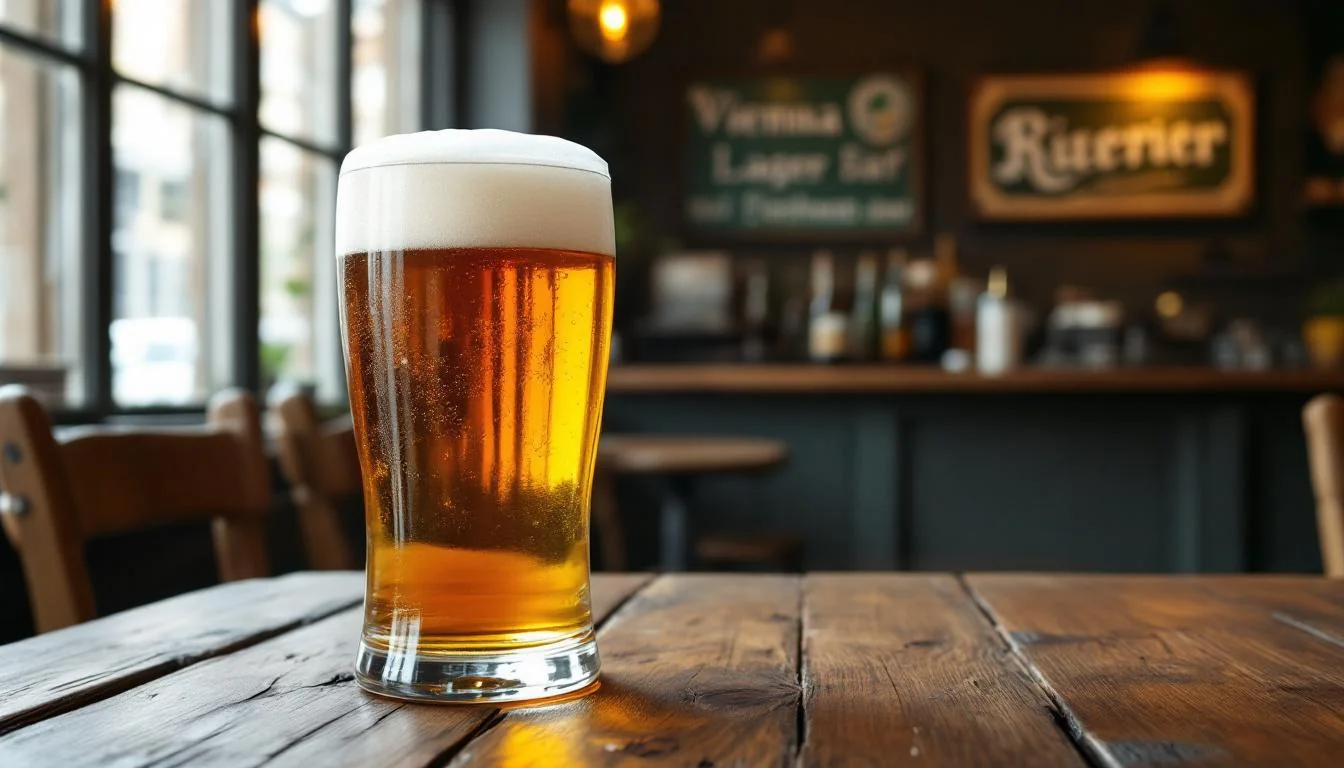
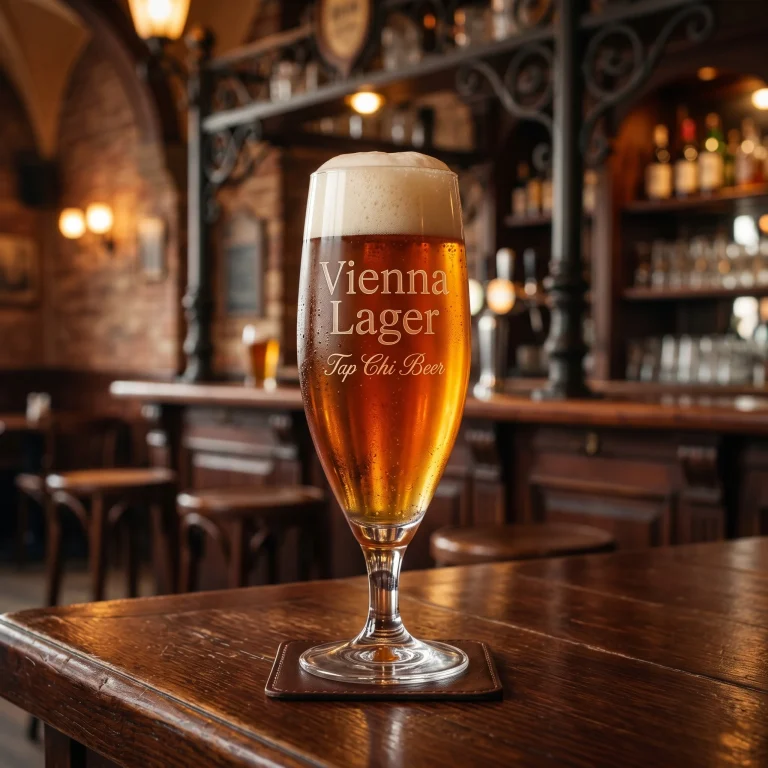
Vienna Lager is this water’s most direct creation. Born in 1841, the style has a distinctive amber color, toasted, biscuity malt, and a moderate 4.7–5.5% ABV. Between the dark Munich Dunkel and the golden Pilsner of Pilsen, Vienna stands in the middle, literally and figuratively.
Vienna Lager nearly disappeared from Austria after the wars, but it found a new home in Mexico. Austrian and German immigrants brought the recipes, and brands such as Negra Modelo and Dos Equis Amber descend from the style today. Mexican water differs from Vienna’s, but the beer’s character has endured.
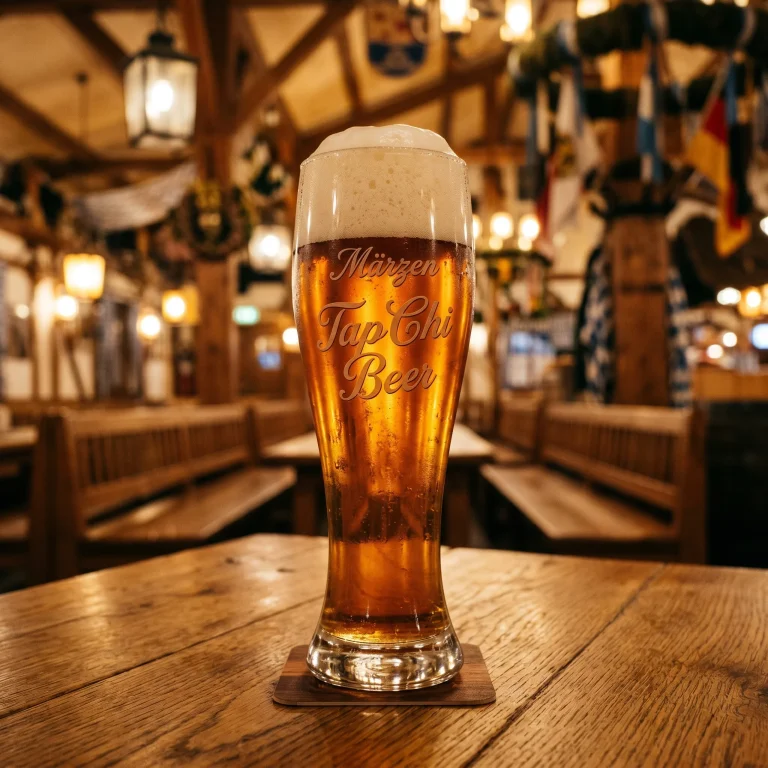
Märzen, the traditional autumn lager, also owes much to Vienna’s water. Munich is usually associated with Oktoberfest Märzen, but the Viennese version is lighter, more amber, and easier to drink. Before refrigeration was common, Märzen was brewed in March and stored in cold cellars through the summer, and the balanced minerals of Vienna’s water helped the beer stay fresh.
Modern Festbier, the paler golden style served at Oktoberfest today, also brews well with a Vienna water profile. Balanced sulfate and chloride suit a beer with a strong malt presence that still needs to be crisp and refreshing.
Amber Lager, an American craft style, takes its cue directly from Vienna. When craft brewers set out to make a lager with more flavor than American Light Lager, they looked to Vienna, and many Amber Lager recipes call for adjusting the water toward a Vienna-like profile.
For anyone interested in traditional lager, Vienna Water is a way into Vienna Lager and Märzen, two core styles of continental European brewing.
VBreweries of the Region
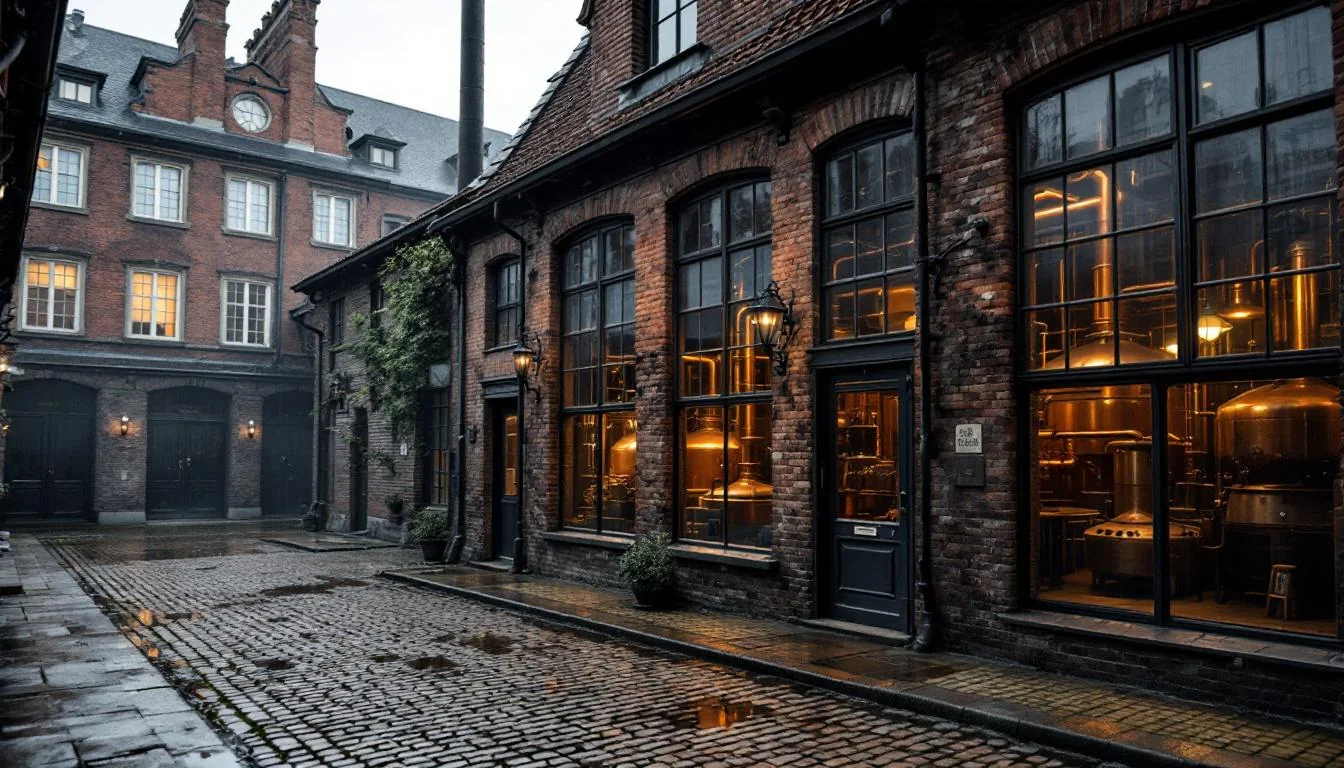
The Schwechat Brewery is the birthplace of Vienna Lager. Founded in 1632, it rose to fame under Anton Dreher, who ran it from 1836. Dreher traveled across Europe, studying techniques in Munich and England, then came home to apply them to the local water. Schwechat now belongs to Heineken, but every Vienna Lager brewed anywhere in the world still traces back to it.
Ottakringer is the last large brewery still operating within Vienna’s city limits. Since 1837 the brewery, in the 16th district, has used local well water. Its main beers today are a Helles and a Pilsner, in line with the market, but Ottakringer still releases the occasional limited-edition Vienna Lager, a nod to the water that sustained it.
Stiegl, in Salzburg, lies outside Vienna but uses similar Alpine water. Austria’s oldest independent brewery, in business since 1492, brews a range of traditional lagers that show what Alpine water can do.
Modern craft breweries such as Bierol and Brew Age are reviving the Vienna style in its homeland. They use city water, still supplied by the historic Hochquellenwasserleitung, to brew Vienna Lager from classic recipes, sometimes with a modern twist.
VILessons for Today’s Craft Brewers
Vienna Water is a lesson in balance. Brewers do not always need extremely soft water like Pilsen’s or extremely hard water like Burton’s. Sometimes the middle ground opens up the most possibilities.
For brewers who want to recreate the Vienna profile, the targets are calcium at 50–80 ppm, sulfate at 30–60 ppm, chloride at 20–40 ppm, and bicarbonate kept under control. If your source water is already high in bicarbonate, do not try to strip it out entirely. Use Munich or Vienna malt to acidify the mash naturally instead, as brewers of the past did with their own water.
A sulfate-to-chloride ratio of about 1.5:1 lets the malt come through without losing hop character. It is a good starting point for amber lagers, Märzen, and other malt-balanced styles.
More important, Vienna Water is a reminder that a beer recipe cannot be separated from the place that produced it. Anton Dreher did not “invent” Vienna malt or Vienna Lager by chance. He studied his water, understood its limits and its potential, and worked within them.
Water makes up more than 90% of finished beer. Far from a neutral solvent, it is terroir, the mark of a place. Just as Burgundy cannot be separated from the soils of the Côte d’Or, Vienna Lager remains bound to the Alpine water that flows into Vienna. The next time you raise a glass of amber lager, spare a thought for the distant mountains where snow melts, seeps through ancient limestone, and ends up as flavor in the glass.
Mentioned in this article
Originally published in Vietnamese on Tạp Chí Beer.