Citra: The Tropical Hop That Changed What Beer Can Smell Like
Citra, the American hop that smells of mango and passion fruit, changed the aroma of craft beer. Its history, technical profile, and how to recognize it in the glass.
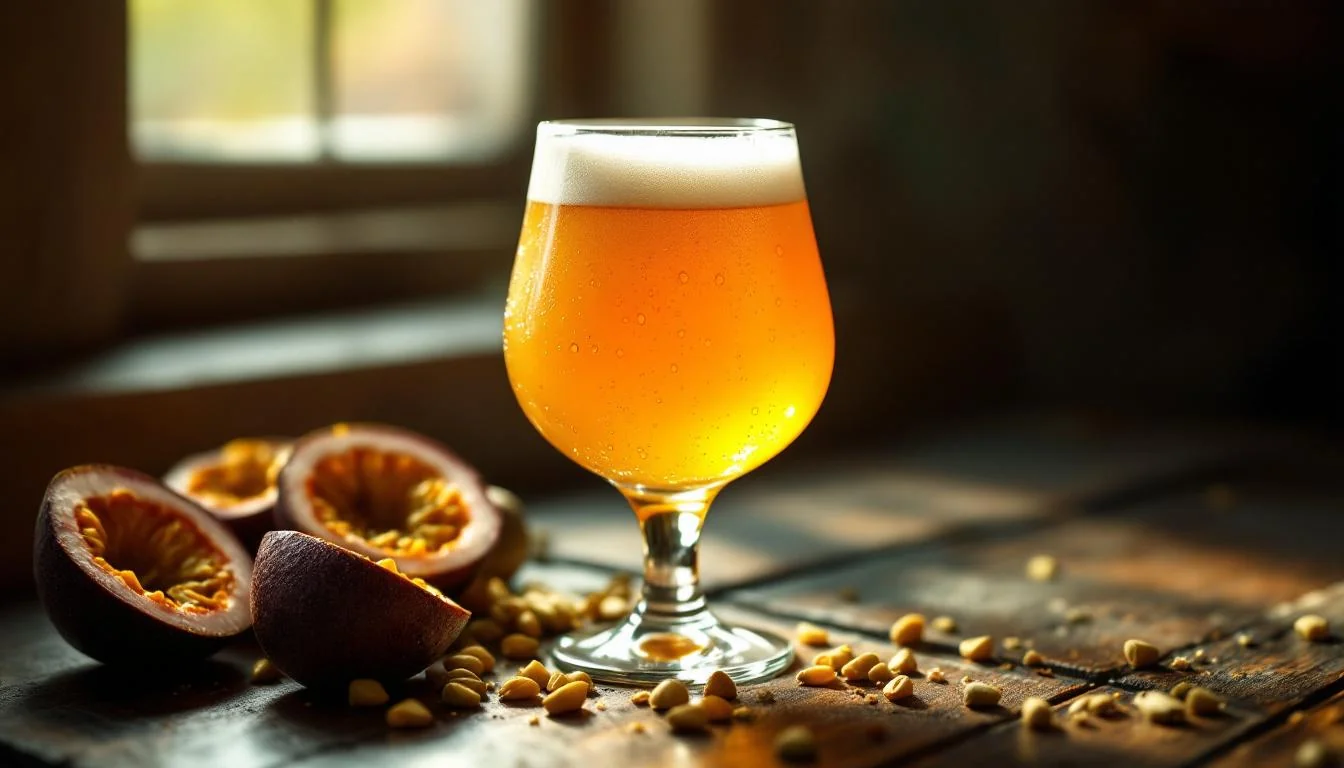
In 2010, drinkers opened a bottle of Heady Topper from The Alchemist, a small Vermont brewery, and the smell of ripe mango rose up as if someone had split a tropical fruit under their noses. Nobody was ready for it. Mass-market lager had taught a generation that beer smelled faintly of grain and tasted of metallic bitterness, and nothing more. This hazy, golden, intensely fragrant beer said something else.
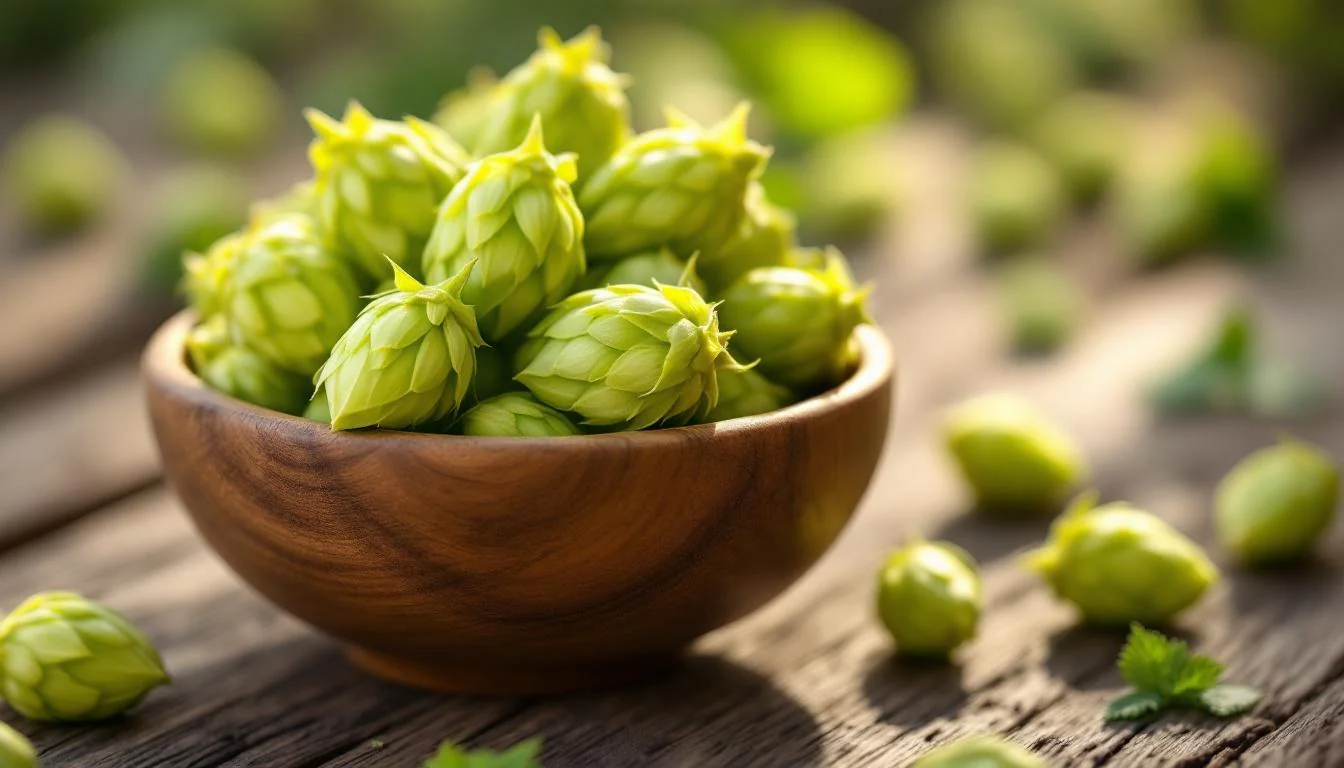
The secret ingredient? A new hop, released commercially just three years earlier: Citra. The name comes from the Latin for citrus fruit, but Citra smells of far more than citrus: mango, passion fruit, guava, and, used well, even lychee. Those small green cones set off a revolution.
Today Citra is the most sought-after hop in craft brewing. Breweries line up to reserve it year after year, and it costs more than most other varieties. In poll after poll of the best IPAs, beers brewed with Citra make up the majority. Here is why.
IOrigins and History
Citra was no accident. It came out of a breeding program that ran for more than two decades, begun in 1990 at the research center of the Hop Breeding Company, a joint venture of John I. Haas, Inc. and Select Botanicals Group. The center sits in Washington’s Yakima Valley, the largest hop-growing region in the United States.
The breeder behind Citra was Gene Probasco, who cross-pollinated many varieties in search of something new. Citra’s original experimental number was HBC 394. Its lineage is complicated: Hallertauer Mittelfrüh (Germany), Tettnanger (Germany), East Kent Golding (UK), Brewer’s Gold (UK), and one half unknown. Out of that German and English parentage came a hop that smells nothing like Europe.
From 1990 to 2007, HBC 394 went through round after round of trials: test plots, harvests, oil analyses, test brews, and tastings, while hundreds of other candidates were discarded. HBC 394 survived for one reason. Its aroma was unlike anything that already existed.
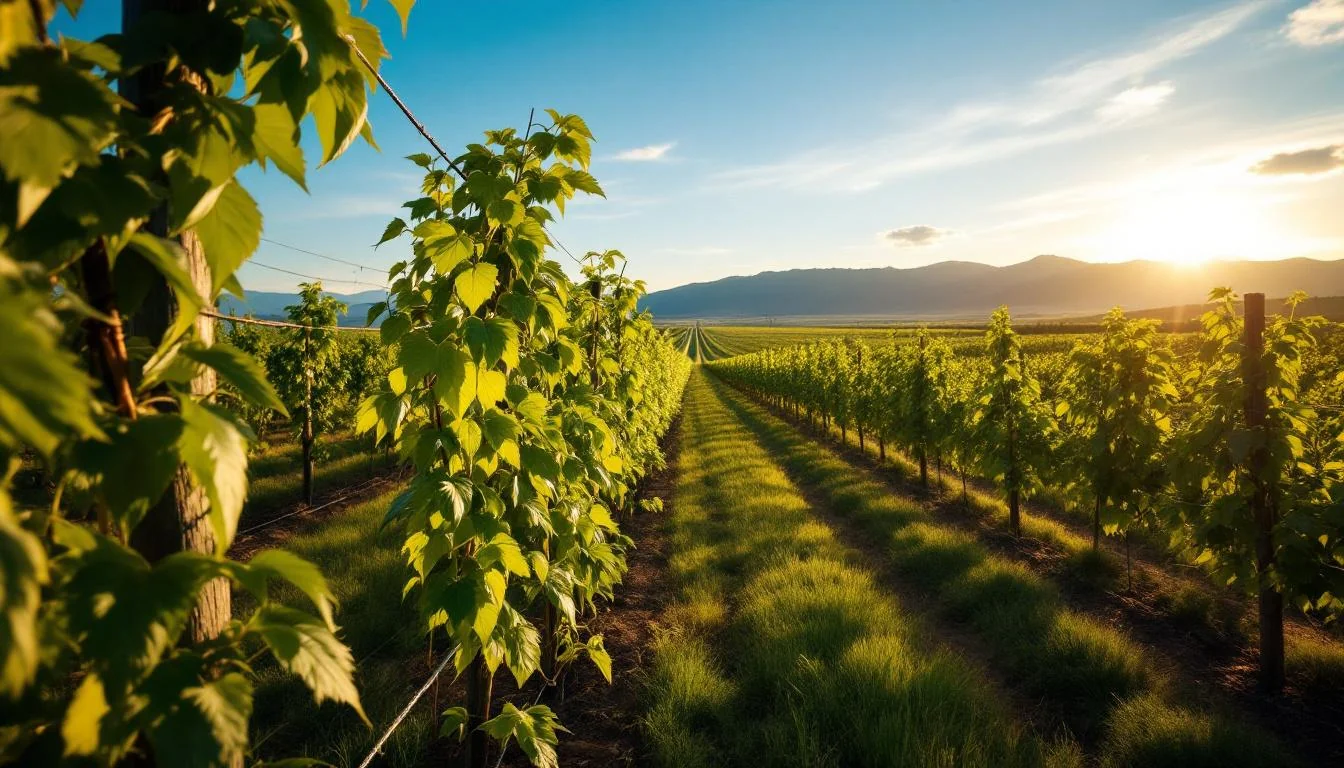
The Yakima Valley did not become hop country by chance. It lies at an elevation of 300 meters, with a semi-arid climate and 300 days of sunshine a year. Summers are hot and dry, nights are cool, and the volcanic soil is rich in minerals. Irrigation water comes from the Yakima River, which runs down from the Cascade Range. Together they give Humulus lupulus, the hop plant, exactly what it needs.
In 2007, the Hop Breeding Company officially released Citra. The first commercial beers brewed with it appeared in 2008, and by 2009 the craft beer world was buzzing. In 2010, with Heady Topper and then 3 Floyds’ Zombie Dust, Citra became a phenomenon.
By 2024, Citra was the third most widely planted hop in the United States, behind only Cascade and Centennial. Measured against demand, though, it is still scarce. Large breweries such as Sierra Nevada, Stone, and Firestone Walker sign long-term contracts to secure their supply. Small breweries often have to wait or pay more.
IITechnical Profile
Citra is a dual-purpose hop, usable for both bitterness and aroma. In practice, most brewers use it mainly for aroma.
Alpha acids run from 11% to 13%, high enough for efficient bittering when needed. Beta acids are lower, around 3.5% to 4.5%. That high alpha-to-beta ratio makes for a “clean” bitterness, without harshness or an unpleasant linger.
What sets Citra apart is its oil. Total oil content runs 2.2 to 2.8 ml per 100 grams, very high by general standards. Myrcene makes up 60% to 65% of it and brings tropical and herbal notes. Geraniol, usually low in other varieties, reaches 0.3% in Citra and gives notes of rose and lychee. Linalool, at about 0.5% to 1%, adds orange and a light touch of lavender.
Citra is harvested from late August to mid-September, and timing matters. Pick too early and the oils are underdeveloped; pick too late and alpha acids fall and the aroma starts to change. Yakima Valley growers watch the crop day by day, sampling constantly to choose the right moment.
IIIAroma and Flavor
Open a Citra IPA and bring it to your nose. Mango comes first, ripe and sweet, like standing in a tropical fruit market. Then passion fruit, lightly tart and fresh. Then guava, then pink grapefruit. The notes blend, yet each one stays distinct.
Deeper down there is lychee, sweet, a little floral, and hard to pin down. Some people pick up ripe melon; others find star fruit. They are not imagining it. Citra’s oils contain many of the same compounds found in those fruits.
In the brewhouse, Citra changes with the timing of the addition. Added early in the boil, it loses most of its aromatic oil and leaves mainly bitterness. Added near the end, as a late addition, it keeps its aroma while still contributing a little bitterness. Dry hopping, steeping the hops in beer after fermentation, preserves the aroma most faithfully.
Citra’s bitterness is smooth rather than sharp. The finish is long but pleasant, leaving ripe fruit and the faintest touch of pine resin, with none of the metallic or grassy notes some other varieties carry.
Citra also works with almost any other hop. Paired with Mosaic, the berry notes build. With Simcoe, pine and citrus come forward. With Australia’s Galaxy, peach and passion fruit leap out. That is why Citra turns up in so many recipes: it plays well with others.
IVBeer Styles That Use Citra
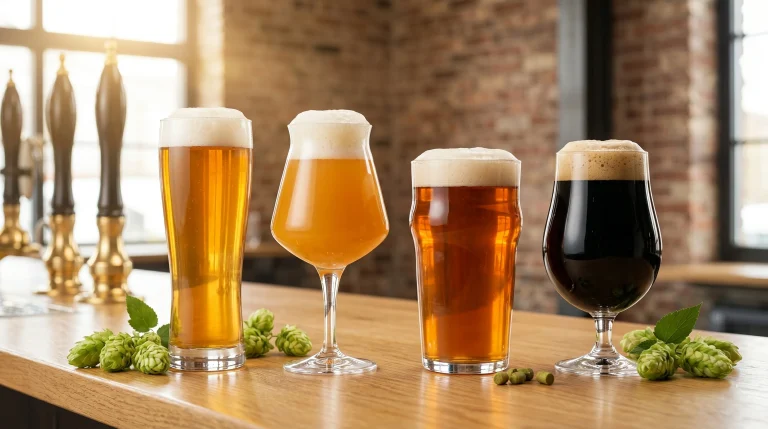
Citra was made for the world of IPA. American IPA, West Coast IPA, New England IPA: all have embraced it.
New England IPA (NEIPA / Hazy IPA)
This may be the style that shows Citra most clearly. Hazy, soft-bodied, and low in bitterness, a NEIPA gives Citra’s aroma the whole stage. Heavy dry hopping, sometimes as much as 15–20 grams per liter, turns the glass into something close to alcoholic fruit juice. Heady Topper, Tree House Julius, and Trillium Congress Street are all built on Citra.
West Coast IPA
This style is clearer, more bitter, and drier. Citra is more restrained here, but its tropical aroma still cuts through. Breweries such as Stone, Ballast Point, and Green Flash use Citra to balance high bitterness with an approachable aroma.
American Pale Ale
With less alcohol than an IPA, a Citra pale ale is the sessionable option, one you can drink several of without getting drunk. The aroma is all there, in a lighter, easier body. Sierra Nevada Tropical Torpedo is a typical example.
Double/Imperial IPA
When brewers want to push everything to the limit, with high alcohol, heavy hopping, and big aroma, Citra is a safe choice. Its aroma is strong enough not to be buried by malt and alcohol. Russian River’s Pliny the Elder uses many hops, and Citra is among them.
VHow It Compares With Related Hops
Citra belongs to the “New American Hops,” varieties introduced from the 2000s onward and known for strong tropical and fruity aromas. The two closest to it are Mosaic and Simcoe.
Mosaic (HBC 369)
Bred in the same program as Citra, Mosaic leans toward berries: blueberry, blackberry, sometimes raspberry. It has tropical notes too, though fewer than Citra, and it is more complex and harder to pin down. Many brewers use both, Citra for the nose and Mosaic for depth.
Simcoe
Released in 2000, Simcoe is the older hand. Its main notes are pine, earth, and grapefruit, what craft drinkers call “dank.” It is less sweet than Citra, rougher, and more assertive. If Citra is tropical fruit, Simcoe is a Pacific Northwest pine forest.
Galaxy (Australia)
Galaxy is not an American hop, but it is often compared with Citra. It smells of peach and passion fruit, with a characteristic metallic edge. Many NEIPAs combine Citra and Galaxy to build the biggest possible “fruit bomb.”
Set against these three, Citra is the most balanced: strong enough to stand out, gentle enough to keep a beer easy to drink. That is why it is more popular.
VIHow to Recognize Citra in the Glass
To tell whether an IPA contains Citra, start with your nose. Ripe mango is the first sign: not sour green mango but sweet, ripe fruit, almost overripe. Then look for passion fruit, clean and tart with a slightly pungent edge. If both are there, Citra is the likely source.
As you drink, pay attention to the bitterness. Citra’s is “clean”: it arrives quickly, leaves quickly, and doesn’t hang around unpleasantly. The finish is tropical fruit, perhaps a little resinous, but never harsh.
Temperature matters. Citra shows best at 7–10 °C (45–50 °F). Too cold and the aroma is muted; too warm and the alcohol takes over. Pour it, wait two minutes, and only then bring it to your nose.
Keep in mind that Citra rarely works alone. Most Citra IPAs combine it with other varieties. Its mango and passion fruit signature still comes through, like the lead singer in a band.
Next time you open an IPA, slow down. Don’t rush the first sip; let your nose lead. Citra took 17 years to get from the lab to the glass. Giving it a few seconds of attention is not much to ask.
Mentioned in this article
-
Beer O L O G Y
The World of Bitter Beer Begins with IPA
Originally published in Vietnamese on Tạp Chí Beer.