Tap 6: Mein Aventinus and the Flavors of a German Weizenbock
Tap 6: Mein Aventinus, the 8.2% ABV Weizenbock that Schneider Weisse created in 1907, has a devoted following among beer lovers in Germany and around the world.

In the crowded field of craft beer, Tap 6: Mein Aventinus stands out for a flavor all its own and for its classic take on the Weizenbock style. What fills the glass is rich and layered from the first sip.
IThe History of Schneider Weisse G. Schneider & Sohn
In 1872, Georg Schneider I, a beer man with a long view, bought the right to brew Weißbier from the Bavarian royal house. The purchase was the turning point that gave birth to Schneider Weisse, which counts among the oldest and best-known breweries in Germany.
In the late 19th century, under Georg Schneider I and the generations after him, the brewery grew quickly and became a byword for Weißbier. It put quality and new ideas first, and its beers had flavors that could not be mistaken for anyone else’s.
The 20th century brought two world wars and many other upheavals, and Schneider Weisse G. Schneider & Sohn came through them and thrived. The brewery held to its traditions and kept innovating, bringing out new beers to meet the rising expectations of its drinkers.
Schneider Weisse holds that standing among German breweries today, and the Schneider family still runs it, as it has for generations.
IIHow Tap 6: Mein Aventinus Came to Be
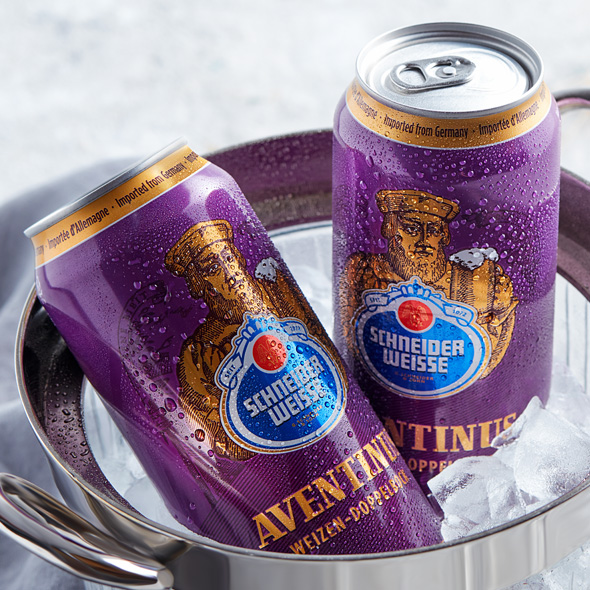
The story of the beer begins in 1907 with a bold decision by Mathilde Schneider, daughter of Georg Schneider I, to create a new Weizenbock. The result, Mein Aventinus, a full-flavored beer built on wheat malt, opened a new chapter in the history of German Weißbier.
Through the 1920s and 1930s, Aventinus held on to its reputation among beer lovers, who had been quick to take to its complex, deep flavor and its high strength.
The wars and upheavals of the 20th century left Aventinus with its traditions and quality intact. Despite no shortage of hardship, the brewery became an indispensable part of Germany’s brewing heritage.
Today, skilled brewers make every batch of Mein Aventinus to the same high standard, and each one carries the brewery’s care and its long history.
IIIThe Flavor of Tap 6: Mein Aventinus

The beer opens with a heady aroma of wheat malt, warm and inviting.
Next, a soft, fruity sweetness that recalls banana spreads across the palate, joined by vanilla. The sweetness never cloys. Instead it brings forward a light, delicate bitterness from the malted grain.
As the beer settles, warm caramel and a gentle spiciness come through, both typical of a Weizenbock. The play of sweet and bitter, warm and cool, keeps the flavor varied and engaging.
The finish lingers, full and rich, and stays in the memory well after the last sip.
IVStyle and Alcohol Content
Weizenbock is a traditional German style built on a blend of wheat malt and barley malt. In Mein Aventinus, the wheat gives softness and sweetness, and the barley contributes aromas with complexity and depth.
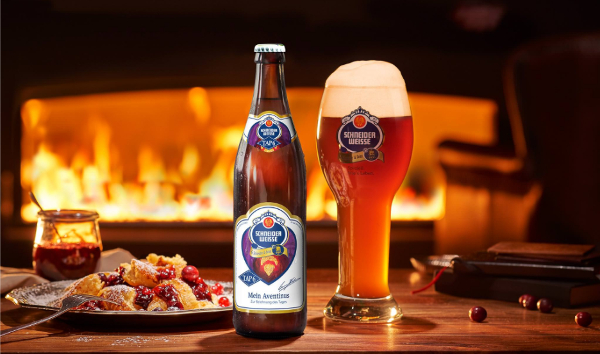
At 8.2% ABV, Mein Aventinus brings warmth and strength, yet each sip stays balanced. Rather than overwhelming the beer, the alcohol lifts its fruit, spice, and caramel.
The style also demands patience and precision in the brewhouse. Each batch of Tap 6: Mein Aventinus starts with high-quality ingredients and goes through fermentation and conditioning handled with care and expertise.
VFinal Thoughts
Once the glass is empty, what remains is the memory of an 8.2% ABV Weizenbock and of the long brewing tradition behind it, the kind of beer heritage drinkers hold dear.
Originally published in Vietnamese on Tạp Chí Beer.
More Weizenbock
About this style
This beer is in the library of the BeerLens app. Scan the label to identify it, then keep your own tasting notes.