Sierra Nevada Pale Ale: An American Craft Beer Classic
Sierra Nevada Pale Ale came out of a brewery pieced together from secondhand equipment in Chico, California, and became the model for the American pale ale. A look at its history, its Cascade hop character, and how to serve it.

An old tavern in California on a windy afternoon. The oak floorboards creak underfoot, and late sun slants through frosted windows onto a glass of golden pale ale. Lift it to your nose and Cascade hops come up first, over a soft layer of malt. With the first sip the room seems to go still, and Sierra Nevada Pale Ale, one of the beers American craft brewing was built on, takes over.
IHow Sierra Nevada Brewing Co. Began
In 1980, when craft beer was still an unfamiliar idea, a young and driven Ken Grossman founded Sierra Nevada Brewing Co. in Chico, California. With no big budget and no major investors, he assembled the brewing equipment by hand from secondhand parts and built a sound brewery from scratch, one step at a time.
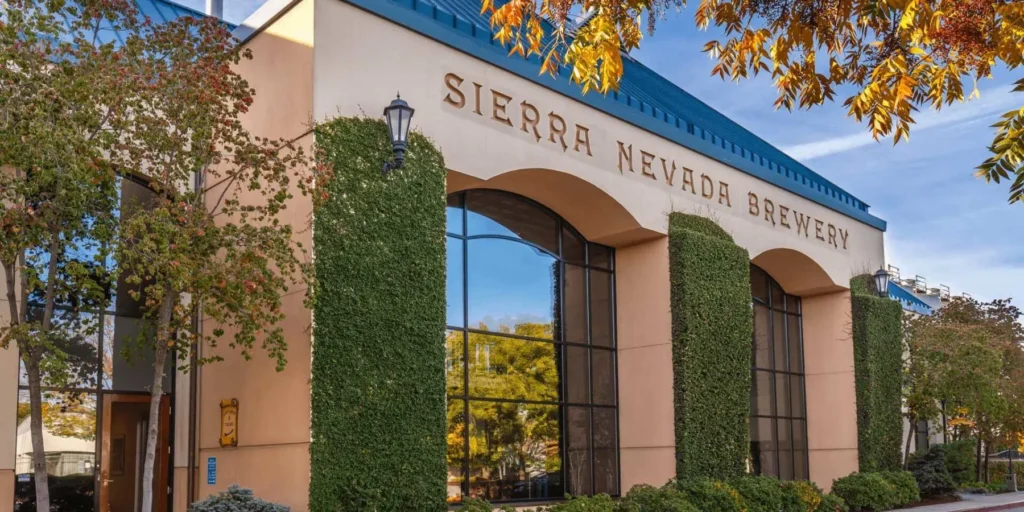
The startup spirit was only part of what set Sierra Nevada apart. From the beginning the brewery took a sustainable path, pioneering the use of solar power and biological wastewater treatment, and it refused to pasteurize its beer so the natural flavor stayed intact. Its first beer, Pale Ale, read as a manifesto for a movement: craft beer as freedom, creativity, and authenticity.
IIThe American Pale Ale Style
American Pale Ale bridges the English brewing tradition and the modern American approach. APA leans on homegrown hops such as Cascade, Centennial, and Chinook for aromas of citrus, pine, and herbs, along with a lively bitterness. Every bottle of Sierra Nevada Pale Ale holds malt and hops in balance: 4.4–5.4% ABV, 30–50 IBU, 6–14 SRM.
Where an IPA is known for assertive bitterness, a pale ale puts balance and drinkability first. That is why many people call Sierra Nevada “a gateway to craft beer”: complex enough to hold your interest, gentle enough to start with.
IIIFlavor: What Cascade Brings
The key to Sierra Nevada Pale Ale is the way it uses Cascade, America’s signature hop. Cascade supplies the bitterness and, more to the point, an alluring aroma that draws you into every sip.

As soon as the cap comes off, orange, tangerine, and a faint trace of pine rise from the bottle, a greeting that is hard to mistake. The first sip brings:
- Flavor: Cascade in full bloom, balanced by a light malt layer that leaves a fleeting sweetness.
- Mouthfeel: Soft, with moderate carbonation that keeps it refreshing and easy.
- Finish: A gentle bitterness spreads across the palate and calls for another sip.
The finish seems to go on and on. It is never harsh, yet firm enough to lay a base for whatever comes next. Some drinkers compare it to small waves lapping at a beach: light, persistent, and hard to walk away from.
IVHow to Serve Sierra Nevada Pale Ale
To get the most out of Sierra Nevada Pale Ale:
- Glass: A pint glass, which holds the head and the aroma.
- Temperature: 7–10 °C (45–50 °F), cold enough to refresh while still letting the layers of aroma come through.
- Food pairings:
- BBQ chicken or German sausages, which bring out the hops.
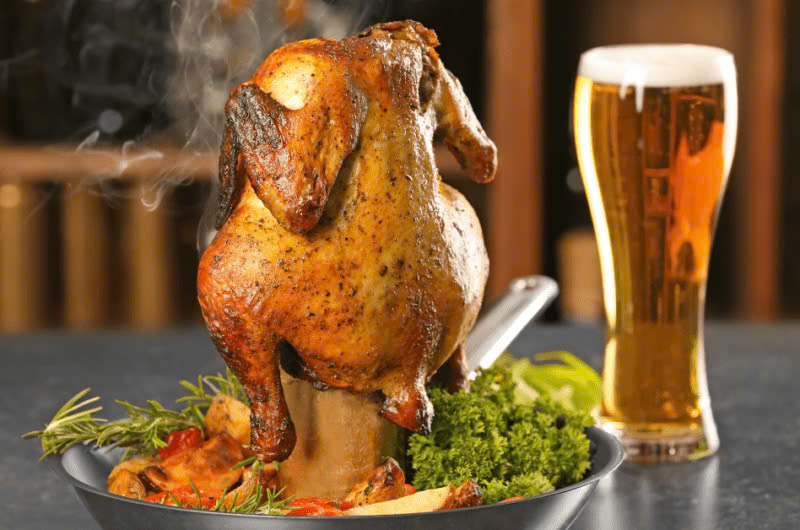
A fragrant plate of BBQ chicken with craft beer, a thin curl of smoke giving the table a cozy feel - Cheddar, which balances the bitterness.
- Spicy dishes from Mexico such as tacos or nachos, for a lively table.
- Charcoal-fired pizza, its smokiness meeting the golden beer.
- BBQ chicken or German sausages, which bring out the hops.

On a weekend evening, try Sierra Nevada with a full-flavored pizza and some rock music, ideally with good friends around. Good beer is better shared.
VWhat Drinkers Say and a Behind-the-Scenes Story
One beer lover recalls: “The first time I drank Sierra Nevada Pale Ale was on a moonlit night in Yosemite. It tasted like moonlight on a lake: clear, deep, and true. It made me fall for the whole world of craft beer.”
The backstory is worth telling. To brew his first batch of Pale Ale, Ken Grossman reused old stainless steel tanks from a dairy and rigged a cooling system out of household freezers. That first batch was bottled by hand, one bottle at a time, and labeled with a glue that peeled off easily, because there was no money for professionally printed labels. From that makeshift start, Sierra Nevada Pale Ale went on to become known the world over.
VIAwards and Influence
For more than 40 years, Sierra Nevada Pale Ale has kept earning recognition from experts and beer drinkers around the world. In international competitions and informal rankings alike, it remains a name that stands out.
Beyond the awards, it has become the textbook American Pale Ale and a fixture of beer courses. Many new craft brewers have kept it close as they started out, a reminder that a pioneering spirit and respect for honest flavor do not lose their value.
VIIConclusion
In a busier, more industrial world, a glass of Sierra Nevada Pale Ale, with its plain and honest flavor, is a way to slow down, pay attention, and share a simple moment with someone.

Pour a glass as the sun goes down, when the light turns everything gold and the beer in your hand glows like amber. A sip taken at that hour tends to become a memory.
When you are ready to start a story of your own, open a bottle, close your eyes, and let your senses lead.
Originally published in Vietnamese on Tạp Chí Beer.
More American Pale Ale
About this style
American Pale Ale
Balter XPA: The Aftertaste of What We Couldn’t Keep

American Pale Ale
Zombie Dust: Portrait of a Craft Beer Standout
This beer is in the library of the BeerLens app. Scan the label to identify it, then keep your own tasting notes.