Orval Trappist Ale: A Taste of Time and Faith
Orval Trappist Ale is a fruity Belgian beer of 6.2% ABV, shaped by Brettanomyces yeast, with a dry finish and a distinctly wild edge.

In the old abbeys of eastern Belgium, behind moss-covered stone walls, monks brew beer with faith and a great deal of patience, as part of a life of prayer and steady manual work. Orval Trappist Ale comes out of that tradition, and it carries a story with it: Countess Mathilde, a legendary golden fish, and brewing knowledge kept over the centuries.
As the evening sun turns the gardens around Orval Abbey gold, people often tell of the shimmering amber beer, admired as much for the remarkable history behind each bottle as for its flavor. Since 1070, through every upheaval, Orval has kept to the Trappist way: modest in presentation, intricate and deep in flavor.
IThe Abbey and Its Brewery
In 1070, Orval Abbey (Abbaye Notre-Dame d’Orval) was founded in the quiet Gaume region, in what is now Belgium. In the wake of the French Revolution it was reduced to ashes (1793). Its bells did not ring again until 1926, when Trappist monks began the slow work of rebuilding it from the rubble.
In 1931, a small brewery was built within the abbey grounds, not out of commercial ambition but to sustain the community’s spiritual life and its charitable work. In the Trappist tradition, brewing is labor carried out in silence, and the beer a gift from heaven and earth. In 1932 the first Orval was officially released, the work of a gifted German brewing researcher, Pater Matthias.

The Legend Behind the Name
Legend has it that in the 11th century Countess Mathilde of Tuscany dropped a precious ring into the stream at the abbey. Suddenly a glittering golden fish rose to the surface and returned the ring to her in its mouth. From then on the place was called Orval, after Val d’Or, the “Golden Valley,” in memory of a small miracle and the gratitude it inspired.
Orval Trappist Ale (1932) became the abbey’s signature beer, with a flavor of real complexity and depth. Orval Vert, the green version at 4.5% ABV, was reserved for the monks alone. At first the beer was served only to the local community and to pilgrims, but from the 1950s it crossed borders and found admirers among beer lovers worldwide.
Yeast, Time, and Patience
What most sets Orval apart is Brettanomyces yeast, a “wild” strain that keeps the flavor shifting from one day to the next. The beer is conditioned twice, once at the brewery and again in the bottle, so every drop reflects the monks’ patience.
The fish holding a ring, printed on every bottle, stands for faithfulness and for the small wonders hidden in everyday life.
Key Dates
- 1070: The first prayers are said at Orval Abbey.
- 1793: War and fire destroy the old abbey.
- 1926: The abbey rises again from its ruins.
- 1931–1932: Orval beer is born, and the abbey’s story gains a new chapter.

Every bottle of Orval today carries a chapter of that long history.
IIOrval Trappist Ale: Complex Yet Gentle
Style: Hard to Classify
Orval does not fit neatly into a single category. By BJCP guidelines it is a classic Belgian Pale Ale, yet for the Trappist monks it has the spirit of a Trappist Single, a light, understated style that rewards close attention. What makes Orval singular is Brettanomyces, the “wild” yeast, which turns it into a hybrid of the traditional Belgian pale ale and the freer world of Wild Ale and Belgian Saison. From one sip to the next, the flavor never sits still.
Key Characteristics
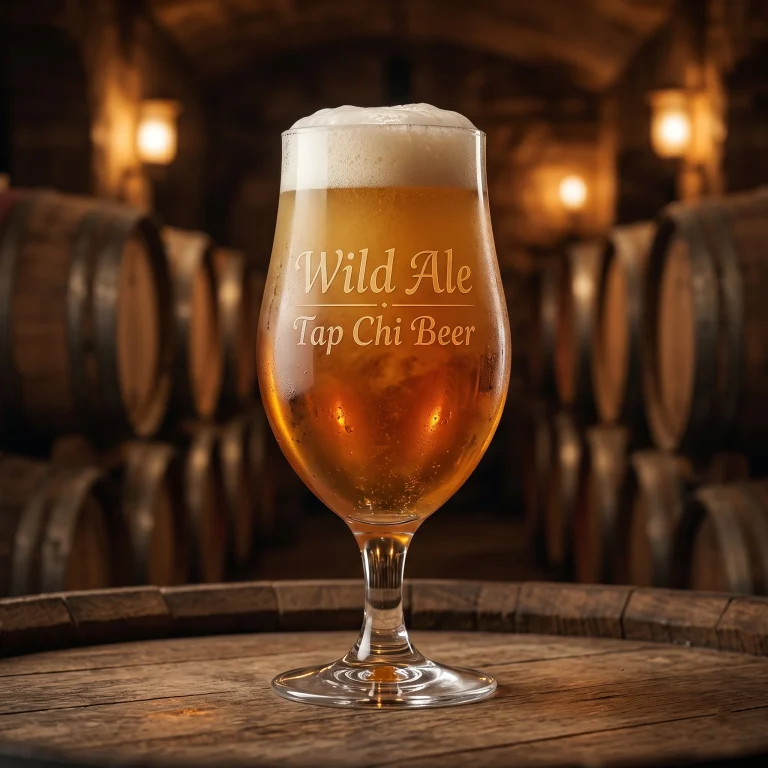
Orval pours a deep amber, as clear as sunlight through a church window, under a thick, long-lasting white head, a hallmark of Belgian beer.
- 6.2% ABV (the main release): enough warmth to soothe, never harsh.
- Orval Vert (4.5% ABV): the rare version reserved for the monks, lighter and cleaner.
- At just 30–35 IBU, Orval balances a light bitterness from German Hallertau hops against the warm sweetness of the malt, neither too sharp nor too sweet.
- Body: medium to light, with a dry finish as the Brettanomyces quietly eats through the remaining sugar. Carbonation is high, a lively prickle of tiny bubbles on the tongue.
Flavor, Layer by Layer

- Fresh fruit (orange, lemon, pear): bright, refreshing fruit from the Belgian yeast.
- Wood, earth, and a “wild” note: Brettanomyces brings an elusive, forest-floor character.
- Lightly sweet malt, then a dry, slightly astringent finish that lingers.
What Sets Orval Apart: Complexity and Wine-Like Aging
- Change over time: with extended aging (3–5 years), Brettanomyces makes the flavor deeper and more complex, the way a fine wine develops.
- Double fermentation (in tank and in bottle): a process typical of Trappist beer, and the reason each bottle of Orval turns out a little different from the next.
Orval is a beer to slow down for and drink with attention.
IIIHow to Serve Orval Trappist Ale
Temperature and Glassware: Not Too Cold
Orval is not fussy, but it rewards a little care. Serve it at 10–12 °C (50–54 °F), cool enough to take the edge off the heat but warm enough for the Brettanomyces and the fruit aromas to open up slowly. Too cold, and its layers of flavor stay locked away.
- Tulip glass (the Trappist standard): shaped like a flower opening, it holds the bright white head and lifts the aromas of orange, lemon, and spice.
- Snifter: the glass for exploring the “wild” side of Brettanomyces, with its wood, earth, and old moss.
Food Pairings
Orval is versatile at the table and works with many kinds of cooking:

- Soft cheeses (Camembert, Brie) or blue cheese: their rich, melting texture meets the beer’s dry finish.
- Roast lamb, Belgian sausages: the savory depth of the meat plays against the light hop bitterness, and the two keep each other in balance.
- Smoked salmon, scallops: the smoke meets the beer’s “wild” aroma.
- Carbonade Flamande (beef stewed in beer), Moules-frites (mussels and fries): traditional Belgian dishes reunited with a Belgian beer.
When to Drink It
- After dinner: dry and complex, Orval makes a good “dessert beer” to close the evening.
- Specialty beer tastings: Orval changes shape with age, so let your guests discover how different it tastes after 1–3 years of aging.
- Fall and winter: warm malt and earthy Brettanomyces suit the colder months.
IVFinal Thoughts
Some beers are brewed to get people drunk; Orval is brewed to stir something in them. Each amber glass holds a 900-year story, from the legend of the golden fish that returned the ring to the monks brewing quietly behind the abbey walls.

Drinking Orval is an experience that changes with time. A fresh bottle is bright with citrus; after a few patient years it turns deeper, with wood, earth, and something harder to put into words. Pour it into a tulip glass and handle it gently.
With a rich Brie or alone on a cold winter afternoon, Orval tastes of time, faith, and a little of nature’s wildness.
Mentioned in this article
Originally published in Vietnamese on Tạp Chí Beer.
More Belgian Pale Ale
About this style
Belgian Pale Ale
De Ranke XX Bitter: The Bracing Edge of Hops

Belgian Pale Ale
Saint Amand: A French Abbey Beer of Uncommon Character
This beer is in the library of the BeerLens app. Scan the label to identify it, then keep your own tasting notes.