Lindemans Faro: Airborne Yeast and 200 Years of Secrets
Lindemans Faro is a spontaneously fermented Belgian beer of 4.5% ABV, its caramel sweetness balanced by a light tartness, and an easy introduction to lambic.

The night wind of the Pajottenland drifts over old oak barrels, carrying a yeasty scent that has hung in the air for generations. Somewhere in the silent brewhouse, young Belgian Lambic is quietly aging, waiting to become Lindemans Faro, one of the jewels of Belgian beer.
Good things sometimes come from letting go, and the brewers at Lindemans have long understood this. They open the coolship room and let airborne wild yeast drift in, inviting nature to take part in the brewing. Nothing is controlled or rushed; they simply wait for wild microorganisms to turn ordinary grain wort into a spontaneously fermented beer admired around the world.
In an age of noisy industrial production lines, Lindemans Faro keeps its own quiet rhythm, set by old oak barrels and the warm sweetness of caramel sugar. It is a beer built on the willingness to trust nature, and Lindemans has kept that approach alive for 200 years.
IBrouwerij Lindemans: A Farm Brewery Near Brussels
In 1822, amid the quiet fields of Vlezenbeek near Brussels, the small farm of the Lindemans family began brewing. Its real harvest was not in the granary or the cattle shed but in oak barrels of lambic, a wild-fermented beer shaped by the wind, by airborne yeast, and by the centuries-old boerenerf, or farmyard, tradition.

From a farm that brewed its own beer, Lindemans grew into a name respected across Belgium. It is one of the few breweries to have kept spontaneous fermentation unchanged since the 19th century. Its lambic is a product of time: fermented by microorganisms carried in the air, then left to rest at length in oak barrels.
IILindemans Faro: The Gentle, Sweet Side of Wild Fermentation
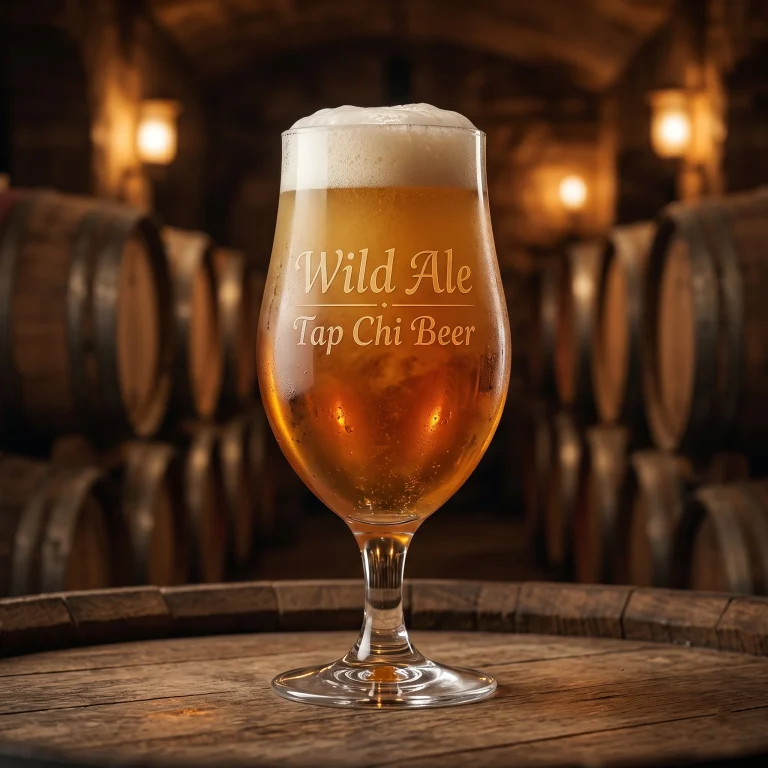
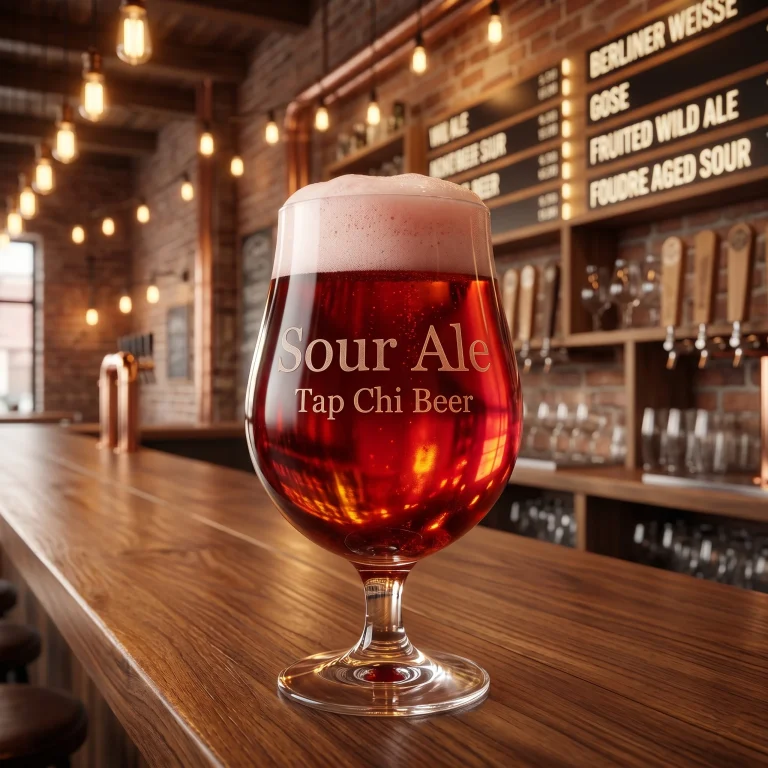
In a fast-changing beer world, Lindemans Faro remains a classic. It belongs to the Wild Ale/Sour Ale family, in which wild, or spontaneous, fermentation is driven by microorganisms from the air. Unlike ordinary ales or lagers, this Belgian Faro owes its character to Brettanomyces and Lactobacillus, the invisible workers behind a flavor that is hard to confuse with anything else.
Held up to the light, Lindemans Faro shows a clear amber, the color of caramel sugar melting in the sun. At 4.5% ABV and 10–15 IBU, it opens with a soft, honeyed sweetness and a hint of toasted bread from the malt, then touches the palate with a clean tartness like a freshly picked green apple.

Under the BJCP (Code 23D – Historical Beer: Faro) guidelines, a faro has to start with lambic, a spontaneously fermented beer that has spent years in oak barrels. Candi or caramel sugar is added in keeping with tradition, softening the sharp sourness so the beer stays balanced. Lindemans also chooses not to pasteurize, a commitment to unaltered flavor that leaves the beer alive.
Set beside a traditional lambic, with its sharp sourness, or a Belgian Fruit Lambic, sweet with fruit, Lindemans Faro takes its own path: gentle, but with character. It is not sour enough to make you wince or sweet enough to cloy, and its flavor shifts as you drink. For anyone who wants to explore wild-fermented beer without being overwhelmed by its harsher side, it is an easy place to start.

IIIServing Lindemans Faro
Every beer has its own way of being served, and Lindemans Faro rewards a little attention.
Temperature and Glassware
Chill the bottle to 6–8 °C (43–46 °F), the range at which its layers of flavor wake up. Colder, and the shy caramel sweetness fades away; warmer, and the sourness takes over. A light chill is all it needs.
A tulip or a snifter, with its narrow mouth, holds on to the aroma. To go fully Belgian, choose a traditional bowl-shaped lambic glass, which lets light play through the amber beer. Avoid a straight pilsner glass; faro deserves better.
Food Pairings
- Sweet: Belgian waffles, crêpes with brown sugar, dark chocolate (70% cacao), or fruit tarts (apple, plum).
- Tradition: In Brussels, traditional faro is often drunk with sugar syrup or local sweets.
- Savory: Camembert or Brie, whose richness balances the light tartness; cold cuts (ham, pâté); fresh oysters, if the faro is noticeably sour.

Occasions
Lindemans Faro suits a weekend brunch, or the end of a meal in place of a dessert wine. In spring or in the heat of summer it is thoroughly refreshing, and around Christmas its warm caramel notes make it a natural fit for any Belgian beer festival.
IVHow Wild Fermentation Works
Where lambic is complex and sour, faro is the gentler of the two. It emerged in the 18th–19th centuries as the drink of the Brussels working class, sweetened with caramel sugar and soothing after a long day’s work.
The secret of Lindemans Faro begins with the coolship, a wide, open cooling vessel under the night sky of the Pajottenland. There the warm wort takes in wild microorganisms from the wind and the air. This spontaneous fermentation cannot be hurried; it takes time and patience.

The beer then moves into oak barrels to rest for 1 to 3 years. Lindemans blends young lambic, fresh and tart, with old lambic, deeper and more complex. To balance the sourness, the brewery adds caramel candi sugar or barley syrup, a 19th-century tradition from a time when Belgian farmers wanted to soften the beer’s sharp acidity.
Today, Lindemans Faro (4.5% ABV) is soft and sweet yet keeps the finesse of a traditional beer, as if to say: “Love beer, starting with the simplest things…”
VLindemans Faro in the World of Belgian Beer
From the small farms of 19th-century Vlezenbeek to the craft of wild fermentation, every amber bottle of Lindemans Faro carries something of the Belgian land it comes from.
As the beer world grows ever busier, Lindemans Faro holds to a traditional philosophy of brewing, letting things unfold as the wild yeast decides. That patience is probably what gives it such lasting appeal, and what has turned a beer once made for the working class into one prized by connoisseurs worldwide.
A glass of Lindemans Faro holds a 200-year cultural heritage, and behind its clear amber color lies the story of old Brussels and its pride in brewing.
Mentioned in this article
Originally published in Vietnamese on Tạp Chí Beer.
This beer is in the library of the BeerLens app. Scan the label to identify it, then keep your own tasting notes.