Left Hand Milk Stout: Smooth, Sweet, and Steeped in Memory
Left Hand Milk Stout gets its gentle sweetness from lactose, and it has a way of easing the end of a long, tiring day.
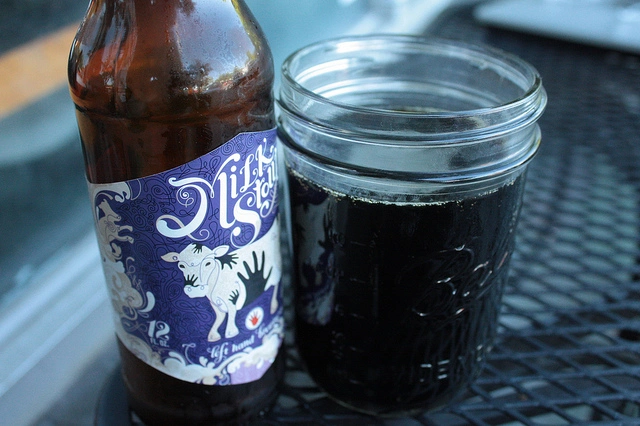
Some days the world gets so loud that I want to hide from all of it. After the long meetings, the unanswered messages, and the pressure that keeps falling like a steady rain, all I hope for is something small, warm enough to quiet me down.
I found it, not in some faraway place or on a long spiritual retreat, but in a glass of glossy black beer: Milk Stout. I did not expect much; I just wanted a change from my usual. Then, at the first sip, I stopped, really stopped. Milky cocoa flooded my mouth, and the sweetness crept in, warm and low, until something in me eased.
That glass was good, and it was comforting too, like a hand on the shoulder telling me things would be all right. On a cold, draining day, something was slowly warming me from the inside. Memories came back: winter days by the window, a cup of hot milk my mother had made, soft music playing, and dreams that were still intact.
I knew I had found something new and good, a flavor and a feeling, and it had all started with a beer I picked almost by accident.
IFrom Longmont, Colorado: A Craft Brewery’s Story
Longmont, Colorado, is a small town set against the grand backdrop of the Rocky Mountains, where autumn mornings smell of dry maple leaves and the air feels freshly washed. There, in 1993, Left Hand Brewing Company started out in an old warehouse under its original name, Indian Peaks Brewing. The founders had little beyond their enthusiasm, some aging equipment, and the urge to make something different.
A year later the brewery adopted the name “Left Hand,” after the Arapaho chief Niwot, whose name means “left hand,” as a tribute to the land and to the people who lived there first. The choice showed a respect for local history and Indigenous culture that few breweries of the time thought much about.

The early years were hard: outdated equipment, limited access to ingredients, and a craft beer market that was still new and difficult to crack. The hardship only sharpened their sense of craft. They set out to make beers that told a story with every sip and carried the persistence, sincerity, and feeling that went into them.
Milk Stout arrived in 1999, Left Hand’s take on the Sweet / Milk Stout style. It began as an inspired experiment rather than a commercial decision. Dark roasted malts, silky oats, deeply roasted barley, and above all lactose, a milk sugar that yeast cannot ferment, gave the beer sweetness, balance, and a velvety, creamy finish. It immediately won over drinkers who wanted something gentler that still had depth.
Left Hand Brewing then went further with “Milk Stout Nitro,” the first beer in the United States bottled with nitrogen instead of CO2. The nitrogen gives it a fine, silky head that spreads evenly across the surface like mist on a winter lake, and the effect still draws a gasp from first-time drinkers.
From a small warehouse in Longmont, Left Hand has grown into one of the most recognizable names in American craft beer without losing its early character. Old wooden barrels and hand-built brewing equipment are still kept as part of the brewery’s identity. It has not expanded recklessly or chased trends, and it has stayed focused on what it cares about most: beers with real feeling behind them.
IIGentle Sweetness and a Velvet Texture
Milk Stout looks different from the start: jet black, almost inky, with faint amber-brown glints when held to the light, and a depth that draws the eye. The complexity Left Hand Brewing worked so hard to build, though, only shows itself on the nose and at the first sip.

The grain bill is layered. Milk Stout builds on a light base of Pale malt; Crystal and Munich add mild sweetness and depth; Chocolate malt and Roasted Barley bring a light bitterness along with notes of chocolate and roasted coffee. Oats thicken the body and smooth it out, while lactose, the defining ingredient, passes through fermentation untouched and leaves a soft, milky sweetness on the palate.
Poured into a glass, especially the Nitro version, it settles under a fine, creamy white head that frames the velvety black beer below. The foam feels like fresh cream on the lips, and as the beer moves across the tongue, sweetness, bitterness, and creaminess fall into balance. Nothing is harsh, thin, or overbearing. Every element has its place, and none of them shouts.
At 6.0% ABV, it carries enough alcohol to warm you from the inside without losing its gentleness. Low carbonation makes it smoother still, so it seems to melt on the lips. This is a beer for sipping, for breathing more slowly, and for listening to the small things inside you.
After a long day, Milk Stout is a comfort, and proof that something can be simple and quiet and still reach you.
IIIHow to Serve It and What to Eat With It
Milk Stout rewards a little more ceremony than popping the cap. To get the full softness, sweetness, and velvet texture, start with a few details that look simple but make a difference.
Serving
- Serving temperature: 10–13 °C (50–55 °F). In that range the lactose and malts give their sweetness fully, while the beer keeps its body and creaminess. Too cold and the flavors shut down; too warm and the silky texture thins out.
- Glassware: A nonic pint or a stout glass is the standard choice. Both hold a fine head and make the aroma easier to pick up. If you can, rinse the glass with warm water before pouring so it does not chill the beer too abruptly.
- Pouring: For the Nitro version, turn the bottle a full 180 degrees and pour straight down into the glass, without tilting the glass as you would for most beers. The pour sets off a striking cascade and builds a thick, dense head.
- When to drink it: A quiet evening after dinner, or a cold day, is the ideal time to appreciate how full and mellow it is. It is a beer to close your eyes over and simply feel.
Food Pairings
Desserts:
- Chocolate lava cake, chocolate mousse, warm brownies, tiramisu: any dessert built on cocoa makes an easy match. The beer’s soft sweetness and clean bitterness wrap around each spoonful and deepen its sweetness.

Cheese:
- Soft Brie, aged cheddar, or smoked Gouda: rich, soft cheeses make a pleasing contrast with the beer’s gentle sweetness, and together their richness, aroma, and fine texture build real depth on the tongue.
Savory dishes:
- Char-grilled beef, barbecue ribs, smoked meats, spicy sausage, even thịt kho tiêu (Vietnamese pork braised with black pepper): dishes with deep, salty flavors and a little heat bring out the caramel, chocolate, and coffee in the beer, and its touch of sweetness balances the salt and fat.
Try a small experiment. Pick a quiet evening, put on an old jazz record, warm up a brownie, and pour a Milk Stout properly. Then sit down, close your eyes, and let your senses work through the layers: the aroma, the sweetness, the slow warmth spreading through the body.
IVAwards and Milestones
Milk Stout is well loved for its flavor, and it is the clearest sign of how well Left Hand Brewing has reached the palates, and the hearts, of beer lovers around the world. Since its release in 1999, it has steadily built its reputation through awards and recognition from the international craft beer community.
- Great American Beer Festival (GABF): One of the largest and most prestigious competitions for American craft brewers. Milk Stout has been honored there several times, for its smooth texture and for the bold creativity of its recipe and brewing technique.
- World Beer Cup: At this international competition, where thousands of beers from five continents compete, Milk Stout has consistently ranked among the highest-rated Sweet Stouts. A medal here is clear evidence of quality by world standards.
- European Beer Star: European judges, raised on long brewing traditions, are not easily won over by an American beer, but Milk Stout managed it. Its signature light sweetness and distinctive nitro head set it apart from hundreds of rivals from countries with centuries of brewing history.
- International Brewing Awards: Often called the “Oscars of brewing,” these awards are judged blind by leading experts from around the world. Being named here is an honor for Milk Stout and a recognition of Left Hand’s approach to brewing, which is as precise as it is heartfelt.
Milk Stout Nitro also made its mark as the first nitro beer in the United States to be bottled without a widget, a technical advance that impressed seasoned beer drinkers. It brought the nitro pour home, with no need for a bar or a dedicated tap.
Medals aside, Milk Stout’s biggest achievement may be the place it holds in the personal memories of millions of people: a glass sipped on an early-winter evening, a drink that brings back a little calm, a taste that recalls the smell of milk in a childhood kitchen.
In a beer world where trends come and go, Milk Stout has held its ground through sincerity rather than noise, and for Left Hand Brewing that is the achievement that matters most.
VFinal Thoughts: A Beer for Hard Days
It is strange how far a simple glass of beer can carry you: from the quiet hills around Longmont, through layer after layer of malt and cocoa, back to childhood winter afternoons by the window. Milk Stout is about memory and feeling as much as taste, about the things that get lost in a busy life.

On days when nothing seemed to go right, I found shelter in a sip of smooth dark beer, milky and sweet, with a light bitterness like a tender sadness. That was when I understood: it takes nothing grand to feel alive again, only something honest.
Amid all the noise, Milk Stout is a quiet reminder that the world still holds things that are sweet, soft, and kind.
If you need something to lighten the day, pour yourself a Milk Stout, sit down, breathe slowly, and let it lead you back to yourself.
Originally published in Vietnamese on Tạp Chí Beer.
More Sweet / Milk Stout
About this style
Sweet / Milk Stout
Young’s Double Chocolate Stout: A Stout to Linger Over
This beer is in the library of the BeerLens app. Scan the label to identify it, then keep your own tasting notes.