Keizersberg Abbey Ale: Heir to the Abbey Beer Tradition
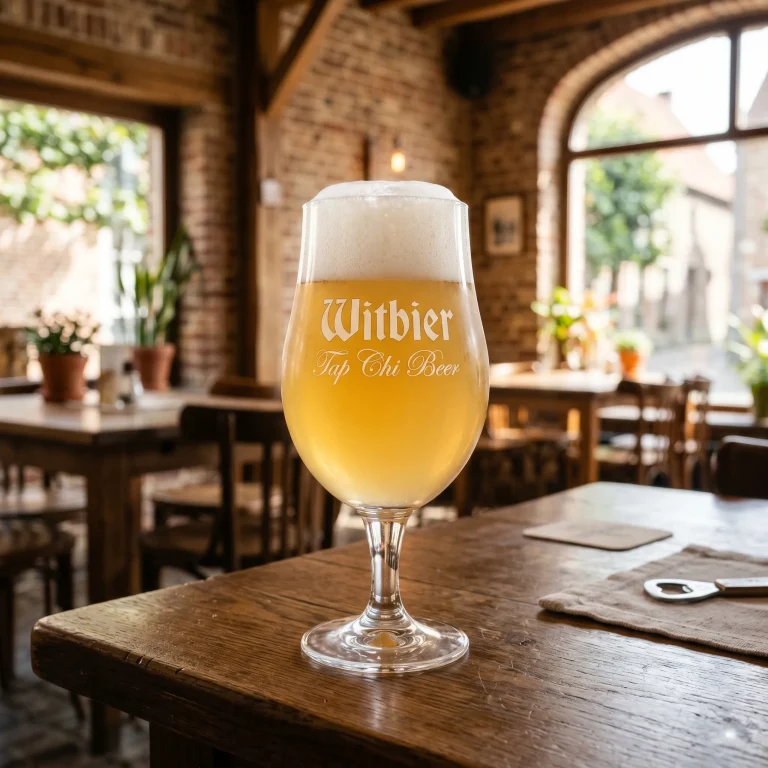
Keizersberg Abbey Ale is fresh and smooth on the palate, a classic Belgian white beer.

Keizersberg is a classic Belgian white beer, a style usually known as Witbier. It is fresh and smooth, a good choice on hot summer days, and it is often served with a slice of orange or a chilled orange wedge.
IThe History of the Keizersberg Brewery
The Keizersberg brewery, Brouwerij Van Steenberge N.V., has long been part of the cultural and spiritual life of the Leuven area in Belgium. Its history is bound up with Keizersberg Abbey, where monks spent centuries studying and refining the craft of brewing.
Founded in the early 19th century, the brewery went through several periods of growth and prosperity. Keizersberg beer was once an everyday staple for the monastic community and a favorite across the region, a source of pride in the area’s distinctive flavor.
In the 1900s the brewery won official recognition and became one of the bright spots of the Belgian beer industry. Its brewing secrets were closely guarded and passed down from one generation to the next, preserving the distinctive flavor and high quality of Keizersberg beer.
A key part of that history is how the brewery kept its old brewing ways while adopting advanced methods and modern technology to improve quality, without losing its essential character. That approach has kept Keizersberg firmly in favor at home in Belgium and has won it drinkers around the world.
IIHow Keizersberg Abbey Ale Came About
Keizersberg Abbey Ale takes its name from Keizersberg Abbey as a mark of respect, and it carries the abbey’s history and culture into the glass.
The beer was born at a time when demand for high-quality beer in Belgium was rising fast. Keizersberg Abbey, long a place of silence and prayer, came to see that its long-practiced brewing skills could produce a new line of beer for the faithful and the secular public alike.
In the late 19th century, as industrialization began to reshape Belgium, the abbey decided to put its long experience in brewing to work on a genuine abbey ale, a beer that bears the stamp of its land and of Keizersberg’s cultural identity.
The beer was a response to market trends, and it also reflected the abbey’s commitment to keeping its traditions alive and carrying them forward. Beyond its flavor, every glass of Keizersberg Abbey Ale helps fund the abbey’s work, supporting the religious and social activities the monks have pursued for centuries.
Its origins join tradition with innovation and faith with brewing craft, and the beer has made its mark both in its own community and on the international beer market.
A few milestones fill in the picture. Keizersberg beer, also called a Witbier (white beer), originated in Belgium in the late 19th century. It was developed and brewed by the monks of Keizersberg Abbey, a Cistercian monastery in the city of Leuven, in Belgium’s Flanders region.
The beer’s story is closely tied to the abbey’s own. The abbey was founded in 1899 by Abbot Sébastien Wyart, who invited T. V. Walmers, a well-known brewer from the town of Hoegaarden, to guide brewing there. Keizersberg beer was therefore made both for the monks and for the wider community, local residents above all.
IIIThe Character of Keizersberg Abbey Ale

Keizersberg Abbey Ale stands out on the world beer market for traits that are hard to mistake; taken together, they make a clear statement of flavor and tradition.
- Signature flavor: Carefully roasted malt gives the beer a rich, balanced structure. The first impression is a gentle caramel sweetness, followed by a light hop bitterness and, last, a deep finish of herbs from the Ardennes.
- Brewing technique: Keizersberg Abbey has preserved its old brewing methods over many generations. Attention to every step of the brew, carefully chosen ingredients, and a slow fermentation give the beer its own full, complex signature.
- Color: A bright golden color that glows like autumn sunlight, making each glass as inviting to the eye as to the palate.
- Texture: Smooth yet full in the mouth, with moderate carbonation that keeps it refreshing.
- Sense of place: Every glass reflects Leuven, where the beer is made. From the pure water to the well-chosen ingredients, each element shapes its distinct identity.
Above all, Keizersberg Abbey Ale tells a story of dedication to brewing and of a tradition kept alive over time.
IVAlcohol Content and Style
Keizersberg Abbey Ale is a model of the traditional abbey style, brought up to date by combining classic Belgian brewing with contemporary flavor. Here is how its strength and style break down:
- Alcohol content: Keizersberg Abbey Ale is 8% ABV, a standard strength for abbey beers. The alcohol brings a pleasant warmth, enough to lift the flavor without overshadowing the beer’s subtler points.
- Abbey style: The Belgian Tripel is known for recreating the flavor of beers brewed in the old monasteries. Keizersberg Abbey Ale belongs to this family and has every hallmark of an abbey beer: malt aroma, fruity and spicy notes from the yeast, and layered hop aromas with a balanced bitterness.
- Balance of flavors: Keizersberg’s brewmasters worked to balance the natural sweetness of the malt, the pleasant bitterness of the hops, and the gentle spice of the yeast. The result is rich without being heavy, a beer that suits many occasions.
- Body and mouthfeel: The body is round and full, soft and rich on the palate. Moderate carbonation livens things up and keeps the beer refreshing, lifting each flavor without upsetting the balance.
- Tradition and innovation: The beer holds to the foundations of abbey brewing but is willing to adapt to modern tastes. It appeals to lovers of classic styles and to a new generation of beer drinkers alike.
For beer lovers, Keizersberg Abbey Ale is an enjoyable choice and a way into the subtlety and complexity of Belgian brewing, engaging the senses from aroma to flavor.

VAwards and Recognition
Awards are a mark of recognition and excellence, and in the case of Keizersberg Abbey Ale, every award attests to the high standard of brewing the brewery pursues. Below are the kinds of awards Keizersberg Abbey Ale may have received:
International quality awards: Keizersberg Abbey Ale may have been honored at international competitions such as the World Beer Cup or the European Beer Star, where beers are judged by experts against strong competition from well-known brands around the world.
Innovation awards: The brewery may have been recognized for innovation in brewing, for example new methods to improve quality or new flavors within the classic abbey ale style.
Heritage awards: In some cases, an award may honor a brewery for preserving and developing the abbey style faithfully and creatively, helping protect Belgium’s cultural and culinary heritage.
Local and national awards: Beyond international recognition, Keizersberg Abbey Ale may also have won favor at national and local beer events and competitions, closer to the Belgian public.
Ratings on beer sites: Platforms such as RateBeer, BeerAdvocate, and Untappd regularly publish ratings and rankings based on the opinions of their communities of beer drinkers. Keizersberg Abbey Ale may have earned high marks there.
Not every brewery publishes its awards, so confirming exactly which ones Keizersberg Abbey Ale has received means checking official sources or contacting the brewery directly.
VIConclusion
From the brewery’s history and the abbey’s ambitions to the beer’s style and character, Keizersberg Abbey Ale wins people over with rich flavor, well-judged strength, and the story and care behind it. The awards it has received confirm its quality and its standing as a Belgian beer abroad, and it is a strong choice for anyone drawn to the depth and mystery of Belgian abbey beer.
Mentioned in this article
Originally published in Vietnamese on Tạp Chí Beer.
More Belgian Tripel
About this style
Belgian Tripel
Paix Dieu: The Peace of God, Brewed by the Full Moon

Belgian Tripel
La Fin du Monde: A Tripel Poised between Bitter and Sweet

Belgian Tripel
Kapittel Abt: A Living Link to Belgium’s Brewing Past

Belgian Tripel
Tripel Karmeliet: Reviving a Recipe from 1679
This beer is in the library of the BeerLens app. Scan the label to identify it, then keep your own tasting notes.