Bloom: Hudson Valley Brewery’s Sour IPA Tastes like Early Summer
Bloom is a full-flavored Sour IPA from Hudson Valley Brewery: bright and tart, heavy with fruit, and so soft in body that it drinks almost like a smoothie.

Bloom arrives the way the first warm wind of the season does, carrying the smell of ripe guava. It does not go looking for you. It waits quietly in a corner of the bar, in a can whose artwork looks like a colorful surrealist painting, and what is inside blurs the line between a beer, a smoothie, and a work of art.
Set aside whatever you expect about bitterness or sameness. Bloom brings together things that seem to pull in opposite directions: a clean, fresh tartness inside a body as smooth as silk, and the sweetness of ripe fruit beside a passing note of herbs. It is a beer for the senses more than for analysis. This is Bloom from Hudson Valley Brewery, where constant experimentation produced a beer that changes what you expect from a sparkling golden pour in a tulip glass.
IHudson Valley Brewery and the Sour IPA
In Beacon, where street-art murals share the air with the smell of the river, an idea about beer in every color took root. Hudson Valley Brewery was founded by Mike Renganeschi and Jason Synan, who came into craft beer with no small ambition: to become the world’s pioneer of an entirely new style, the Sour IPA. Their sourness was never harsh. It was clean and bright, held in a creamy body, and built on wheat and oats with a touch of sweet lactose and pure fruit puree. Each of their cans is a small world, in flavor and in design alike, its surrealist artwork drawing you in. From a small brewhouse they grew into a global phenomenon and changed how many drinkers think about a sip of beer.
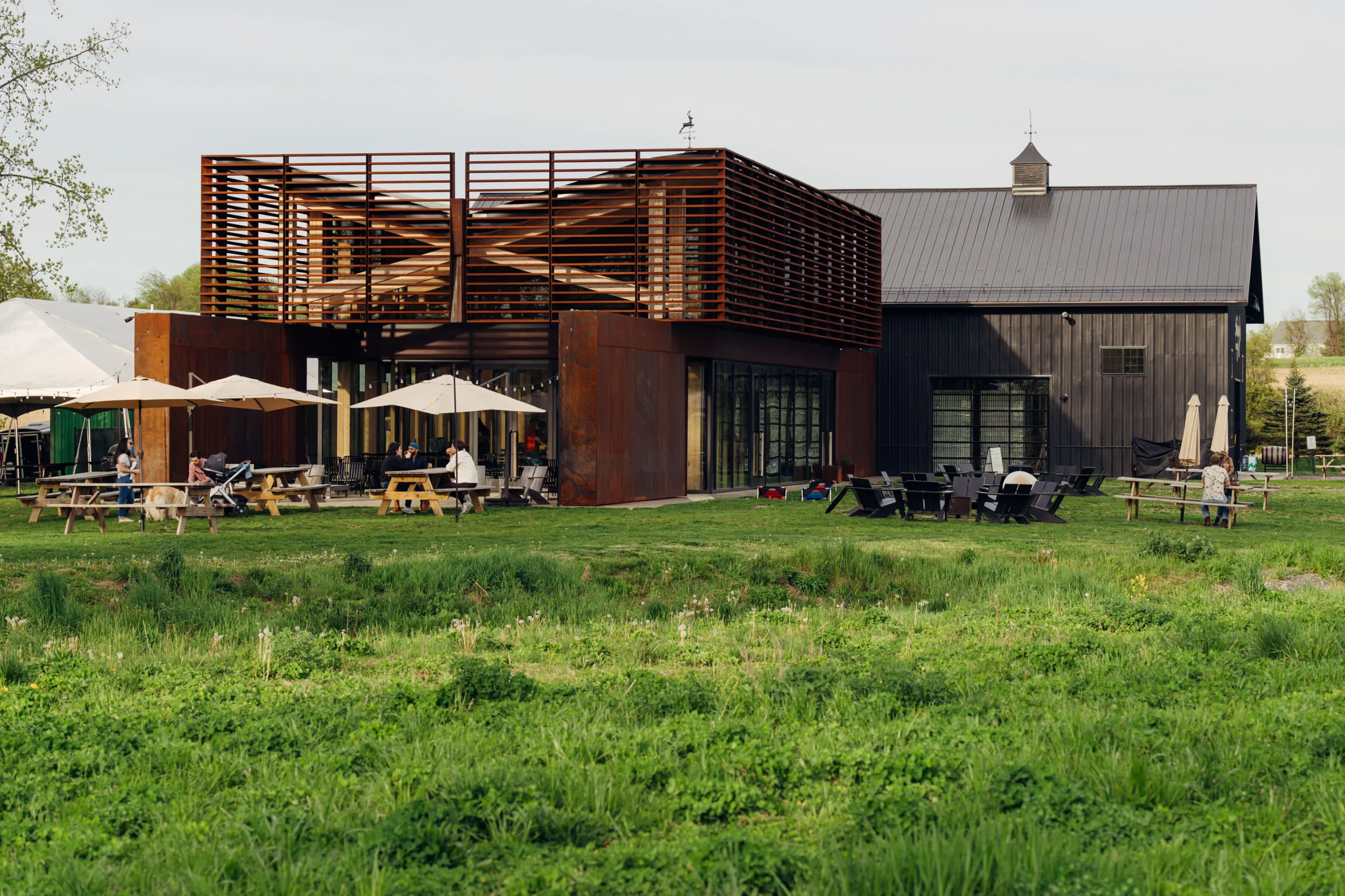
Out of that workshop came the Bloom series, first released in 2016. Bloom was never a single fixed recipe; it renews itself with every batch. Each release is a new “bloom,” pairing seasonal fruit with flower petals and herbs so that a small, living “garden” takes shape in the glass. The series speaks to curious, modern drinkers who want a beer to work on every sense: color that runs from hazy yellow to deep purple, a heady aroma of ripe fruit, and a lively sourness folded into gentle sweetness. The usual bitterness all but disappears. In its place comes a soft, full texture closer to a well-made smoothie, and that softness is what stays on the tongue.
IIWhat Style Is Bloom?
On paper, Bloom is a Sour IPA, a 21st-century invention in which the clean, fresh sourness of Lactobacillus bacteria meets the free spirit of an India Pale Ale. Do not expect aggressive bitterness, though. Bloom sits at the sweetest end of the crossbreed. From the Milkshake IPA it takes lactose, which gives it the smooth, full feel of a breakfast smoothie. From the Hazy IPA, also known as the New England IPA, it takes a murky haze and a burst of fruit aroma, then adds a lively, clear sour note of its own. It belongs to the ale family, fermented at warm temperatures, and the result is gentle but far from timid.
There is no single answer to what color Bloom is; it takes the color of the harvest and its fruit. Sometimes it pours a warm, hazy yellow like August sun, sometimes the vivid fuchsia of raspberries, sometimes the purple of blueberries. Under all that color hides a sweet kind of strength: about 8% ABV, hidden so well behind the fruit and lactose that it is easy to lose track of your limit.

On the palate, bitterness (IBU) is simply absent. The hops are here for aroma, not for a fight, giving off ripe fruit and a faint breath of herbs. What you notice most is the body: full, creamy, and plush across the tongue. That comes from wheat, oats, and lactose, along with the fruit puree, and the texture is close to silk, a slow, even flow that keeps every sense engaged. Bloom asks to be felt as much as tasted.
IIIHow to Serve Bloom
Bloom repays a little care in the serving.
Temperature & Glassware
- Temperature, 8–12 °C (46–54 °F): This moderately warm range lets the high notes of fruit and flowers rise while the lower notes of yeast and malt hold their balance. Too cold and the aromas stay shut in; too warm and they slip away too quickly.
- Tulip glass: Shaped like a flower about to open, the tulip holds the aroma in and sends it straight to the nose, and its wide bowl shows off the color and the haze. In this glass, Bloom shows everything it has.
Food Pairings
Bloom is happiest at the table. Try it with:

- Cheese: The creamy richness of Brie or goat cheese finds support in Bloom’s gentle sweet-and-sour edge. With an assertive blue cheese, the pairing turns more dramatic, and just as satisfying.
- Dessert: Beside a passion fruit cheesecake or a tangy-sweet tart, Bloom works as a cool counterpoint. Its fresh acidity cuts through the richness and cleans the palate, so each return to dessert tastes as fresh as the first bite.
- Other dishes: From a fresh, tangy ceviche to grilled chicken with a sweet mango sauce, or simple vegetarian cooking, Bloom finds common ground with each and turns the meal into a run of small discoveries.
When to Open a Can
A few settings suit it especially well:
- Tasting with friends: For like-minded people, when you and a few close friends want to open the door to flavors none of you has met before.
- Summer gatherings: It can be the star of an outdoor party, a picnic, or a barbecue. The refreshing tartness and vivid color take the edge off the heat and lift the mood.
- As dessert: At 8% ABV, a pour of Bloom in an elegant tulip glass makes a fitting end to dinner and a bold, memorable stand-in for dessert wine.
- Blooming season: Spring and summer could have been made for it. The name and the fruit-forward flavor match the warm weather.
Bloom is quiet and unhurried, a beer to share and take slowly, and it leaves a sweet memory that is slow to fade.
IVConclusion

Somewhere between flowers and yeast, between the Hudson Valley and the wider world, Bloom makes a simple case: creativity in brewing has no borders, and beauty can live in bright tartness, vivid color, and a body as soft as velvet.
Each glass shows what daring and finesse can do together: it carries the brewers’ work and the taste of a season’s harvest, and it ends on a sweet, wistful finish true to its name.
Find a tulip glass, be patient while the beer comes up to temperature, and let yourself settle into it.
Mentioned in this article
Originally published in Vietnamese on Tạp Chí Beer.
This beer is in the library of the BeerLens app. Scan the label to identify it, then keep your own tasting notes.