Harp Lager: A True Taste of Ireland
With more than six decades of history and a bitterness all its own, Harp has won over beer drinkers around the world.

Harp stands for two things in the beer business: a distinctive bitterness and Irish quality. Its roots, a well-made beer, and an easy way with food have made it a favorite among drinkers who love traditional Irish flavor.
IHarp Lager, a Source of Irish Pride
Ireland is green country, a place where folk ballads and old myths pass by word of mouth from one generation to the next, and Harp Lager grew up as part of that culture. It was first brewed in the 1960s at the brewery in Dundalk and soon became one of Ireland’s leading beer brands.
Among the world’s many well-known beers, Harp holds a particular place in Irish drinking culture. It began when the skilled brewers at Dundalk set out to make a lager of their own, one that would stand apart and reflect the spirit of the land of the harp.
In their hands, Harp quickly won over Irish drinkers and became a fixture. Besides its traditional harp, long a familiar emblem of Ireland, it stands out for a full, refreshing flavor with a character of its own.
Through good years and lean ones, Harp has held its quality and gradually widened its place on the world beer map. With that history behind it, the beer has come to stand for Irish pride, tradition, and love of home.
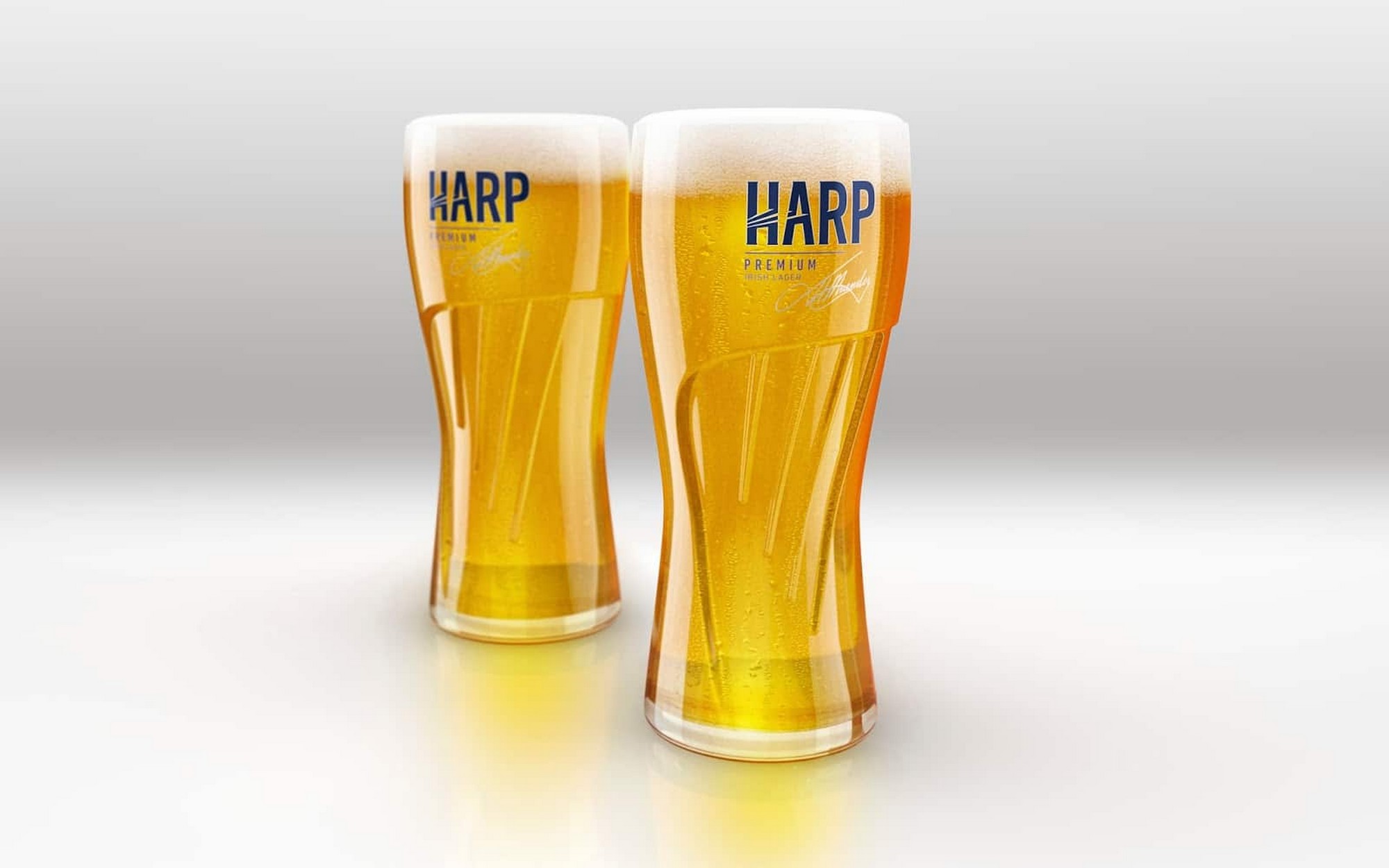
IIHarp Lager’s Character and Flavor
Harp is remembered for its flavor as much as for its Irish origins, and that flavor is clear and full. Its defining trait is the pairing of pure malt with a light hop bitterness, squarely within the European Pale Lager style, and the combination leaves a lasting impression.
Poured, it builds a fine, bright white head, the first sign of how refreshing it is. A light malt sweetness carries a gentle bitterness that never turns harsh, and the balance makes it approachable for any drinker.
Each sip opens fresh, fills out into a fuller, rounder flavor, and ends on a clean, pleasant bitterness. That progression comes from the ingredients and from the care and precise technique of the brewers at Dundalk.
For anyone curious about Irish beer, Harp is worth tasting: a lager with a long tradition and a strong sense of where it comes from.
IIIServing and Tasting Harp Lager
Harp rewards a little attention, and a few steps, not all of them widely known, bring out the most in its flavor and character.
- The right temperature: Harp shows its flavor best at about 4–6 °C (39–43 °F). Well chilled, it lets you pick out the grain, the hop aroma, and the soft sweetness of the water.
- The right glass: Use a tall glass, clean and chilled. It helps build a good-looking head and keeps the flavor intact longer.
- The pour: Hold the bottle at about 45 degrees to the glass and pour gently so the head does not climb too high, then bring the bottle upright and pour the rest.
- The color: Before drinking, take a moment with the clear, shining gold in the glass. The color says something about where the beer comes from and how it is made.
- The aroma: Bring the glass to your nose and breathe in gently. The aroma is full: malt first, woven through with fresh hops.
- Sip slowly: Let the beer linger on the palate and work through its range of flavors, from malt and barley to other spice notes.
Taken slowly, a glass of Harp says a good deal about Irish culture and history, and about brewers who keep tradition and modern methods side by side.
IVFinal Thoughts
Harp won over Ireland soon after its launch, and the wider world followed, carried by its brewers’ persistence in bringing an authentic Irish flavor to drinkers everywhere.
For many drinkers, Harp has come to mean consistency, and its reputation shows no sign of fading.
Originally published in Vietnamese on Tạp Chí Beer.
More European Pale Lager
About this style
European Pale Lager
Harbin Lager: The Story of a Century-Old Chinese Lager

European Pale Lager
Yanjing Beer: The Easy Appeal of a Chinese Classic
European Pale Lager
Efes Pilsener: A Golden Lager from Sunny, Windswept Anatolia

European Pale Lager
Stiegl Goldbräu: Salzburg in a Glass
This beer is in the library of the BeerLens app. Scan the label to identify it, then keep your own tasting notes.