Busch Beer: A Quintessentially American Lager
Busch Beer is a pale gold American Adjunct Lager with a light grain flavor, crisp and easy to drink, built for quenching thirst.
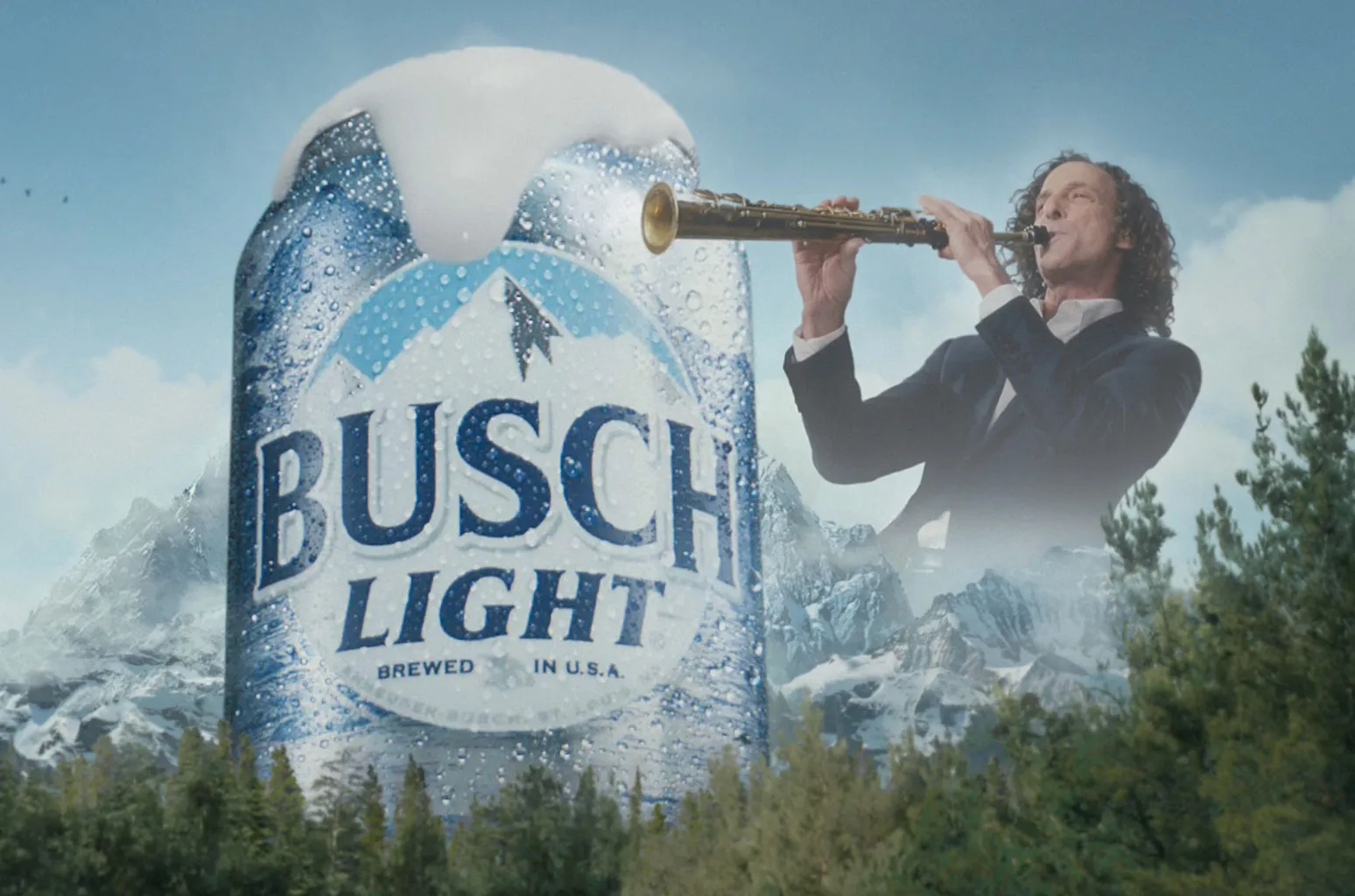
On a bright summer afternoon, over the sizzle of the grill and the laughter around it, there is often a cold golden beer close at hand, unshowy, cool, and clean.
That beer is Busch Beer, a modest lager with decades of history behind it. It comes from wide grain fields and hardworking hands, and it is made for the moment you finally sit back and relax.
IThe Love Story Behind Busch Beer
Behind the beer lies a 19th-century love story. A young Adolphus Busch fell for Lilly Anheuser, and just as hard for the idea of taking her family’s brewery out into the world. Their marriage in 1861 began the story of a powerful brewing empire called Anheuser-Busch.
Love alone could not win a continent; that took a pioneer’s vision, and Adolphus had it. While other brewers still worried about keeping beer fresh, he adopted Pasteur’s pasteurization process (1876) to protect its flavor. While others were stuck with short shipping runs, he sent refrigerated railcars rolling across America, carrying the beer to its farthest corners. Anheuser-Busch was no longer a local brewery but the first national name in American beer, with its sights set on the wider world.
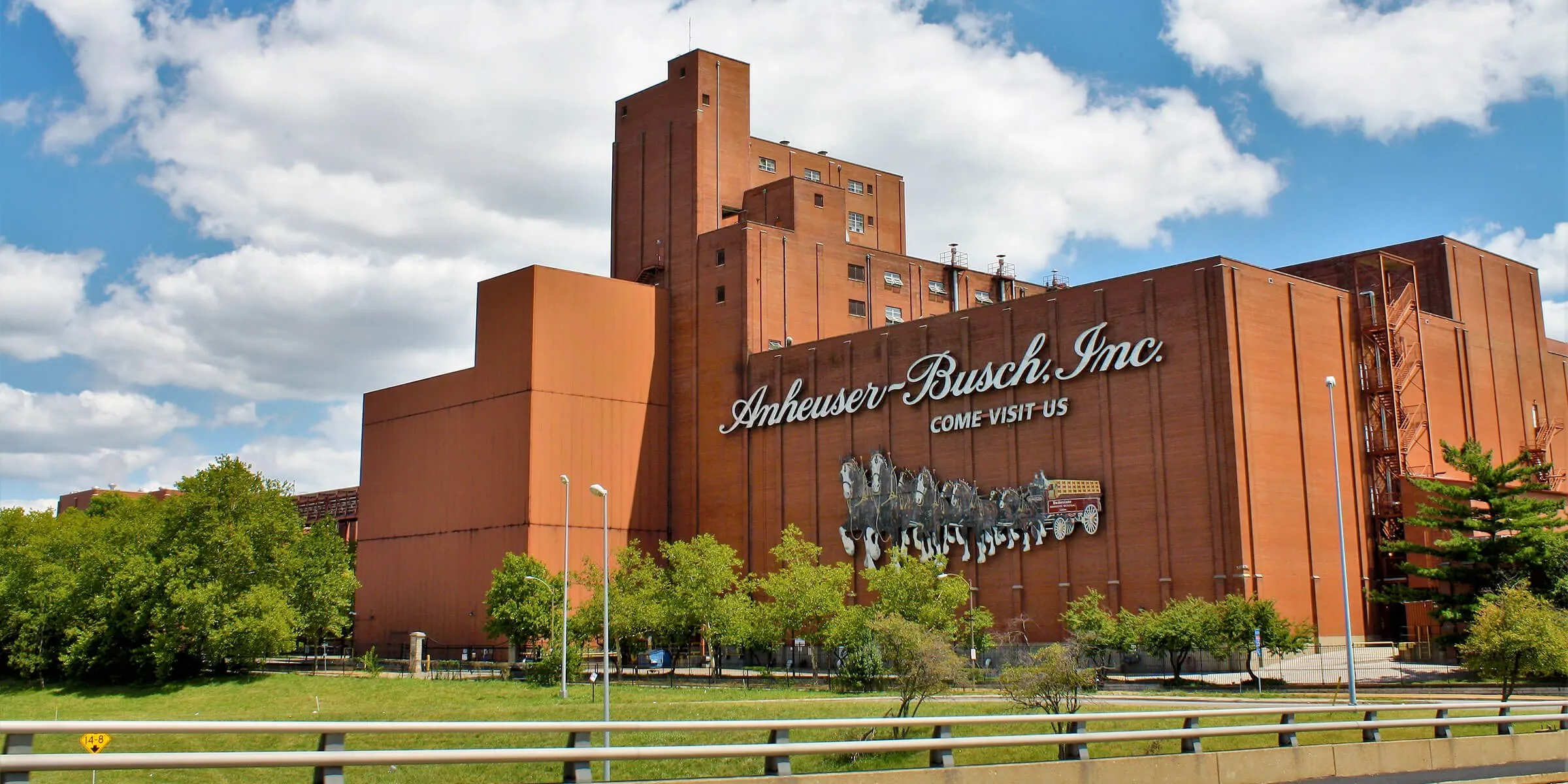
Then, in 1955, came another beer built on that same spirit: Busch Beer, named in tribute to the Busch family, by then a famous brewing dynasty. The name evokes the outdoors (in German, “Busch” literally means a thicket or small wood) along with grit and steady hard work.
At first it was sold as “Busch Bavarian Beer,” an appealing name that signaled faith in pure German brewing tradition. Its purpose was more down to earth: to bring some enjoyment to the working people who were building America. It was an everyman’s beer with a certain pride, approachable but carefully made, and it was designed to hold its own against the rival brands of the day.
In the late 1970s, with its taste by then part of American culture, the beer traded its old name for something plainer and stronger: Busch Beer. The new name was short, memorable, and quick to become part of life’s good moments.
IIBusch Beer in the Glass
If every beer were a piece of music, Busch Beer would be a soft ballad, easy to listen to and easy to like, winning people over with its plainness. It belongs to the American Adjunct Lager style, a distinctly American kind of beer: unpretentious, honest, and very refreshing.
In the glass it is a pale straw color, soft and warm rather than glaring, and so clear you can see straight through it. A single look promises something cool and light.

Sip by sip, its pure character comes through. At just 4.3% ABV, it won’t leave you light-headed, even over a long afternoon of fun. Bitterness is barely there (around 10–12 IBU), which puts to rest any worry about harshness.
On the lips it feels light and appealing. The body is very thin, almost weightless, and lively bubbles burst across the tongue with a crisp, cooling lift. It takes the edge off the thirst of a sweltering summer day.
The leading flavor is a gentle sweetness from the grain: corn, rice, and malt. The hops barely touch the palate and leave no bitter aftertaste, only a dry, clean finish that invites another sip to keep that pure taste on the lips.
This is not a complex beer to puzzle over; it offers a simple pleasure, easy to love.
IIIHow to Serve Busch Beer
A glass of Busch Beer can be a small, uncomplicated ritual, a way to set the day’s clutter aside and wake up the senses.
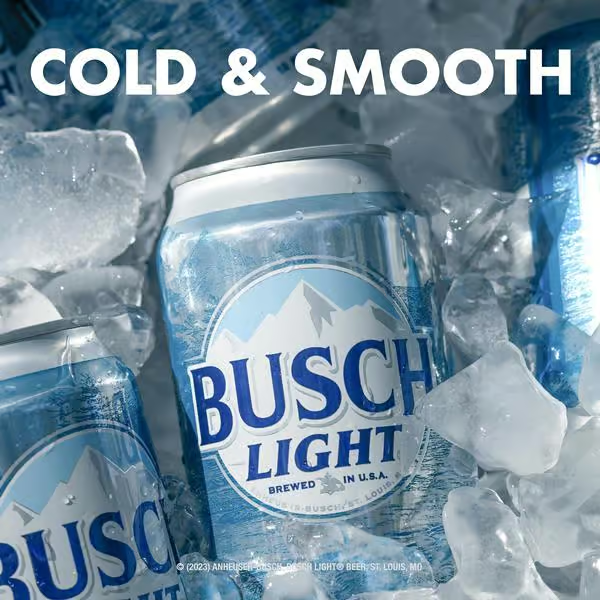
Keep it very cold. It is most refreshing at around 3–5 °C (37–41 °F), when condensation fogs the glass or the can. At that temperature the beer tastes as clear and clean as it looks.
Glassware matters too. A tall, slender pilsner glass is the natural choice, cradling a creamy white head and slowly releasing the soft grain aroma. For a more traditional touch, a pokal adds a sense of occasion and nods to old brewing customs. And sometimes the heft of a full pint glass, or the bite of drinking straight from a cold can, has a plain appeal that is hard to resist.
Busch is made for company. It is there for the laughter on camping trips by a creek, the cheering at a heated game, and the end of a long, hardworking day. Above all, it brings like-minded friends together at relaxed get-togethers, where the stories keep flowing and games like beer pong get livelier.
Busch Beer gets along with a wide range of food. It is at home at a smoky backyard barbecue, where its light, crisp taste carries hot sausages and burgers. It works well with crisp fried snacks such as fries or pretzels, each sip rinsing away the salt. Even a hot pizza or bold dishes from Mexico give it no trouble.

Served this way, Busch Beer sets the pace for the whole meal.
IVFinal Thoughts: A Beer for Sharing
Born of a 19th-century love story, Busch Beer has come to stand for simplicity and purity, a plain, honest, thirst-quenching taste of America with nothing to brood over.
It belongs to backyard barbecues full of laughter, to big wins on game day, and to the quiet end of an ordinary workday, and it wins people over by being gentle and dependable rather than fancy.
Poured ice-cold, its soft grain sweetness spreading and its chill chasing off the day’s worries, Busch Beer remains an honest choice in a world of frills, a beer built around life’s simple pleasures.
Originally published in Vietnamese on Tạp Chí Beer.
More American Adjunct Lager
About this style
American Adjunct Lager
Cass Fresh: A Taste of Korean Culture

American Adjunct Lager
Royal Challenge Indian Premium Lager: Light, Subtle Refreshment

American Adjunct Lager
Kingfisher Ultra: A Light Indian Lager with a Long Lineage

American Adjunct Lager
Great Northern: The Soft, Sweet Taste of Australia’s Far North
This beer is in the library of the BeerLens app. Scan the label to identify it, then keep your own tasting notes.