How to Taste Beer, One Small Sip at a Time
How to taste beer properly: look at it, smell it, take a small sip, and notice the finish to get more out of every glass.
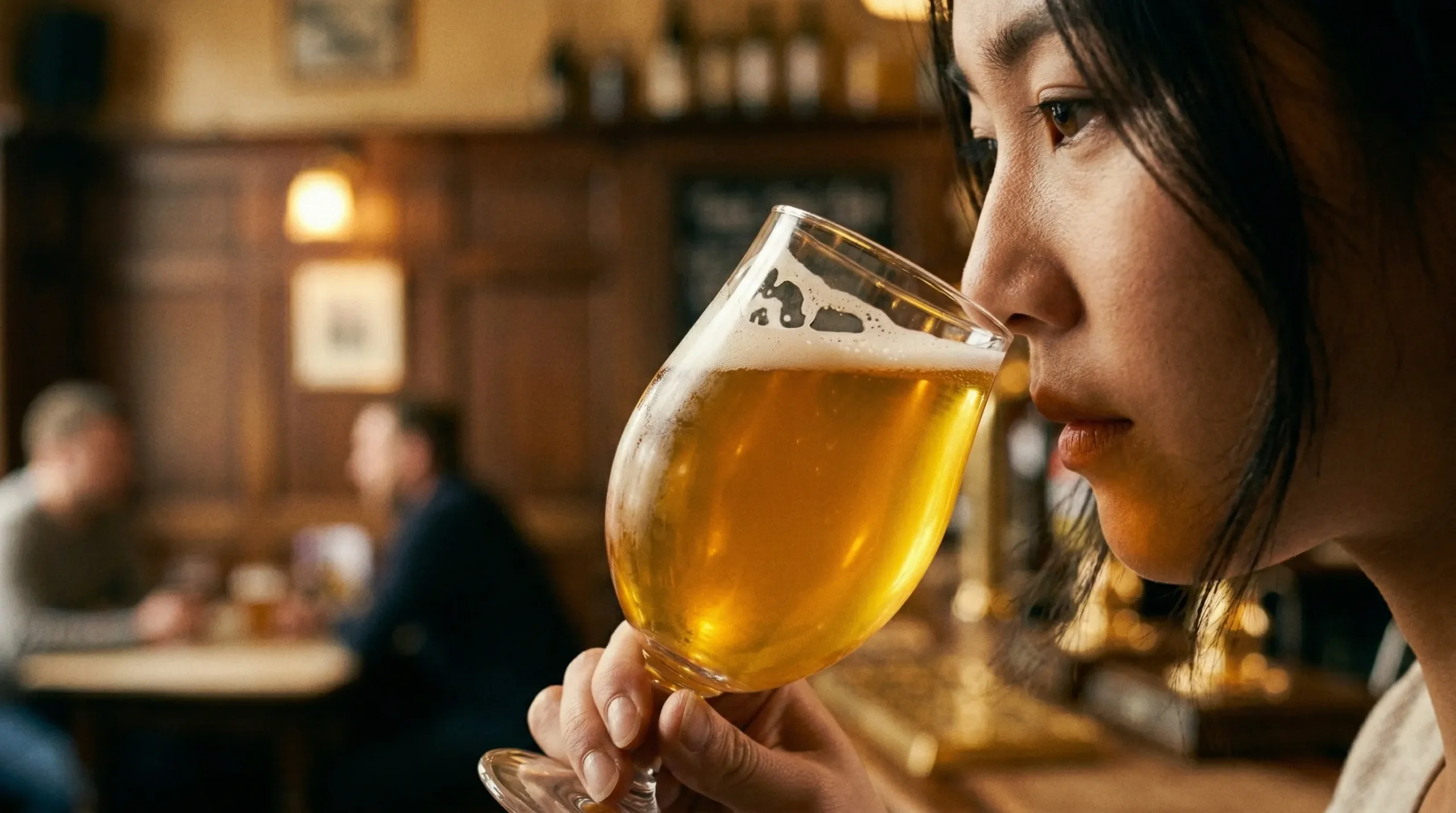
This article is part of our “Savoring Beer” series, which looks at how to taste beer slowly and attentively.
If you’d rather begin with the overview, it’s on the series main page.
IIntroduction: Tasting Versus Drinking
Plenty of people think of beer as nothing more than a thirst-quencher: when you’re thirsty, you open a cold bottle and take a few quick gulps. That is perfectly normal.
Once you start paying attention to flavor, though, you find that tasting beer is very different from drinking it.
Tasting isn’t about drinking a lot.
It’s about taking the time to notice each small detail in the glass in front of you.
Every glass has its own color, its own aroma, and its own structure of flavor. Slow down, and you begin to notice things you may never have registered before.
That is when drinking beer starts to get interesting.
IIStep 1: Look at the Beer
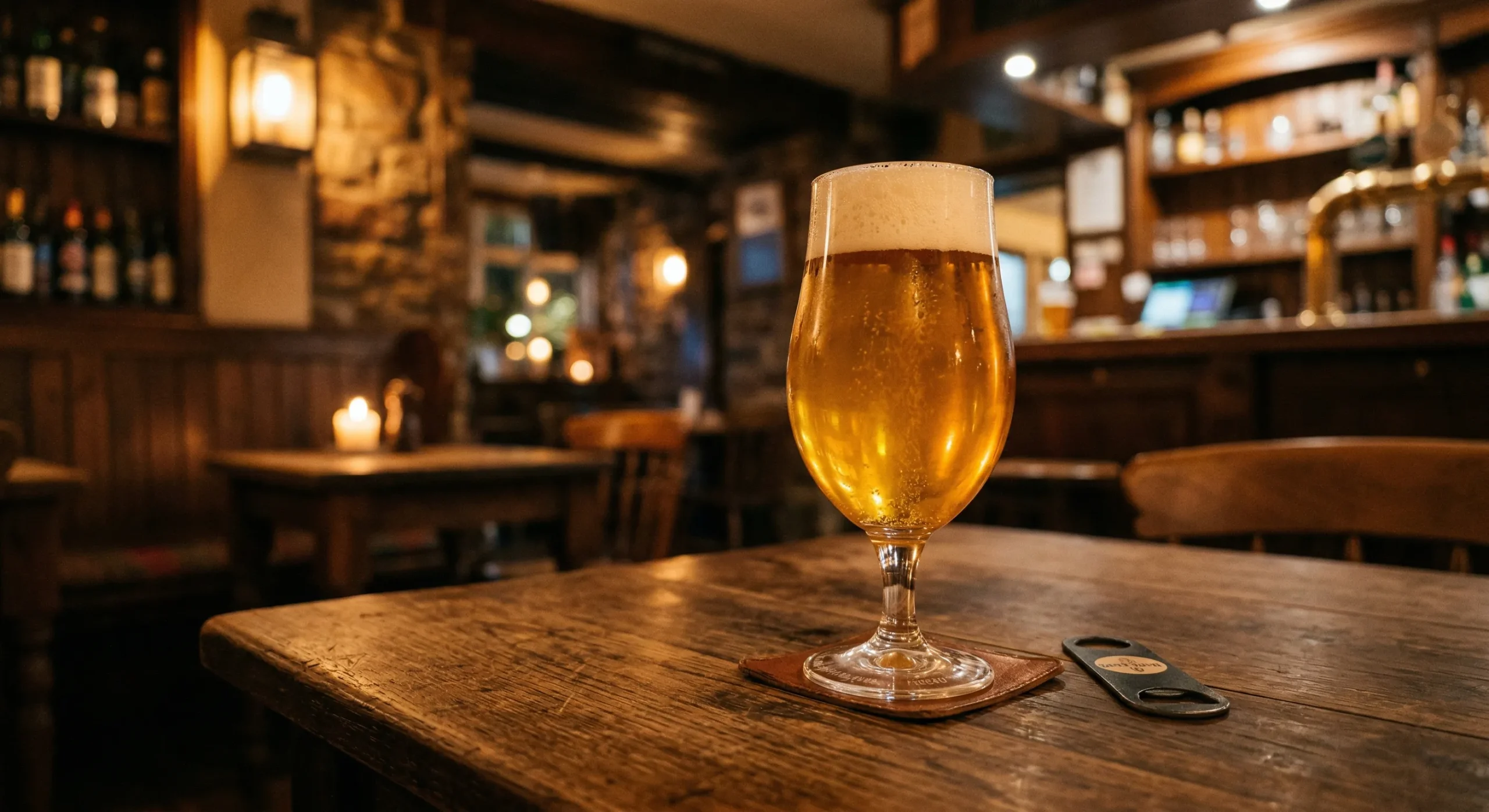
The first step is simple: look at the glass.
Light passing through the beer brings out different shades. Some beers are a bright, sunlit gold, some a warm amber, and some a dark brown close to coffee.
A beer’s color usually reflects how its malt was roasted. Lightly kilned malt makes a pale beer; malt roasted darker gives a darker beer with bolder flavor.
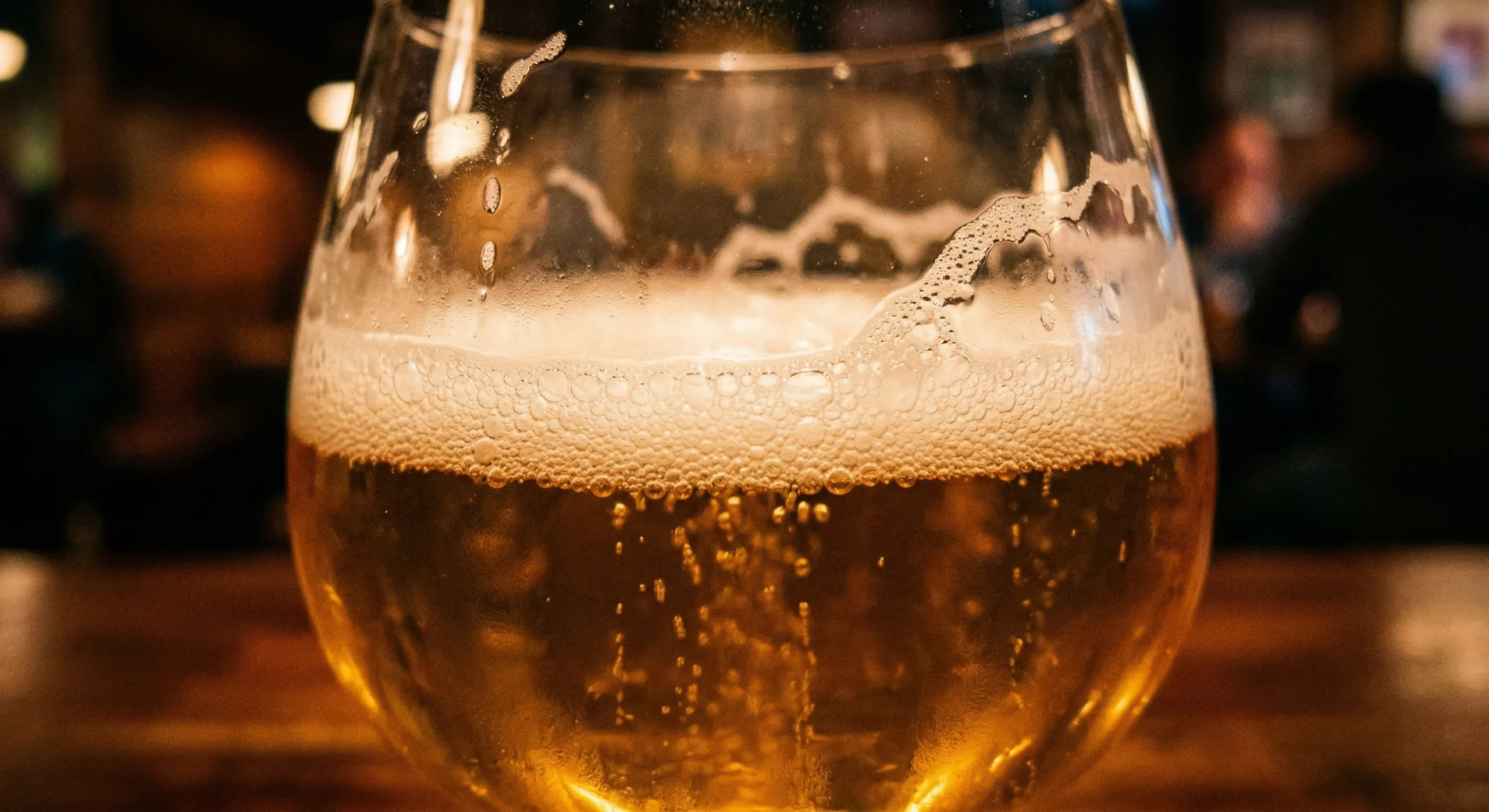
Look at the head as well. A fine, dense head usually means the beer was poured properly and is well built.
A few seconds of looking, and you have already begun to taste.
IIIStep 2: Smell the Beer
Next, bring the glass to your nose and breathe in gently.
Beer aroma comes mainly from three sources: malt, hops, and yeast.
Malt can give notes of toast, caramel, or a soft sweetness. Hops can smell floral, citrusy, or herbal. Yeast sometimes adds light fruit aromas.
Many first-timers are struck by how much aroma a beer can carry.

IVStep 3: Take a Small Sip
After smelling the beer, take a small sip.
Don’t rush it. Let the beer rest on the tip of your tongue for a few seconds before swallowing.
Now the layers of flavor start to show. The light sweetness of malt usually comes first, then the bitterness of hops, and sometimes a subtle note of fruit or spice.
Tasting this way for the first time, many people find beer more complex than they had assumed.
VNotice the Finish
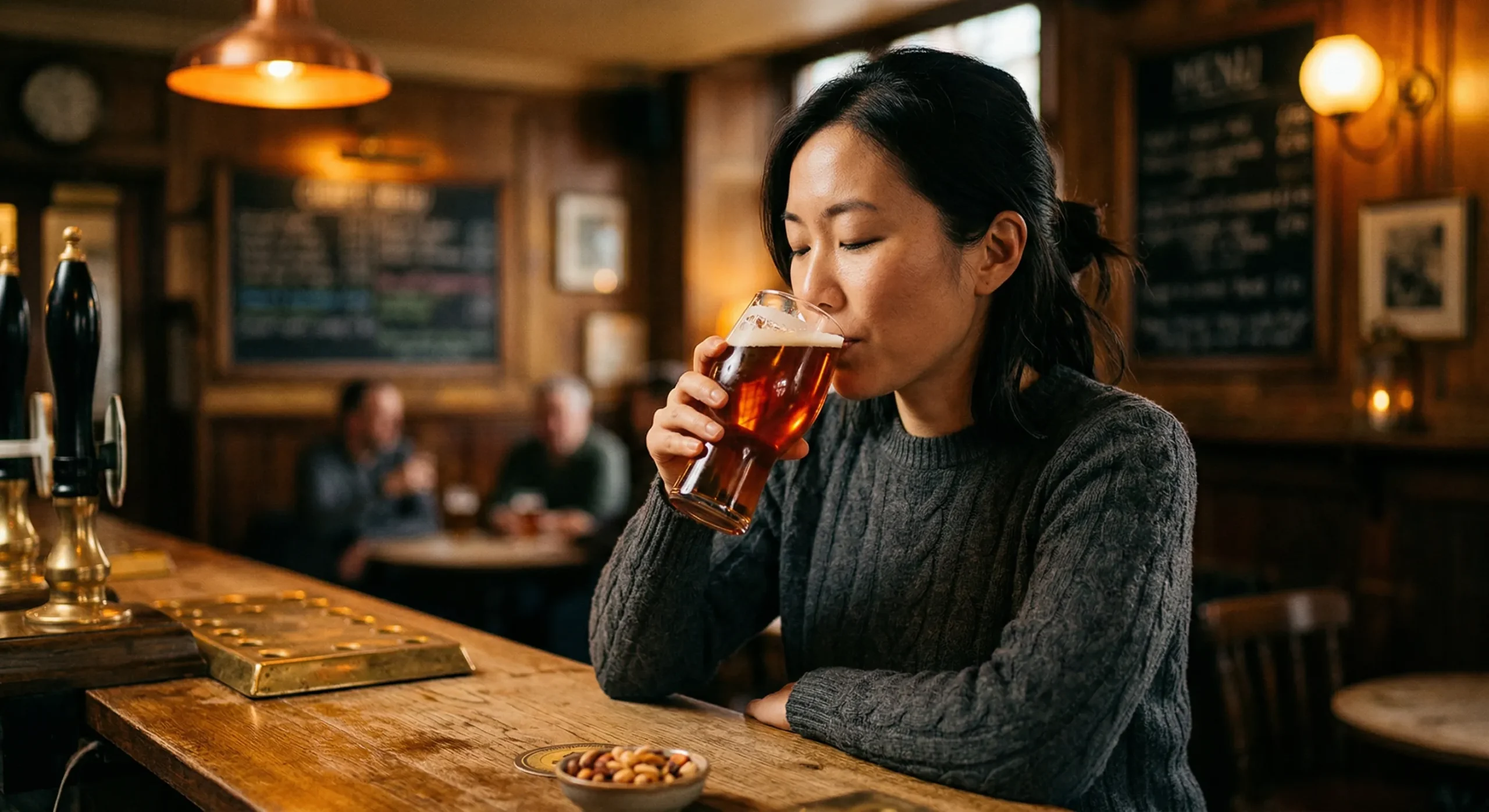
After you swallow, don’t reach for the next sip right away.
Pay attention to what stays in your mouth. That is the beer’s finish.
Some beers leave a light bitterness. Others finish softly sweet or slightly dry. The finish can last a few seconds or longer.
The finish is often what keeps a beer in a drinker’s memory.
VITry It Yourself
Next time you have a beer, try this:
- Look at its color for a few seconds
- Smell it before you drink
- Take a small sip
- Notice the finish that stays in your mouth
A beer you thought you knew may surprise you.
VIIConclusion
Tasting beer is not a complicated ritual.
All it takes is drinking a little more slowly.
Look.
Smell.
Take a small sip.
Notice the finish.
Sometimes those simple steps are enough to make an ordinary glass memorable.
To go deeper, keep reading the Savoring Beer series, which runs from tasting beer and choosing a glass to pairing it with food. It all begins with one simple habit: slow down, and you taste more.
Originally published in Vietnamese on Tạp Chí Beer.