Dublin Water: The Source Behind Irish Dry Stout
Dublin’s water and its distinctive mineral profile laid the foundation for Irish Dry Stout and for 250 years of Irish brewing heritage.

There is something odd about Dublin. The city has never been known for crystal-clear water or pure, sweet springs. Yet that “difficult” water gave the world one of its great beer styles: Irish Dry Stout.
Dublin’s water makes the case for terroir in beer: there is no good or bad water, only water that suits a style. The city’s brewers did not try to change theirs. They listened to it, understood it, and created a style that fits its particular mineral profile.
IGeography and History
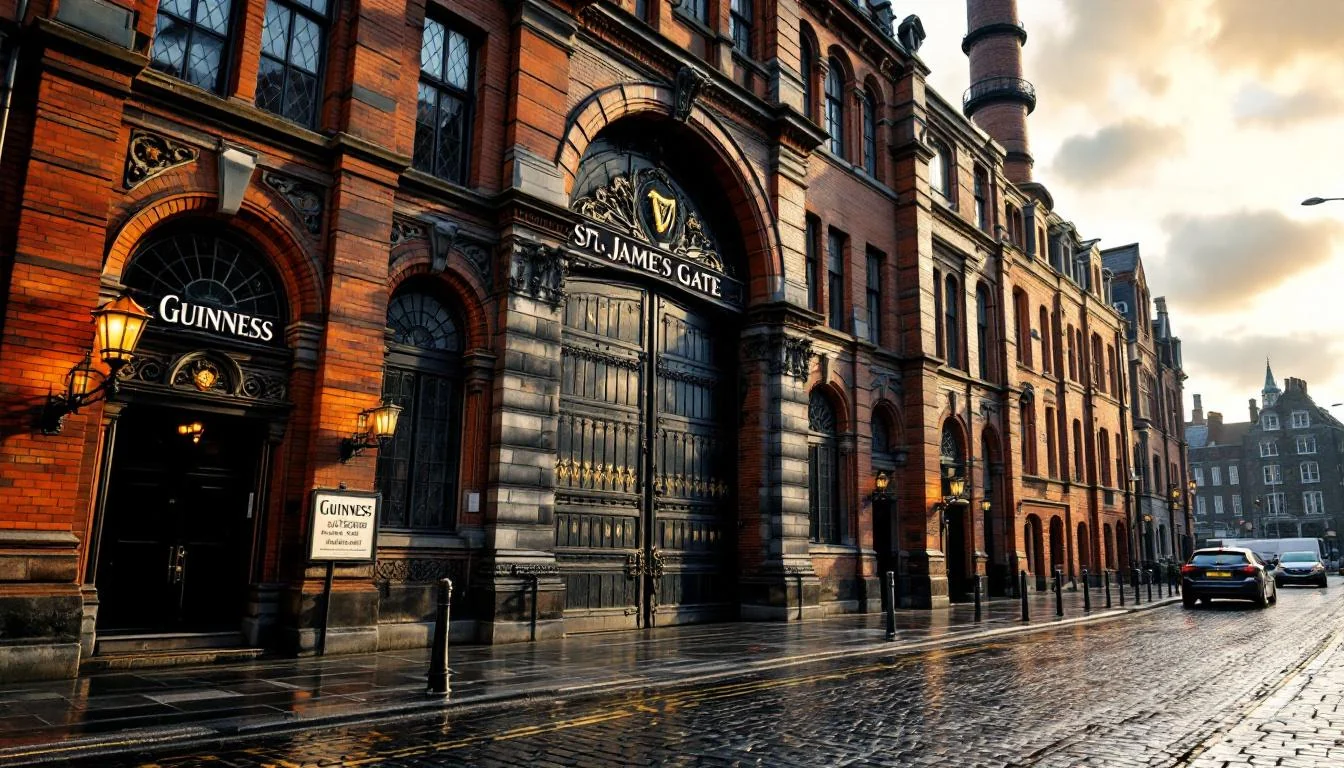
Dublin sits on the River Liffey, which runs east from the Wicklow Mountains to the Irish Sea. The name comes from the Gaelic Dubh Linn, “black pool,” almost an omen of the color of the beer that would make the city famous around the world.
The city’s water comes mainly from two places: the Liffey and the Poulaphouca Reservoir, deep in the Wicklow Mountains. It moves through ancient rock and picks up minerals in its own way. Unlike the sulfate-rich water of Burton-on-Trent, Dublin water has a more neutral mineral profile, with one important exception: high bicarbonate.
Brewing in Dublin dates back to the Middle Ages, when monasteries were the first breweries. By the 18th century the city had more than 50 working breweries. The real turning point came in 1759, when Arthur Guinness signed a 9,000-year lease on the St. James’s Gate brewery at £45 a year.
That decision changed one family’s fortunes and, in time, reshaped the map of world brewing.
Arthur Guinness began by brewing ale in the traditional manner, but he soon saw the potential of porter, the dark beer then in fashion in London. He didn’t simply copy it. He adapted porter to Dublin’s water and made a drier, more bitter, sharper version, and Irish Dry Stout grew out of that adaptation.
Through the 19th century, Dublin became one of the largest brewing centers in the British Empire. In 1886 Guinness became the largest brewery in the world, shipping stout to every corner of the empire, from India to Africa and from the Caribbean to Australia.
IIThe Mineral Profile
Dublin water has a distinctive mineral profile, entirely unlike the other famous brewing waters.
Calcium runs about 120–130 mg/L, moderate next to Burton but enough to support a sound mash and a healthy fermentation. Magnesium is low, around 4–5 mg/L; it acts as an enzyme cofactor but does little for flavor.
Sulfate marks the clearest difference. At only about 50–55 mg/L, it is far lower than in Burton-on-Trent, so Dublin beer lacks the crisp, dry edge of a Burton IPA. The flavor is softer and rounder instead.
Chloride sits around 19 mg/L, just enough to add fullness on the palate without making the beer sweet. A sulfate-to-chloride ratio of nearly 3:1 tips the balance slightly toward dry.
Bicarbonate is the key, at a high 300–320 mg/L, and it is what defines Dublin’s beer. High bicarbonate can be a problem for pale beers because it raises mash pH and draws harsh tannins from the grain. With dark, acidic roasted malts, though, it becomes an advantage: it neutralizes the acidity of the dark malt and settles the mash at the right pH with no intervention.
IIIHow the Water Shapes the Beer
Dublin’s water affects the beer in ways that are subtle but decisive.
High bicarbonate demands dark roasted malt. That is basic chemistry, not an aesthetic choice. Roasted malts contain melanoidin acids, acetic acid, and other acidic compounds formed during Maillard reactions. Those acids neutralize the bicarbonate and bring the mash pH into the ideal 5.2–5.4 range. The result: enzymes work efficiently, sugar extraction is good, and there is no tannic astringency.
Low sulfate means the hops are not “amplified” the way they are in Burton water. Dublin beer has no sharp, tongue-cutting bitterness. Instead, the bitterness folds into the body, giving Irish stout its typical balance of bitter and sweet.
Moderate chloride helps create the creamy mouthfeel that marks an Irish dry stout: not as full as a Scottish Ale, not as dry as an English Pale Ale. That balance is the signature of Dublin water.
Calcium is high enough to ensure a healthy fermentation. Yeast needs calcium for its cell membranes and internal enzymes, and at 120–130 mg/L, Dublin water provides enough without a harsh mineral taste.
One less discussed effect: high bicarbonate also influences fermentation. It leads the yeast to produce fewer esters, for a cleaner fermentation profile, so dry stout shows clear malt and hop flavors that fruity esters don’t mask.
Together, these factors produce a style that no other place can copy exactly. Stout can be brewed anywhere, but recreating the character of a Dublin stout means adjusting your water to this precise mineral profile.
IVStyles Shaped by Dublin Water
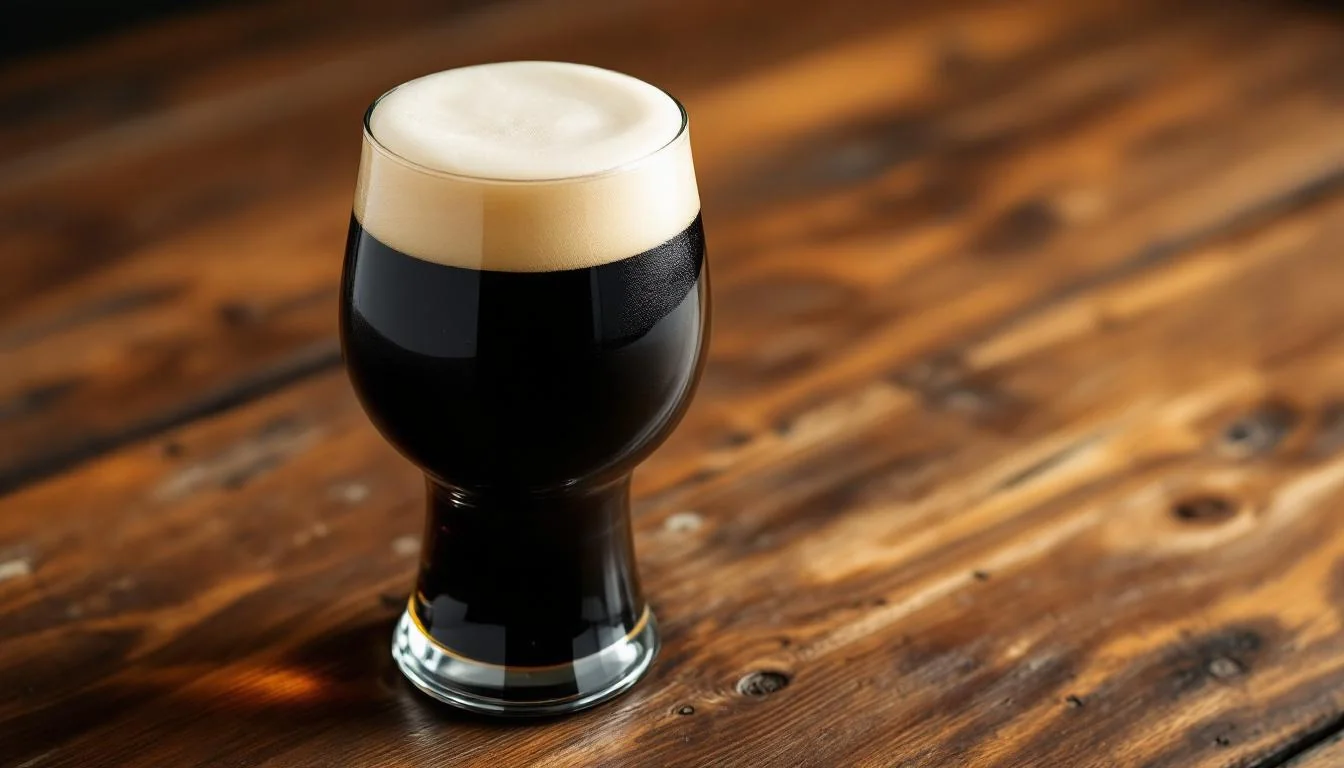
Irish Dry Stout is the style Dublin is known for: coal black, with a dense, cream-white head and a light to medium body that still feels creamy. The defining flavors are roasted coffee, bitter chocolate, and a touch of scorched roasted barley. The finish is dry and clean, with moderate bitterness.
It is also fairly low in alcohol, usually just 4–4.5% ABV: an all-day beer, a factory worker’s beer, a beer for a quick lunch. Dublin water makes it possible to brew something dark and full of flavor that stays light and easy to drink.
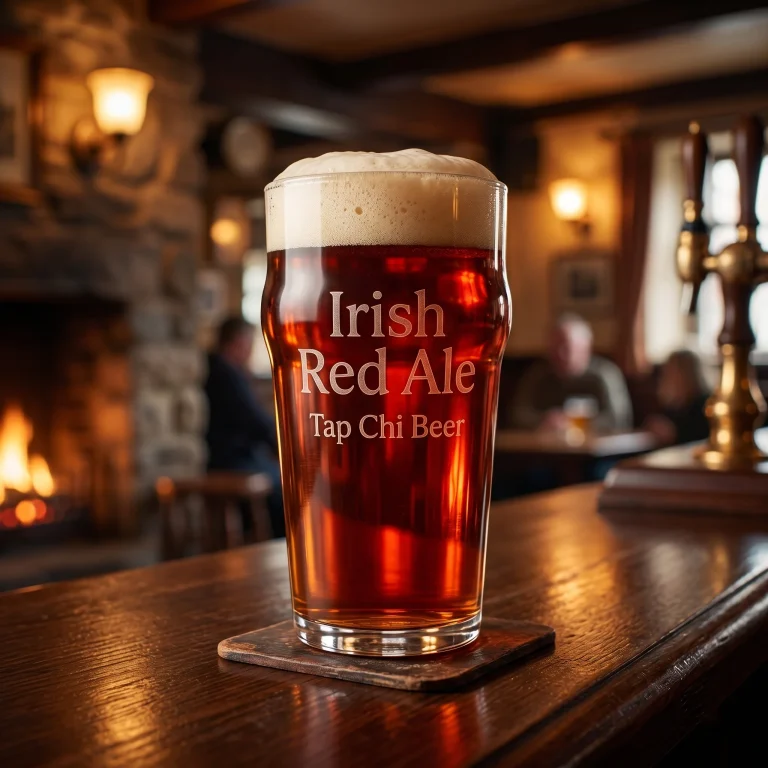
Irish Red Ale is the second style tied to Dublin: reddish amber to red copper, medium-bodied, with gentle caramel and toffee. It shows another side of the water. With less roasted malt in the recipe, the high bicarbonate gives a slightly sweet, rounded flavor.
Foreign Extra Stout, Guinness’s export version, is stronger (7–8% ABV) and richer, built to survive long sea voyages. It began as a practical answer to shipping and grew into a style of its own, Foreign / Export Stout, popular above all in Africa and the Caribbean.
Irish porter is closely tied to stout. In fact, “stout porter” originally meant simply a stronger porter. Over time, Irish stout developed its own character: drier, made with roasted barley rather than brown malt alone, and with a sharper roast profile than English Porter.
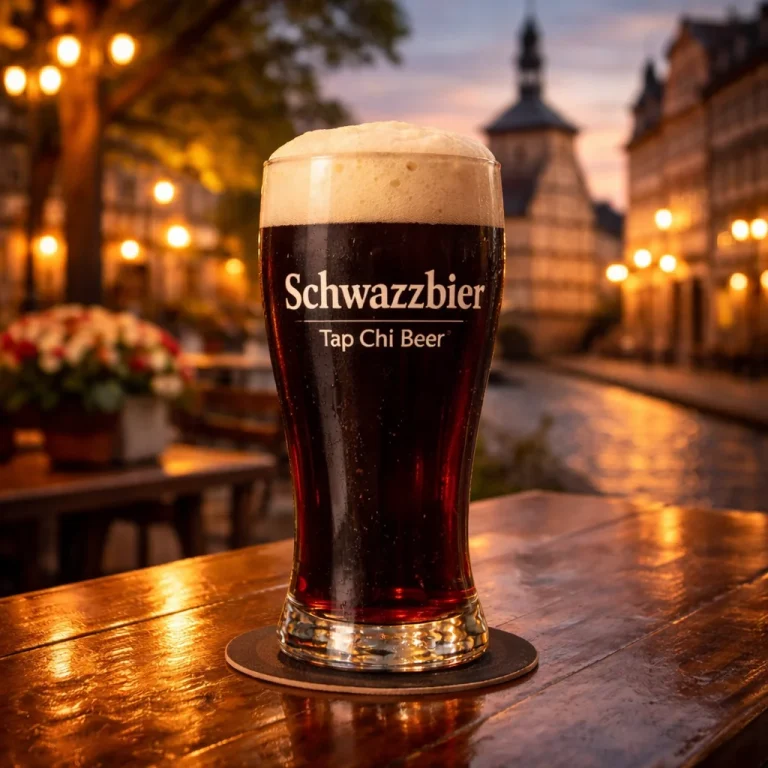
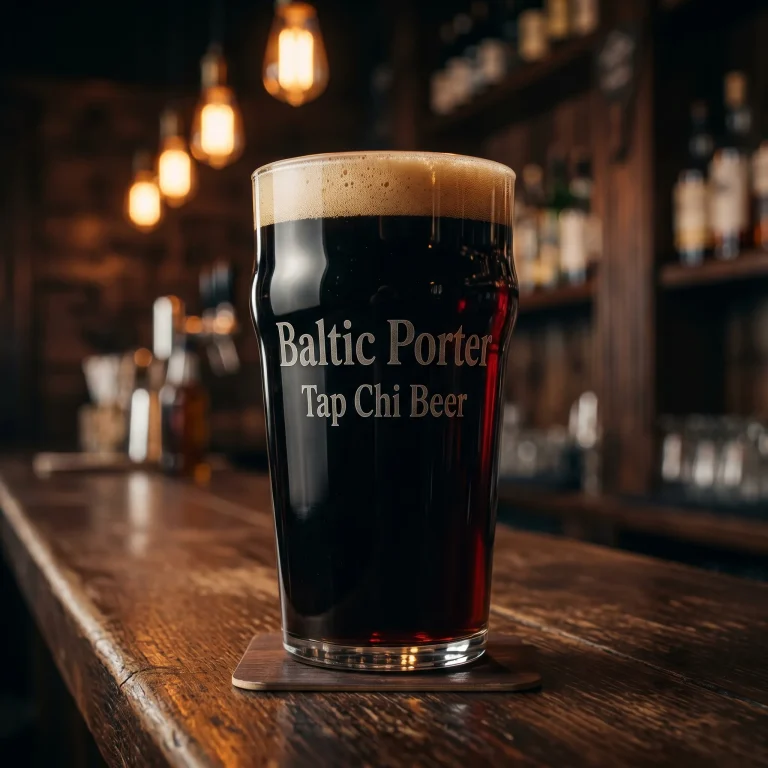
Dublin water also suits other dark styles such as Schwarzbier or Baltic Porter. Any style that uses a significant share of roasted malt benefits from its high bicarbonate.
VNotable Breweries
Any list starts with Guinness. St. James’s Gate Brewery has operated continuously since 1759, making it one of the oldest working breweries in the world. Its three main beers, Guinness Draught, Guinness Extra Stout, and Guinness Foreign Extra Stout, each serve a different market and purpose.
Guinness has never had the field to itself, though. Beamish and Murphy’s, though based in Cork, have competed with it for centuries, each with a stout of its own character, and the rivalry has pushed all three brands to keep improving.
The craft era brought a revival of small breweries to Dublin. Porterhouse Brewing Company, founded in 1996, was one of the pioneers. It brews many styles, but stout remains its backbone: Plain Porter, Oyster Stout, and XXXX Stout.
Rascals Brewing, Whiplash Beer, and Hope Beer are newer names that bring the energy of modern craft brewing to Dublin’s beer tradition. They experiment with many styles, but their roots remain the city’s water and brewing heritage.
VILessons for Today’s Craft Brewers
Dublin’s central lesson: don’t fight your water; work with it.
If your water is high in bicarbonate, don’t rush to acidify or dilute it. Consider brewing stout, porter, or other dark styles, and let the chemistry do the work.
Today’s craft brewers can build water to any profile: gypsum to raise sulfate, calcium chloride to raise chloride, lactic acid to lower pH. Before adjusting anything, though, get to know your water. It may already suit a style you haven’t tried.
The sulfate-to-chloride ratio is a useful tool for shaping how hops and malt come across. Dublin is a reminder that bicarbonate, often cast as the villain, plays an important role alongside the right ingredients.
Finally, Dublin shows what patience and observation can achieve. Arthur Guinness did not invent stout overnight; he watched, adapted, and refined over decades. Beer terroir is the minerals plus the knowledge built up over generations.
Every drop of water carries millions of years of geological history, and every glass is a conversation between the brewer and the land. Dublin understood that long before anyone had a pH meter or a spectrometer.
Mentioned in this article
-
Style family
Pale / Blonde Ales -
Style family
Stouts
Originally published in Vietnamese on Tạp Chí Beer.