Drinking Beer Responsibly: The Science of Alcohol and Health
How alcohol affects the body, what BAC means, and why drinking beer slowly and in moderation lets you taste more of it.
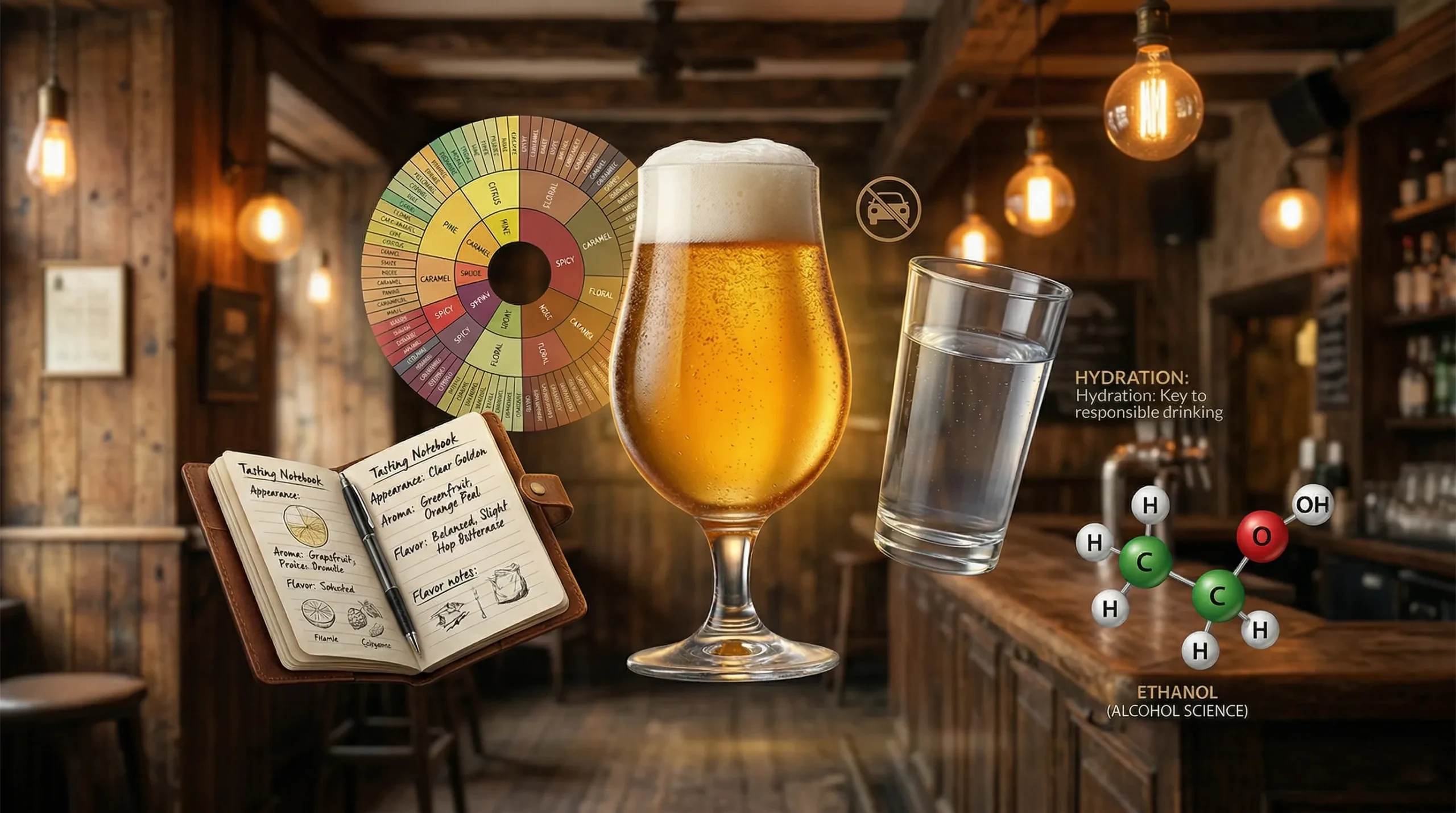
How you drink a beer matters as much as how it tastes. A beer is most enjoyable when you drink it clear-headed and in moderation. Drunk that way, it becomes part of gatherings, meals, and rewarding cultural experiences. Drunk to excess, the same drink can do real harm.
That is why the idea of drinking responsibly comes up so often in long-established beer cultures. It is partly a matter of social courtesy and partly a matter of science: what we know about how the human body processes alcohol.
This article is part of TapChiBeer’s “Savoring Beer” series, which explores how to taste beer slowly and attentively.
If you would rather begin with the general guide, the main page is here.
IHow Alcohol Affects the Body
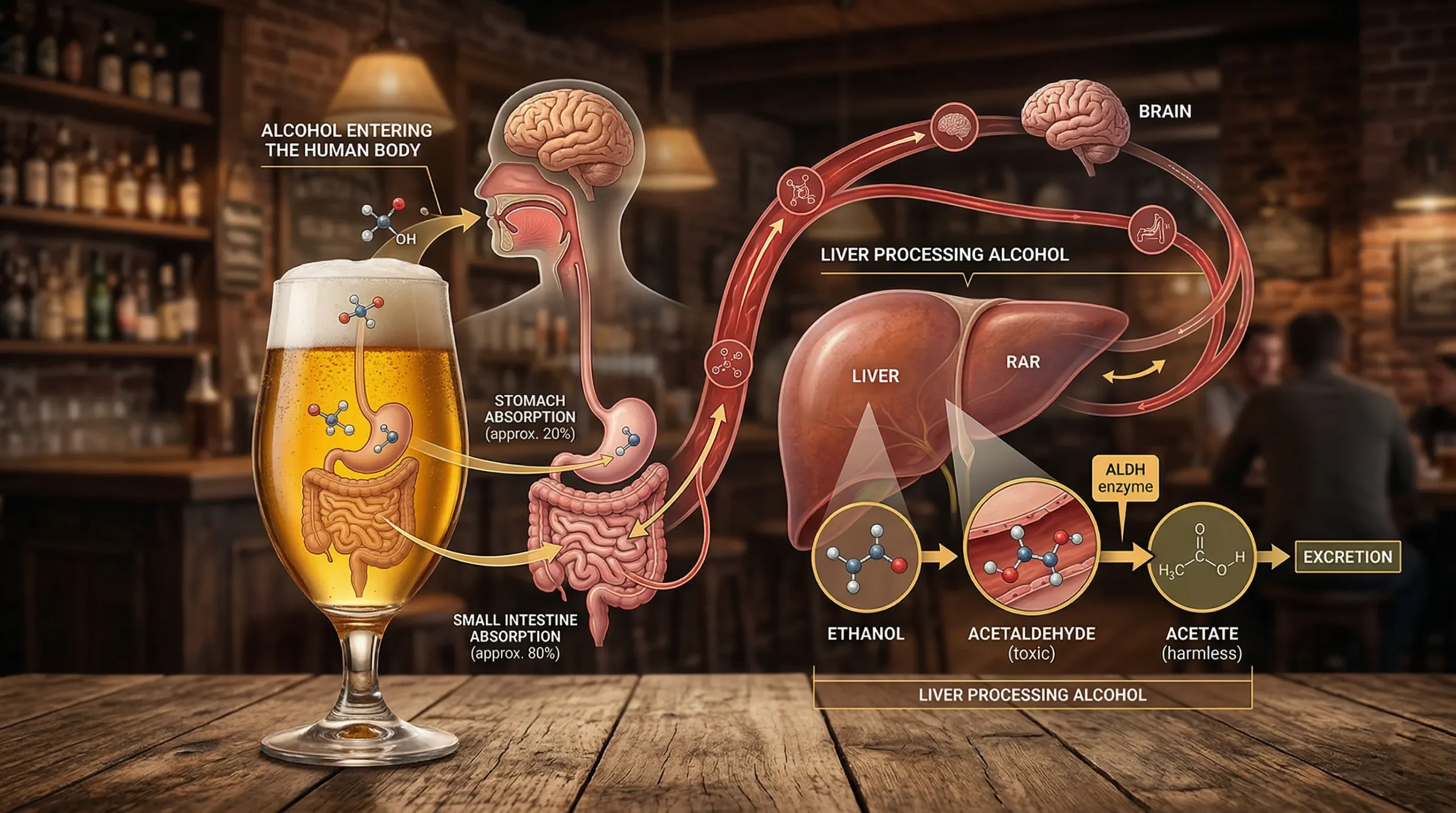
The alcohol in beer is ethanol, a compound that can enter the bloodstream quickly. Once you drink, ethanol is absorbed through the lining of the stomach and small intestine, then passes into the circulation and spreads throughout the body.
The liver does most of the work of breaking alcohol down. On average, the human body can process only about one unit of alcohol per hour, so if you drink faster than the liver can keep up, the alcohol in your blood rises.
Blood alcohol is usually measured as BAC (blood alcohol concentration). As BAC rises, the functions of the central nervous system begin to suffer, including reflexes, judgment, and motor coordination.
That is why even someone who feels sober may react significantly more slowly than usual.
IIKnow Your Limits

Tolerance for alcohol varies from person to person. Body weight, sex, how much food is in the stomach, how fast you drink, and even genetics all shape how the body responds to beer.
After the same amount of beer, for example, a person who weighs 90 kg may have a noticeably lower BAC than one who weighs 60 kg. Drinking on an empty stomach also tends to speed up absorption, so BAC climbs faster.
Health authorities in many countries recommend moderate drinking. Many public health guidelines put that at roughly one to two units of alcohol a day for healthy adults.
For a beer of around 5% ABV, a bottle or a pint usually counts as roughly one unit.
IIIDrinking Slowly Makes Beer Taste Better
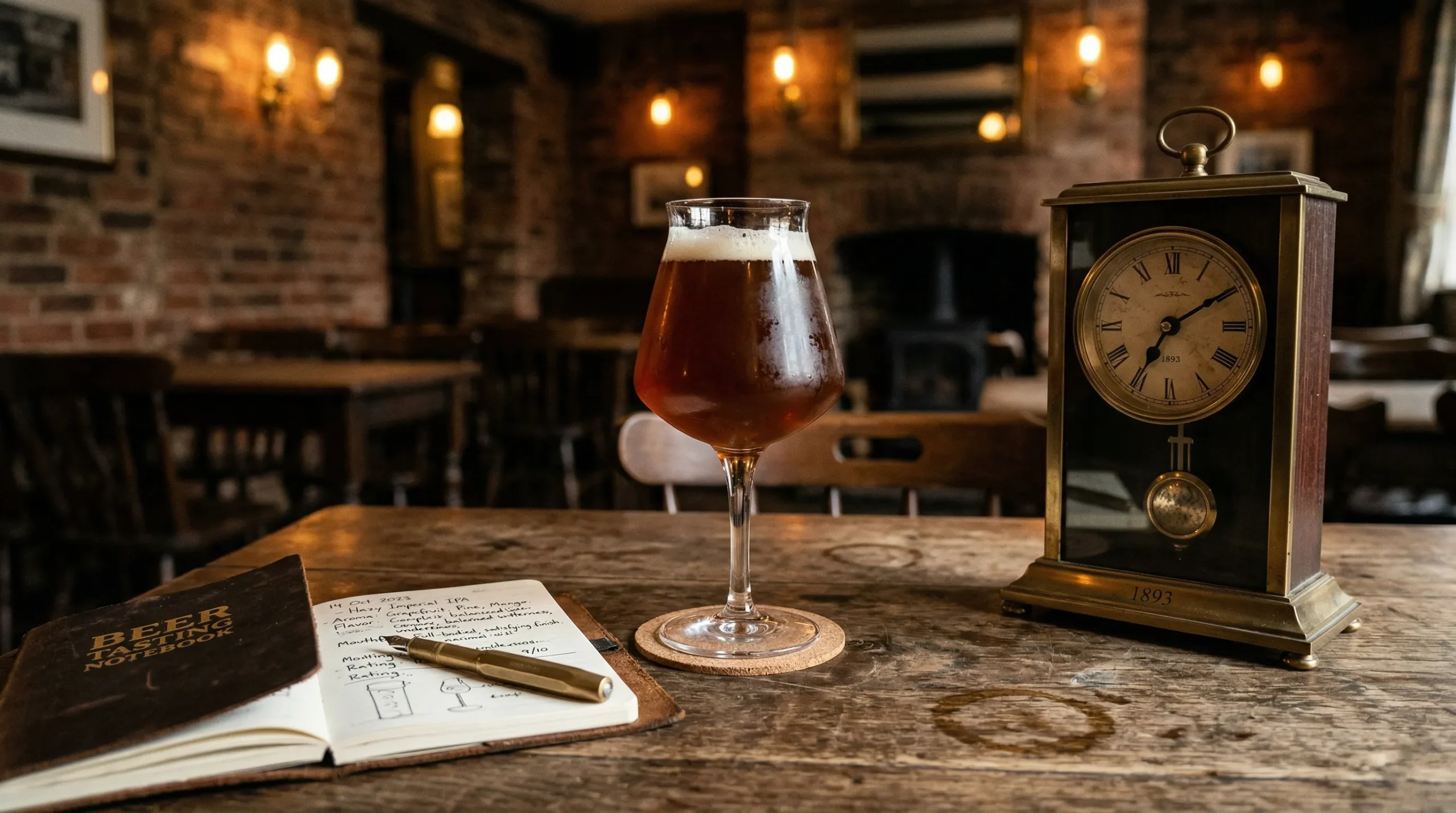
Slowing down has a second benefit beyond absorbing less alcohol: the beer tastes better.
Studies of taste perception show that as blood alcohol rises, taste and smell receptors become less sensitive, and the subtler layers of a beer’s flavor grow harder to pick out.
Drink too fast or too much, in other words, and you actually taste less of the beer.
That is why, in beer culture and at tastings in particular, beer is usually taken in small sips. Tasters pause to smell the aroma, take a sip, and follow the finish before drinking again.
Drinking slowly gives the brain time to process flavor signals and helps the body keep its alcohol intake under control.
IVDon’t Drive After Drinking
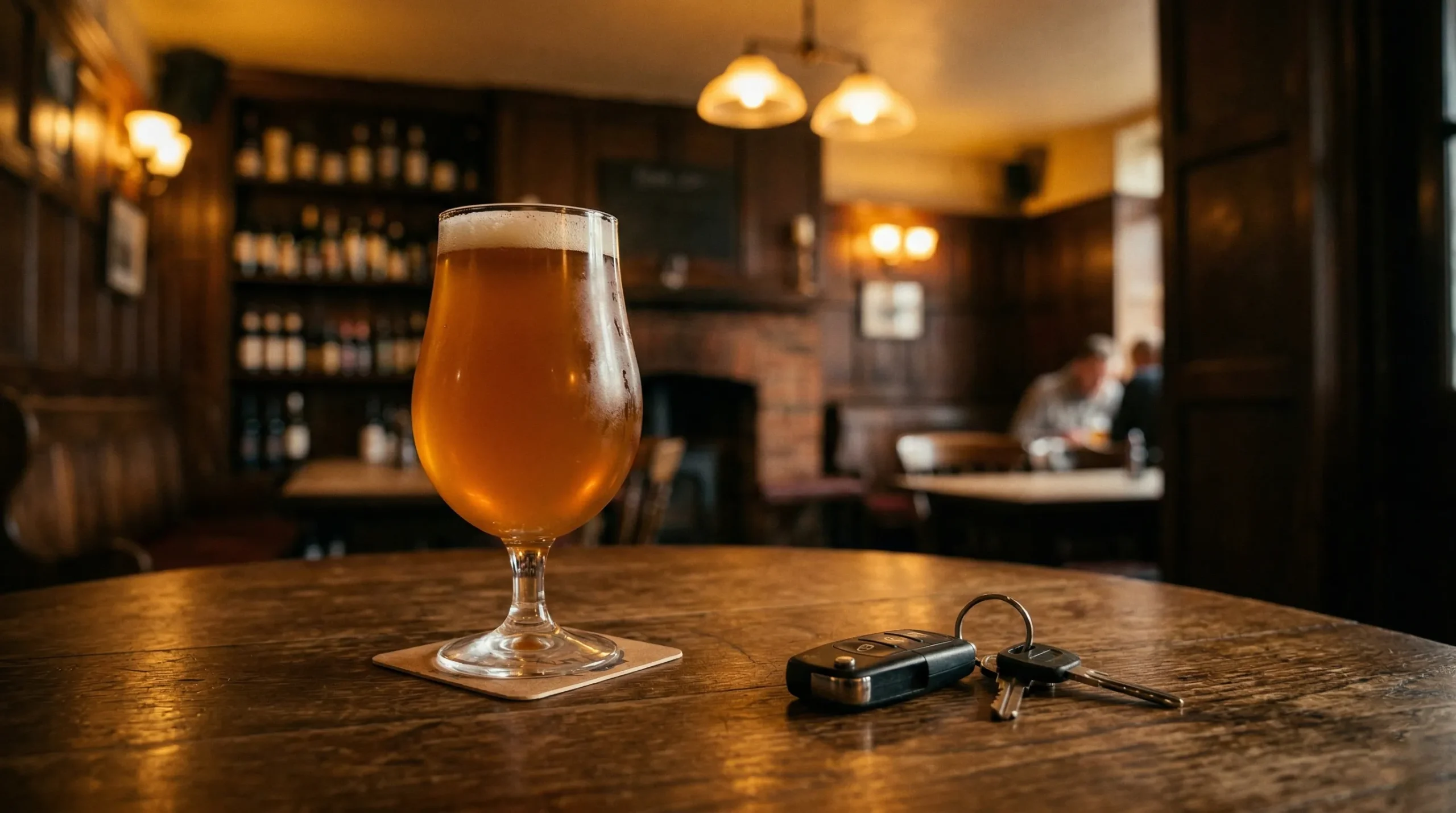
One of the most important rules of responsible drinking is not to drive after drinking alcohol.
Road-safety research shows that alcohol impairs reflexes, concentration, and the ability to judge distance. Even at a low BAC, the risk of a crash can go up.
Many countries set a legal maximum BAC for drivers. In practice, though, the safest choice is still not to drive at all after drinking.
Taxis, public transit, and ride-hailing apps make that much easier today.
VBeer and Health: What the Research Says
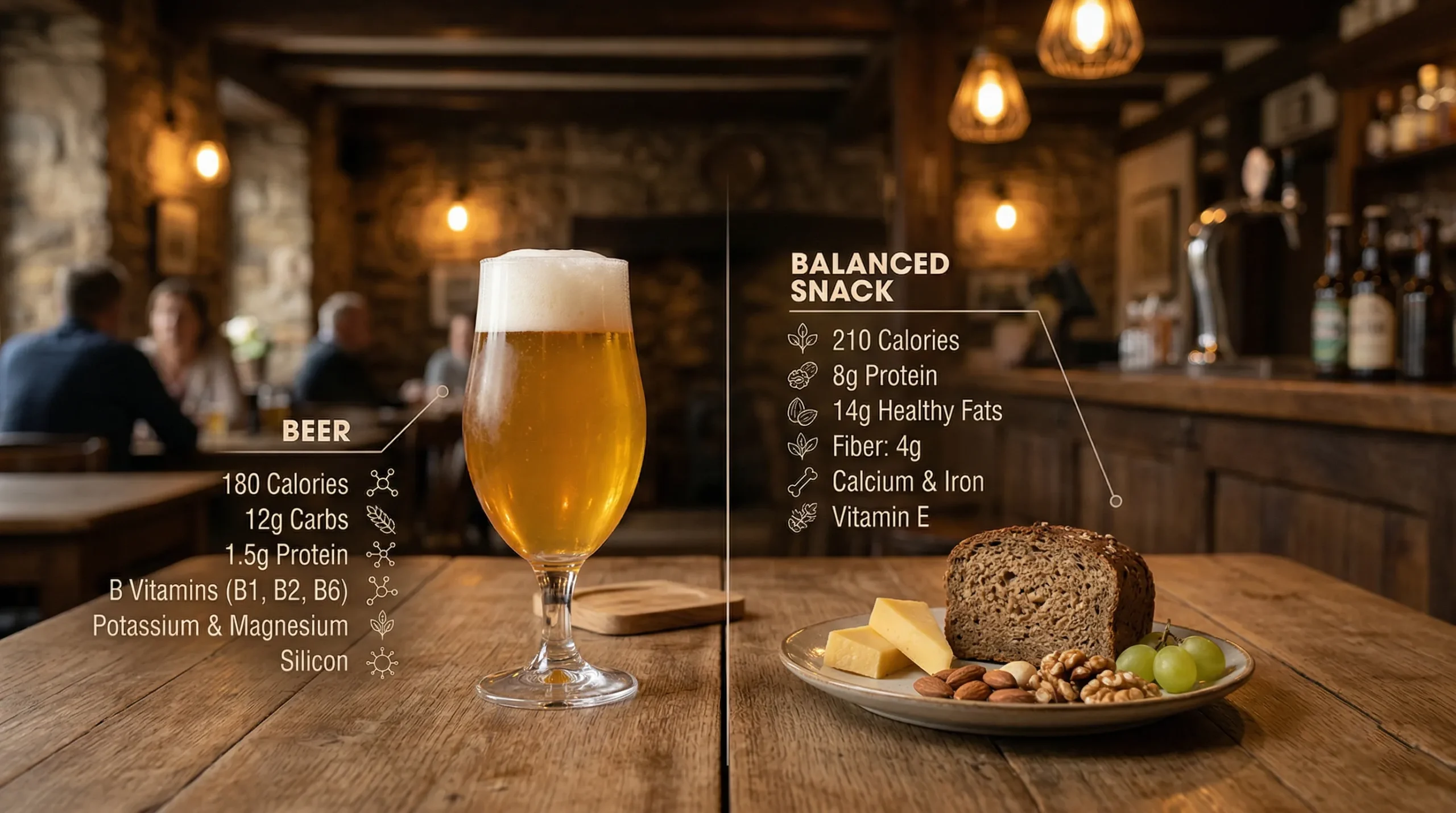
In much nutrition research, beer drunk in moderation is treated as part of an ordinary social diet.
Some observational studies have linked low to moderate drinking with certain cardiovascular benefits. Scientists stress, however, that these benefits are not reason enough for non-drinkers to start drinking.
Beer, in other words, is not a health food. Its value lies in the culture and social life around it, not in drinking as much as possible.
What matters most is balance.
VIBeer and the Culture of Savoring
In many long-established beer cultures, responsible drinking is almost part of the tradition. Beer is drunk with meals, with friends, and in shared community spaces.
People drink to enjoy the moment, not to get drunk quickly. A single glass can last through a conversation, a dinner, or an evening with friends.
That unhurried pace is what makes beer such a social drink. It encourages talk, relaxation, and connection between people.
VIIConclusion
Beer can be a pleasant part of everyday life, of culture, and of time spent together. To keep the experience a good one, drink clear-headed and in moderation.
Know your limits, drink slowly, never drive after drinking, and always put safety first. The rules are simple, and they matter.
Enjoyed responsibly, beer becomes part of the moments worth remembering.
To go deeper, keep reading the Savoring Beer series. From how to taste beer and choose a glass to how to pair it with food, everything starts from one simple idea: slow down to taste more.
Originally published in Vietnamese on Tạp Chí Beer.