Beer Is Culture: How a Glass Carries the Story of a Place
From the festival tables of Germany to the British pub, beer carries the culture and history of the place that makes it, and shapes the way people come together.
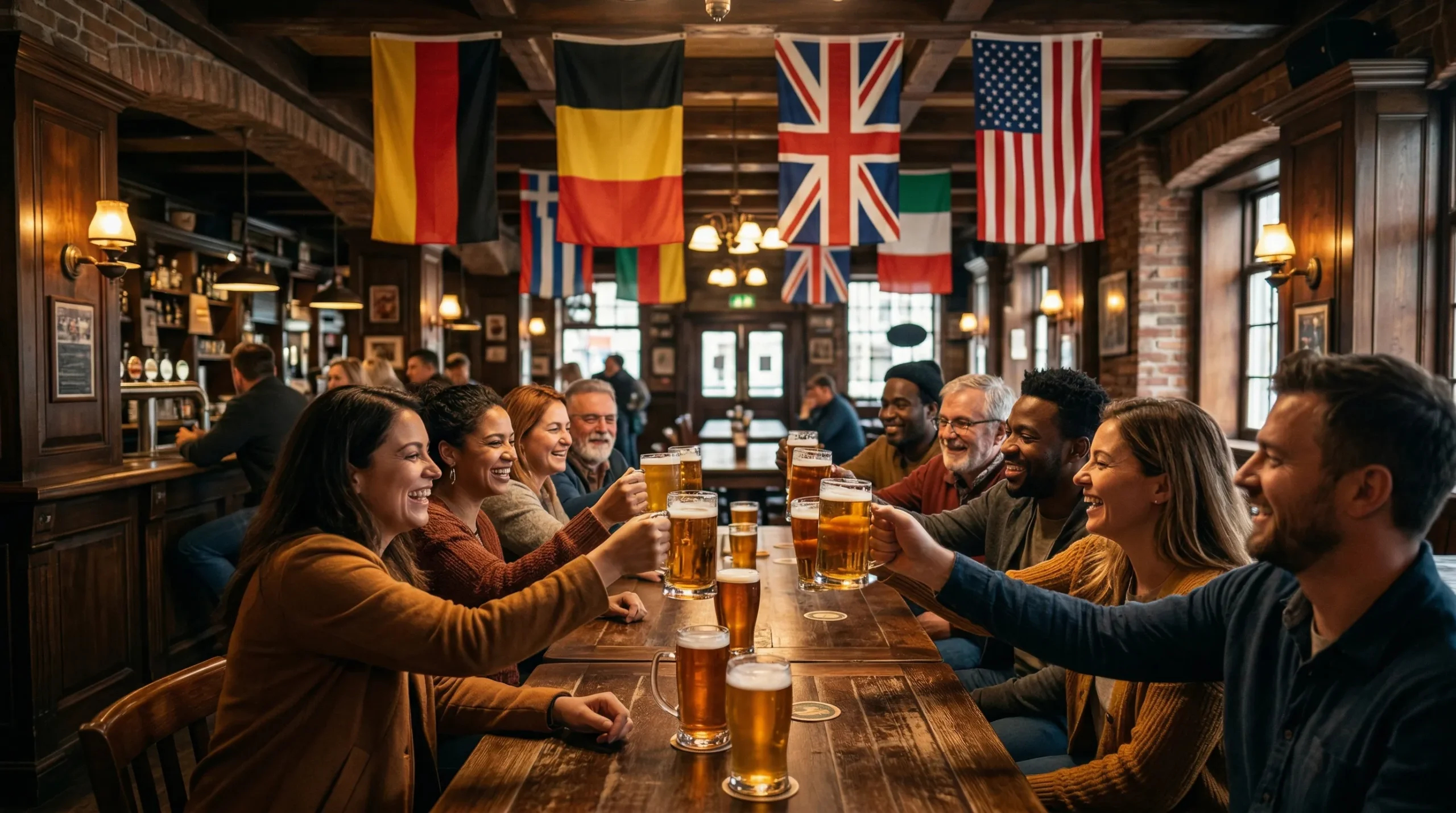
In much of the world, beer is part of ordinary life. It belongs to festivals, to meals, to conversation, and to history.
On the table, a glass of beer looks simple. Behind it, though, there is often a long story about climate and farming, about local ingredients and the way people eat, and about the places people build so they can meet.
So when people say beer is culture, they mean it literally. In many countries beer is part of local identity. It reflects how people live, eat, and celebrate, down to the way they sit together at the end of the day.
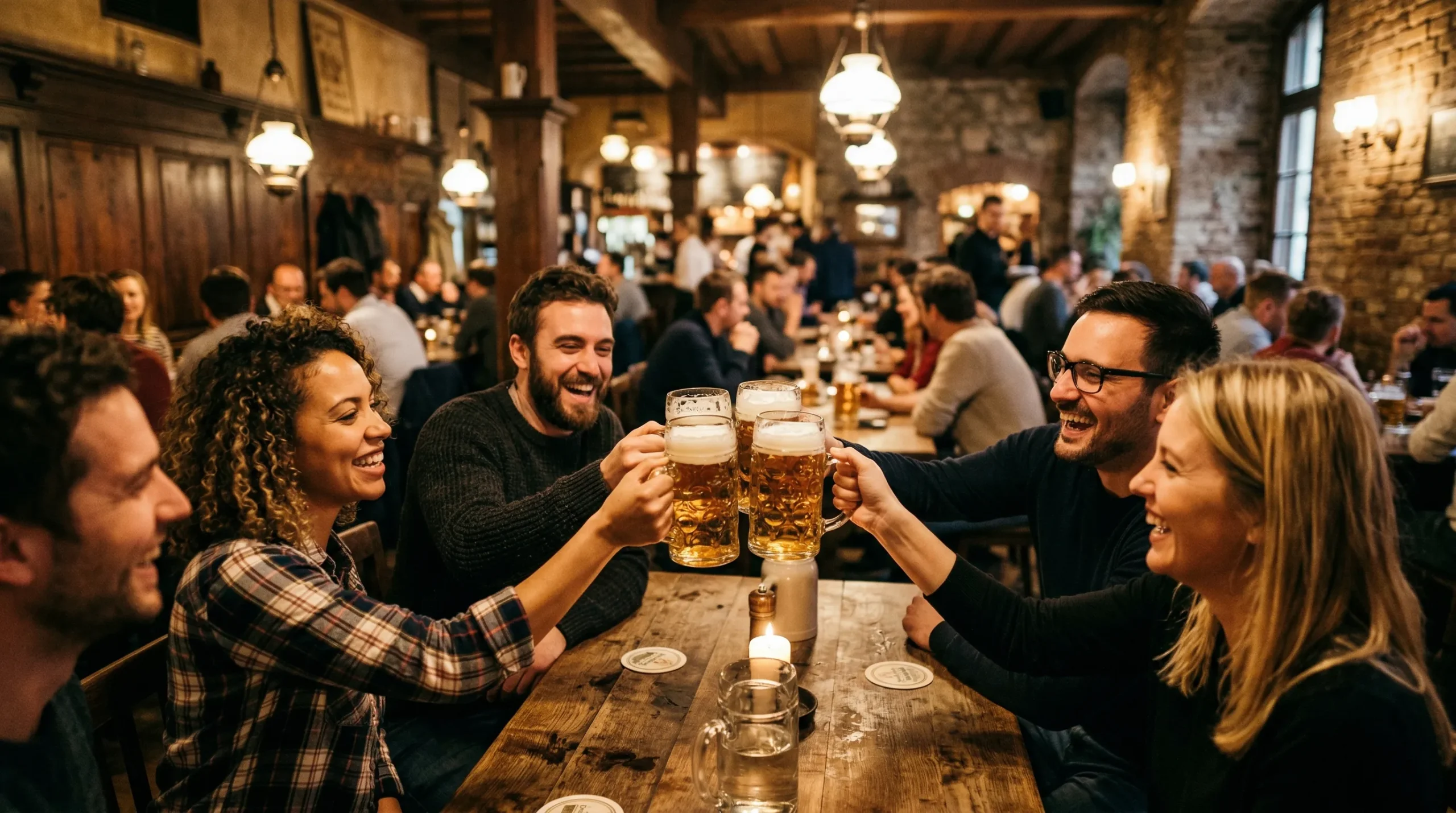
This article is part of “Savoring Beer,” a TapChiBeer series about tasting beer slowly and attentively.
If you would rather begin with the overview, the series’ main guide is here.
IIntroduction: More Than Flavor in the Glass
People who are new to beer tend to notice the obvious things first: color, bitterness, aroma, alcohol content. Those things matter, because beer is above all something we taste.
The further you go, though, the clearer it becomes that beer is shaped by the place it comes from as surely as by its malt, hops, water, and yeast.
In Germany, beer calls up the long tables of a festival. In Belgium it brings to mind small cafés, signature glasses, and recipes kept alive through generations. In Britain it belongs to the pub, to talk and laughter, and to the warmth of a room you know well after a long day.
To understand beer fully, then, it sometimes helps to see it as part of a culture rather than as a drink alone.
IIBeer and Festival Life in Germany
Whenever beer comes up as part of cultural life, Germany is almost always one of the first countries mentioned. The big glasses, the traditional dress, and the crowded, noisy festivals have become the image many beer lovers carry in their heads, and not by accident.
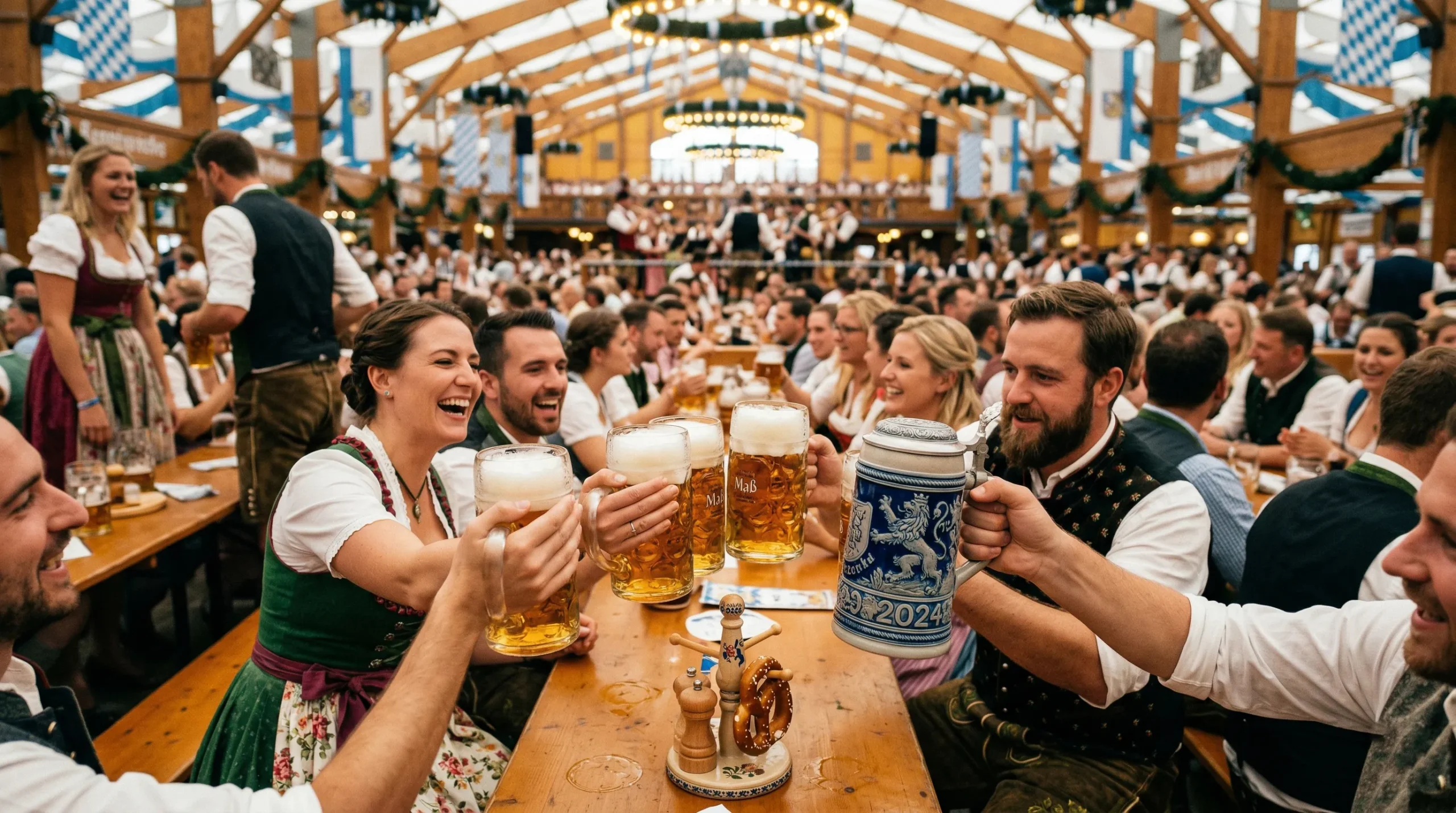
In Germany, beer is present at meals and in bars, and it also turns up wherever the community gathers. It goes with wide public squares, music, long tables, and glasses clinking between strangers who sit down together without a second thought.
The picture is clearest at Oktoberfest, which many people treat as a festival of company first and a beer festival second. They come to drink, and also to fall in with the crowd, the music, the traditional food, and a custom that goes back a very long way.
What stands out is that the beer there never feels showy. It sits easily in the rhythm of life, at the center of a shared experience in which people celebrate, sit down, and raise their glasses together.
In that kind of culture, beer is tasted on the palate and also felt through the atmosphere around it.
IIIIn Belgium, Beer Is Close to an Art
If German beer suggests festivals and a strong sense of community, Belgian beer usually feels more refined, closer to a carefully preserved and much-respected craft.
In Belgium it is plain that beer is not meant to be drunk in a hurry. Each style is served in a glass suited to it, and people pay attention to the aroma, to the pour, and to how the beer is tasted.
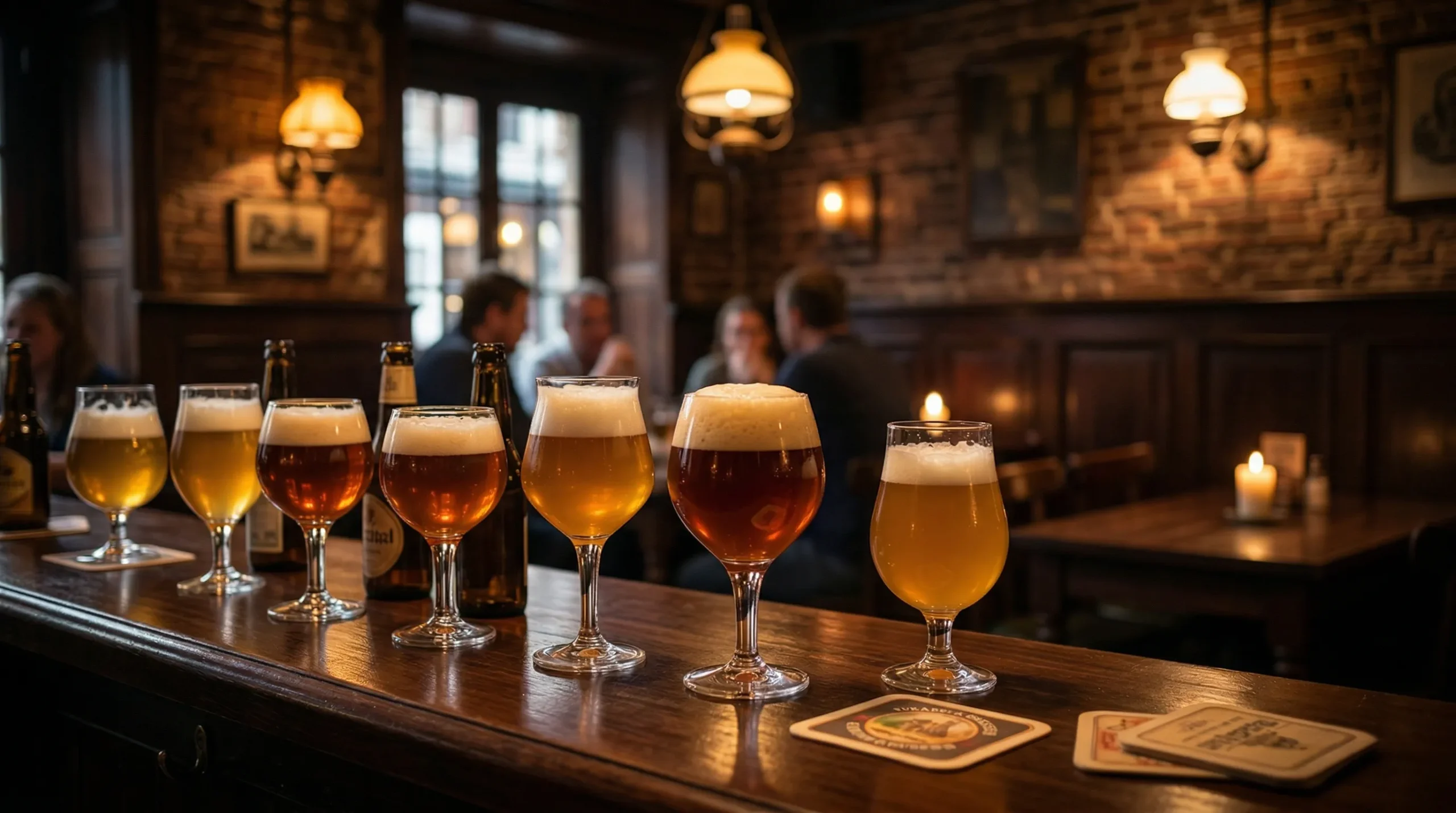
Each beer seems to have its own personality. Some are lean and lively. Some are rich and complex, with several layers of flavor. Others carry distinctive fruity, spicy, or yeast-driven notes. Drinking beer in Belgium can feel less like drinking for fun than like exploring flavor in depth.
In this setting, beer stands close to the ideas of craft and tradition. Many recipes have been passed down over time. Many styles exist less because the market wants them than because they are bound up with the history of a region, a community, or a way of brewing preserved for a very long time.
That gives Belgian beer a quiet depth. People linger over a glass, pay closer attention to aroma, flavor, and finish, and feel they are drinking something that spent a long time on its way to them.
IVBeer and Pub Culture in Britain
If Germany suggests festivals and Belgium suggests artistry, Britain offers a different picture: beer as part of everyday life, inside the pub.
A British pub is a place to meet as much as a place to drink. People stop in after work. Friends settle in together. The most ordinary stories of the day get retold there, under warm light, amid the talk at the other tables.
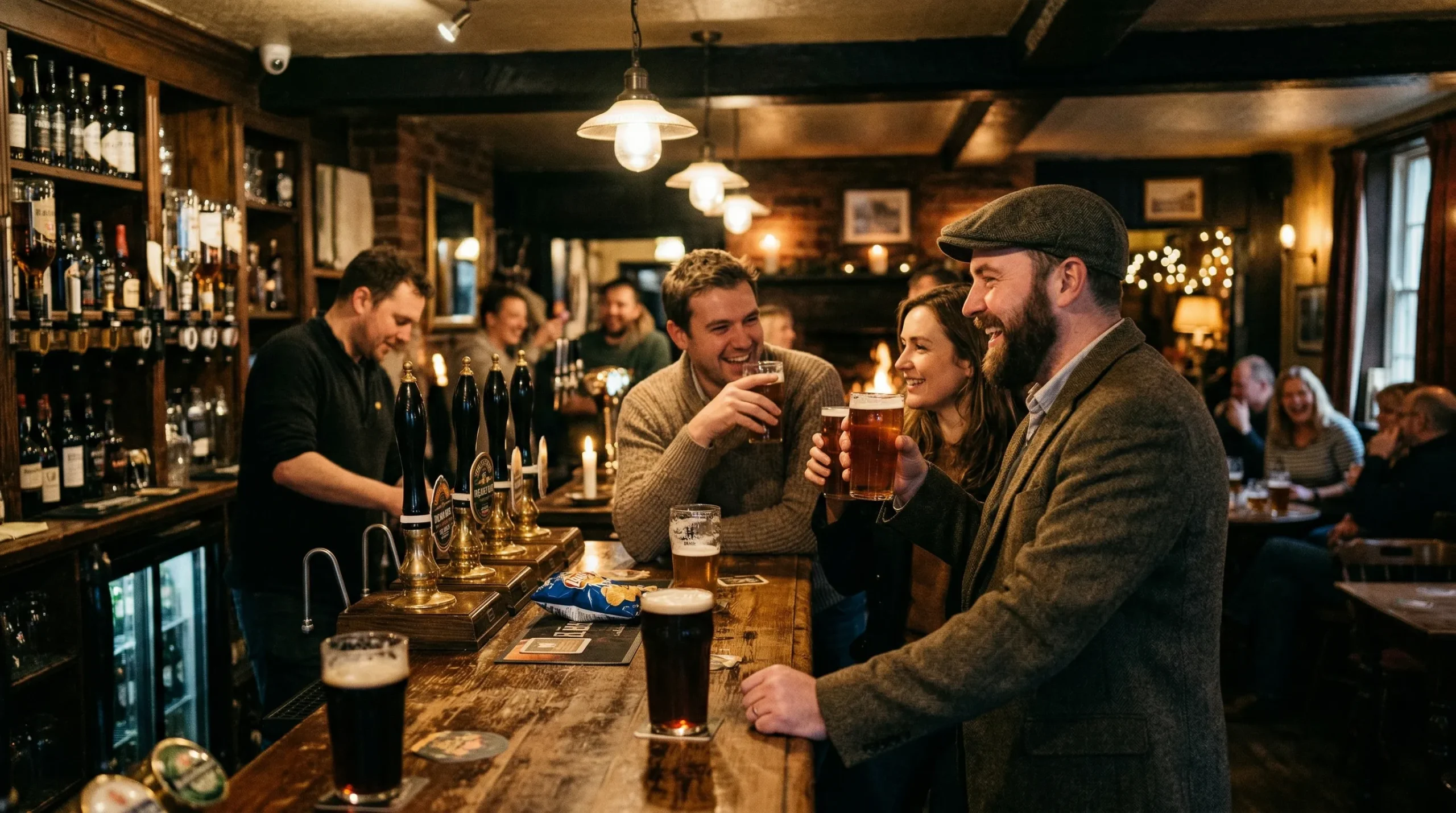
In that space, beer becomes a natural part of life. Nobody needs to raise it into a grand ritual. It is just there, in the right place at the right time.
What gives pub culture its character is familiarity. A good pub is rarely fussy. It is easy to walk into, easy to sit down in, and easy to start a conversation in, and in that atmosphere a pint becomes a gentle way for people to connect.
That may be why, in Britain, beer is woven into social life. It is part of how people end the day, part of their weekend habits, and part of the attachment they feel to a place they know.
VBeer Reflects How Each Place Lives
Look at beer through the lens of culture and you begin to see that every region puts some of its own character into its beer.
Some places treat beer as part of community life. Some treat it as a craft that deserves respect. Others see it as a natural part of the everyday.
That explains why beer is never only a matter of recipe. Two beers may both be built on malt and hops and still feel very different when they belong to two different cultures.
A beer at a festival feels different from one drunk in a small pub on a rainy evening. A beer served along with the story of its tradition leaves a different impression from one seen only as something cold to drink.
Culture, in other words, does not change what goes into a beer. It changes how people experience it.
VIWhy Understanding Culture Helps You Appreciate Beer
Once you begin to understand beer in relation to culture, the way you drink it changes too. The questions are no longer only how bitter it is, how it smells, or how strong it is. You start to ask where the beer comes from, what circumstances produced the style, and why people drink it the way they do.
Questions like these give drinking more depth. A glass of beer stops being an isolated experience. It has roots, a context, and a story behind it.
Knowing that, most of us drink more slowly, pay closer attention, and grow more curious. Beer starts to look like a small piece of human life, captured in a glass.
That is also why many people, after spending time learning about beer, come to respect it in a different way. It is not that beer needs to be put on a pedestal. They have come to see how much work, time, and culture lie behind every glass.
VIIConclusion: Beer Is a Human Story
In the end, what has kept beer in people’s lives for so long is probably less its aroma or flavor than its power to bring people together.
Beer shows up at festivals, in pubs, at meals, in conversation, and in the moments when people want to sit a little closer to one another. In those moments, beer becomes culture.
A glass of beer carries the aroma of hops, the taste of malt, and the finish that lingers at the end. Sometimes it also carries a sense of place and community, and stories retold across many generations.
Calling beer culture is a reminder that every glass holds more than what was poured into it.
To go deeper, keep reading the Savoring Beer series. From tasting beer and choosing a glass to pairing beer with food, everything starts from one simple idea: drink more slowly, and you will notice more.
Originally published in Vietnamese on Tạp Chí Beer.