A Beer’s Finish: What Lingers After the Sip
A beer’s finish is the flavor that stays after you swallow. How to taste for it, and the common kinds: bitter, dry, lightly sweet, and roasted.

Most drinkers notice only the first taste, the moment the beer meets the tongue.
For anyone who really pays attention, though, the most memorable part usually comes after the swallow.
That part is the finish.
It is the flavor that stays in the mouth after the beer goes down.
Sometimes it is a pleasant trace of bitterness from the hops, sometimes the light sweetness of malt,
and sometimes a clean, dry feeling that makes you want another sip.
That lingering flavor is a large part of what makes each style distinct.
In a good beer, the flavor carries past the swallow into a finish worth remembering.
This piece belongs to Tạp Chí Beer’s “Beer Appreciation” series, which takes a slow, attentive approach to tasting beer.
If you would rather begin with the overview, start at the series guide.
IWhat Is the Finish?
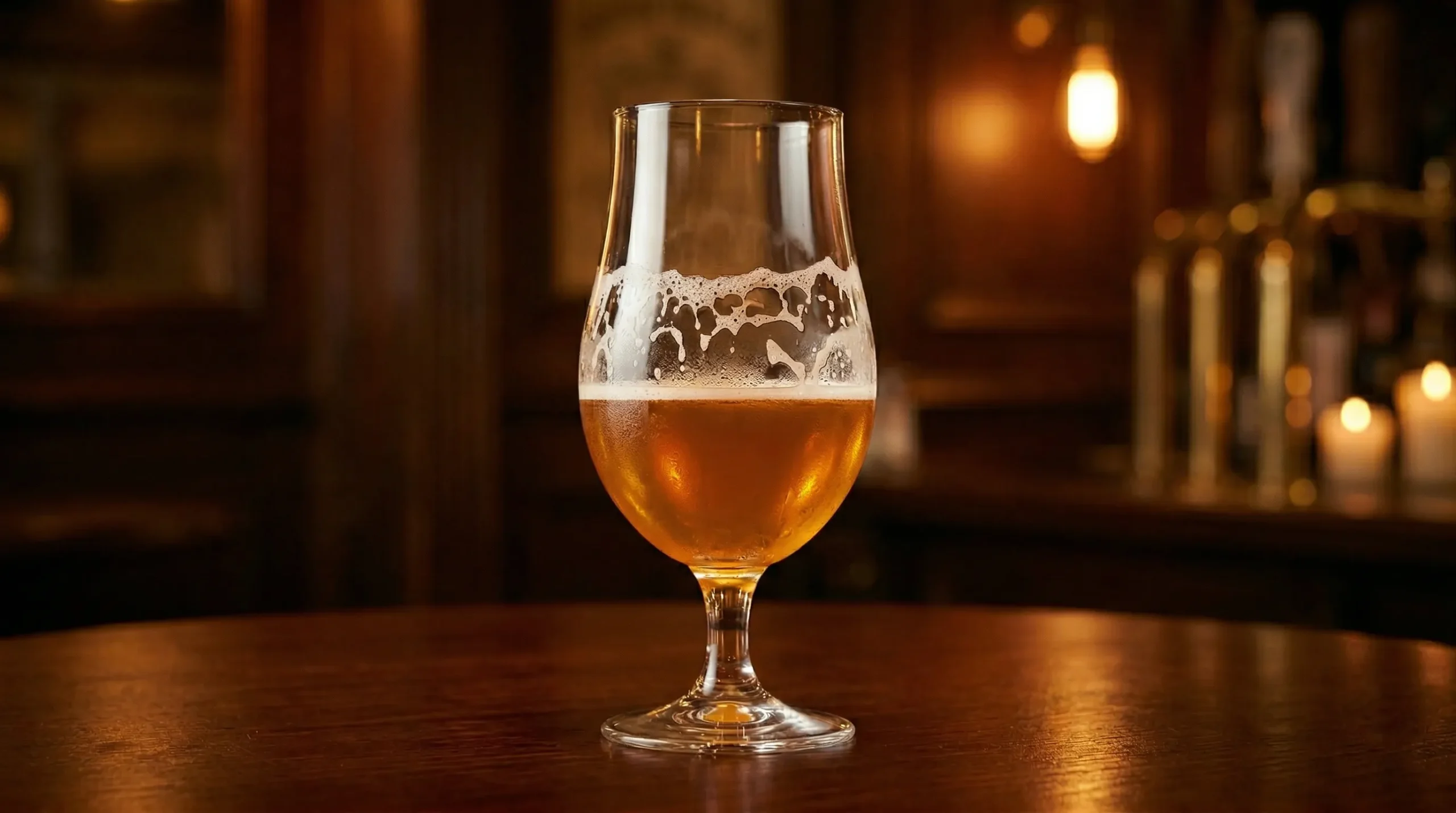
A beer’s finish is the flavor left after you swallow.
Tasting notes call it the finish, or sometimes the aftertaste.
Aroma is picked up by the nose, and flavor while the beer sits on the tongue. The finish is what happens after the beer has passed through the mouth.
In some beers the finish is gone almost at once. Many others, craft beers in particular, leave flavor that holds for several seconds, sometimes for dozens of seconds.
IIWhy the Finish Matters
The finish tells you whether a beer is balanced.
A beer that opens strong and then vanishes on the swallow makes for a fairly simple drink. When the finish lasts and keeps shifting, the glass becomes far more interesting.
Professional beer judges pay close attention to the finish, because that is where the quality of a recipe shows most clearly.
IIICommon Types of Finish
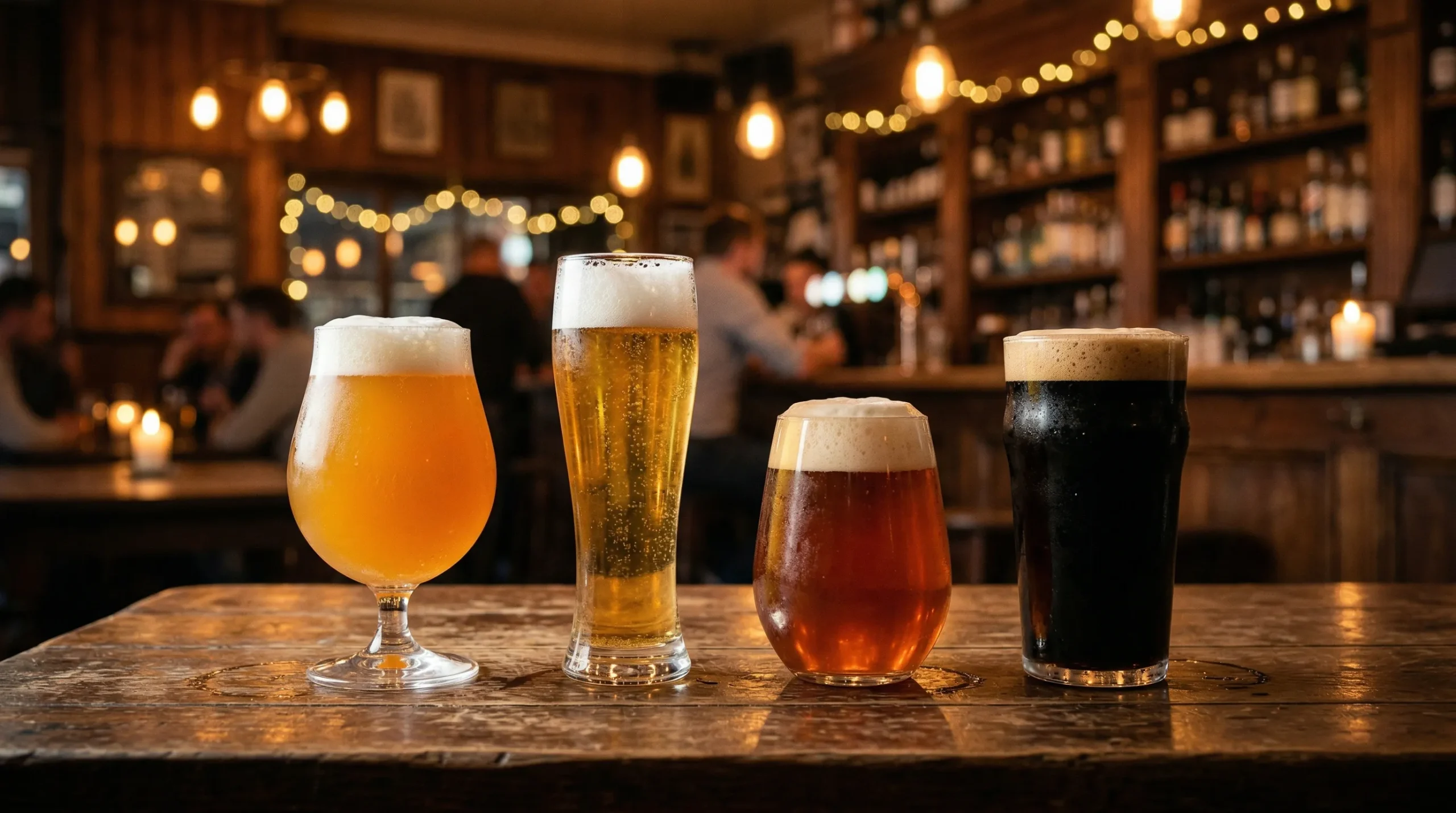
Not every beer finishes the same way.
It depends on the ingredients and the style, and the range is wide.
Bitter Finish
This finish is common in hop-heavy beers such as IPAs. After the swallow, a light bitterness stays on the tongue. When the beer is well balanced, that bitterness is pleasant and draws you back for another sip.
Dry Finish
Some beers finish dry. After you swallow, the mouth is left almost completely clean, with no sweetness behind. You find it in many lagers and in Belgian Saison, and it makes them very easy to drink.
Lightly Sweet Finish
Malt-forward beers often leave a light sweetness that recalls toast or caramel. It is common in amber ales and in Bock.
Roasted Finish
Stouts and porters often finish with roast: coffee, dark chocolate, or cocoa. It is a distinctive finish, and it usually lasts a good while.
IVHow to Taste for the Finish

To taste the finish, take a moderate sip and swallow slowly.
Don’t go straight back to the glass. Wait a few seconds and notice what remains in your mouth.
A few questions to ask yourself:
- How long does the bitterness last?
- Is there a light sweetness?
- Does your mouth feel dry, or clean?
- Does the flavor change as the seconds pass?
Give it a few seconds of attention and the finish usually turns out to be more interesting than you expected.
VWhy Craft Beer Often Has a Longer Finish
Craft beers generally use more ingredients, malt and hops above all. Those ingredients bring more flavor compounds, so the taste carries on well after the swallow.
It is also why people who move over to craft beer often discover that beer can be more complex and more interesting than they had assumed.
VIWhen the Finish Defines the Beer
A good beer rarely ends the moment you swallow. It leaves something small behind that makes you stop for a few seconds.
It might be a gentle bitterness, a touch of caramel, or a pleasantly clean dryness.
That brief moment is the beer’s signature.
And sometimes what we remember about a beer is what lingered at the very end, not the first sip.
The Beer Appreciation series goes further, from how to taste beer and choose a glass to how to pair it with food. All of it starts from one simple habit: drink more slowly and you will notice more.
Originally published in Vietnamese on Tạp Chí Beer.