Beer Aroma: Where Every Glass Begins
Aroma is the first step in savoring a beer. A look at how malt, hops, and yeast give each beer its characteristic smell.
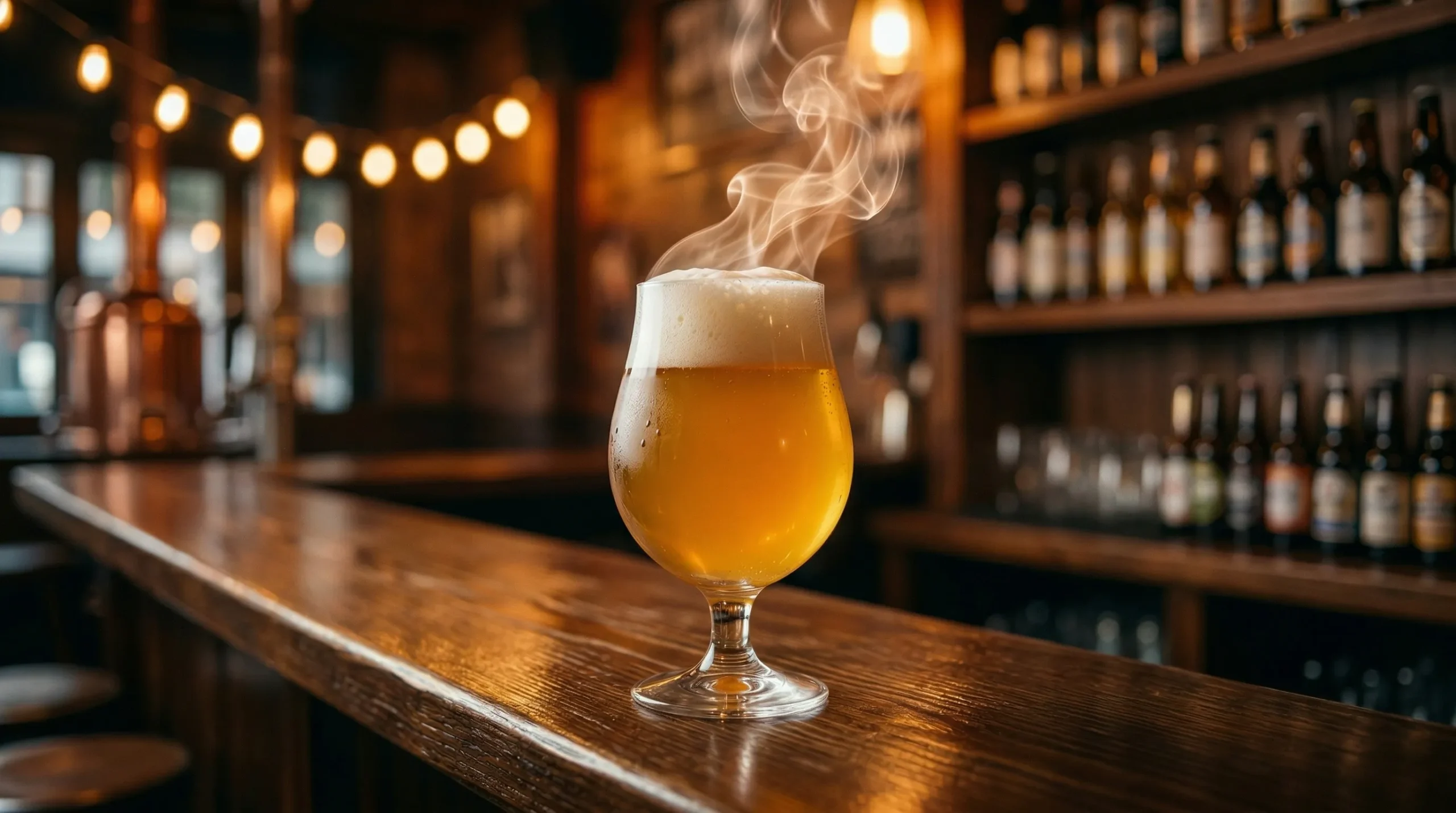
Before the beer touches your tongue, before you even take a first small sip, there is a brief moment that matters a great deal: the moment you smell it.
That is where the story of a glass of beer begins.
This article is part of our “Savoring Beer” series, about tasting beer slowly and with attention.
For an overview of the series, start with the main guide.
IAroma Comes Before Flavor
Many people assume that what matters most in a beer is how it tastes. Yet our first impression of any drink comes from its smell.
As you bring the glass toward your nose, aroma molecules rise and reach your sense of smell, and your brain starts identifying those signals almost at once.
So before you take a sip, your brain has already begun to “taste” the beer through its aroma.
That is also why beer lovers tend to share one simple habit: they always smell a beer before drinking it.

IIWhere Beer Aroma Comes From
A glass of beer can carry many different aromas, but most of them come from three sources: malt, hops, and yeast.
Malt usually brings familiar smells such as toast, caramel, honey, or sometimes cocoa. Depending on how the malt is roasted, these can be light or more pronounced.
Hops offer a far wider range. Some recall citrus, some are floral, and others smell of herbs or tropical fruit.
Yeast plays an important part too. During fermentation it can produce light fruity aromas such as banana, apple, or pear, and some beers even carry subtle spicy notes.
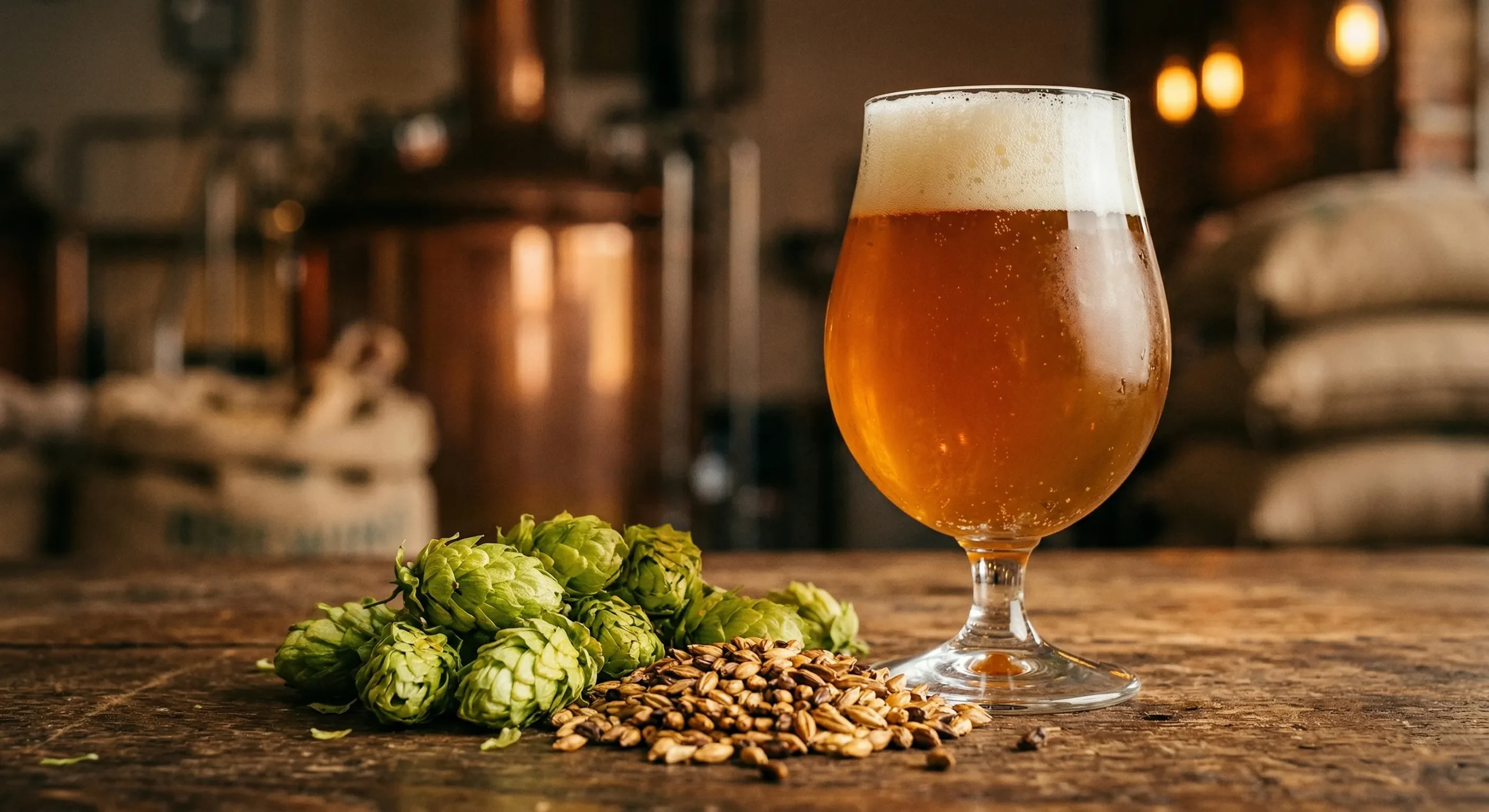
Together, these elements give each beer its own blend of aromas.
IIIWhy People Smell the Same Beer Differently

Two people can smell the same glass of beer and describe it in very different ways.
That is entirely normal.
Our sense of smell is closely tied to memory. A scent can bring back a fruit you once ate, a cake you once tasted, or some particular moment.
So if you say a beer smells of orange and someone else says grapefruit, you may both be right.
Smelling beer is not a test with right and wrong answers. It is closer to listening to a piece of music, which each person hears in their own way.
IVHow to Train Your Nose
The ability to pick out aromas in beer is not something you are born with. It is a skill, and it improves with practice.
One simple method: every time you drink a beer, spend a few seconds smelling it before the first sip. Don’t rush. Let your nose go first.
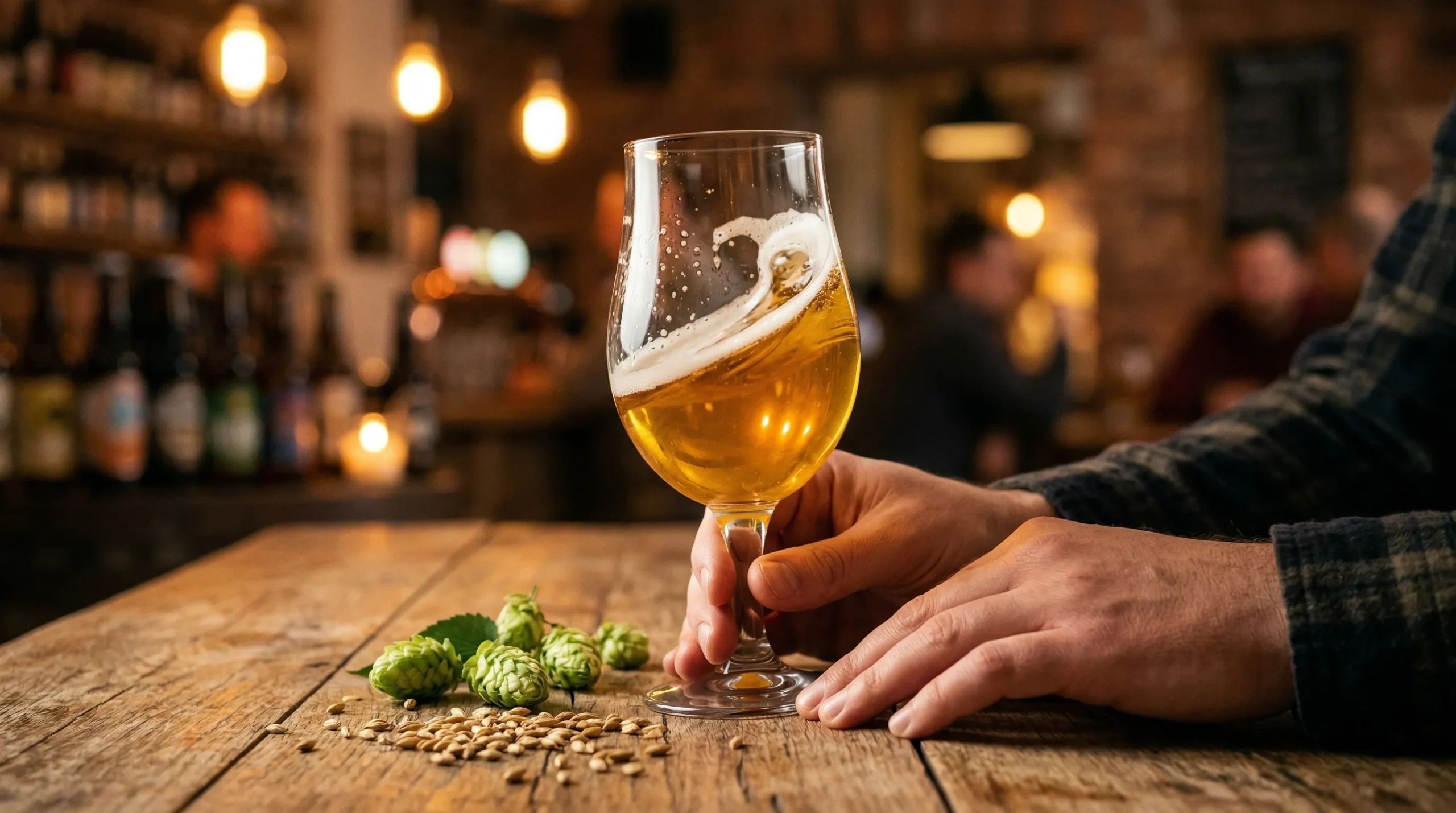
A small technique that works well is to swirl the glass gently. Swirling exposes more of the beer’s surface to air, which helps aroma compounds from the malt and hops rise more clearly.
One gentle turn of the glass is enough. Then bring it to your nose and breathe in slowly. You may be surprised how much more you can smell than when the beer was first poured.
You can also train your sense of smell by linking a beer’s aromas to familiar ones: toast, orange peel, honey, herbs, or fruit.
Don’t reach for complicated vocabulary. Just ask yourself one simple question:
What does this aroma remind me of?
Over time, you will start to notice layers of aroma in beer that you may never have picked up before.
VA Good Beer Starts With Its Aroma
A good beer is not a matter of flavor alone.
The experience usually starts with aroma.
When you lift the glass to your nose, breathe in gently, and give it a few seconds, you are taking the first step in savoring a beer.
And sometimes that small moment is what makes a beer memorable.
To go further, keep reading the Savoring Beer series. From how to taste beer and choose a glass to how to pair it with food, it all starts with one simple habit: slow down, and you will notice more.
Originally published in Vietnamese on Tạp Chí Beer.